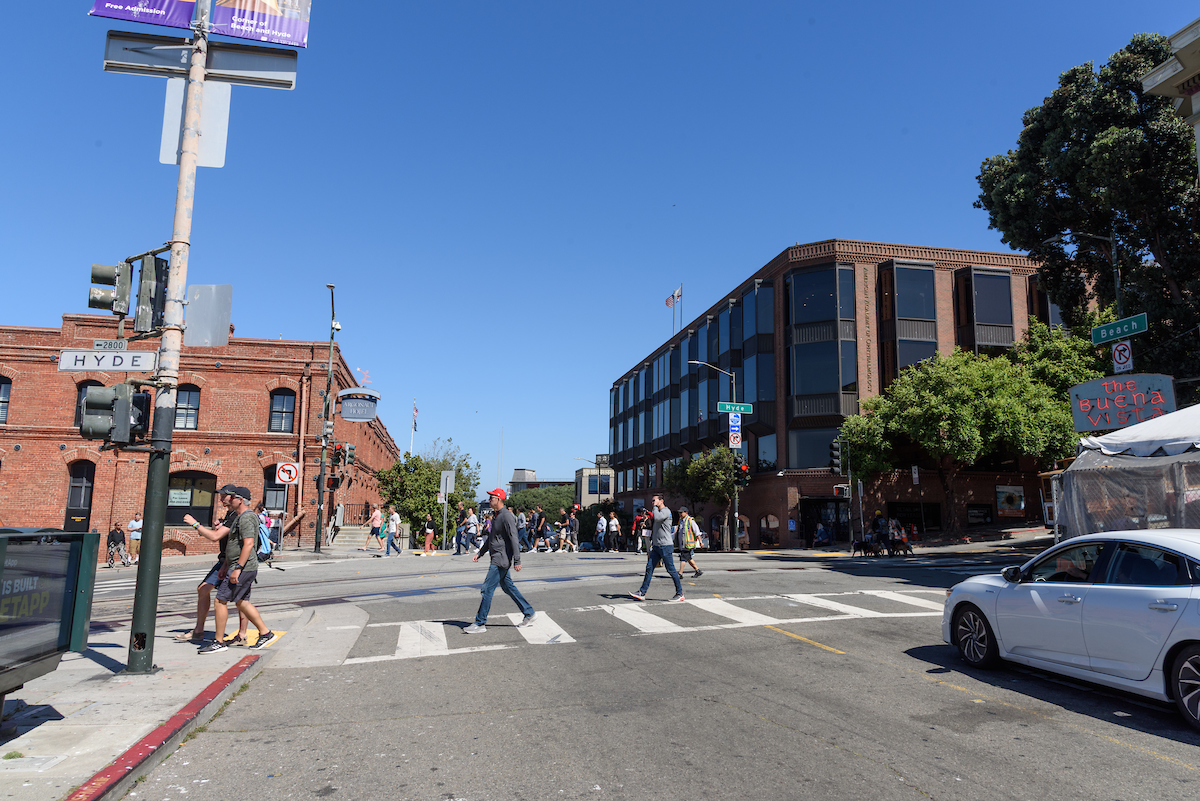
California ordered cities and counties to plan for 2.5 million new homes by 2030. Only five jurisdictions are on track to hit their numbers.
More Housing is Possible: a National Town Hall · Burhan for State Senate
Join Vice Mayor Burhan Azeem and the people behind the Montana Miracle, California’s SB79, and the ROAD to Housing Act to discuss recent wins and what comes next for the housing movement. Speakers will dig into the policy that's moving the needle, the campaigns and organizing that got us here, and how local leadership can turn big ideas into more homes. Expect sharp takes, lively panels, and the collective brainpower of the country's most effective housing advocates in one (virtual) room.

Communities Across the Nation Want to Add Housing. Which Metropolitan Areas Are Adding the Most?
Between 2020 and 2025, four Texas metropolitan areas—Austin, Dallas, Houston, and San Antonio—accounted for 13.3 percent of total US housing supply growth.

The case for environmentally sensitive housing
If we are serious about providing the best quality homes we must regenerate the empty built environment. Sustainability would be good too

The Elusive Cost Savings of the Prefabricated Home
It’s long been believed the constantly rising costs of new home construction, and lackluster improvements in construction productivity more generally, are fundamentally a problem of production methods.

Opinion | One City Might Have Just Cracked the Housing Crisis
A large real estate development in the middle of Vancouver, British Columbia, shows how cities can build more housing.

America’s housing was built for a world we no longer live in
The United States is turning 250. Everything we want for the next 50 years starts with fixing housing.

San Francisco cuts affordable housing requirement from 15% to 5%
The San Francisco Board of Supervisors voted to reduce the rate after the city controller warned new housing was too difficult to build.

What If California Is the Most Regressive State in America?
California ranks dead last in cost-of-living-adjusted poverty among all 50 states. A native Californian makes the case that Prop 13, NIMBY housing policy, and stroads make it the most regressive state in America.
The Folk Economics of Housing
Why is housing supply so severely restricted in US cities and suburbs? Urban economists offer two primary hypotheses: homeowner self-interest and political fragmentation. Homeowners, who outnumber and have organizational advantages over renters, are said to lobby against development to protect their property values. The fragmentation hypothesis emphasizes that development's negative externalities are borne locally while most of the benefits accrue regionally or nationally, leading localities to block housing. This paper offers another explanation: ordinary people simply do not believe that adding more housing to the regional stock would reduce housing prices. Across three original surveys of urban and suburban residents, only a minority of respondents say that a large, positive, regional housing supply shock would reduce prices or rents. These beliefs are weakly held and unstable (suggesting people have given the issue little thought), but respondents do have stable views about who is to blame for high housing prices: developers and landlords. Large, bipartisan supermajorities support price controls, demand subsidies, and restrictions on putative bad actors, policies which they believe would be more effective than supply liberalization for widespread affordability. We discuss the implications of these findings for efforts to expand the supply of housing.
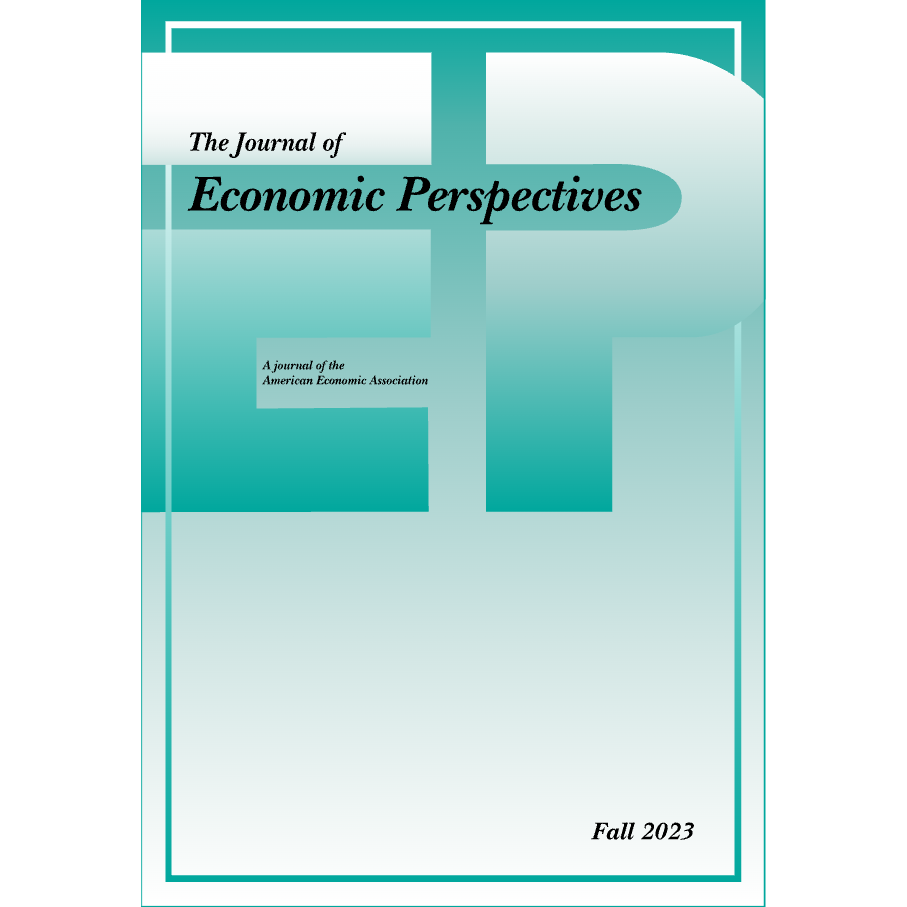
Two-bedroom apartments hit $6K for the first time in SF. The same apartment in Oakland is less than half that, but the clock is ticking.
While Oakland has long been a more affordable alternative, the rental gap between SF and Oakland is now at a staggering 128%. We break down why the East Bay deal might be changing as vacancy rates tighten.
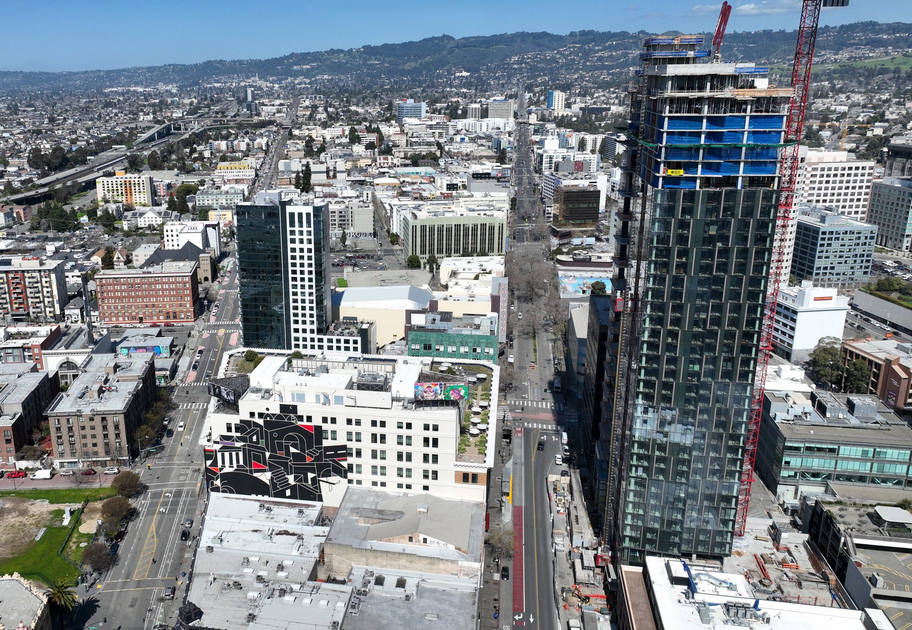
A Low-Cost Ownership Oasis in a Desert of Apartment Unaffordability
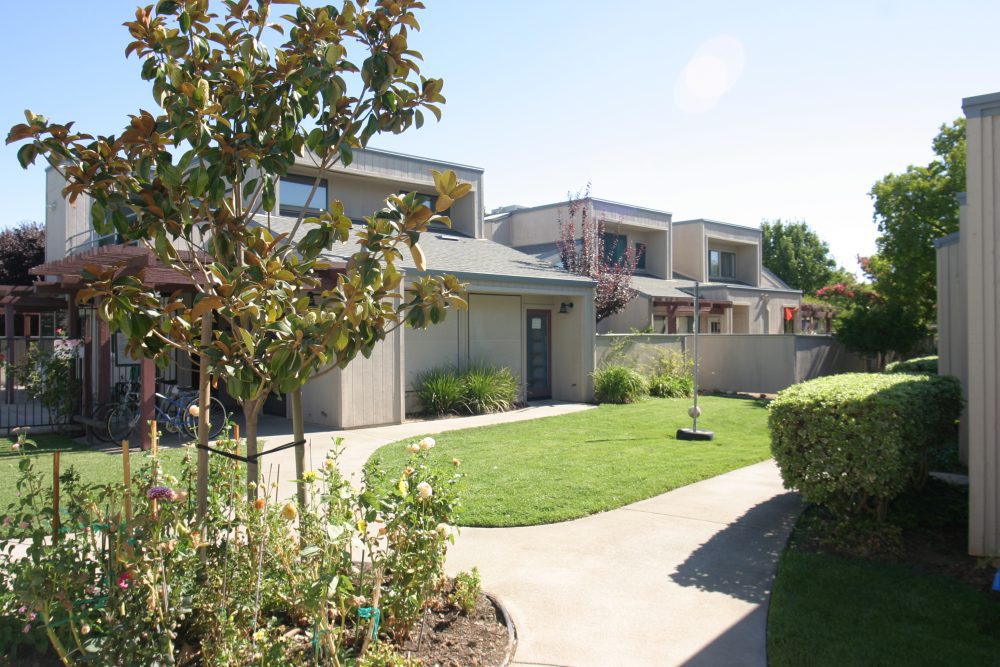
When this California housing cooperative began more than 30 years ago, it wasn’t the most affordable place to live. But now, it is.
A City for Children — Oakland Public Library
A City for Children — Gutman, Marta, — American cities are constantly being built and rebuilt, resulting in ever-changing skylines and neighborhoods. While the dynamic urban landscapes of New York, Boston, and Chicago have been widely studied, there is much to be gleaned from West Coast cities, especially in California, where the migration boom at the end of the nineteenth century permanently changed the urban fabric of these newly diverse, plural metropolises. In A City for Children Marta Gutman focuses on the use and reuse of everyday buildings in Oakland, California, to make the city a better place for children. She introduces us to the women who were determined to mitigate the burdens placed on working-class families by an indifferent industrial capitalist economy. Often without the financial means to build from scratch, women did not tend to conceive of urban land as a blank slate to be wiped clean for development. Gutman shows how, over and over, women instead turned private houses and even a saloon in Oakland into orphanages, kindergartens, settlement houses, and day care centers, and in the process built the charitable landscape--a network of places that was critical for the betterment of children, families, and public life. The industrial landscape of Oakland, riddled with the effects of social inequality and racial prejudice, is not a neutral backdrop in Gutman's story but an active player. Spanning one hundred years of history, A City for Children provides a compelling model for building urban institutions, and it demonstrates that children, women, charity, and reform, along with incremental construction, renovations, alterations, additions, and repurposed structures, are central to the understanding of modern cities.
Data center land use issues are fake
We have plenty of land, data centers provide more revenue per unit area than any other building, and we should have way less farmland

Just How Far Can California Possibly Go on Climate? (Published 2017)
California wants to cut greenhouse gas emissions more than even President Barack Obama had proposed. But can the state pull it off, or will it falter?

Housing ladder spillovers
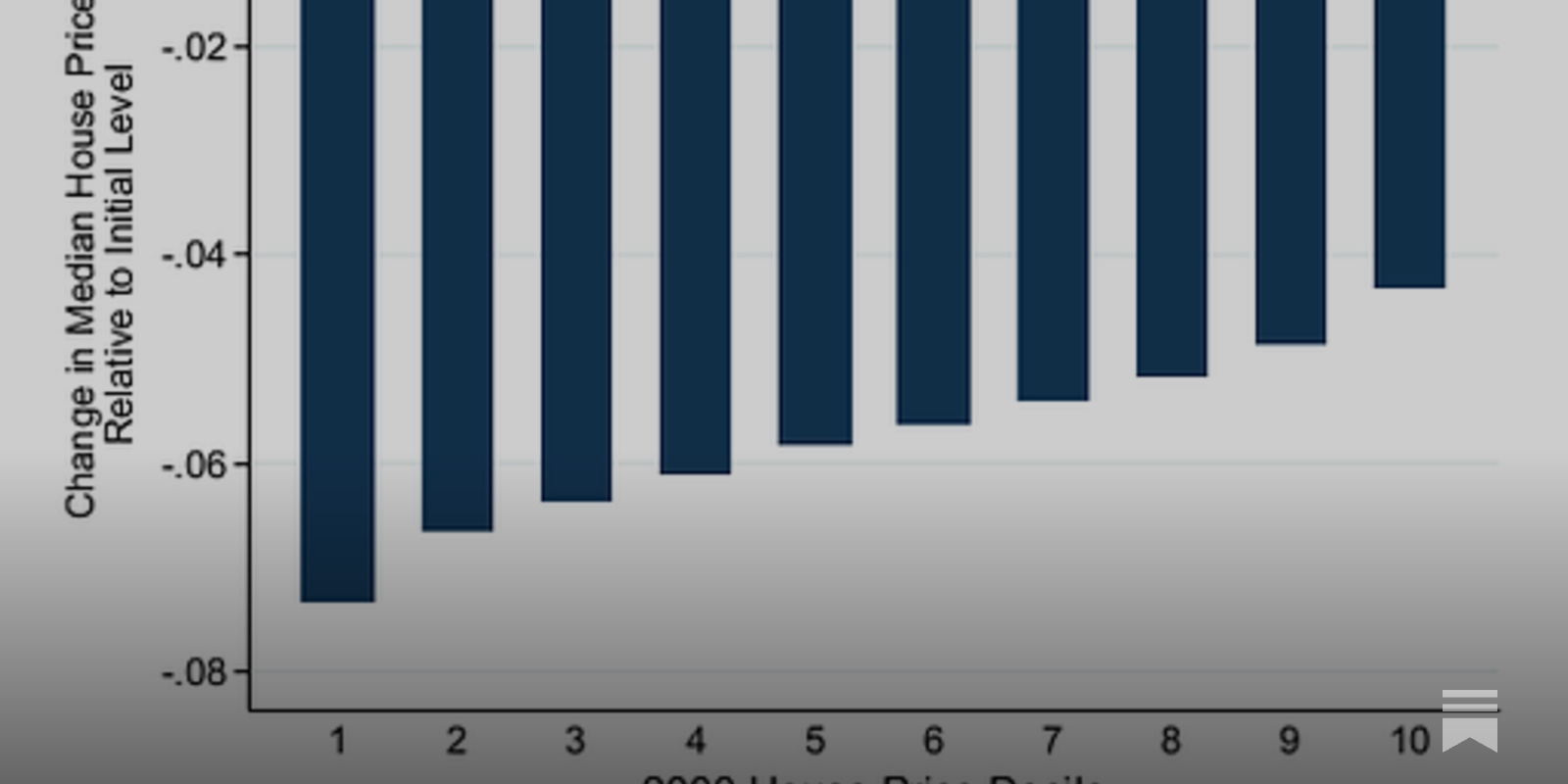
Rich newcomers can raise low-end rents, and adding high-end homes can lower them
Beach Street Quick-Build Project
Construction for the Beach Street Quick-Build Project is substantially complete!What’s New