In recent months, I’ve been doing a fair number of interviews about my new book, Slow Productivity. I’m often asked during these conversations about the ... Read more
AI and Work (Some Predictions) - Cal Newport
One of the main topics of this newsletter is the quest to cultivate sustainable and meaningful work in a digital age. Given this objective, it’s ... Read more
Why Hasn’t AI Made Work Easier? - Cal Newport
I’ve been studying the intersection of digital technology and office work for quite some time. (I find it hard to believe that my book, Deep ... Read more

Has AI Changed Work Forever? Not Really... | Cal Newport
"AI" and Productivity
[I keep bringing these up on Bluesky, so I think it’s time to gather them up and make a post out of them.] This is a collection of articles...
AI Doesn’t Reduce Work—It Intensifies It
Aruna Ranganathan and Xingqi Maggie Ye from Berkeley Haas School of Business report initial findings in the HBR from their April to December 2025 study of 200 employees at a …
This is Going to be Very Messy
This is Going to be Very Messy
It’s Time to Investigate the AI Labs - Cal Newport
Over the last several months, the two leading frontier AI labs have shown some brazen behavior. It started with a series of carefully planned announcements ... Read more

AI in scientific publishing: Slower, worse, and more expensive
There’s a saying in the management world, popularized by NASA administrator Daniel Goldin in the 1990s, that the goal of technological improvements is to make products faster, better, and cheaper. Although this strategy had some success in the aerospace industry, the zealots of artificial intelligence (AI) have been making the same argument regarding how it will transform work, claiming that so little human effort will be required that humanity will enter an era of radical abundance, free from disease, drudgery, and danger, among other benefits, leaving society with more time for creative pursuits. But history tells a different story. When machines began to increase productivity during the second industrial revolution, American engineer Frederick Winslow Taylor’s The Principles of Scientific Management encouraged corporations to use surveillance to get employees to work harder and longer, an approach that exhausted and discouraged workers and led to the transfer of knowledge and any decision-making from workers to management, while enriching the profits for only those at the top. Yet, it remains foundational to the American economic enterprise. Indeed, scientific publishing is starting to experience some Taylorism with the insertion of AI. Rigorous human checking of AI-generated research papers is creating bottlenecks as publishers strive to maintain the integrity of the scientific record. The challenge is requiring even more human effort, making the whole endeavor slower and more expensive.

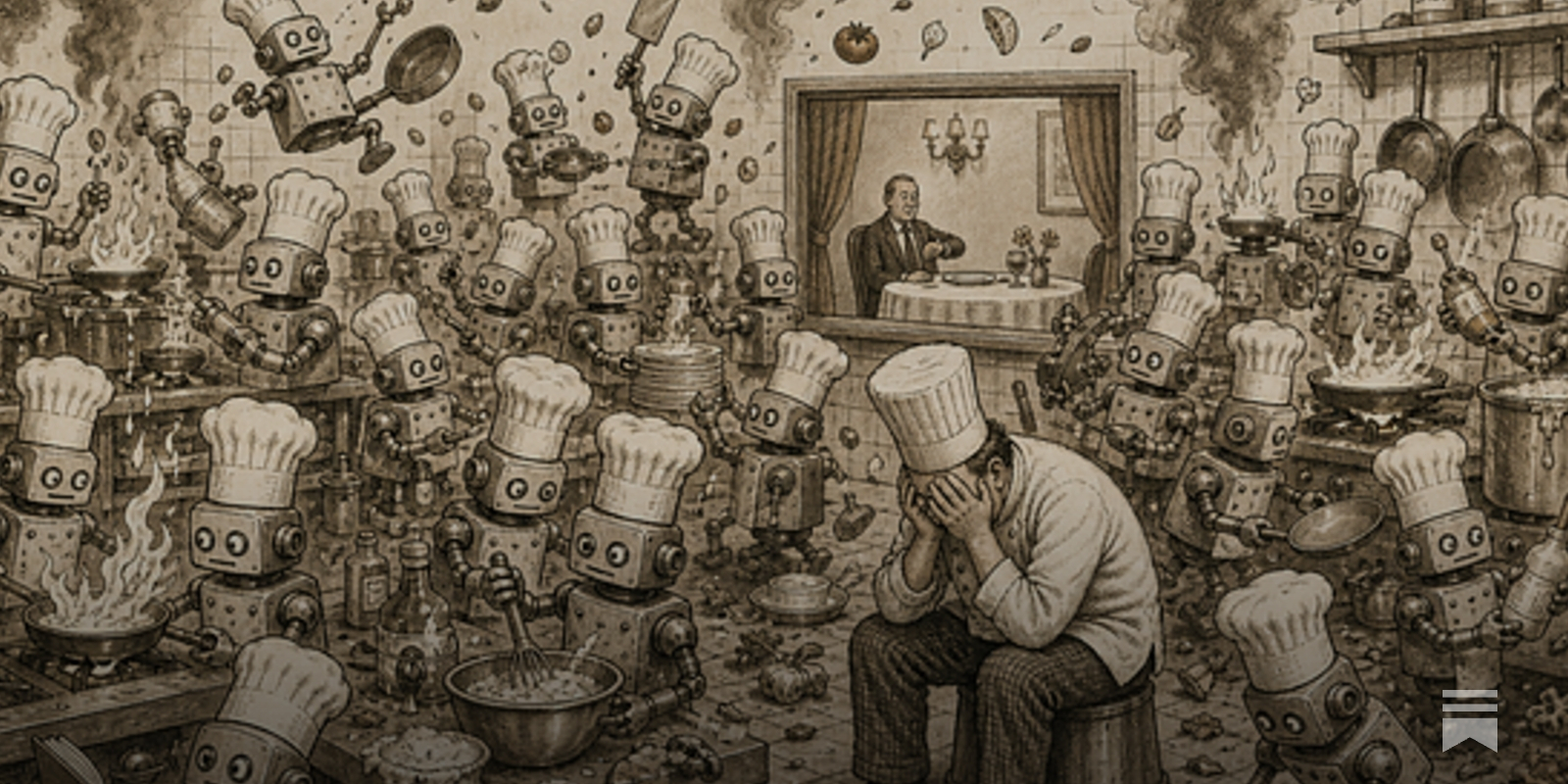
What happens when AI replaces the parts of work people love?
We’re using AI to move faster. I’m not yet convinced we’re using it to work better.
AI Has No Wisdom and Neither Will You
Certainly the industry is transforming, however, the people and organizations falling into the trap of no longer reading and writing code only do so at their peril.

AI boosts worker productivity — but does that translate to final outputs? | MIT Sloan
A new study found that developers using AI tools can write much more code than those working without AI, but they don’t release as much new software.

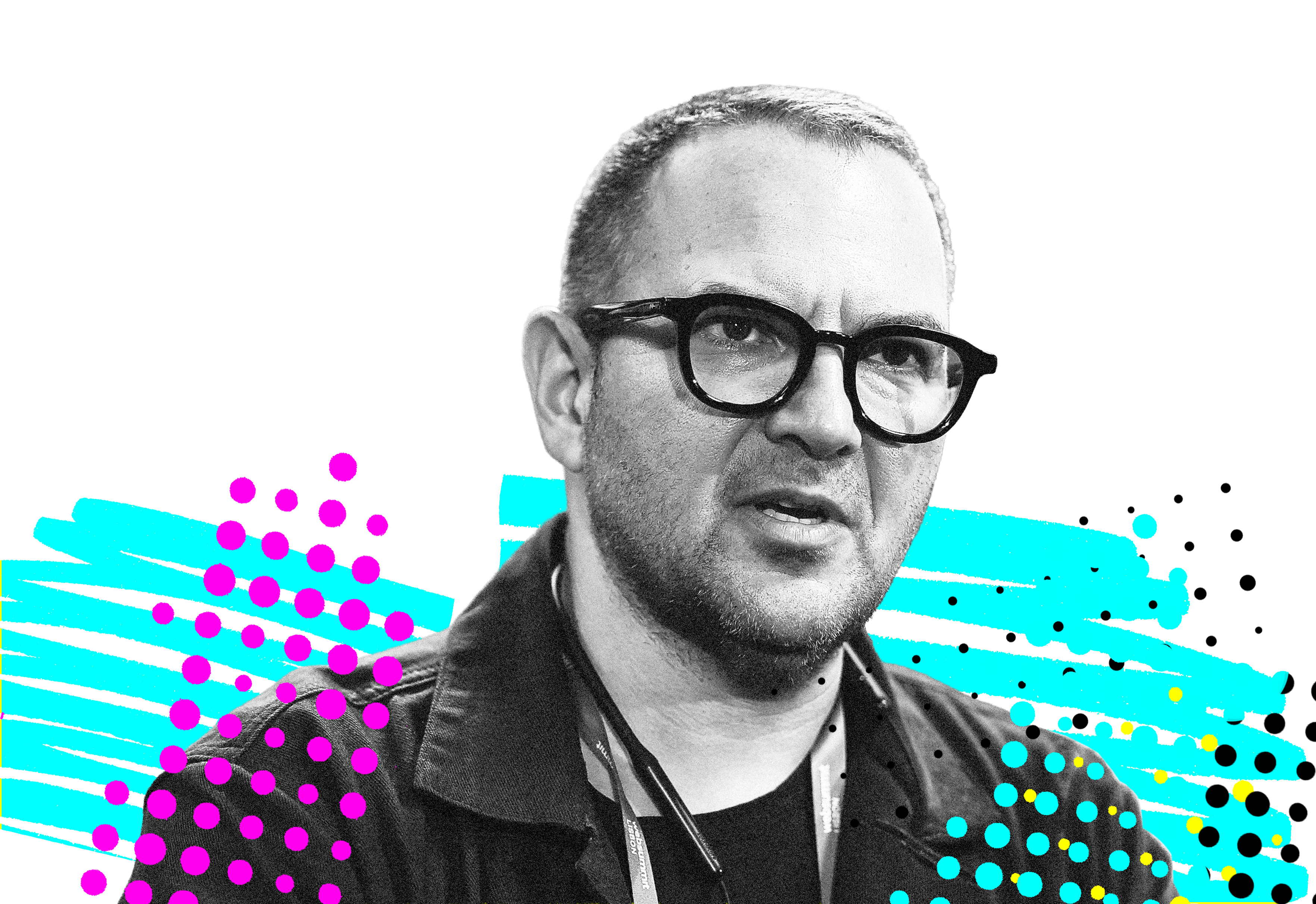
Cory Doctorow: The people who tell you ‘AI is changing everything’ are lying
It has become impossible to tell managers mesmerised by artificial intelligence that the tools are not, in fact, helpful. So employees just play along with the fiction to keep their jobs, writes our tech columnist
Presentations — Benedict Evans
Every year, I produce a big presentation exploring macro and strategic trends in the tech industry. New in May 2025, ‘AI eats the world’.

What we can’t measure about AI – yet | Aeon Essays
The costs of transformative innovations are immediately clear: it’s the longterm gains that are hardest to understand