


A reader recently sent me a Substack post they thought I might like. “I bought my kids an old-school phone to keep smartphones out of ... Read more
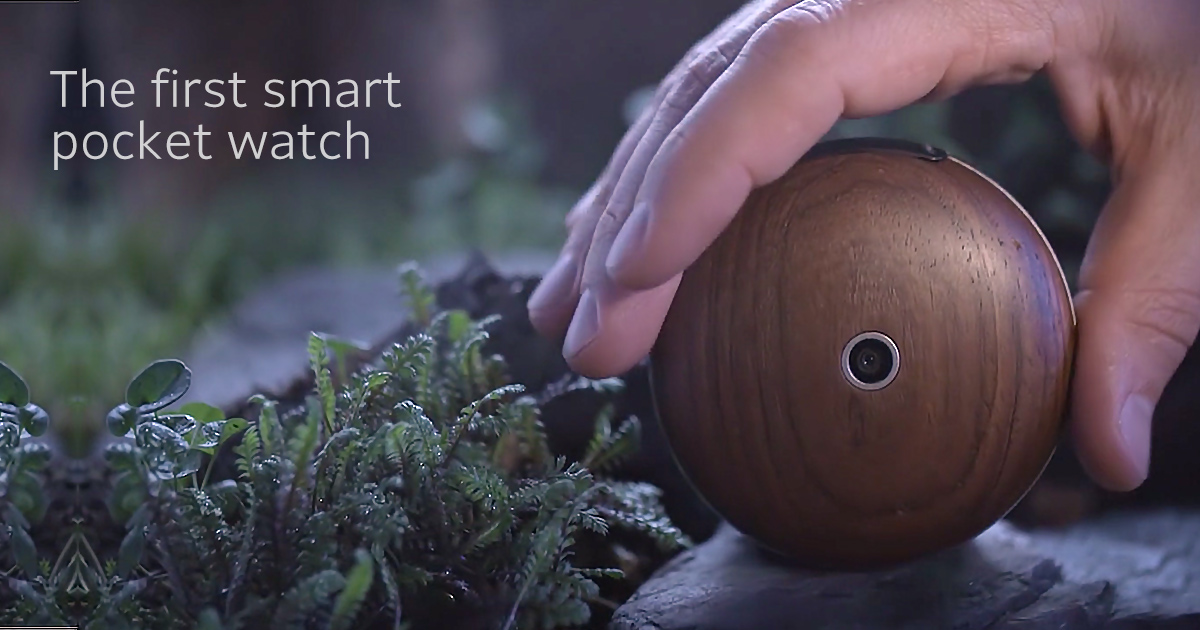
Runcible - Circular Open Source Anti-Smartphone by Aubrey Anderson - Indiegogo
The heirloom, smart pocket device made of sustainably sourced hardwood and upgradable electronics.
Fairphone Shop | Fairphone
Long-lasting smartphones and accessories that benefit the planet

Decentralizing My Smartphone With Single Purpose Devices
Lately, I’ve become nostalgic for the days before smartphones, when the internet was a place we went to deliberately, and not a place that lived on all of ou...

Pluralistic: Installing Android phones in Blackberry chassis (23 Jul 2025) – Pluralistic: Daily links from Cory Doctorow
As much as I admire the techlash, I have some serious reservations. I worry that there's some pretty useful tech babies that we are at risk of throwing away with the bathwater.
Childhood and Education #20: Phones and Screens
We have a respite, so I thought I’d tackle various thoughts on children, phones and screens.

Mobile Phone Museum
We are a not-for-profit entity created to safeguard the rich history and design diversity of mobile devices which have been launched over the last four decades.

A brief summary of everything Substrate and Polkadot
We cut through the existing material on Substrate & Polkadot and take a deeper look at where we are going with the two technologies and…



Too risky for the road but safe for schools? Rethinking smart glasses in the science classroom
This paper critically examines the governance of smart glasses in K-12 science education, using science classrooms as a case through which policy design challenges become visible. We position these wearable technologies not only as tools of pedagogical innovation but as governance challenges requiring regulatory attention. The vendors of smart glasses claim that their devices enhance real-time visualisation, support hands-free inquiry, and personalise activity. Yet, despite increased consumer availability and promotion by vendors, smart glasses are inconsistently specified in Australian school policy, unlike other high-stakes sectors such as transportation where wearable device categories are explicitly regulated. Drawing on a comparative analysis of policy associated with Australia’s K-12 mobile phones and the 2023 Victorian Road Rule Amendments “New Driver Distraction Road Rules”, this study proposes that science education requires similar anticipatory governance. Whereas the road safety framework classifies wearable technologies as potential sources of cognitive distraction and provides a stratified risk profile, device-specific restrictions, and enforcement mechanisms, we illustrate a stark contrast to the comparable provisions analysed in educational policy. This analysis identifies governance-relevant risk categories for staff, students, and schools that are not consistently addressed in the education policy texts examined, and that are difficult to standardise through discretionary, school-level interpretation alone. As such, this paper contributes to global conversations on educational justice, digital governance, and the ethical integration of emerging technologies in education.
Presentation: The End of the Beginning — Benedict Evans
Close to three quarters of all the adults on earth now have a smartphone, and most of the rest will get one in the next few years. However, the use of this connectivity is still only just beginning. Ecommerce is still only a small fraction of retail spending, and many other areas that will be transf
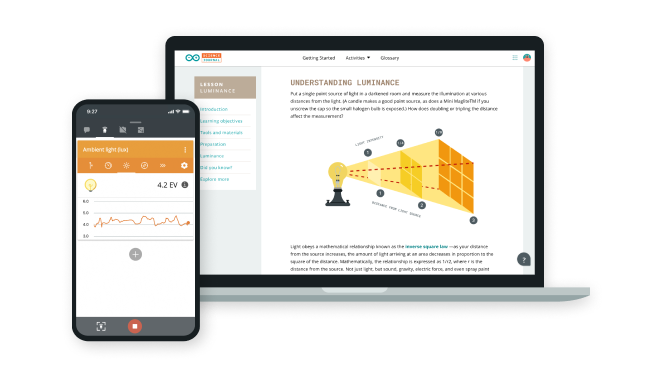
Arduino Science Journal
Transform your mobile device into a science tool! Use sensors to record data, document your observations, and experiment like a real scientist.
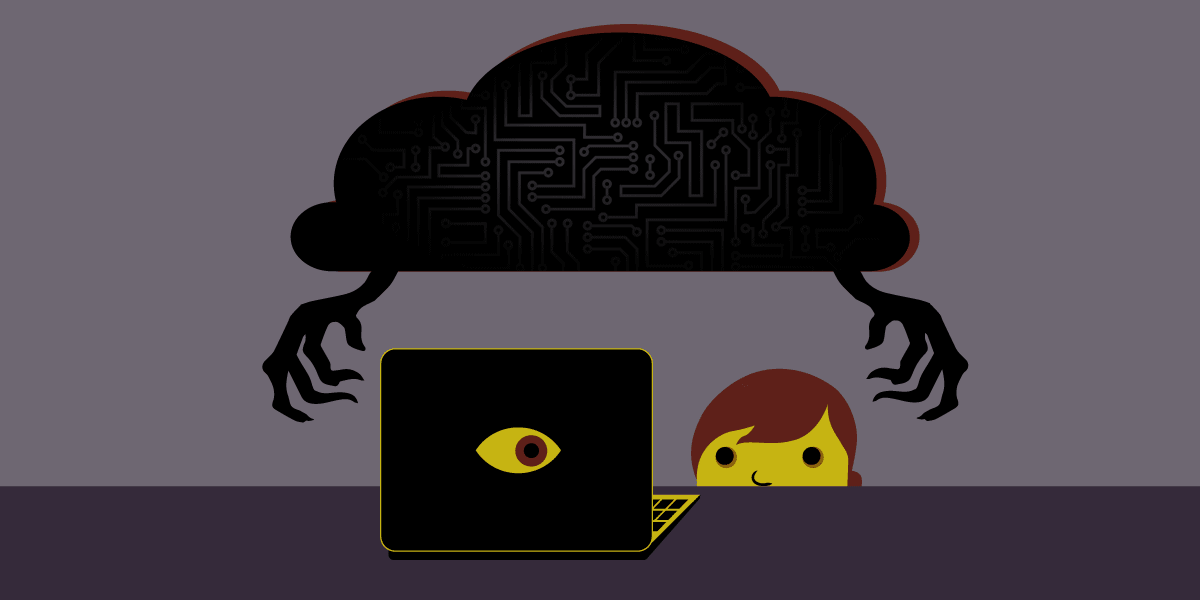
EFF’s "Spying on Students" Report Highlights Tech Companies’ Data
San Francisco—School children are being spied on by tech companies through devices and software used in classrooms that often collect and store kids’ names, birth dates, browsing histories, location
A low-carbon computing platform from your retired phones
Jennifer Switzer, Visiting Postdoctoral Researcher, and David Patterson, Fellow, Google

7SEES on Twitter / X
If you have WhatsApp, Signal, if you've ever opened a PDF on your device, if you run iOS, Android, and even an OS like Graphene, your chances of having this software on your phone is more than zero.Even Graphene pretends to be uncrackable, but clever marketing is used to cover… https://t.co/gaVzq4tAZm— 7SEES (@7SEES_) February 11, 2026