

I’ve been studying the intersection of digital technology and office work for quite some time. (I find it hard to believe that my book, Deep ... Read more
Has AI Changed Work Forever? Not Really... | Cal Newport
‘Deskilling’: a dangerous side effect of AI use
Workers are increasingly reliant on the new technology
AI in scientific publishing: Slower, worse, and more expensive
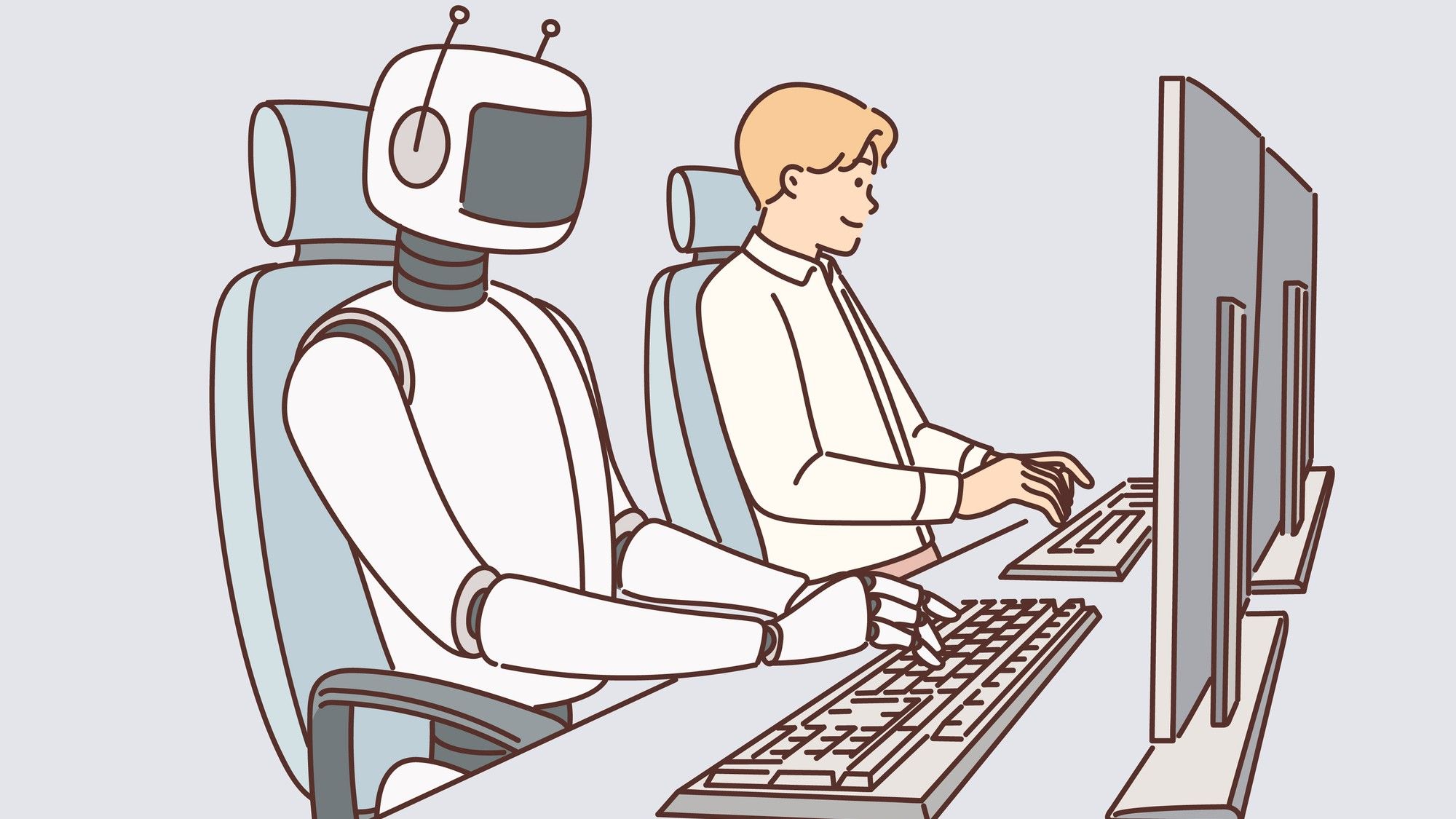
There’s a saying in the management world, popularized by NASA administrator Daniel Goldin in the 1990s, that the goal of technological improvements is to make products faster, better, and cheaper. Although this strategy had some success in the aerospace industry, the zealots of artificial intelligence (AI) have been making the same argument regarding how it will transform work, claiming that so little human effort will be required that humanity will enter an era of radical abundance, free from disease, drudgery, and danger, among other benefits, leaving society with more time for creative pursuits. But history tells a different story. When machines began to increase productivity during the second industrial revolution, American engineer Frederick Winslow Taylor’s The Principles of Scientific Management encouraged corporations to use surveillance to get employees to work harder and longer, an approach that exhausted and discouraged workers and led to the transfer of knowledge and any decision-making from workers to management, while enriching the profits for only those at the top. Yet, it remains foundational to the American economic enterprise. Indeed, scientific publishing is starting to experience some Taylorism with the insertion of AI. Rigorous human checking of AI-generated research papers is creating bottlenecks as publishers strive to maintain the integrity of the scientific record. The challenge is requiring even more human effort, making the whole endeavor slower and more expensive.

AI Is Forcing Employees to Work Harder Than Ever
Another new study adds to the understanding that AI is actually making work more demanding for employees instead of making it easier.
On AI Coding and Its Discontents - Cal Newport
Back in January, I received a note from a senior software engineer in Silicon Valley. He described himself as an AI skeptic who became converted ... Read more
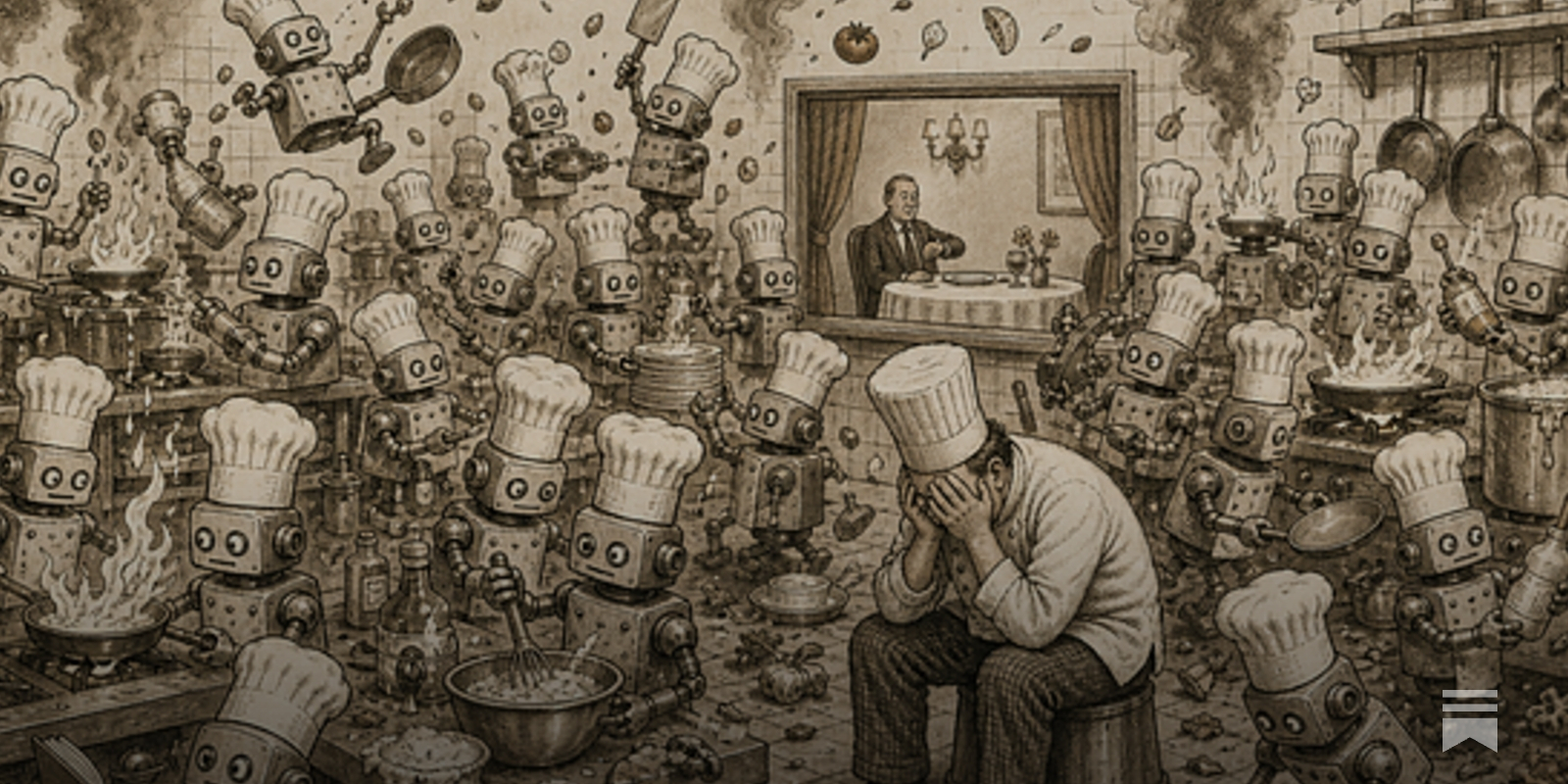
How ‘Automation’ Made America Work Harder
Computers were supposed to reduce office labor. They accomplished the opposite

Cory Doctorow: The people who tell you ‘AI is changing everything’ are lying
It has become impossible to tell managers mesmerised by artificial intelligence that the tools are not, in fact, helpful. So employees just play along with the fiction to keep their jobs, writes our tech columnist

The real AI economy is being built by ordinary people
Far from Silicon Valley pitch decks, workers across Asia and Africa are bypassing tech industry hype to quietly rewire their daily jobs — one prompt, workflow, and local problem at a time.

AI Doesn’t Reduce Work—It Intensifies It
Aruna Ranganathan and Xingqi Maggie Ye from Berkeley Haas School of Business report initial findings in the HBR from their April to December 2025 study of 200 employees at a …
Good design hasn’t changed with AI — John Pham, SF Compute
Writing With AI Is Harder Than You Think
It takes rigor, judgment, and willingness to be told your work isn't good enough.

Companies rushed in on AI. Now some are pulling back
Rapid AI adoption left workers cleaning up a flood of errors and low-quality work
Knowing less about AI makes people more open to having it in their lives – new research
People with less AI literacy often see the technology as ‘magical’ and awe-inspiring.
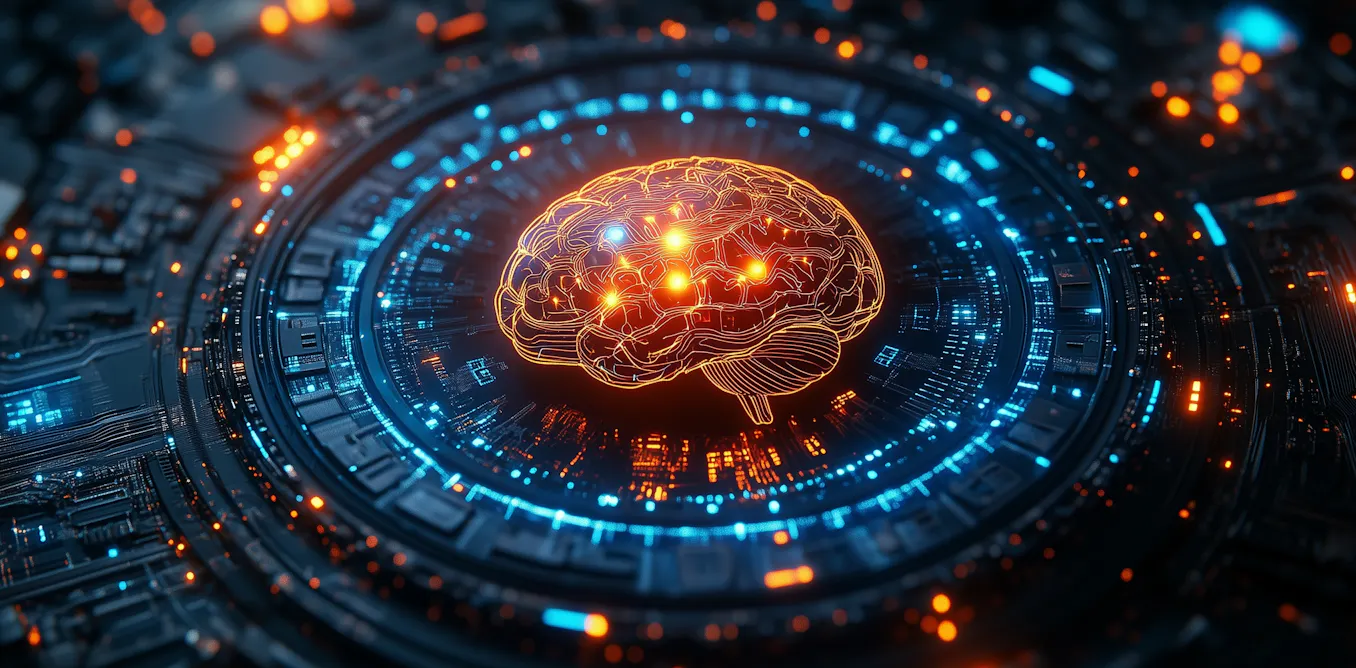
Knowing less about AI makes people more open to having it in their lives – new research
People with less AI literacy often see the technology as ‘magical’ and awe-inspiring.
AI tools are 'deskilling' workers, philosophy professor says
A philosophy professor warns that AI reliance is weakening workers' judgment, creativity, and problem-solving.