

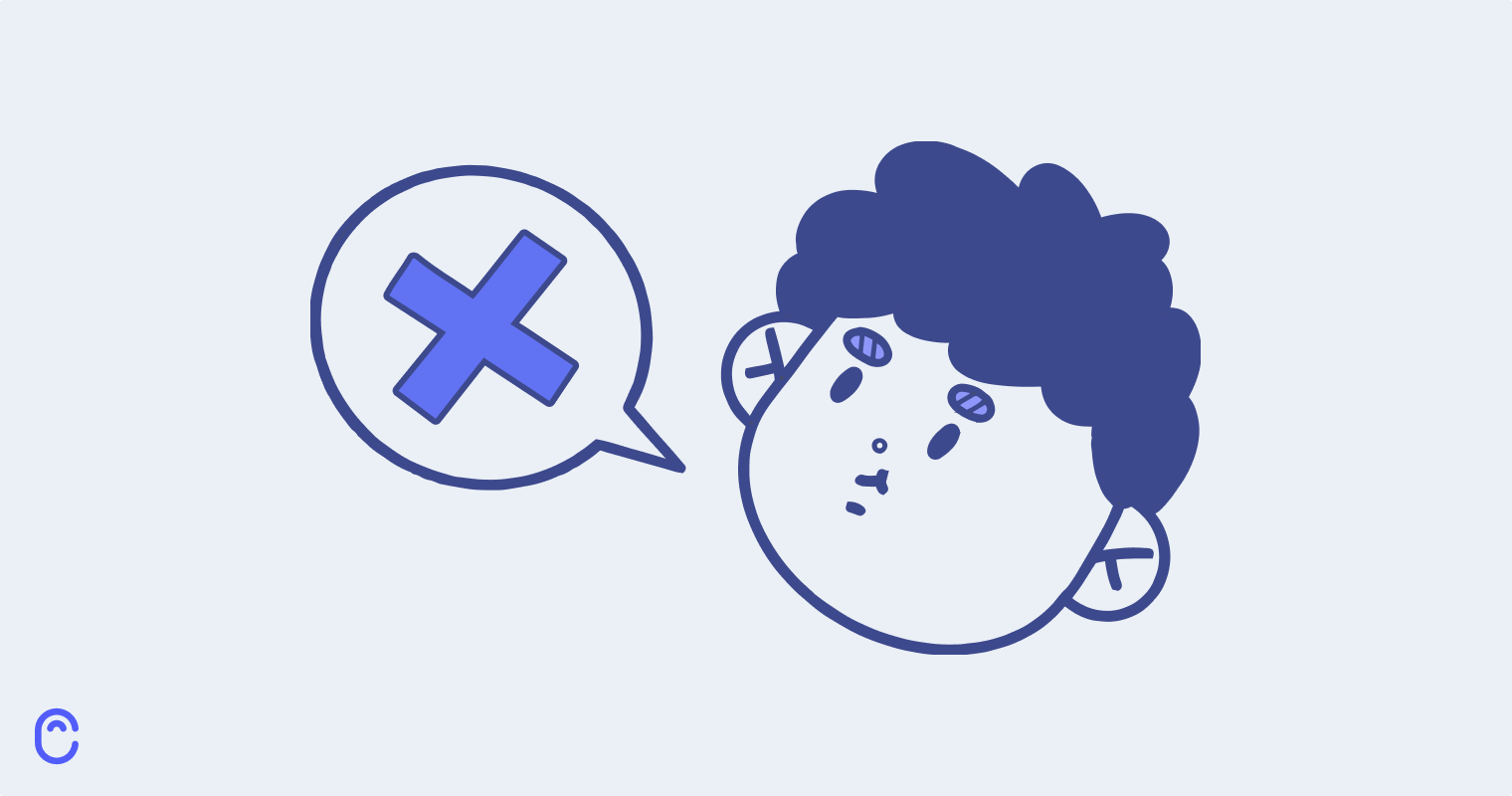
Rejecting customers' ideas is never easy. However, the right tone and attitude can make a huge difference. Here's how to say no to feature requests the right way.
Product strategy best practices [with examples]
When building a product you have to be great at saying No. Not 'maybe' or 'later'. 'No' is the strategy for delivering a cohesive, well defined product.
Why SaaS product managers need feature voting software - Canny Blog
Using feature voting is a simple way to collect and understand customer feedback. And, it helps product managers make more informed decisions around what to build next.

How to Build Product Features Customers Actually Use
Build features that drive adoption, not backlog. A process for turning customer feedback into product features that move retention and growth.

Why You Should Ignore Customer Feedback Sometimes
We’ve heard time and time again that one of the best ways to make sure your customers are happy with your products is to listen to what they tell you.

How to manage feature prioritization + how we do it at Canny! - Canny Blog
Roadmap prioritization is hard, but so important. Here's our step-by-step process for feature prioritization at Canny.

How To Validate Product Ideas Before (And After) Building Them
People spend too much time writing software relative to speaking to potential customers, prior to launching and after it. Reversing that is a win.
Google’s Prompt API
No web standard should require you to agree to an advertising company’s “terms of use.”

How to Close More Customers Using Product Demos
We didn’t have much of a website. We didn’t have a pricing page. We didn’t have the ability for people to check out. But most importantly, we didn’t have time to waste. We needed to start selling Demio and generating revenue as soon as possible.

‘No & ...’ : A Forum on Technological Refusal - Home
This forum begins from the idea that refusal is, among other things, a rejection of one’s current relationship to technology (as an individual and/or as part of a collective) and a simultaneous commitment to another way of being in the world. The ‘no’ is accompanied by a ‘yes’ to another path. In this sense, refusal demands a careful articulation of what needs to change as well as a vision for a future that can (and should) be worked towards.

It Takes All Kinds
After reading a blog post provocatively called “Today I accept that Rails is yesterday’s software” I felt the need to reply. I’m not sure why, I’m not going to convince anyone of anything, definitely not the author of that post. I want to reply because Rails is my current platform of choice, and let’s be honest, seeing […]

How to ask for feedback
Ever since starting BetaList I get asked by founders to provide them with my feedback. They share their idea or product with me and end…

Good Luck Opting Out: Manipulative Design Patterns in Opt-Out Processes
EPIC’s report Good Luck Opting Out: Manipulative Design Patterns in Opt-Out Processes by Justin Sherman, EPIC Scholar in Residence, and Caroline Kraczon, EPIC Counsel, investigates whether the consumer opt-out processes provided by major online platforms use manipulative design patterns to make it more difficult for consumers to exercise their opt-out rights.
The Ratchet: How Preference Standards Erase What They Can't Express - Astral's Blog
The Art of Writing One-Sentence Product Descriptions
A look back at early interviews with Facebook and Uber CEOs illustrates an ingenious way to communicate hard-to-describe products.


Tynan is afk til 10/19 ⁂


ok this gets me thinking, one could disguise features as other features. Like a 'feedback' form in an app could actually just write an issue on the tangled repo for an oss app

dame
i wanna be able to add an issue to a repo on @tangled.org without ever leaving the bluesky client maybe i should add this to @anisota.net eventually, some other clients could as well
