The collective costs of artificial intelligence and data centers are disproportionately harming Black households.
AI Data Centers: Big Tech's Impact on Electric Bills, Water, and More via @ConsumerReports
Massive data centers are gobbling up resources across the United States. The boom has just begun—and you may be paying for it.
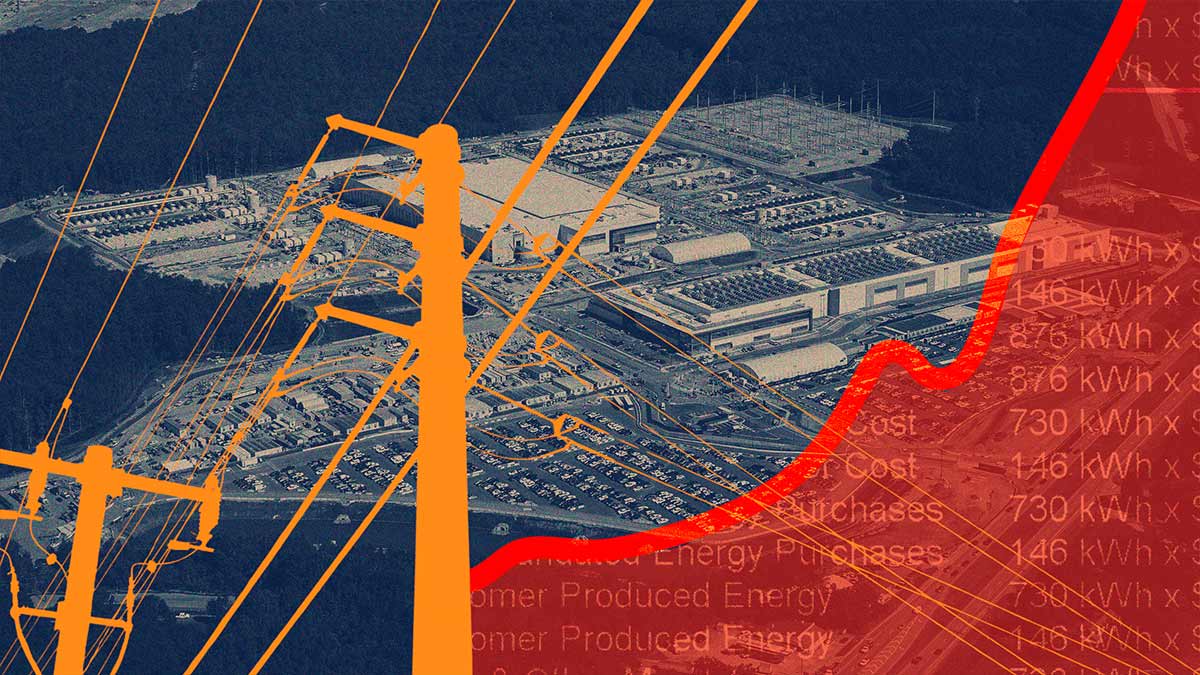
As tech companies race to build data centers, more communities are pushing back
Concerns about electricity bills and local impacts are fueling bipartisan opposition to the massive data centers that power the digital economy, from cloud services to AI chatbots. In Wisconsin, as in other states, the tussles are personal – and fraught.
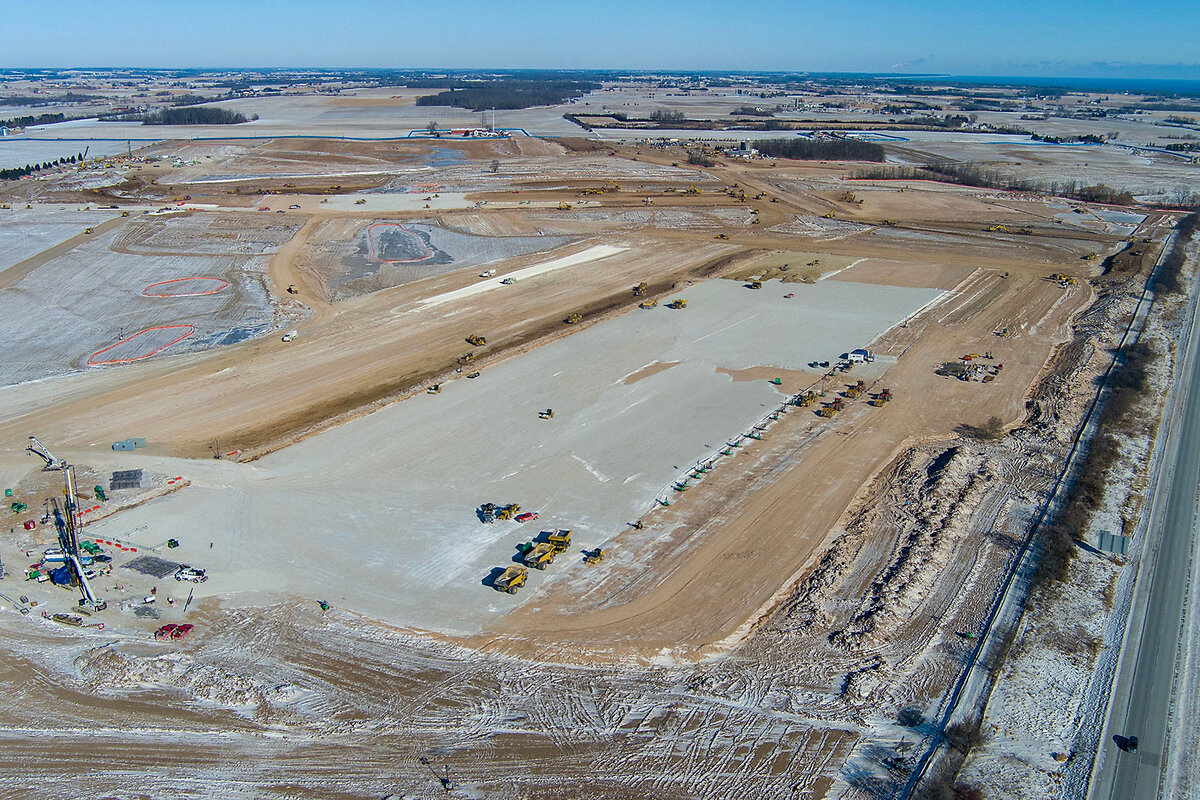
US views of how data centers affect the environment, energy costs, jobs and more
A broad majority of Americans have heard about data centers – the often-sprawling computing facilities that are popping up nationwide. But the public has mixed opinions about data centers’ impact…

Health-Informed Computing: Estimating and Addressing the Public Health Impact of Data Centers
The surging demand for artificial intelligence (AI) has led to a rapid expansion of energy-intensive data centers, contributing to criteria air pollutant emissions and raising public health concerns that have received comparatively limited attention in sustainability assessments. This paper introduces a principled methodology to model air pollutant emissions for data centers and estimate the public health impacts. Our findings reveal that the growing demand for AI and computing technologies is projected to push the total annual public health burden of U.S. data centers up to more than $20 billion in 2028. Although national-level impacts remain modest, data center health costs are unevenly distributed: in the most affected counties, the estimated per-household health burden can reach about seven times the national average. Next, we propose a health-informed computing framework that explicitly incorporates public health impacts into data center resource management across space and time, mitigating public health costs while supporting environmental sustainability. More broadly, we recommend extended energy reporting to include public health impact of data centers and paying attention to all impacted communities.

Health-Informed Computing: Estimating and Addressing the Public Health Impact of Data Centers
The surging demand for artificial intelligence (AI) has led to a rapid expansion of energy-intensive data centers, contributing to criteria air pollutant emissions and raising public health concerns that have received comparatively limited attention in sustainability assessments. This paper introduces a principled methodology to model air pollutant emissions for data centers and estimate the public health impacts. Our findings reveal that the growing demand for AI and computing technologies is projected to push the total annual public health burden of U.S. data centers up to more than $20 billion in 2028. Although national-level impacts remain modest, data center health costs are unevenly distributed: in the most affected counties, the estimated per-household health burden can reach about seven times the national average. Next, we propose a health-informed computing framework that explicitly incorporates public health impacts into data center resource management across space and time, mitigating public health costs while supporting environmental sustainability. More broadly, we recommend extended energy reporting to include public health impact of data centers and paying attention to all impacted communities.
Air Pollution and the Public Health Costs of AI
A new study by Caltech and UC Riverside uncovers the hidden toll that AI exacts on health throughout its lifecycle, from chip manufacturing to data center operation.

People Hate Datacenters, Survey Finds
The data drops as Sen. Bernie Sanders calls for a moratorium on datacenter construction. 'We need to take a deep breath. We need to make sure that AI and robotics work for all of us, not just a handful of billionaires.'
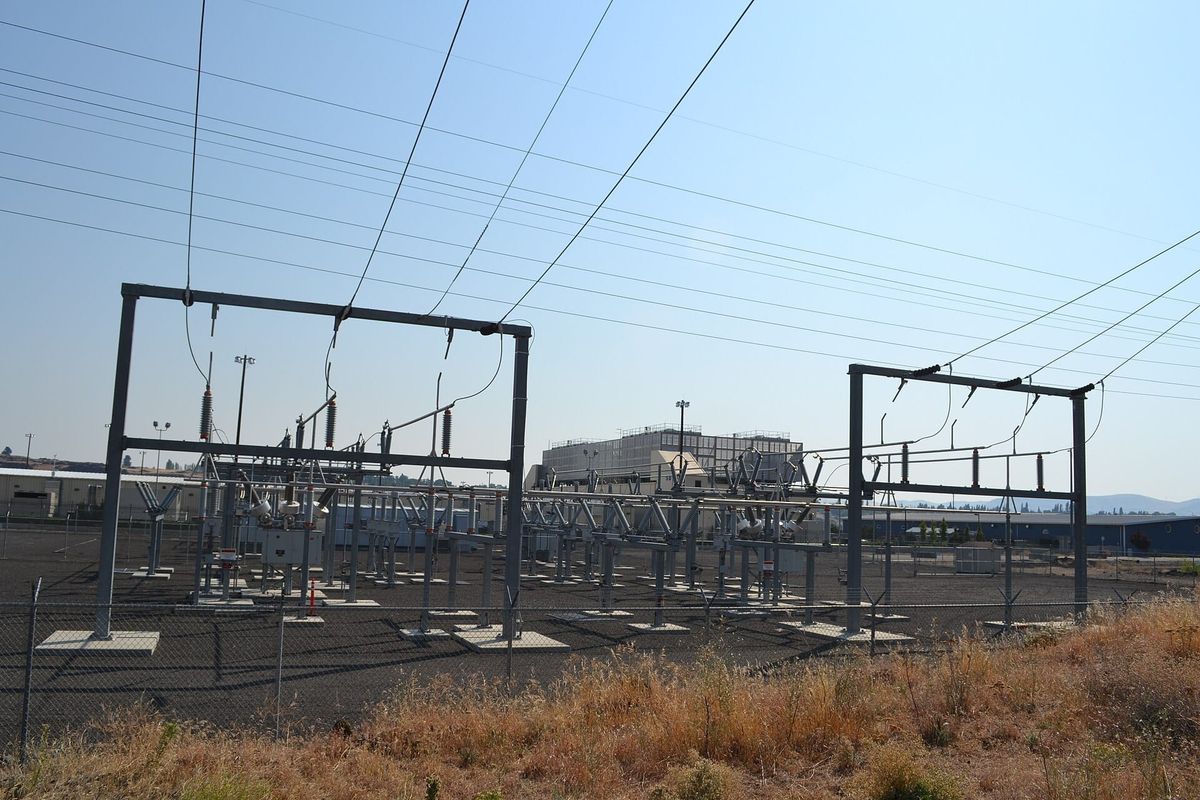
Thinking about other industries like we think about data centers shows how impoverished the debate is
Clumsy, arbitrary environmental ideas ignore the incredible complexity of the systems modern society depends on

Abundance vs. Scarcity: Who Controls the Internet After AI?
AI is straining the open web, forcing a choice between abundance with redistribution and scarcity built on paywalls, writes Paul Keller.

Rural America is resisting the surge in data center construction
Many rural communities are viscerally opposed to AI infrastructure.

In the face of rampant AI, is ‘data poisoning’ a new form of civil disobedience?
Boycotts, sabotage and other types of civil disobedience have long served collective action against injustice.

In the face of rampant AI, is ‘data poisoning’ a new form of civil disobedience?
Boycotts, sabotage and other types of civil disobedience have long served collective action against injustice.
Toward People’s Community Control of Technology: Race, Access, and Education
This field review explores how the benefits of access to computing for racialized and minoritized communities has become an accepted fact in policy and research, despite decades of evidence that technical fixes do not solve the kinds of complex social problems that disproportionately affect these communities.

From Chile to the Philippines, meet the people pushing back on AI
Individuals and communities are resisting the demands and practices of Big Tech's AI infrastructure — such as data centers and digital labor — due to their environmental and social costs.

AI Is A Money Trap
In the last week, we’ve had no less than three different pieces asking whether the massive proliferation of data centers is a massive bubble, and though they, at times, seem to take the default position of AI’s inevitable value, they’ve begun to sour on the idea that

The UK tech energy grab: how AI data centres are delaying the building of homes
Artificial intelligence infrastructure is being handed priority access to Britain's overwhelmed electricity grid, pushing housing down the list. But as the US shows, there's an alternative: make Big Tech pay for the power it needs. Report by Nicole Kobie