


Monitor LA infrastructure projects including wastewater, transportation, municipal facilities, and more.
Megaproject Dashboard — Global Infrastructure Tracker
CityLab - Bloomberg
Bloomberg CityLab reports on the world’s cities, communities, and neighborhoods: How they work, the challenges they face, and the solutions they need.
Civic Dashboard
Toronto City Council shouldn't feel complicated. We make it easy for Toronto residents to track councillor votes and get involved in local decisions.

Alert-driven monitoring | Documentation
Why we believe alerts, not dashboards, are the real core of infrastructure monitoring and how to build a system you actually trust.
Solve Canada — the civic reporting layer for Canadian cities
Solve Canada is the reporting layer underneath Toronto, Mississauga, Milton, Kitchener, and Waterloo. A resident reports a street problem by photo, it reaches the right city desk, and they hear back when it is fixed.

Data Center Proposal Tracker
Explore data center proposals across the United States. Stay informed on AI-driven growth and infrastructure projects shaping the future.

Tools & Projects | Future Cities Institute
fciprojects.ca is the home of FCI's working tools and projects: built alongside municipalities, grounded in economic reality and free to adopt.

Leverage Points: Places to Intervene in a System
By Donella Meadows~ Folks who do systems analysis have a great belief in “leverage points.” These are places within a complex system (a corporation, an economy, a living body, a city, an ecosystem) where a small shift in one thing can produce big changes in everything. This idea is not unique to systems analysis — […]
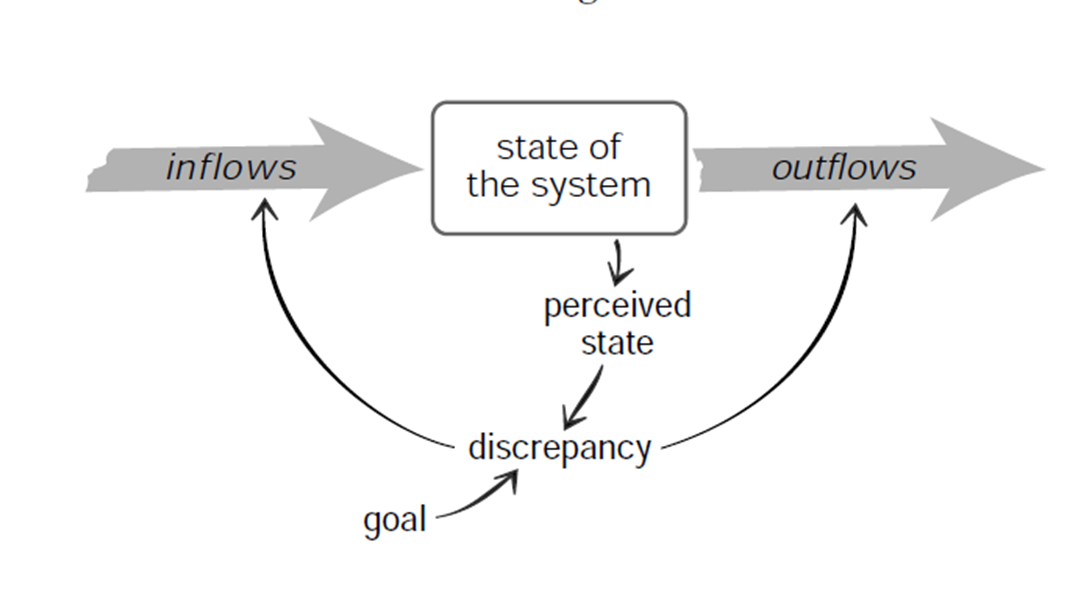
Leverage Points: Places to Intervene in a System
By Donella Meadows~ Folks who do systems analysis have a great belief in “leverage points.” These are places within a complex system (a corporation, an economy, a living body, a city, an ecosystem) where a small shift in one thing can produce big changes in everything. This idea is not unique to systems analysis — […]
Leverage Points: Places to Intervene in a System
By Donella Meadows~ Folks who do systems analysis have a great belief in “leverage points.” These are places within a complex system (a corporation, an economy, a living body, a city, an ecosystem) where a small shift in one thing can produce big changes in everything. This idea is not unique to systems analysis — […]
The City as Platform | David Bollier
In the age of ubiquitous Internet connections, smartphones and data, the future vitality of cities is increasingly based on their ability to use digital networks in intelligent, strategic ways. While we are accustomed to thinking of cities as geophysical places governed by mayors, conventional political structures and bureaucracies, this template of city governance is under great pressure to evolve. Urban dwellers now live their lives in all sorts of hyper-connected virtual spaces, pulsating with real-time information, intelligent devices, remote-access databases and participatory crowdsourcing. Expertise is distributed, not centralized. Governance is not just a matter of winning elections and assigning tasks to bureaucracies; it is about the skillful collection and curation of information as a way to create new affordances for commerce and social life.
Civic Tech Toronto | A space to learn and collaborate
Civic Tech Toronto is a vibrant and diverse community of Torontonians engaged in understanding and creating solutions for civic challenges through technology, design, and other innovative means.

Paris : moins de voies dans le centre, plus de pollution sur le périphérique | blog afse
Contact :Secrétariat de l'AFSE c/o Secrétariat du LEDA-DIAL Université Paris Dauphine Place du Maréchal de Lattre de Tassigny 75116 PARIS
Impact Dashboard - Impact Counter | Impact Counter
Visualize the human impact of funding changes for aid and support organizations.
City Snapshots — For The People
Did you know that Las Cruces, New Mexico spends 870 times more on policing than libraries? Our new publication, Budgets Are Values, gives an overview of how 15 public library systems are funded, governed, and used by communities, and highlights the stark and indefensible contrast between funding for
