


The polycrisis program examines how today’s multiple crises are linked and how the polycrisis could create possibilities for positive outcomes.
Polytunity - The Ideas Letter
“Polycrisis” has become a ubiquitous descriptor for the multisector, intersecting problems afflicting the world—but the term masks the systemic nature of these crises and overwhelmingly reflects Eurocentric voices, priorities, and…

Prefixing the World
Why the polycrisis is a permacrisis, which is actually a metacrisis, which is not really a crisis at all.

Welcome to a Multidimensional Economic Disaster
The AI boom wasn’t built for the polycrisis.

Transformational Pathways to Sustainability Through Polycrisis
Keep up to date with our latest news, events, and other IIASA activities. Sign up.
One shock after another: Why fragile economies are falling further behind?
Fragile and conflict-affected situations (FCS) never fully exited the pandemic recession and now face renewed stress from a major Middle East–driven energy shock. Nearly 60% of FCS economies still have lower real income per capita than in 2019 (vs 18% in other EMDEs), with poverty and food insecurity concentrated in non-recovered countries. The blog points to three main drags—high debt, conflict, and larger disaster losses—and calls for conflict prevention, macro stability, fiscal space, jobs, and sustained support.

John Vervaeke: “The Meaning Crisis: Wisdom, Purpose, and the Search for Coherence” - The Great Simplification
The crises that our world is facing seem to be constantly growing, leading to enormous and devastating systemic effects across the globe.

Nicky Case: The Attractors Behind Disasters
Truth in Inconvenience
What do ZIRP, the AI panic, and the meaning crisis have in common?

CRISES AVERTED. How A Few Past Societies Found Adaptive Reforms in the Face of Structural-Demographic Crises
Historians and social scientists have long been preoccupied with understanding and documenting periods of crisis. Such emphasis is only growing, and becoming more pressing, as the world continues to face a number of interrelated stressors in the form of irreversible climate change, major ecological shocks and disease outbreaks, eruptions of military violence, economic disruptions and deepening inequalities, political polarization and unrest, the rise of authoritarian and nationalist regimes. Crises in these domains are not new, but have been recurrent features of past societies. Although these periods have typically led to massive loss of life, the failure of critical institutions, and even complete societal collapse, there are instances in the historical record of societies managing to turn the tide of crisis even as violence and social turmoil grow. Here, we focus on four such cases of crises mitigated with structural reforms revealed from our previous historical analyses: early Republican Rome, mid-19th century England and Russia, USA during the the late 20th to early 21st centuries. Utilizing structural demographic theory as a lens to explore these cases, we seek to expose the pressures that built up leading to crisis and the early signs of violent confrontation revealed by these societies, as well as to examine the conditions and key decisions made in the midst of this unrest that allowed these societies to turn the tide and enact significant structural adaptations. Our findings have clear relevance to understanding and navigating similar crises in contemporary societies.
The Prospects of a Pluriversal Transition to a Post-Capitalist, Post-C
This book critically engages with a central dilemma facing counter-hegemonic movements as global crises intensify: how to foster systemic change while

Why Crisis Resilience Depends on Epistemic Security
If we want to prevent tomorrow’s crises from spiraling out of control, we must recognize epistemic systems as critical infrastructure, writes Elizabeth Seger.
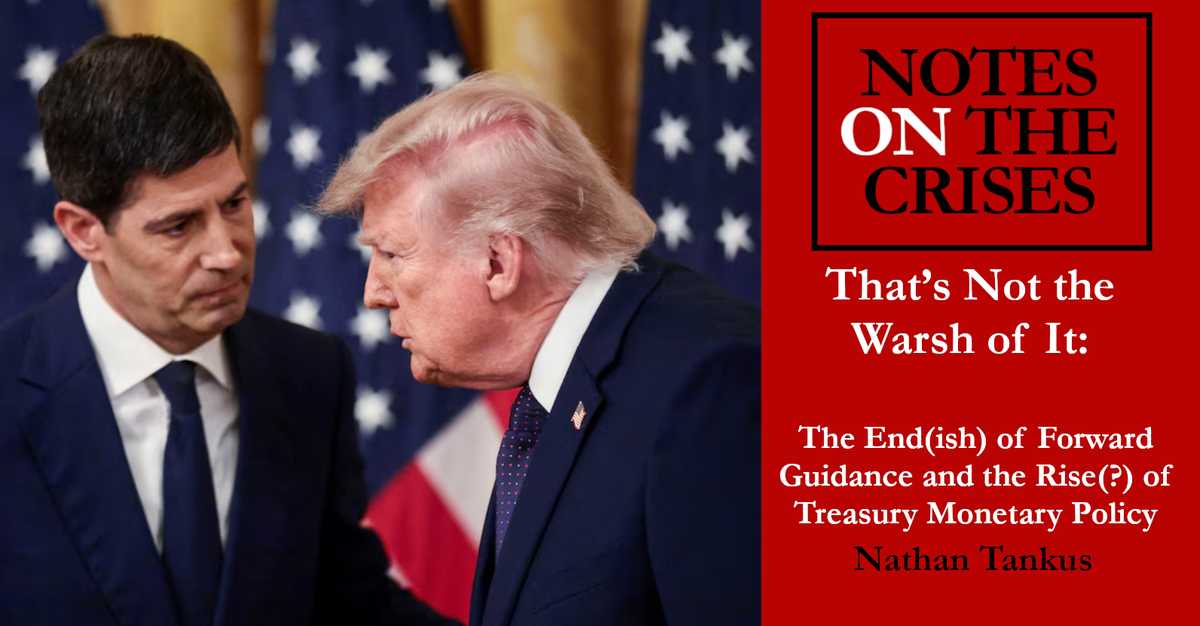
That’s Not the Warsh of It: The End(ish) of Forward Guidance and the Rise(?) of Treasury Monetary Policy
This is a free piece of Notes on the Crises. Take out a paid subscription to support our work here. Publisher Note: I’ve been off for two weeks because of a family medical emergency. Everything is fine now, but as you are likely aware, medical emergencies take up an
Political Scenarios for Climate Disaster - Dissent Magazine
In the Global North we often act as if our future will be a warmer version of today: liberal capitalism, plus flood insurance, minus coral reefs. That future is a fantasy.

"the crucial step in crisis engineering is to re-establish a common view which corresponds to reality – to restore sense-making. Once that step has been taken, actually solving the problem becomes a tractable task, and without it nothing is going to work" -- @dsquareddigest.bsky.social

a failure of sense making
backofmind.substack.comDisaster preparedness (unsorted)

Related to disaster preparedness but not direct references. May be sorted into more specific collections in the future
Disaster preparedness in the US
Starting with some articles I saved during/after the January 2025 wildfires in Southern California

【お知らせ】防災に関する調査(2026年)備え・実践編
【お知らせ】防災に関する調査(2026年)意識編
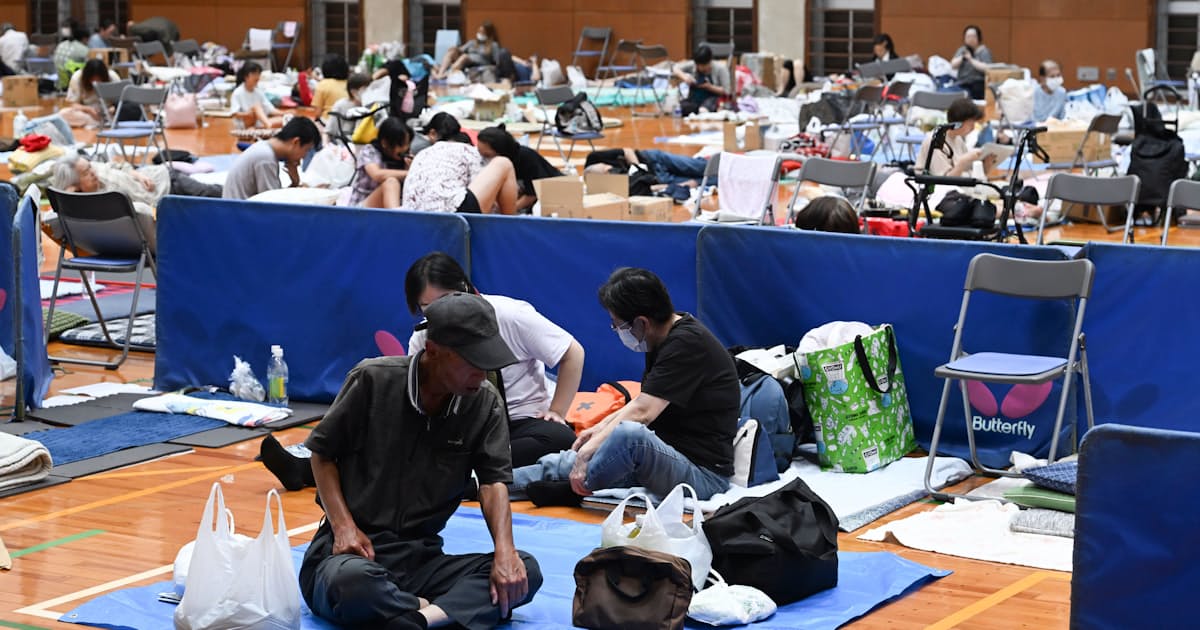
災害時「避難しない」4人に1人 20〜30代で特に高く
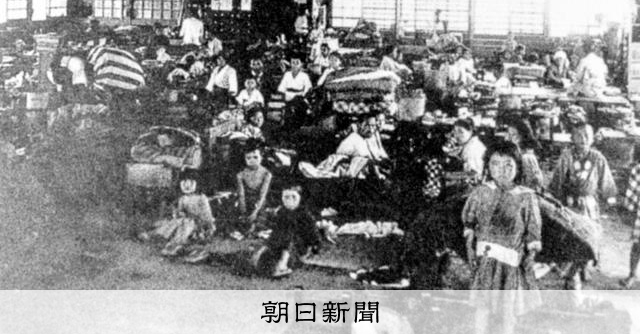
1世紀前と変わらぬ避難所の雑魚寝 災害大国日本でなぜ繰り返すのか:朝日新聞
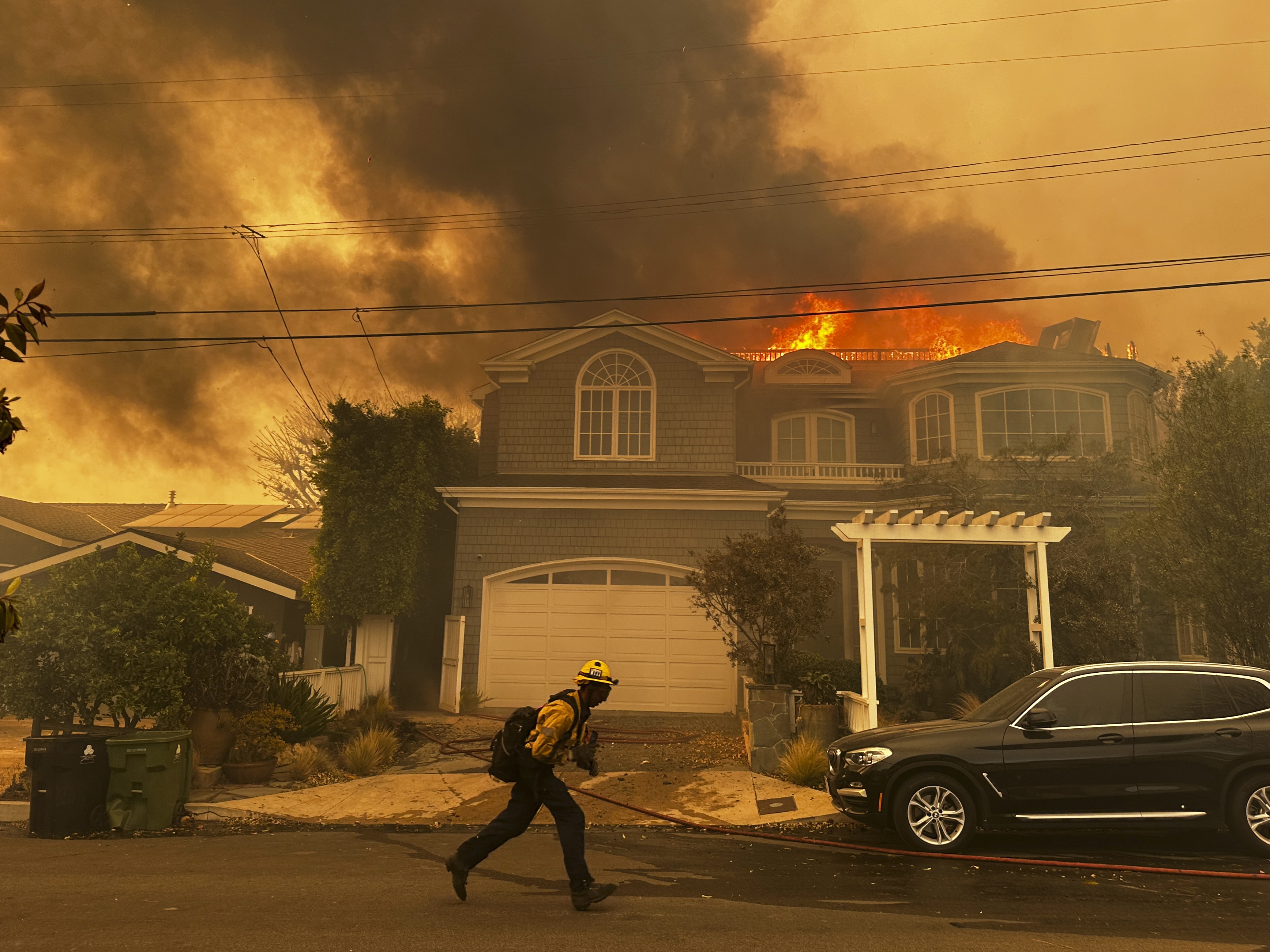
Cheat Sheet: These are the steps fire victims need to take to make an insurance claim
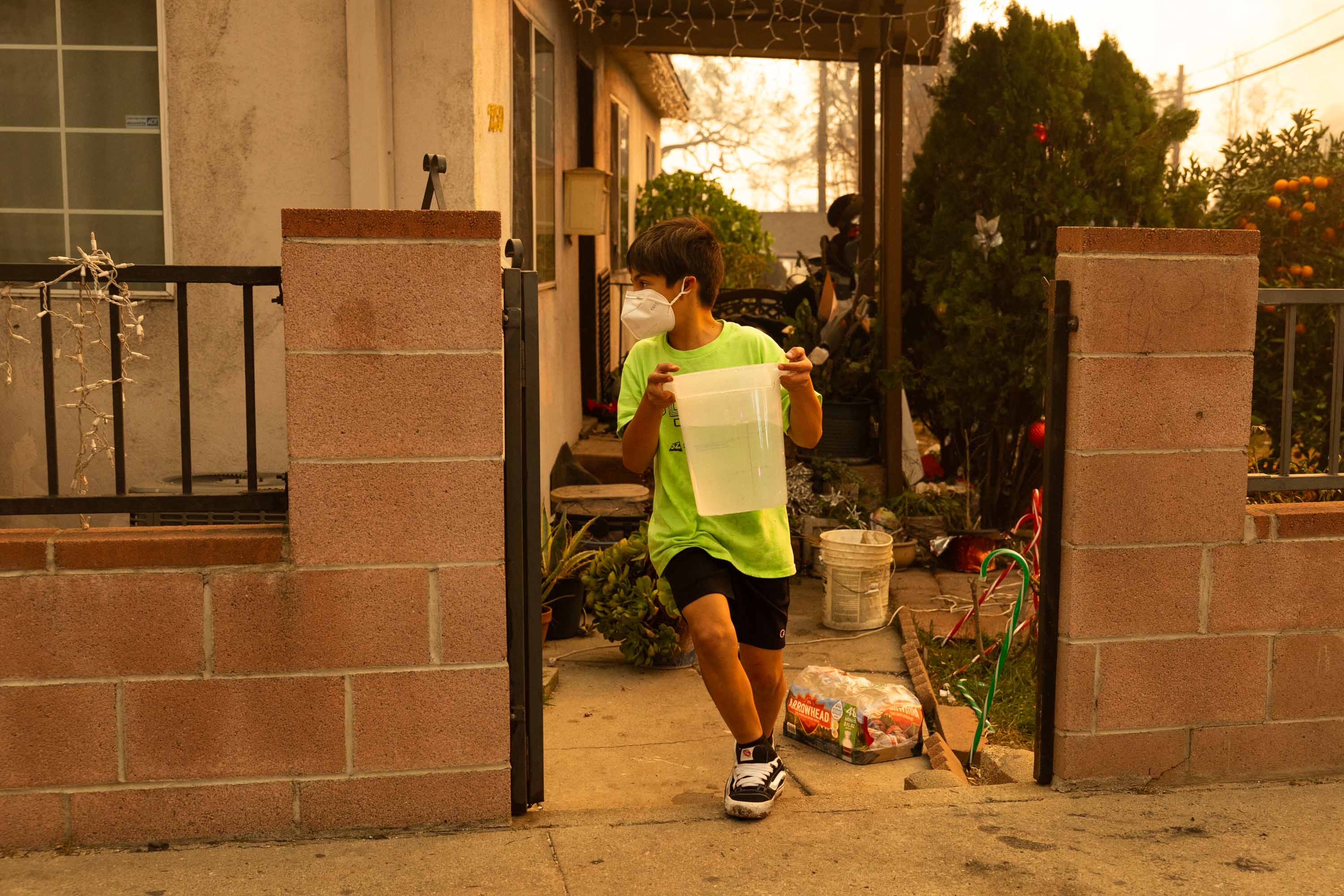
What to do — and not do — when you get home after a fire evacuation
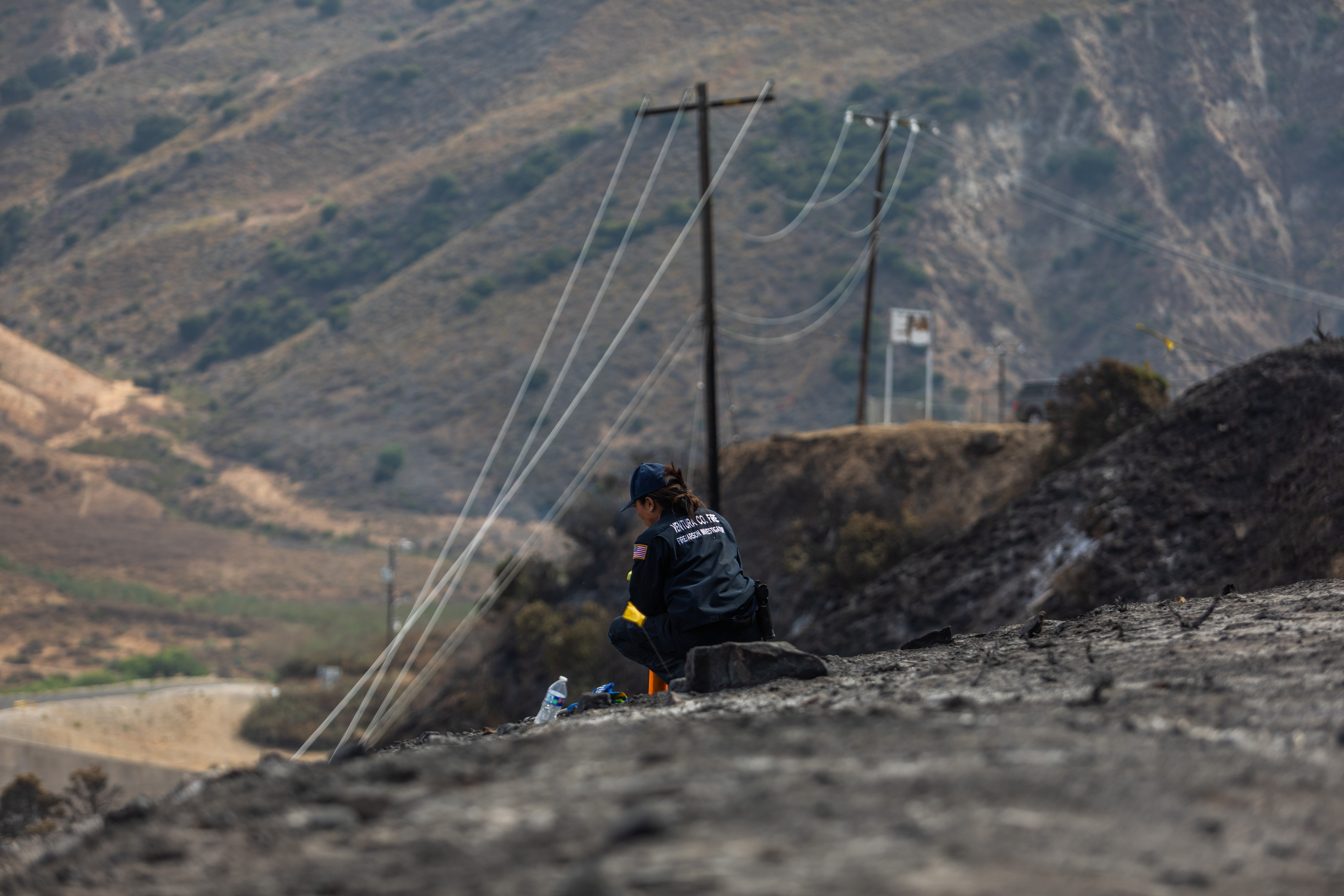
High winds and fires mean power outages. Here's how to prep
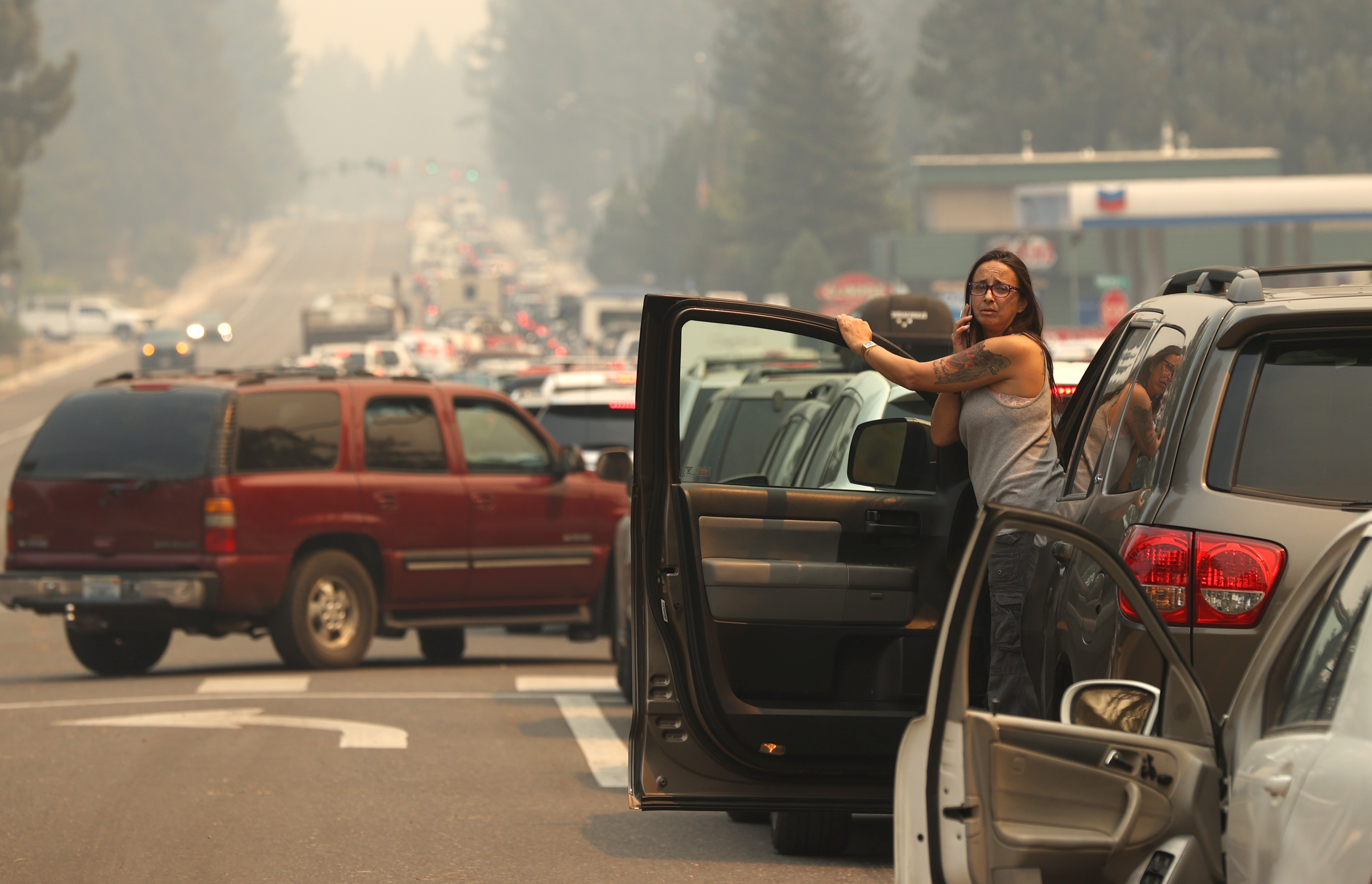
Evacuation terms can be confusing. Here’s what they mean and how to sign up for alerts
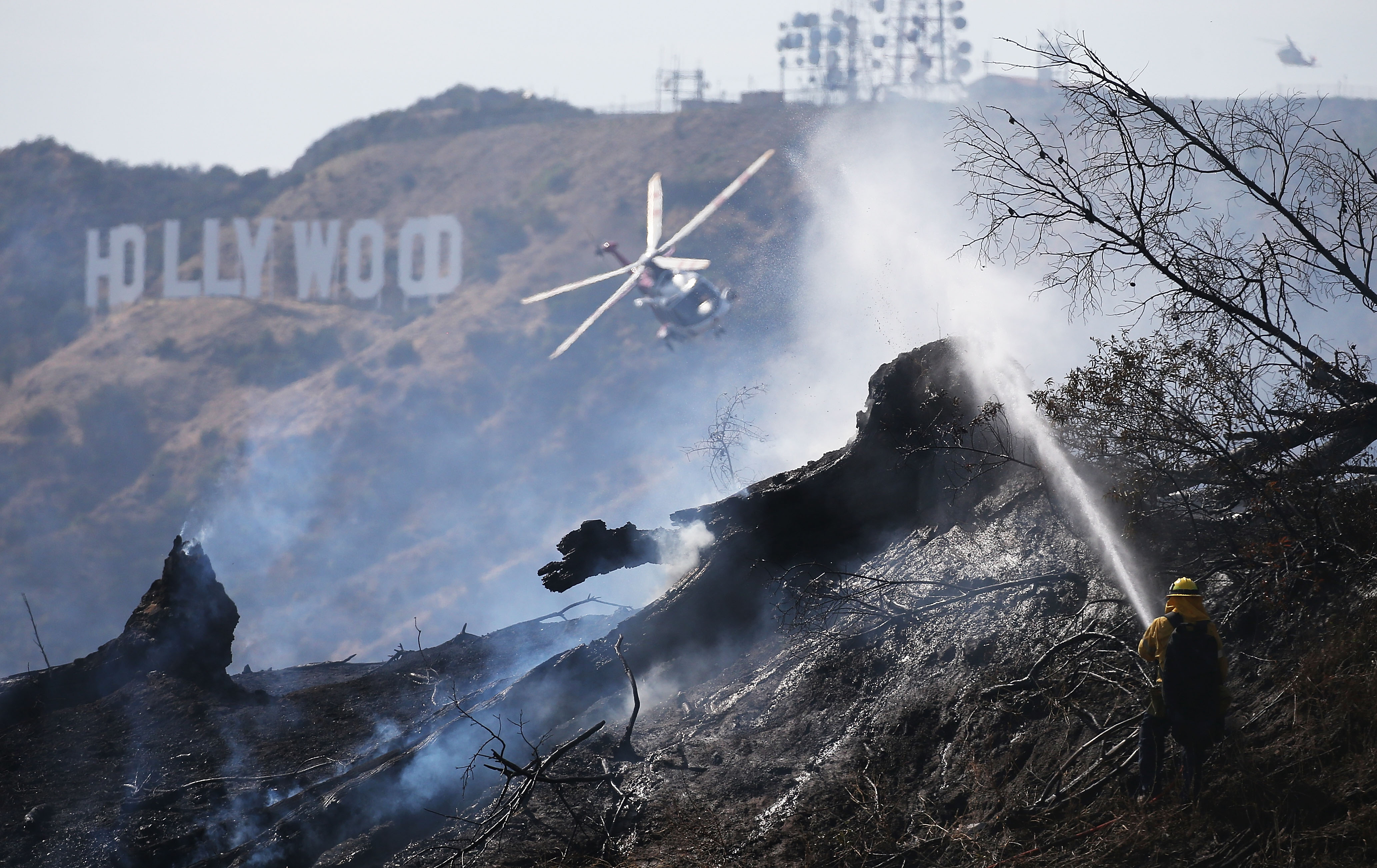
Every day is now fire season. Let's get you ready for the next wildfire burning near you
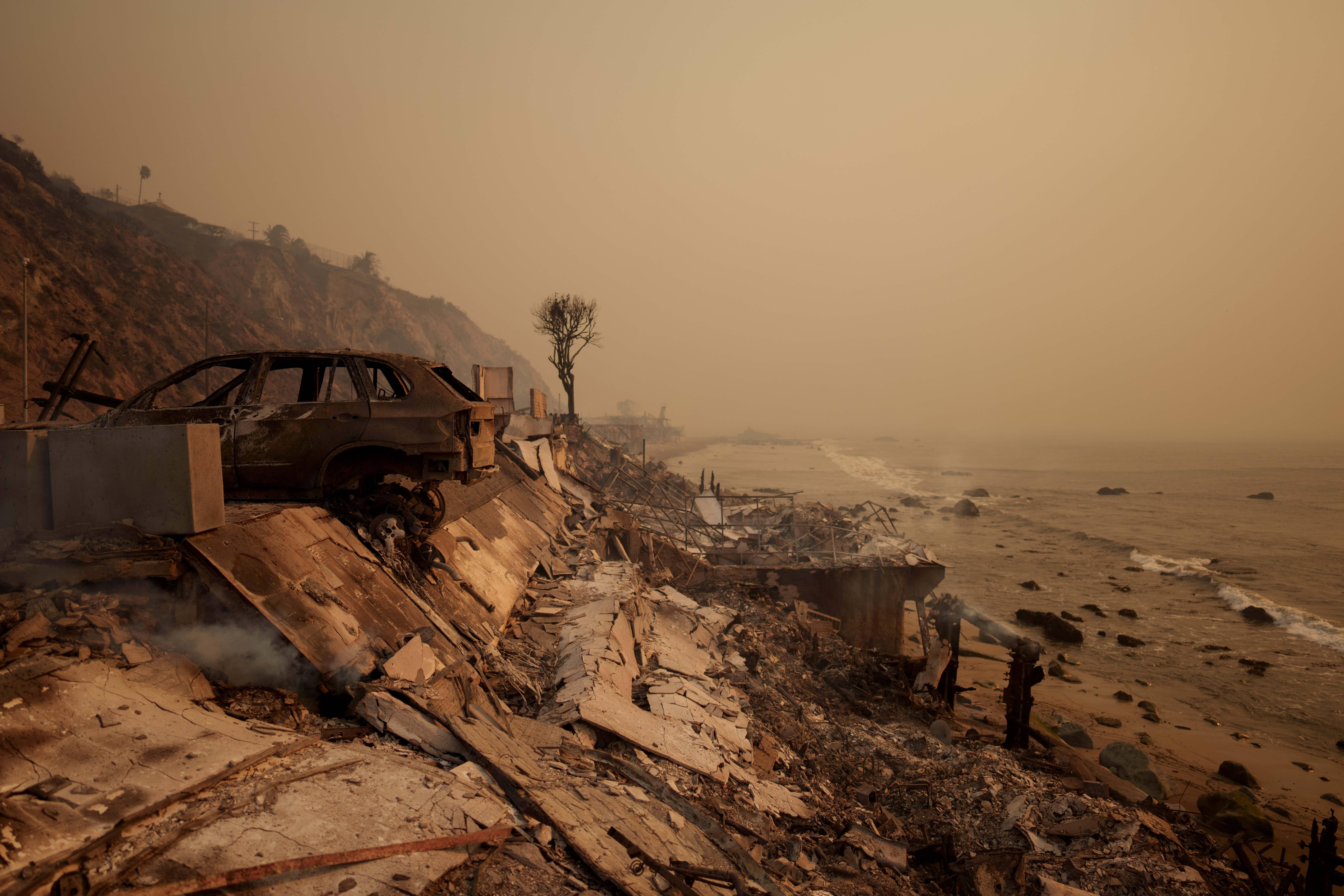
Cheat sheet: A quick roundup of SoCal fire coverage and safety resources
