

Kanawha Design Studio is a design, technology and business consultation firm dedicated to supporting collaborative communities – coworking, coliving, artists and maker spaces – with the tools they need to be healthy and successful
DesignABetterBusiness.tools | Tool Overview
Search and download all of the tools from the book Design A Better Business
Bao To - Design Engineer & Product Maker
Portfolio of Bao To. Building AI-focused products, design systems, and innovative tools.
Design System | TanStack
The TanStack Design System — living design tokens and components.

BIS Publishers | Convivial Toolbox
This book introduces an emerging domain of design research that is of immense interest today: Generative design research. This is an approach to bring ...

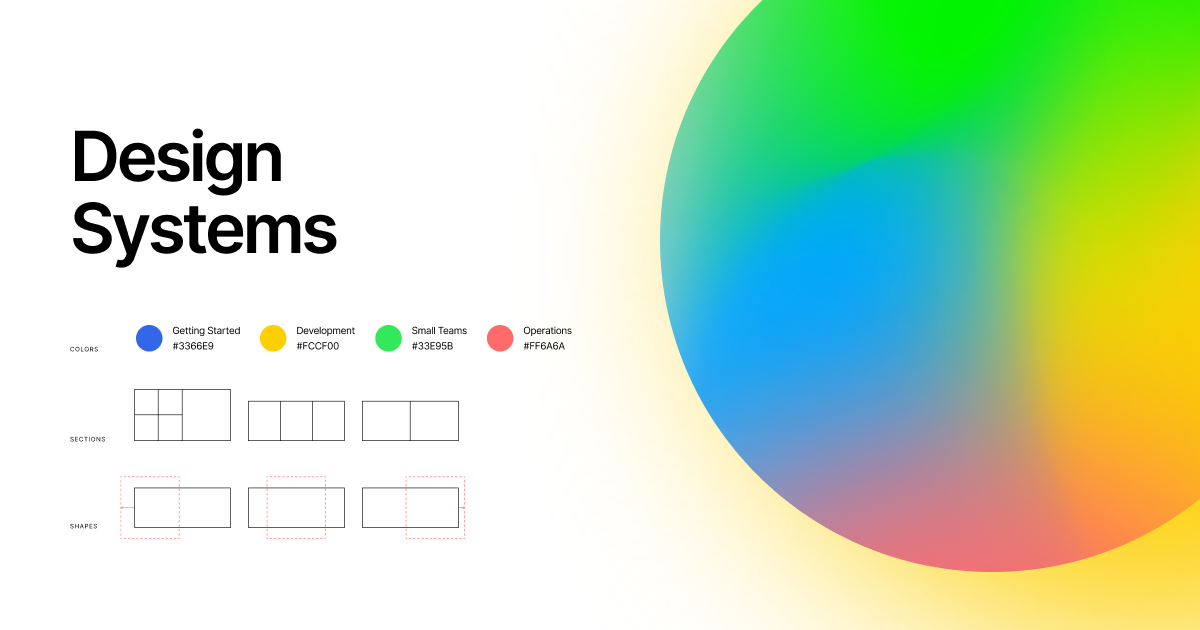
Open design systems from the Figma Community
Browse and download design systems files—all open and free on the Figma Community
Reporting on the Development of a Web-Based Prototype Dashboard for Construction Design Managers, Achieved through Design Science Research Methodology (DSRM)
Construction Design Management (DM) involves the coordination of design processes and activities to ensure quality project design, yet it involves many challenges. This study reports on a collaborative Knowledge Transfer Partnership (KTP) project with a Case Study Organization (CSO) that tackled several issues faced by construction design managers. Employing a design science research methodology (DSRM), qualitative analysis of semi-structured interviews with purposefully identified design managers uncovered real-world concerns around design co-ordination and performance monitoring. To address these concerns, a web-based design management prototype dashboard was developed using typical project data to aid in the management of design coordination, task prioritization, and reporting functionalities. The web-based Design Management prototype dashboard enhances design management productivity in construction firms by monitoring design production, assessing designer performance trends, and focusing on Technical Queries (TQs) and Requests for Information (RFIs). Digitalizing selected design management processes improves efficiency and productivity. The visual reporting of the dashboard enables design production monitoring at project and portfolio levels, assesses trends in designer performance, and maintains focus on TQs and RFIs. Demonstrating how web-based Design Management dashboards can enhance productivity, this study emphasizes practical solutions derived from employing a design science research methodology. The development and application of the web-based dashboard contribute to the growing evidence that employing design science research methodology in construction can yield tangible solutions to address real-world construction concerns.

COMMUNITY-BASED, HUMAN-CENTERED DESIGN
We propose a radical change in design from experts designing for people to people designing for themselves, leveraging the creativity of communities to solve their own problems. People in communiti…

Co-Design
Co-design means the people affected by a design hold power over it — from the beginning, not at the end. Co-design isn't consultation at the testing stage. It is power-sharing at the architecture stage.

Design: A powerful but neglected marketing tool
Design is a potent marketing tool that can be used to gain competitive distinctiveness and provide consumer satisfaction. But with few exceptions, most companies neglect or mismanage design as a marketing tool. The authors describe what constitutes good design; how companies can employ design to enhance their products, environments, communications, and corporate identity; and how companies can improve the working relationship between designers and marketing people. The article includes two audit instruments which companies can use for measuring company design sensitivity and design management effectiveness. Design (Entwurf und Gestaltung von Produkten) ist ein wirksames Marketinginstrument im Rahmen der Konkurrenzstrategie und zur Erhöhung der Konsumentenzufriedenheit. Mit einigen Ausnahmen jedoch vernachlässigen die meisten Unternehmungen das Design als Marketinginstrument oder setzen es schlecht ein. Die Autoren beschreiben, wodurch sich ein gutes Design auszeichnet, wie Unternehmungen das Design zur Aufwertung und Verbesserung ihrer Produkte, zur Abgrenzung in ihrer Umwelt und in ihrer Kommunikationspolitik und im Bereiche der Corporate Identity einsetzen können. Ferner zeigen die Autoren, wie die Unternehmungen die Zusammenarbeit zwischen den Produktgestaltern (designers) und den Marketingspezialisten verbessern können. Der Beitrag zeigt zwei Kontrollinstrumente für die Unternehmung zur Abschätzung der Design-Empfindlichkeit von Unternehmungen und zur Messung der Effizienz des DesignManagements (Handhabung der Produktgestaltung).
A Framework for Finding A Design Partner | Andreessen Horowitz
Design partners, or the first few users of a company's software, are often a key part of the early software development process.

Design.dev — Web Design & Development Resources
Web Design & Development Resources. Code generators, cheat sheets, and resources to boost productivity.

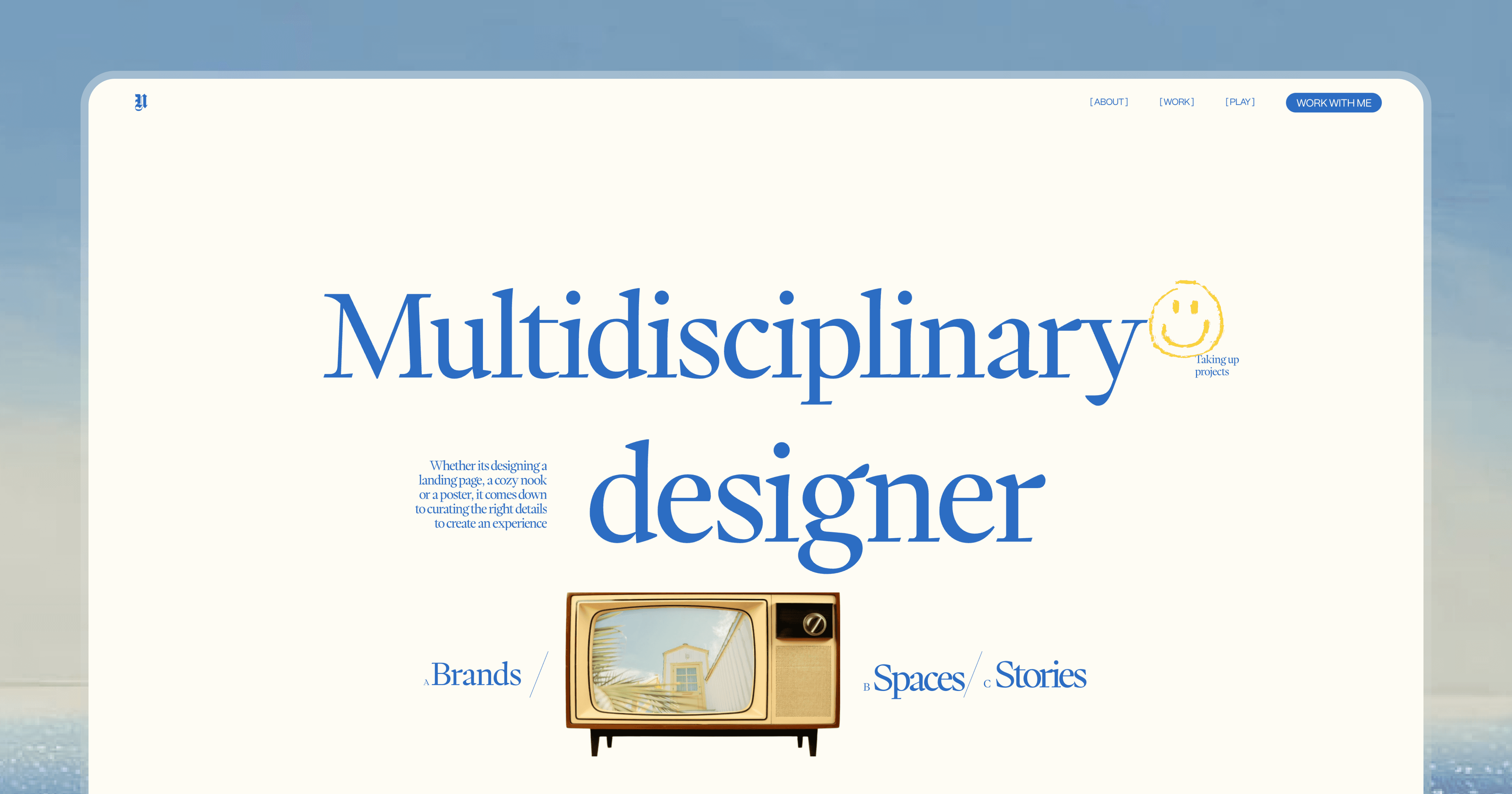
Portfolio of Work | Nivedha Nirmal
A curated mix of brand identities, digital design, and experiments - crafted with clarity and taste, reflecting my approach to design.
Design* tools

Not necessarily *design* design (also includes links related to web design in a broad sense or maybe even just like, posting things online)

Editable — the website you can edit on the page
Figma Plugins for Design Systems (by B. Prendergast) — Semble
human.json
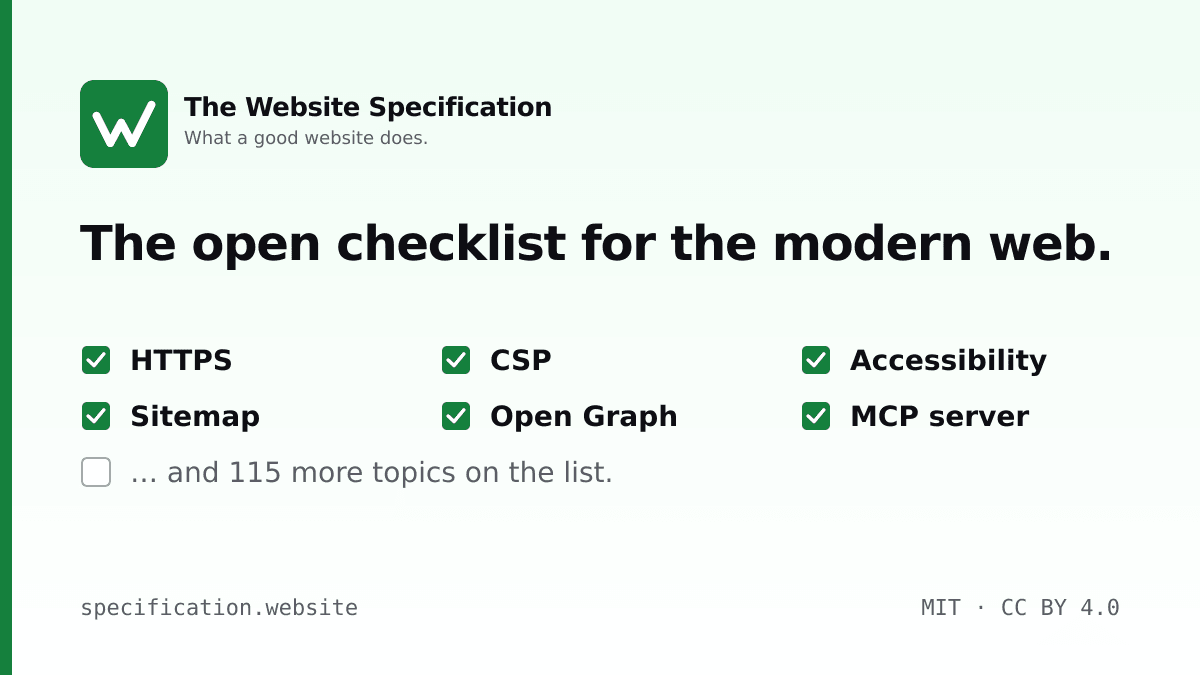
The Website Specification
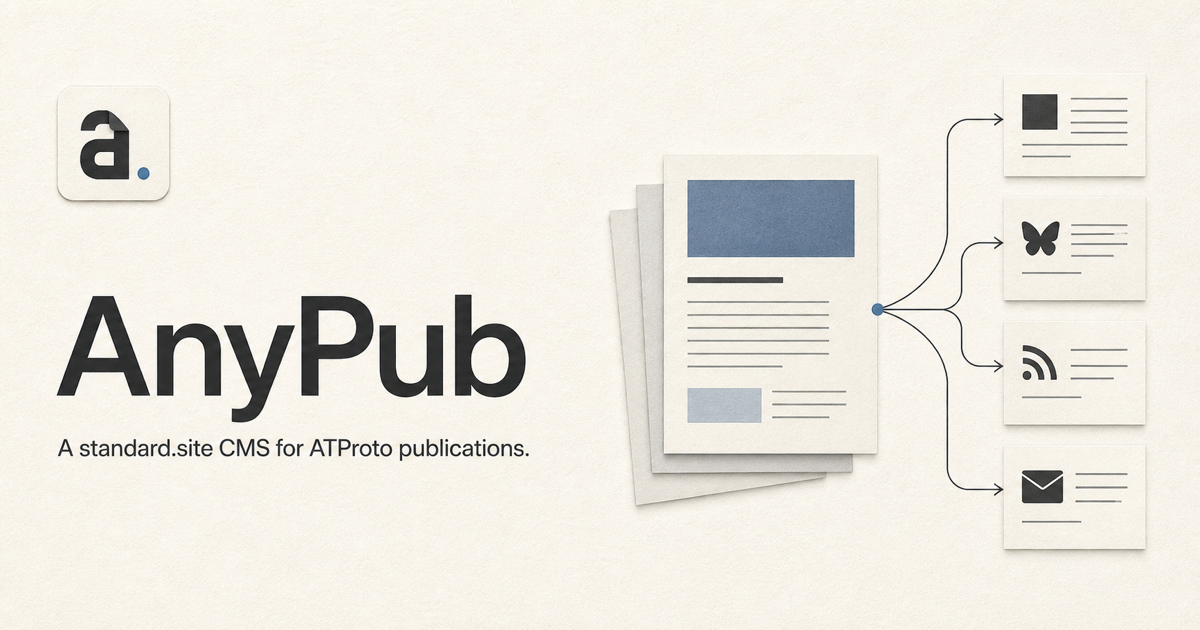
AnyPub

clipart.studio — magazine collage maker