


Product Design & Automation Systems
Why We Need to Know Cybernetics // Part I
Introduction & Examples, from Personal Health to Product Design
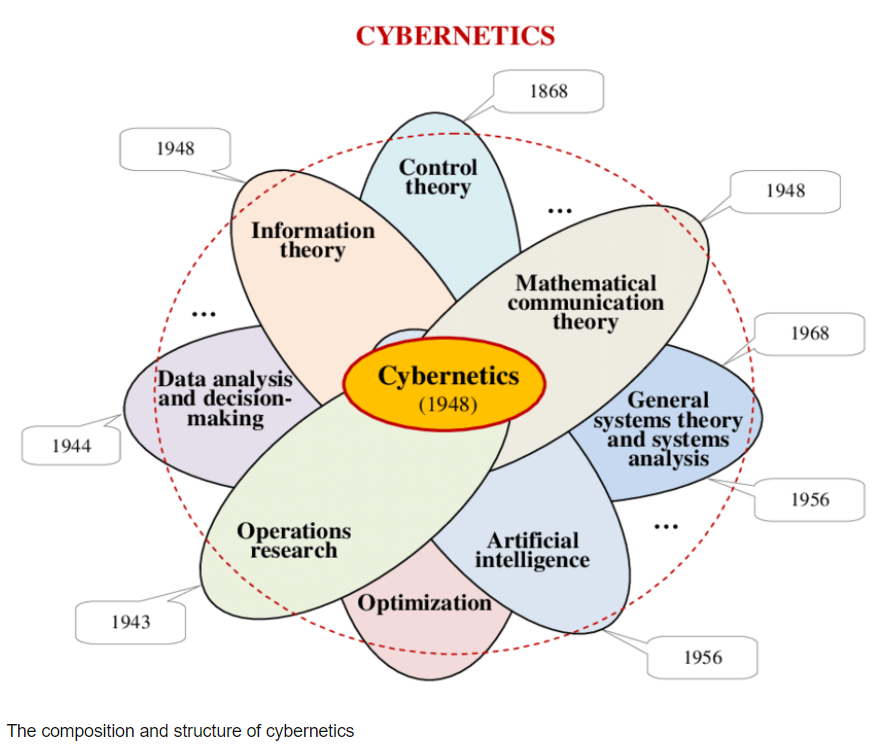
Design Cybernetics
This book offers practical guidance for cybernetic processes of design and innovation. It also develops theoretical principles. The authors use accessible, non-technical language, which will help a wide range of readers gain knowledge of this important field.


A product modeling platform for AI-built software
The first version is magic. Auto turns product intent into a durable model your agent can build from as the product evolves.

Why design systems are a single point of failure
Tools and techniques to prevent design system collapse

Behind-the-Design: Meet Copilot
When the system is the product; on crafting the next generation of user experiences

The golden rules of agent-first product engineering
Five principles for building products that work well for AI agents and MCP servers.
Why Tech Needs More Designers With Disabilities
A life-threatening encounter with AI technology convinced me that the needs of people with disabilities need to be engineered into our autonomous future.


Designing Automation Systems to Be Calm: Five Principles
A Future for AI & Automation We Can Live With, Part III
I lost my UX career to AI (I'm done)
AI companies are pivoting from creating gods to building products. Good.
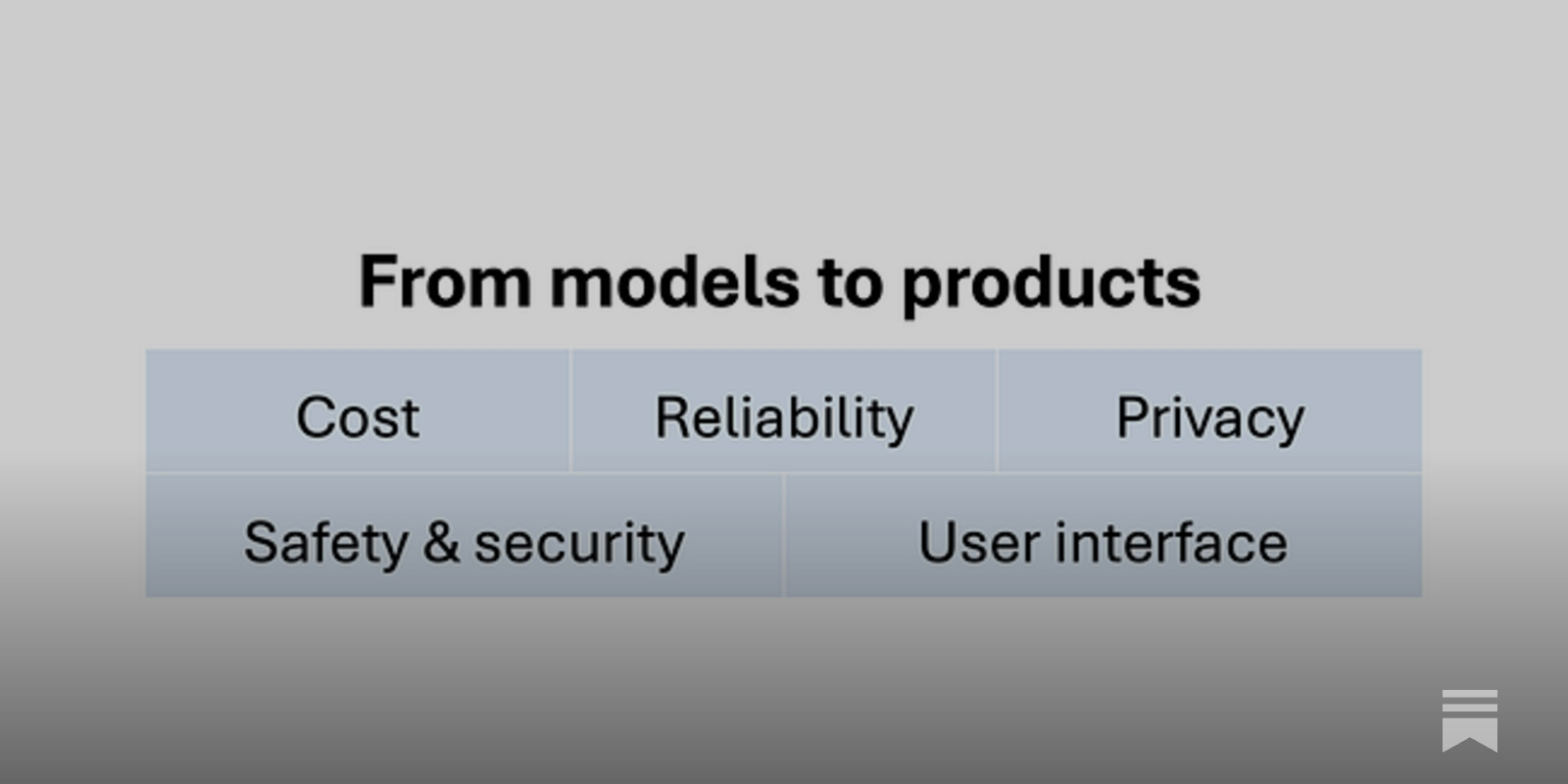
Turning models into products runs into five challenges
the new product designer (and why we’re getting it wrong)
Bring a Product Manager Mindset to Your Next Engineering Job
The age of AI demands strong ideas, data driven methods, and experimentation

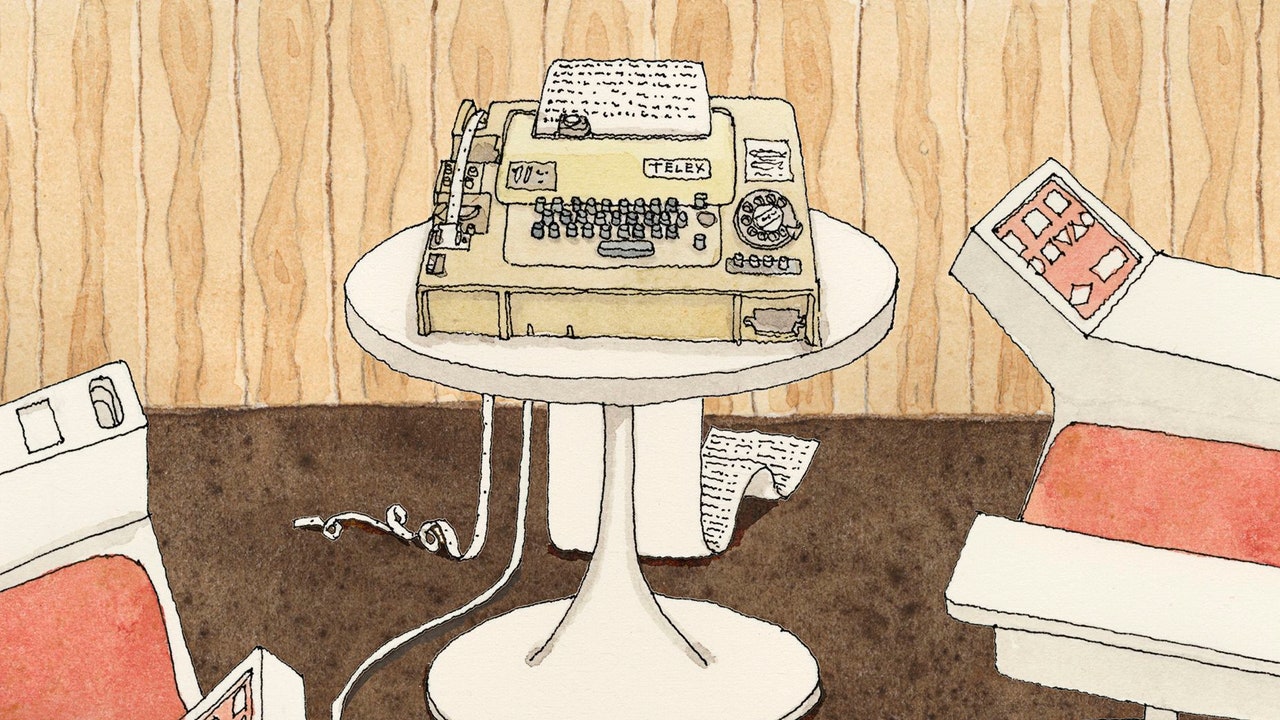
The Planning Machine
Evgeny Morozov on how the ideas behind Project Cybersyn, a futuristic experiment in cybernetics from nineteen-seventies Chile, still shapes technology.
Human-Centered Artificial Intelligence: Three Fresh Ideas
Human-Centered AI (HCAI) is a promising direction for designing AI systems that support human self-efficacy, promote creativity, clarify responsibility, and facilitate social participation. These human aspirations also encourage consideration of privacy, security, environmental protection, social justice, and human rights. This commentary reverses the current emphasis on algorithms and AI methods, by putting humans at the center of systems design thinking, in effect, a second Copernican Revolution. It offers three ideas: (1) a two-dimensional HCAI framework, which shows how it is possible to have both high levels of human control AND high levels of automation, (2) a shift from emulating humans to empowering people with a plea to shift language, imagery, and metaphors away from portrayals of intelligent autonomous teammates towards descriptions of powerful tool-like appliances and tele-operated devices, and (3) a three-level governance structure that describes how software engineering teams can develop more reliable systems, how managers can emphasize a safety culture across an organization, and how industry-wide certification can promote trustworthy HCAI systems. These ideas will be challenged by some, refined by others, extended to accommodate new technologies, and validated with quantitative and qualitative research. They offer a reframe -- a chance to restart design discussions for products and services -- which could bring greater benefits to individuals, families, communities, businesses, and society.