


For example, that universal basic income (UBI) could ameliorate the loss of jobs due to automation, a straw man would be, “So you want people to sit at home all day and collect free money?” Recently, the term has become a cudgel in the culture wars.
Universal Basic Income is Capitalism 2.0 | TimJRobinson
A Universal Basic Income (UBI) would improve everyone’s lives, increase our free time, empower workers, and ensure everyone has food and a roof over their head. These are noble goals, but obviously there’s a downside or it would already be implemented, right?
A Universal Basic Income Is a Poor Tool to Fight Poverty (Published 2016)
In this world where work remains an important social, psychological and economic anchor, there are better tools to help than giving every American a monthly check.

Universal Basic Income Is Silicon Valley’s Latest Scam
The plan is no gift to the masses, but a tool for our further enslavement
The Monsters, Inc. Argument for Unconditional Basic Income
How to convert an economy based on fear to one based on joy

The Future of Not Working (Published 2017)
As automation reduces the need for human labor, some Silicon Valley executives think a universal income will be the answer — and the beta test is happening in Kenya.

My own private basic income
One person’s experience becoming a business owner shows how our economy is based on luck rather than merit and how it rewards people who own stuff rather than people who do stuff.
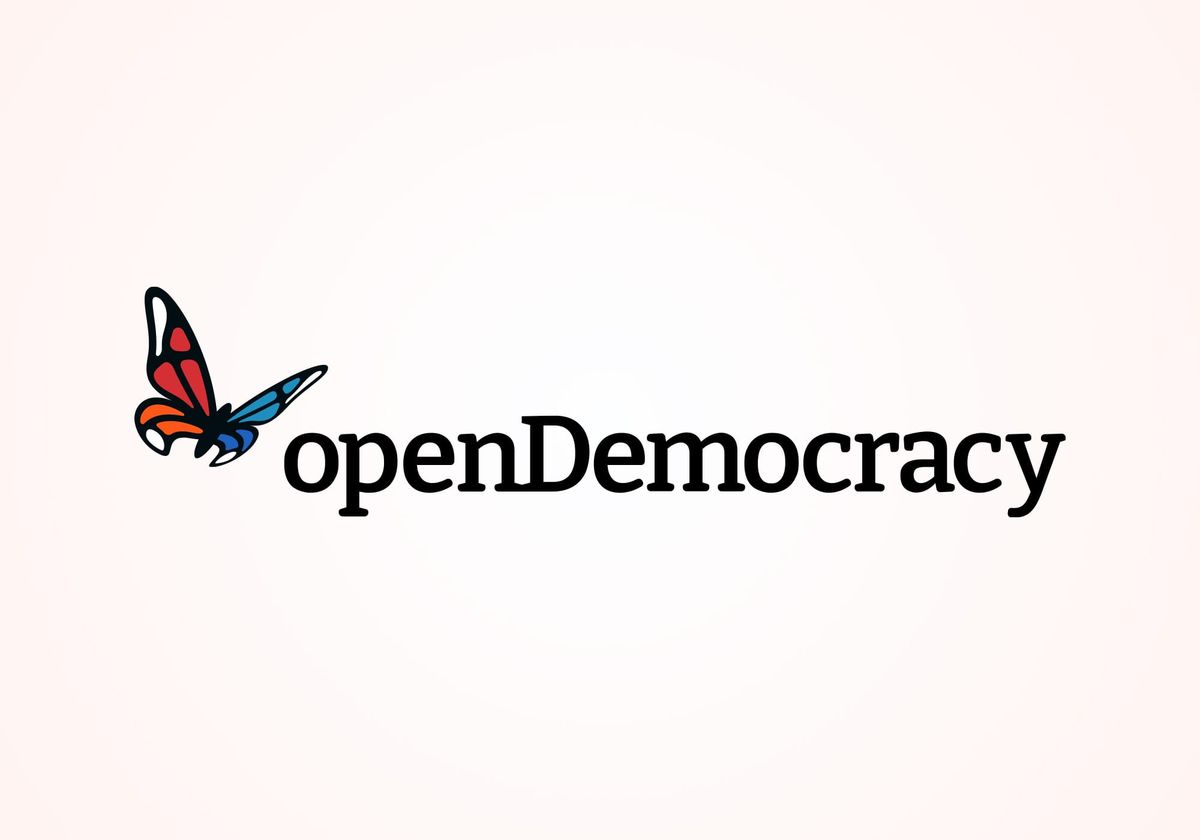
Pivot to People: It’s Time to Build the New Economy
Today’s calls for ethical, humane, responsible, regulated and beneficial technology, compounded with venture capital’s virtue signaling in…
Socialized Proof of Work — Open Indie
There’s an increasing obsession with “humanness” these days: Humanness in the age of AI Worldcoin: a solution in search of its problem (...
Systems: How the Ultra-Wealthy Think About Money - Anil Dash
A blog about making culture. Since 1999.

Preface | The World After Capital
Since publishing the previous version of The World After Capital, I have met with people across the political spectrum to discuss the ideas from the book. When I present these in person, I emphasize that the ideas are neither left nor right but forward (credit to Scott Santens who first used this phrase about Universal Basic Income). My writing, however, at times has alienated readers who identify as being more on the right. In this new edition, I am therefore making an extra effort to emphasize how both my diagnosis of where we are at and my suggestions for how to move forward do not map onto the existing political divides. Instead this is a new way of understanding our challenges and opportunities that can be the basis for movements and parties that are not trapped in Industrial Age ideology.

Cory Doctorow: Hell is other people – so billionaires are using AI to replace them
The tech elite are pouring billions into dispensing with inconvenient humans. Now governments want the same trick to wish away the migrants their economies desperately need, writes the author and Nerve columnist
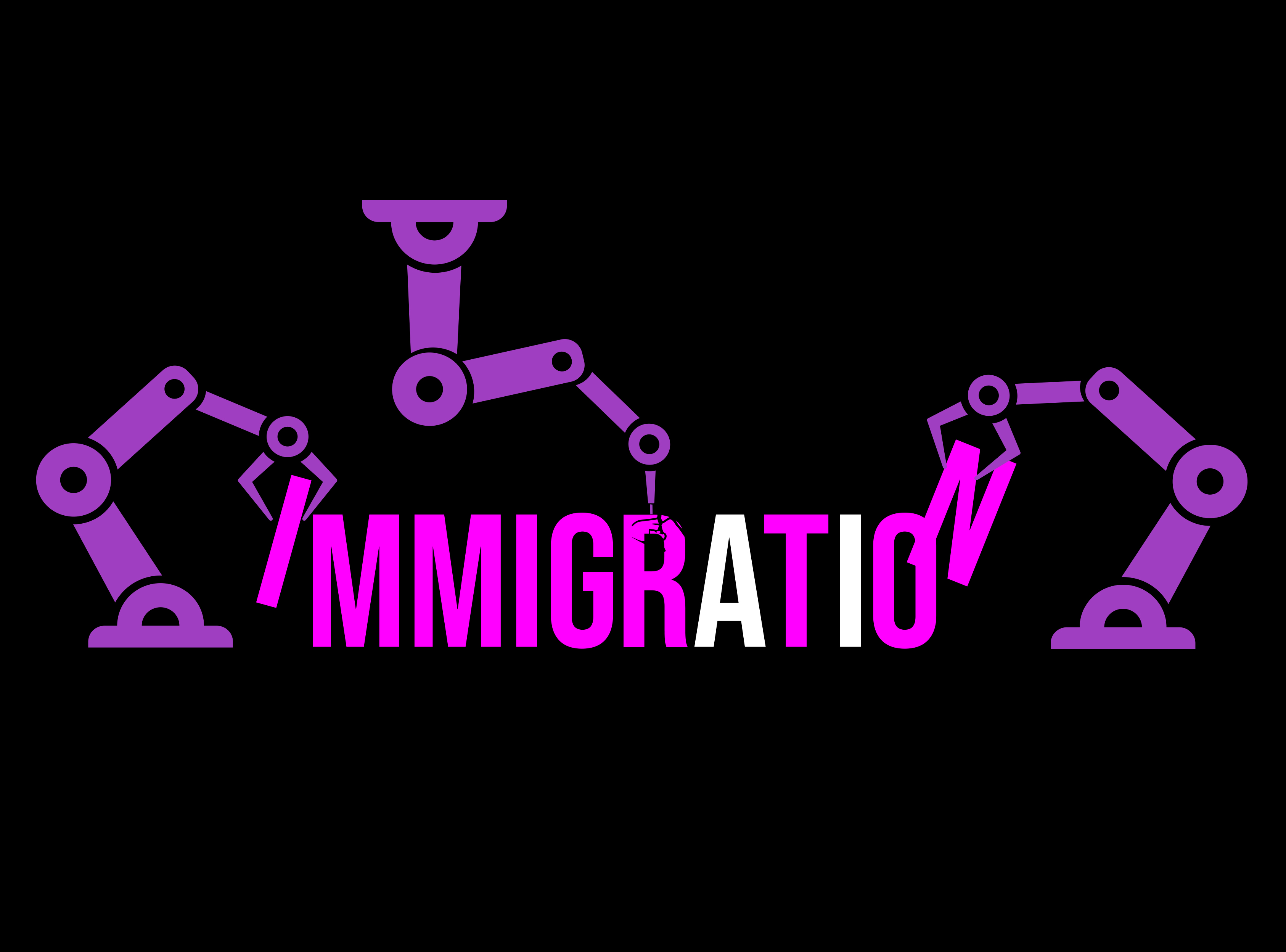
Capitalism Without Humans
As new technologies (not immigrants) replace human labor, "machine breaking" as a tactic of rebellion is taking on a renewed vitality.

AI and the Dangerous Fiction of ‘All Lawful Use’
Dunstan Allison-Hope and Iain Levine argue that human rights commitments are essential for all companies selling their products to governments worldwide.

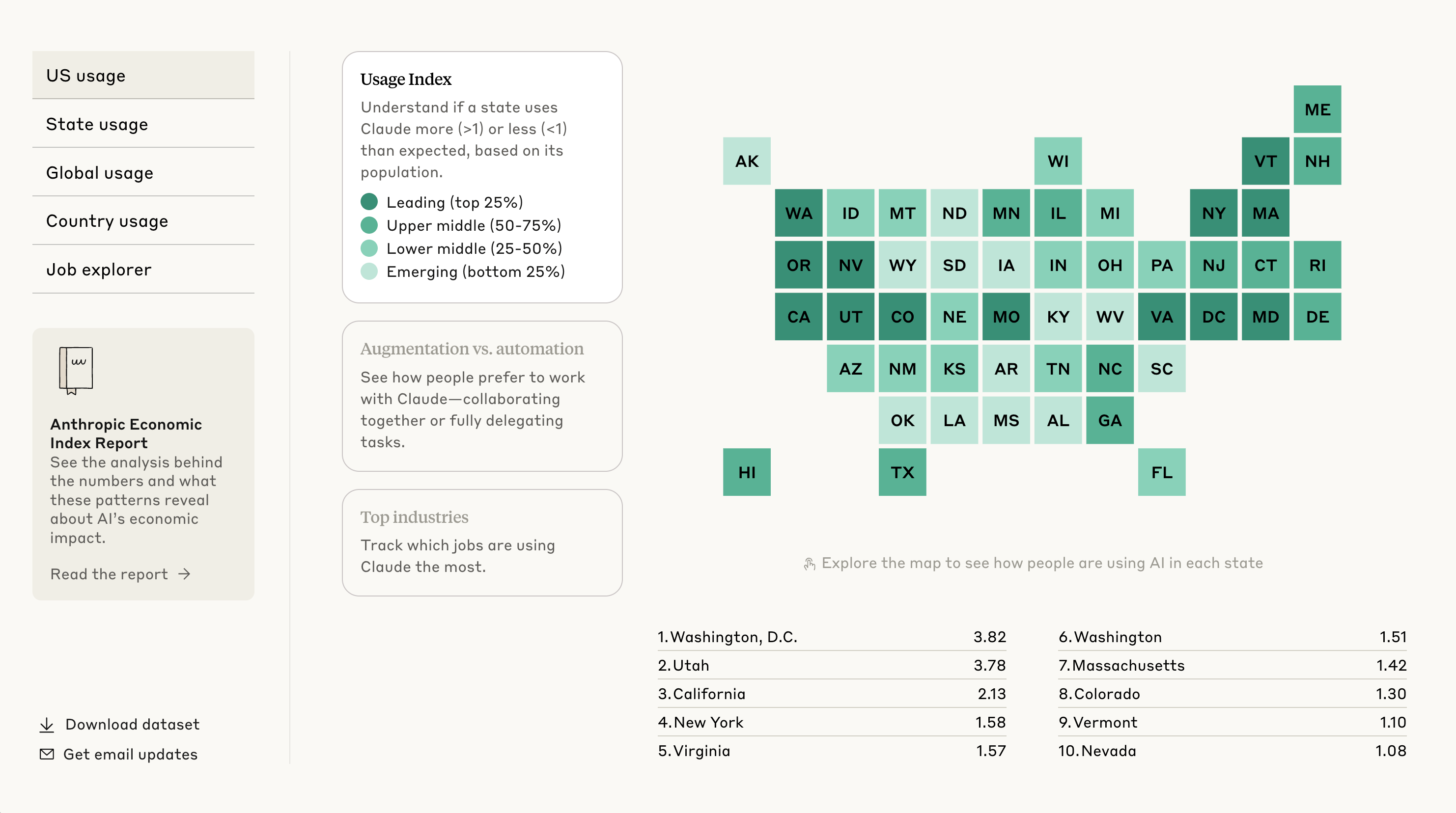
The Anthropic Economic Index
The Anthropic Economic Index reveals the shape of AI adoption across the world. Here, you can explore the data behind our research to understand how people are using Claude across every US state and hundreds of occupations. Track the topics that are trending where you live, and see how people are using AI to augment or automate their work—that is, whether they prefer to collaborate with, or delegate to, Claude.
New from us: Anthropic just published scenarios for AI’s possible economic impacts, which range from minimal, to explosive GDP growth of 15% by 2030 as knowledge-worker unemployment hits 18%. I sat down with their co-founder Jack Clark to pick his brains on how they’re thinking about all of this.
