Analysing how governments address military emissions and conflict impacts in their UNFCCC Nationally Determined Contribution climate plans.
Climate change and conflict: The vicious cycles undermining climate action, and what can be done to break them
Abstract In this review, we synthesize evidence to argue that climate change and conflict are mutually reinforcing. We first examine conflict as a barrier to mitigation, focusing on four faultlines that slow climate action: (a) ideological polarization, (b) “elite versus ordinary people” narratives, (c) intranational, place‐based conflicts, and (d) international disputes. The consequence of these conflicts is worsening climate change, which in turn increases the prevalence of factors known to be conflict amplifiers: heat stress, economic stress, widening inequality, and forced displacement. Our analysis points to the potential for recursive “climate–conflict loops”, fuelled in part by erosion of institutional trust, shrinking moral circles, political polarization, and de‐prioritization of long‐term climate goals. In a spirit of optimism, however, we identify three buffers capable of breaking these vicious cycles: maintenance of procedural and distributive justice, enhancing information integrity, and scaffolding institutional cooperation. We conclude by proposing a research agenda that integrates psychological mechanisms into dynamic, multi‐level accounts of how climate impacts and political conflict coevolve.

Climate Majority Project
Alone, we may feel small, but a majority is a powerful force. Let's stand up and show that people across Britain want proper action on climate.

The climate crisis: a war on the world
The climate crisis is a self-destructive war, with aggressors and victims

The Climate Movement Isn’t in Retreat, It’s Under Attack…and It’s Time to Fight Back | Newsletter
In 2020, a source shared a presentation with me from an internal branding workshop they’d been asked to attend for bp. It was fascinating for a number of reasons, not least because it indicated that the oil major felt genuinely threatened by a surprising new enemy: young people. There have always been ebbs and flows […]
Social Influence and Action — Jen Christiansen
I’m wary of climate solutions that are hyper focused on the action of individuals as opposed to systems and corporations. Do you experience carbon footprint guilt every time you board a plane to visit family too? Well, that whole schema was a product of the PR firm Ogilvy & Mather for British Petroleum. It was an effort to shift focus away from oil companies and onto individual responsibility to lower greenhouse gas emissions. For more, read “The carbon footprint sham” by Mark Kaufman for Mashable in 2021, and “Big oil coined ‘carbon footprints’ to blame us for their greed. Keep them on the hook” by Rebecca Solnit for The Guardian.

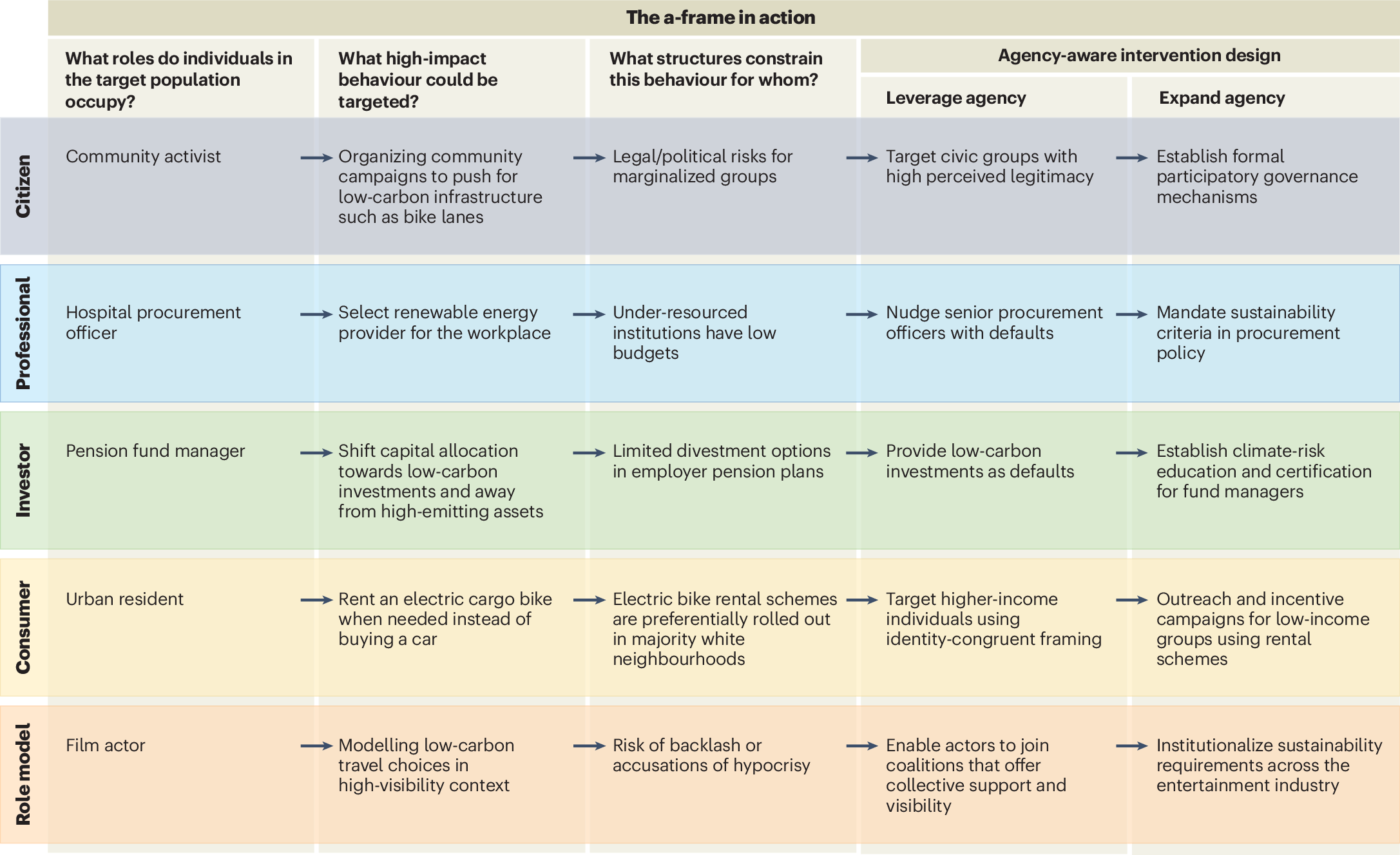
Leveraging agency for climate change mitigation
Climate debates often frame individual behaviour and systems change as distinct pathways to action. We suggest that social change arises from individuals’ agency within their roles in societal systems, and that this agency should be actively leveraged to achieve meaningful climate change mitigation.
Correcting climate ‘misperceptions’ may not boost climate action - Carbon Brief
Most people "underestimate" general support for climate change and "overestimate" actual, real-world climate action.
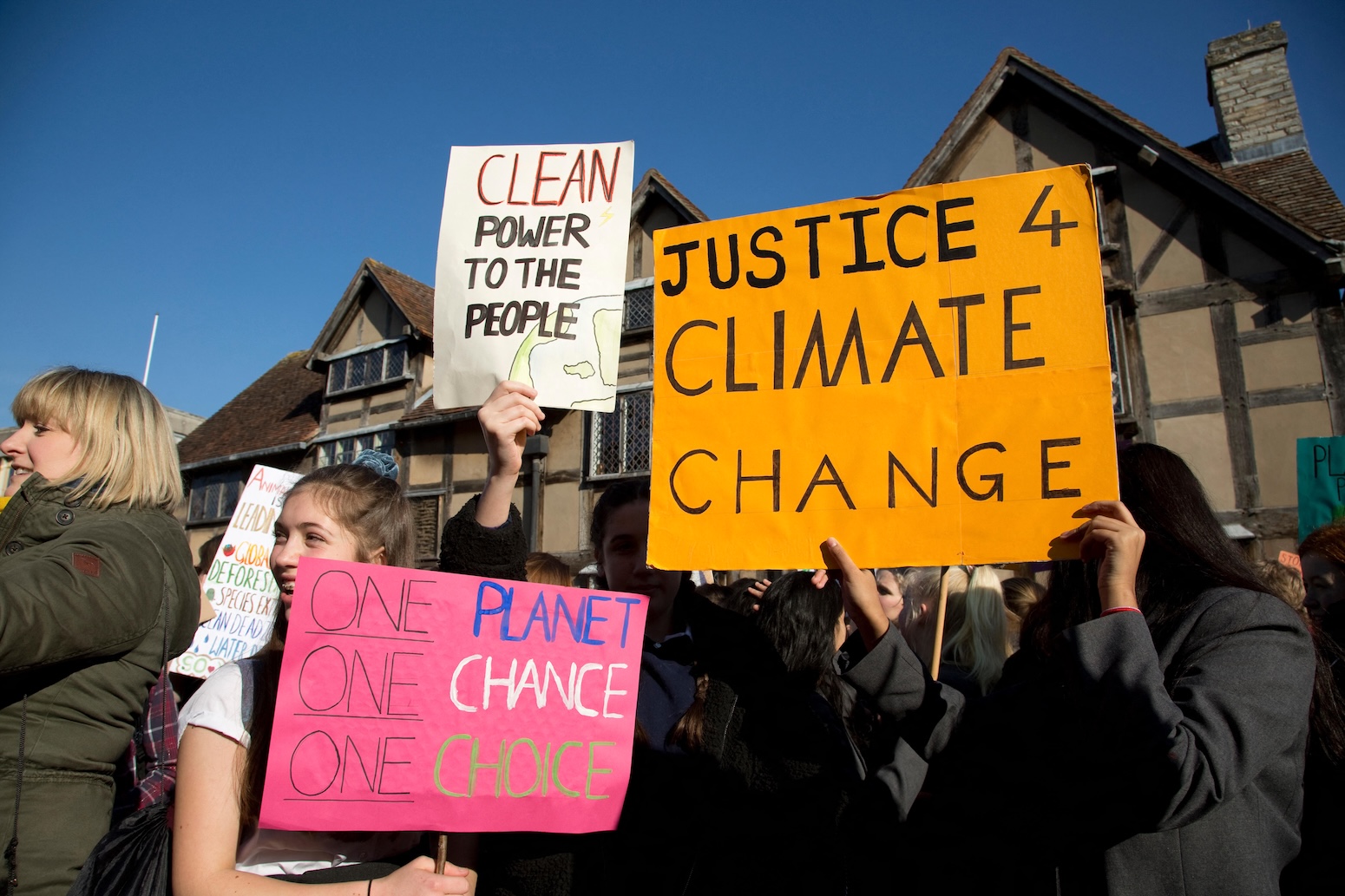
Offering experience, intelligence, and wisdom for climate action
A Necessary Response: The Climate Action Handbook for Urbanists is an impassioned and technically useful guide to taking action at the community level.

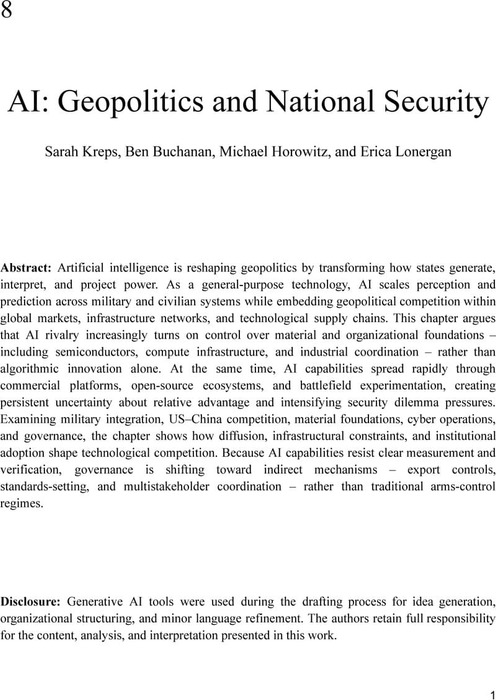
AI, Geopolitics, and National Security (Chapter 8)
Artificial intelligence is reshaping geopolitics by transforming how states generate, interpret, and project power. Rather than producing a single new weapon, AI operates as a general-purpose technology that scales perception, prediction, and decision-making across military, civilian, and informational domains. This chapter argues that AI rivalry increasingly depends on control over material and organizational foundations, including semiconductors, compute infrastructure, data centers, industrial coordination, and institutional adoption. It examines battlefield integration, U.S.–China competition, semiconductor statecraft, cyber operations, information power, and governance. The chapter shows that AI capabilities diffuse rapidly through commercial platforms, open-source ecosystems, and wartime experimentation, while frontier development remains constrained by infrastructure and supply-chain chokepoints. Because AI capability is difficult to measure or verify, governance is shifting away from traditional arms-control models toward export controls, standards, voluntary commitments, and multistakeholder coordination.
Visualising Climate 2026 — Conference
A global conference on climate data visualization, storytelling, and science. Bologna, Italy • 4–6 November 2026.

Volunteer for us - Climate Council
Volunteers are critical to the Climate Council’s impact.

Climate Council: Home
Australia's leading climate change communications organisation.
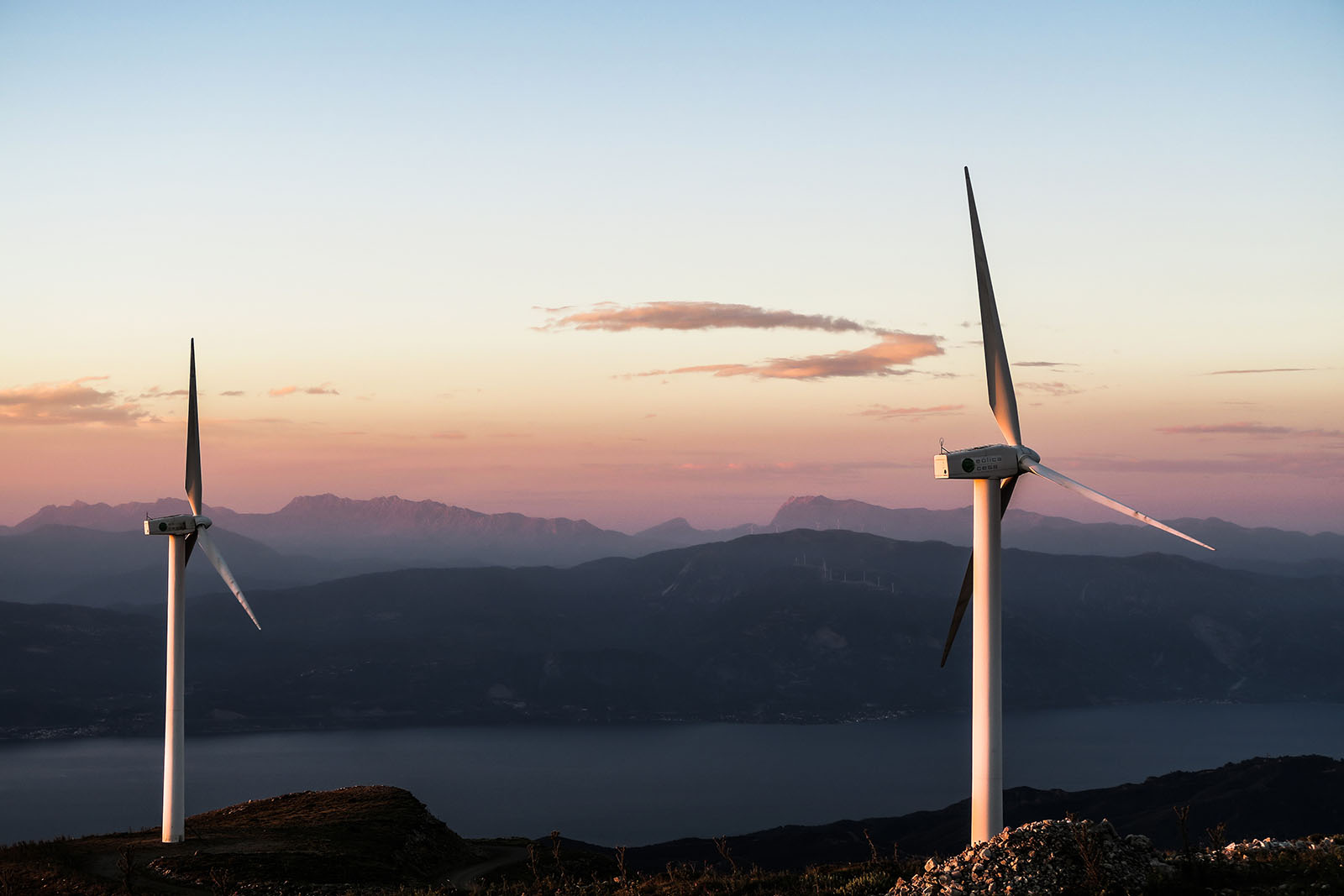
Kooyong Votes Climate – Kooyong Climate Change Alliance (KCCA) – Kooyong Votes Climate
Sustainable Development Goals
The 2030 Agenda for Sustainable Development was adopted by all United Nations Member States in 2015. It is built around 17 Sustainable Development Goals (SDGs) and 169 targets that represent an ambitious plan for achieving sustainable development and serves as the basis for countries to shape their national policies and priorities. At the heart of the agenda is the recognition that truely sustainable development must combine economic growth and poverty alleviation with strategies that improve health and education, reduce inequality, while addressing climate change and protecting nature. Thus, the interlinked nature of the SDGs calls for an integrated approach to policy decisions. As the international statistical standard for measuring the environment and its relationship with the economy, the SEEA is well positioned to support integrated policies based on a better understanding of the interactions and trade-offs between the environment and economy. Progress toward the 17 goals and 169 targets of the 2030 Agenda are monitored through 244 indicators, entailing the collection of substantial amounts of data. The UN Statistical Commission (UNSC) has encouraged the Inter-Agency and Expert Group on SDG Indicators (IAEG-SDGs), the body tasked with developing and implementing the global indicator framework for the 2030 Agenda, to consider existing standards and frameworks that can improve SDG monitoring, including the System of Environmental-Economic Accounting (SEEA). System of Environmental-Economic Accounting (SEEA). Recently, the Secretariat of the Convention on Biological Diversity (CBD), UN Environment and the UN Statistics Division brought a proposal on upgrading the status of Indicator 15.9.1 to the tenth meeting of the IAEG-SDGs, where the group agreed to the proposal and reclassified the indicator from Tier III to Tier II. The United Nations Committee of Experts on Environmental-Economic Accounting (UNCEEA), an intergovernmental body established by the UNSC to provide overall vision, coordination, prioritization and direction in the field of environmental economic accounting and supporting statistics, has assessed that currently 40 indicators for nine Sustainable Development Goals can be informed by the SEEA. The SEEA is particularly well-suited for deriving ratio indicators that compare environmental and economic information.

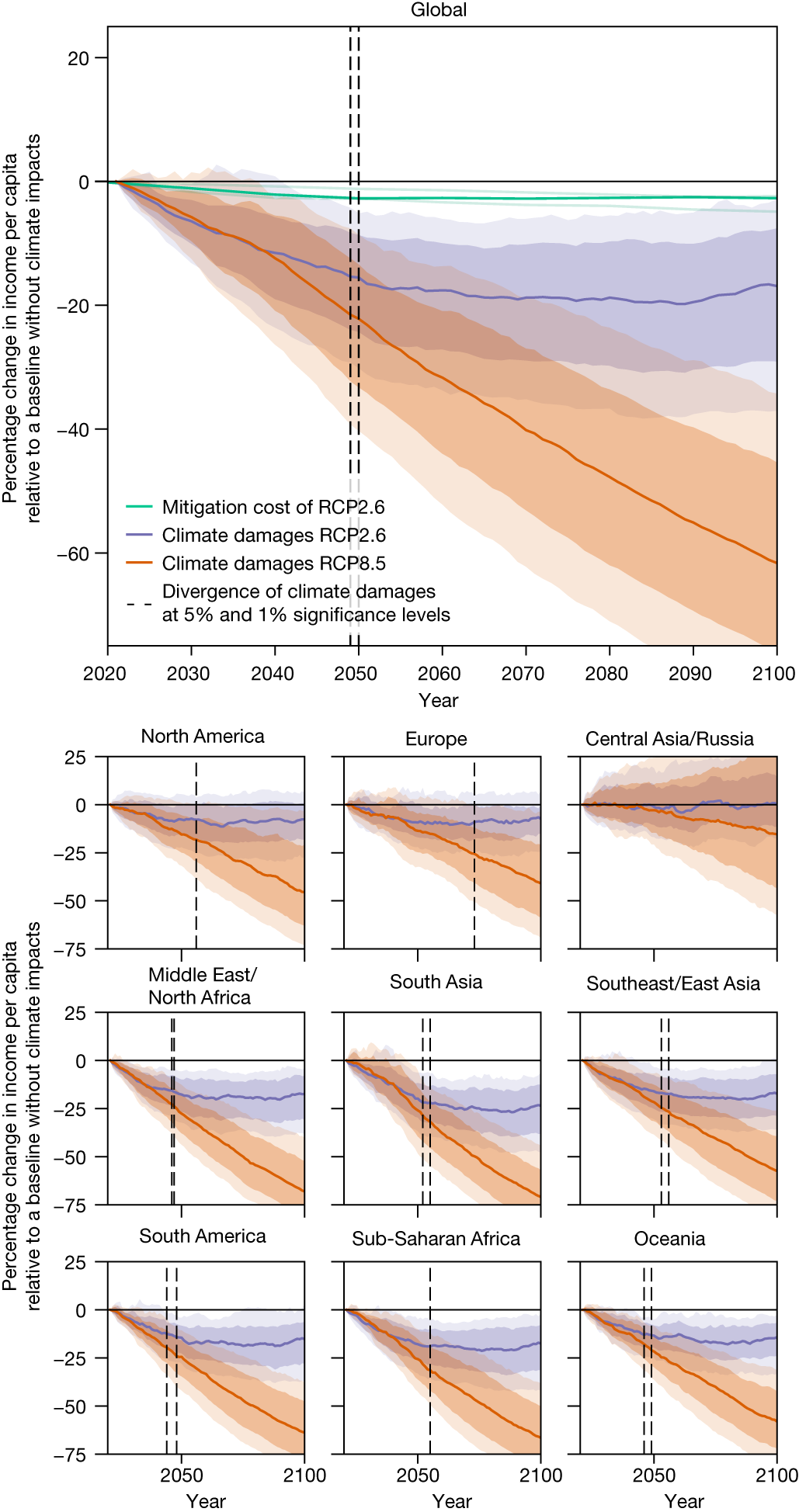
RETRACTED ARTICLE: The economic commitment of climate change
Global projections of macroeconomic climate-change damages typically consider impacts from average annual and national temperatures over long time horizons1–6. Here we use recent empirical findings from more than 1,600 regions worldwide over the past 40 years to project sub-national damages from temperature and precipitation, including daily variability and extremes7,8. Using an empirical approach that provides a robust lower bound on the persistence of impacts on economic growth, we find that the world economy is committed to an income reduction of 19% within the next 26 years independent of future emission choices (relative to a baseline without climate impacts, likely range of 11–29% accounting for physical climate and empirical uncertainty). These damages already outweigh the mitigation costs required to limit global warming to 2 °C by sixfold over this near-term time frame and thereafter diverge strongly dependent on emission choices. Committed damages arise predominantly through changes in average temperature, but accounting for further climatic components raises estimates by approximately 50% and leads to stronger regional heterogeneity. Committed losses are projected for all regions except those at very high latitudes, at which reductions in temperature variability bring benefits. The largest losses are committed at lower latitudes in regions with lower cumulative historical emissions and lower present-day income.
Home - ClimateAction.Tech
The climate crisis is happening all around us. As tech workers, we can use our skills to take and accelerate climate action.