
In the wake of the 2008 global financial crisis, many governments implemented austerity policies aimed at reducing budget deficits through public spending cuts. This column examines the rollout of programme awarding grants for home energy efficiency upgrades in the UK examine the extent to which cuts to local government finances may have impacted efforts to promote climate action. The findings suggest that austerity, combined with poor digital skills, undermined local authorities’ efforts to effectively carry out a climate action policy that was centrally planned but locally administered.
In Deep
The numbers are simply mind-blowing: up to £264 billion for a climate “solution” that will increase emissions. Has the government lost its mind?

France’s big climate problem: The budget crunch
Historic heat is forcing the French government to rethink its spending plans.

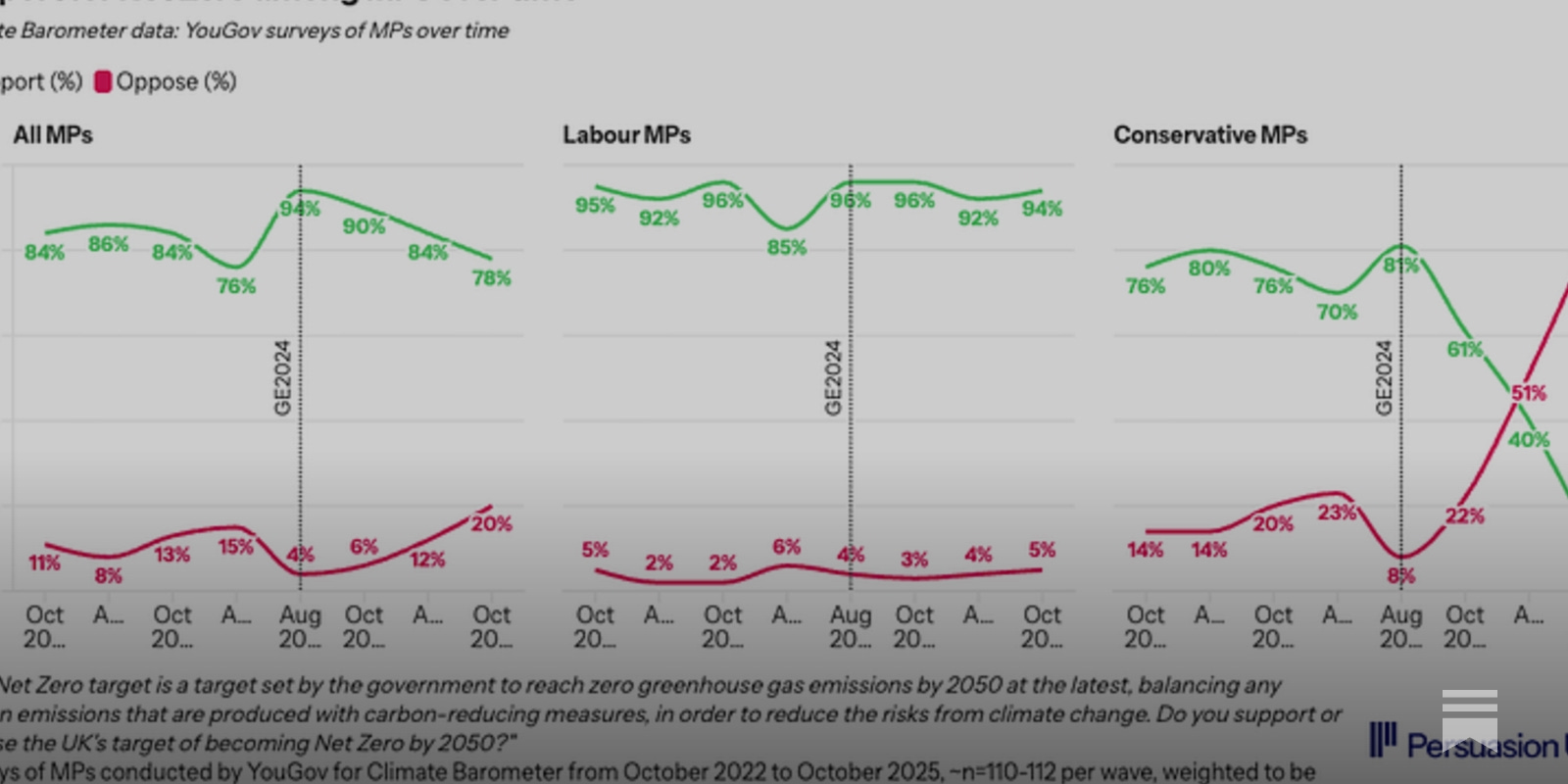
What’s happened to the UK’s climate consensus?
Opposition, apathy and the voters in-between
Climate Change: Global Crisis To Local Action By Kevin Anderson
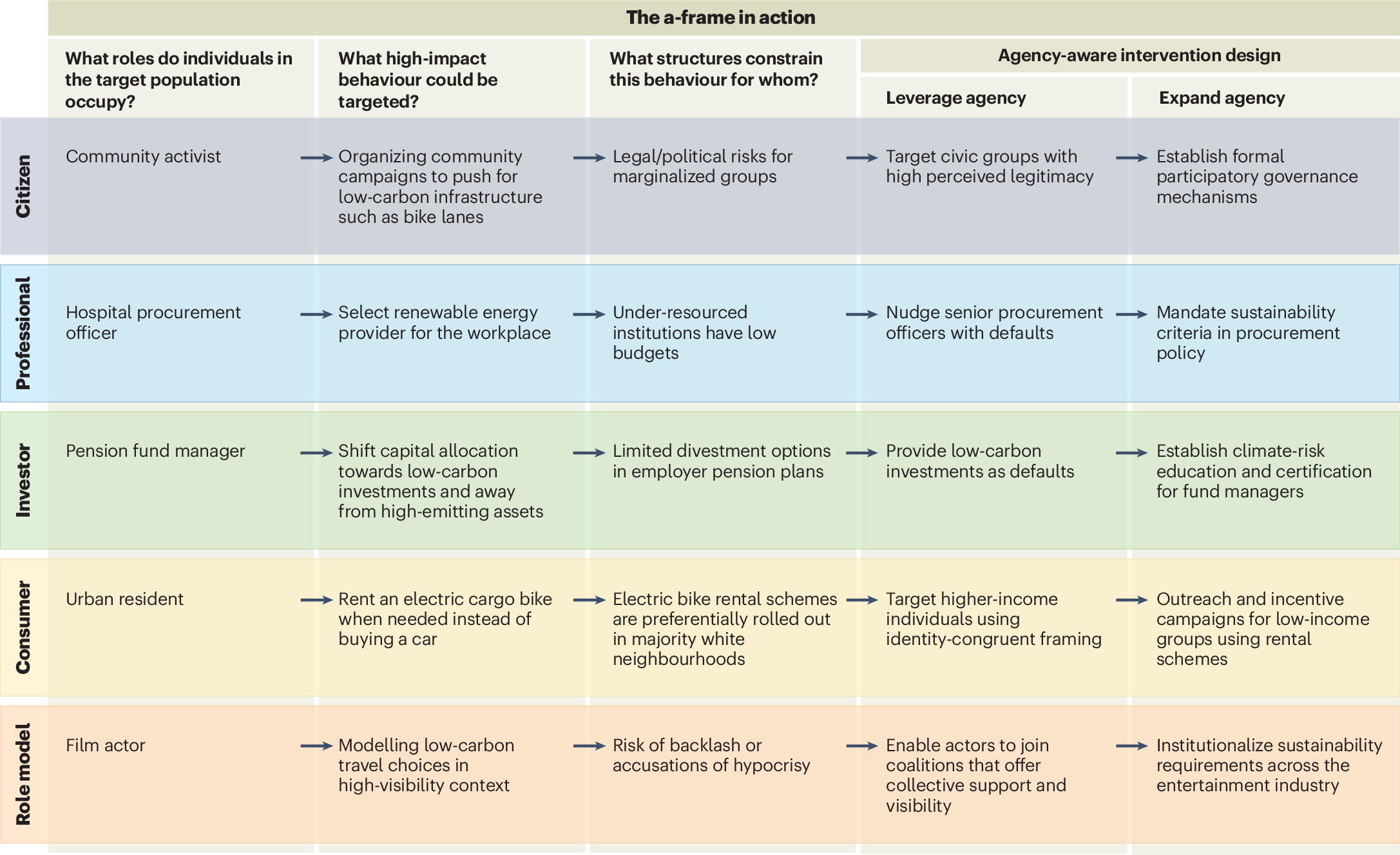
Leveraging agency for climate change mitigation
Climate debates often frame individual behaviour and systems change as distinct pathways to action. We suggest that social change arises from individuals’ agency within their roles in societal systems, and that this agency should be actively leveraged to achieve meaningful climate change mitigation.
Climate solutions most likely to reach ‘positive tipping points’ revealed by scientists
Global shift towards clean electricity could trigger ‘cascade’ of progress, helping reduce air pollution, cut waste and revive oceans

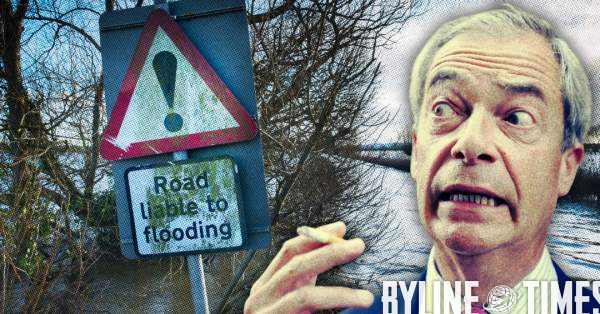
Reform UK Councils Are Dismantling the Fight Against Climate Change
Nigel Farage's party is spreading climate change denial, while blocking any localised action to deal with the threat, an academic analysis of Reform councils has found
The i-frame and the s-frame: How focusing on individual-level solutions has led behavioral public policy astray
An influential line of thinking in behavioral science, to which the two authors have long subscribed, is that many of society's most pressing problems can be addressed cheaply and effectively at the level of the individual, without modifying the system in which the individual operates. We now believe this was a mistake, along with, we suspect, many colleagues in both the academic and policy communities. Results from such interventions have been disappointingly modest. But more importantly, they have guided many (though by no means all) behavioral scientists to frame policy problems in individual, not systemic, terms: To adopt what we call the “i-frame,” rather than the “s-frame.” The difference may be more consequential than i-frame advocates have realized, by deflecting attention and support away from s-frame policies. Indeed, highlighting the i-frame is a long-established objective of corporate opponents of concerted systemic action such as regulation and taxation. We illustrate our argument briefly for six policy problems, and in depth with the examples of climate change, obesity, retirement savings, and pollution from plastic waste. We argue that the most important way in which behavioral scientists can contribute to public policy is by employing their skills to develop and implement value-creating system-level change.

Home - ClimateAction.Tech
The climate crisis is happening all around us. As tech workers, we can use our skills to take and accelerate climate action.

Funding the Commons | Public Goods Funding
We convene researchers, builders, and institutions to develop the funding mechanisms, governance systems, and coordination tools that public goods need in an age of AI.

Correcting climate ‘misperceptions’ may not boost climate action - Carbon Brief
Most people "underestimate" general support for climate change and "overestimate" actual, real-world climate action.
Caroline Lucas: The shocking climate reports the UK government didn't want you to see
The intelligence services now believe nature collapse is a security threat. For a cabinet determined to sacrifice the environment for growth, was that too uncomfortable a truth, asks the former Green party leader
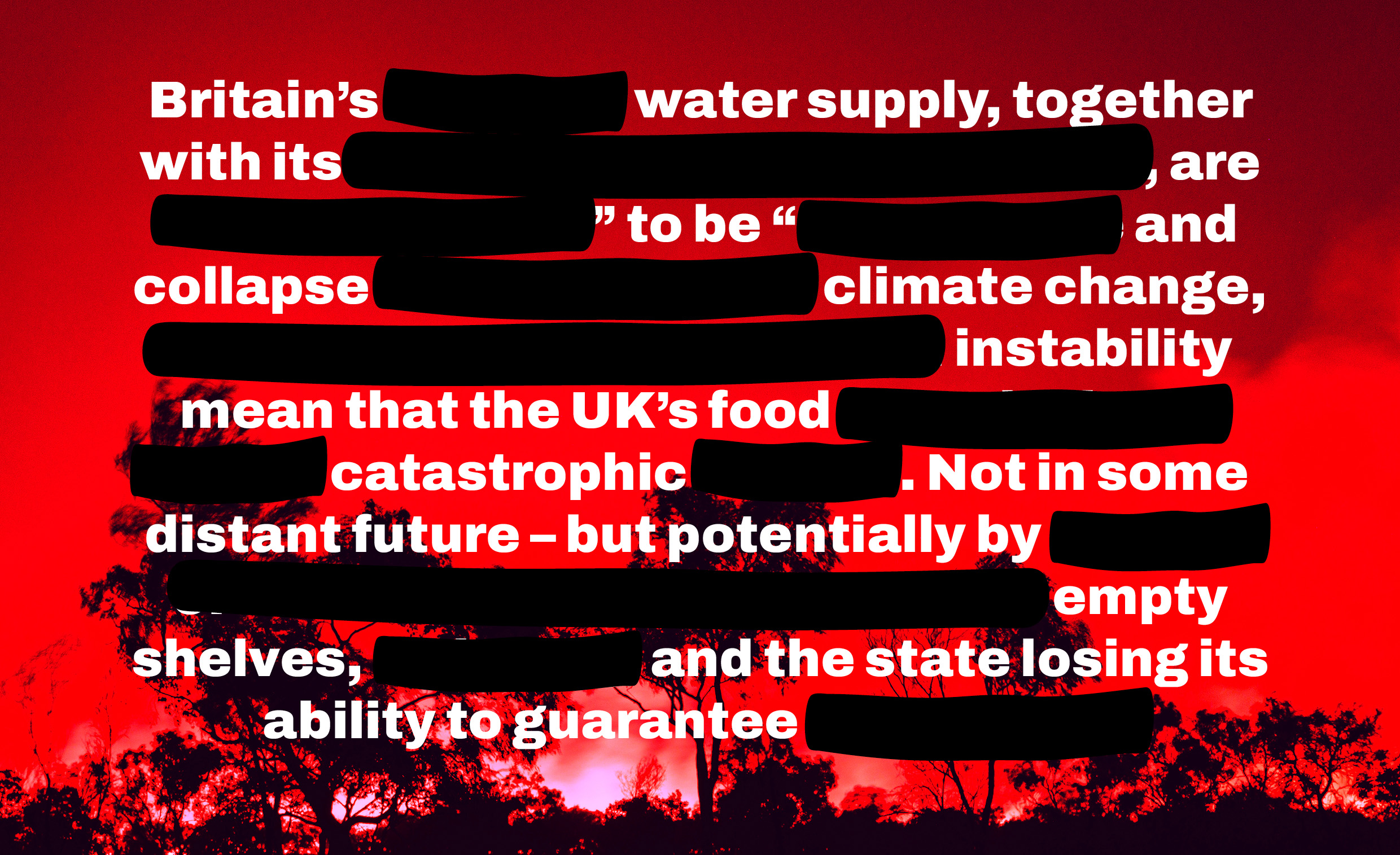
Europe is BURNING - why are politicians not acting?
Second Street | How Government Policies Affect Canadians
We investigate the real-world impact of government policy through groundbreaking research and the personal stories of everyday Canadians.

Home - Schumacher Center for a New Economics
Our mission is to envision a just and regenerative economy; apply the concepts locally; then share the results for broad replication. Programs Library Lectures & Publications The Decentralism File Community Land Trust Local Currencies Reinventing The Commons All Programs eNewsletters All News “Since there is now increasing evidence of environmental deterioration, particularly in … Continued

Why unilateral decarbonisation can pay for itself
Anthropogenic greenhouse gas emissions are rapidly warming our planet, with potentially severe economic, social, and health consequences. Conventional estimates of climate damages suggest that while coordinated global efforts are desirable, unilateral action is rarely cost-effective due to a classic free-rider problem. Why should a country bear the costs of reducing emissions when the benefits are shared globally? This column re-evaluates this view in light of new climate damage estimates based on global temperature variation, showing that the economic case for unilateral decarbonisation is far stronger than previously thought.