


Foreign aid is often used to address the root causes of migration as a way to reduce migrant flows. However, the effectiveness of such approaches remains unclear. This column combines individual survey data with data on World Bank projects and on bilateral migration flows to examine how foreign aid influences migration preferences and flows. Results show that aid can temporarily reduce irregular migration but may lead to increased regular migration as conditions improve over time. Policymakers should consider these dynamics when designing migration strategies to balance immediate and long-term effects.
Comoros slams France over aid-for-migration threat
French prime minister Sebastien Lecornu said Paris could make development aid conditional on greater cooperation in curbing irregular migration to Mayotte.

Voting with Their Feet: Democratic Backsliding and Market-Minded Migration - Evidence from Israel and Europe
Using a comparative framework, the study examines how variations in political regimes across Israel and Europe shape patterns of international migration. In both contexts, episodes of democratic backsliding serve as quasi-exogenous shocks that reveal the causal link between institutional erosion and outward mobility. In Israel, the origin of democratic backsliding lies in a corruption shock—the criminal indictment of the prime minister—which escalated into an executive–judicial shock as the government launched an anti-democratic judicial overhaul. This confrontation between the executive and judiciary provides a natural experiment for identifying how institutional breakdowns shape migration decisions. In Europe, the origin of democratic backsliding stems from a “Syrian shock”—a massive refugee inflow that strained administrative capacity, polarized politics, and weakened liberal institutions. The resulting governance erosion triggered emigration responses structurally like those observed in Israel. Using a difference-in-differences (DiD) estimation, the study identifies causal effects of democratic erosion on migration flows. Across both settings, out-migration emerges as a market-minded response to illiberal regime change—a behavioral signal of sensitivity to policies that features nationalizing industries, restrict free speech, and undermine the rule of law. Together, the Israeli and European experiences demonstrate that illiberal governance functions as a systemic push factor for emigration, beyond standard economic explanations.

Everything you always wanted to know about migrations - Slidev
"A deep dive into Atmosphere account migrations, even adversarial migrations\n"
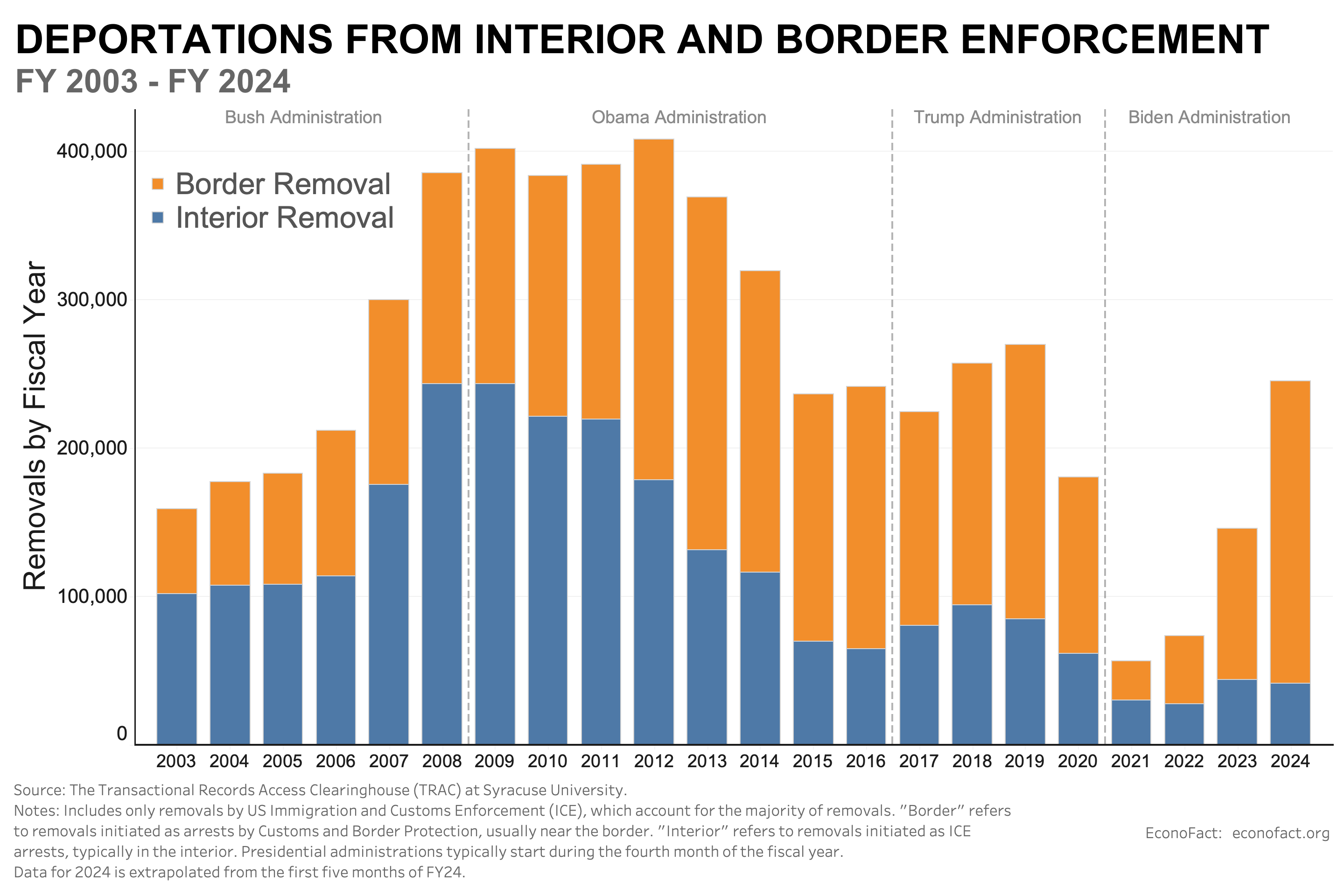
Immigrant Deportations: Trends and Impacts | Econofact
Research on previous episodes of increased immigration enforcement sheds light on the impact deportations can have on labor markets, crime, and civic life.
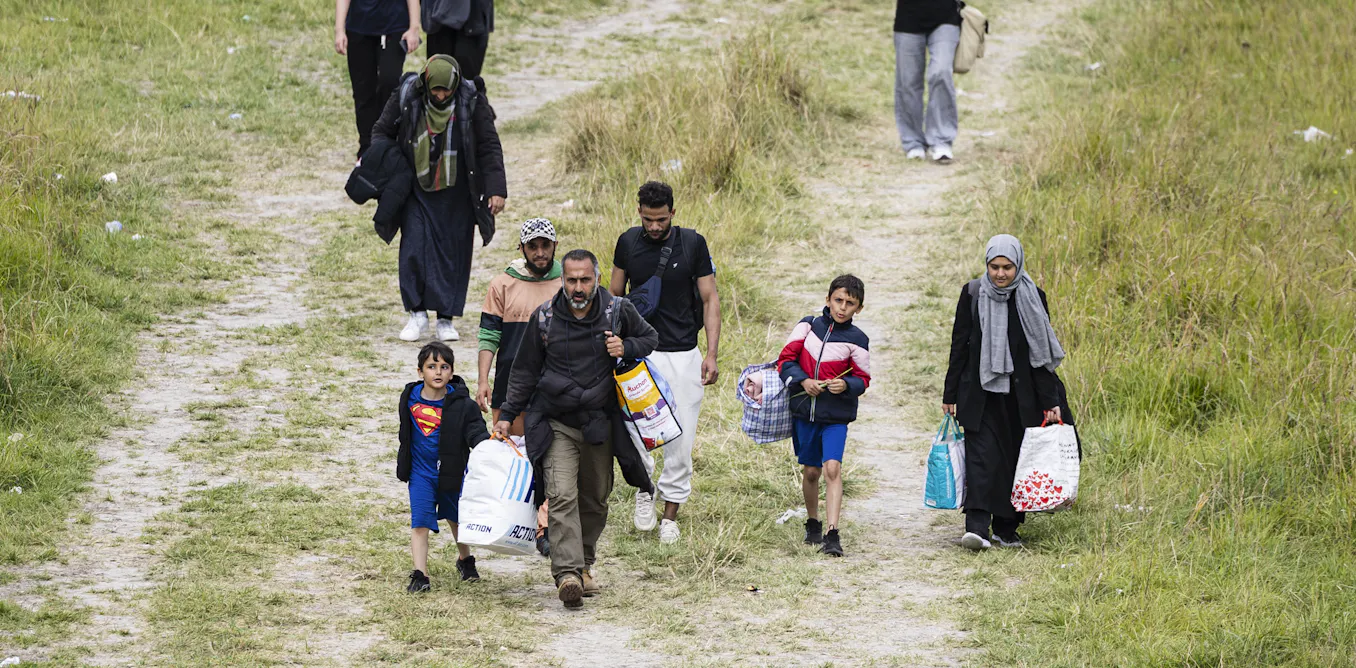
Third Country Deportation Watch
Monitoring the human cost of the U.S. government’s forced third country transfer agreements.

Yet Again, The Data Shows Migrants Are More Law-Abiding Than US Citizens
This has always been the truth. And it has always been ignored by people like Donald Trump, who combine “if it bleeds, it leads” media narratives with the always-exploitable fear of …

Mesoamerican Migration Project and Latin American Migration Project
The Mesoamerican Migration Project (MMP) is a continuation and expansion of the Mexican Migration Project which was created in 1982 by an interdisciplinary team of researchers to further our understanding of the complex process of Mexican migration to the United States. The Mesoamerican Migration Project collects and analyzes data on migration from Mexico, El Salvador, Guatemala and Honduras to the United States.
Labour’s muddled migration policy won’t stop thuggery
A government that can’t distinguish between ‘legitimate concerns’ and open racism is only making things worse

Structural adjustment: damages, reparations and pathways to non-recurrence
Beginning in the 1980s and 1990s, the International Monetary Fund (IMF) and the World Bank implemented neoliberal structural adjustment programmes (SAPs) across most countries in Asia, Africa and Latin America. SAPs imposed austerity, privatisation and economic deregulation and have been associated with severe negative impacts on human welfare, including (a) declining real wages and working-class consumption, (b) increased rates of poverty and basic-needs deprivation, (c) increased neonatal and maternal mortality and (d) reduced health system access. Structural adjustment also created conditions for increased financial outflows and drain from the global South through unequal exchange. This paper reviews evidence of these damages and proposes possible options for reparations and distributive justice. We argue that the IMF and the World Bank should be democratised and restructured—or otherwise replaced by alternative institutions—to prevent further harm.
Immigration : Pourquoi les gouvernements n’écoutent-ils pas les chercheurs ?
Les gouvernements choisissent des politiques unanimement jugées inefficaces par les chercheurs spécialistes des migrations. Comment aboutir à un meilleur dialogue ? La conférence IMISCOE, qui s’ouvre en région parisienne le 1er juillet, réunit plus de 1 000 chercheurs.
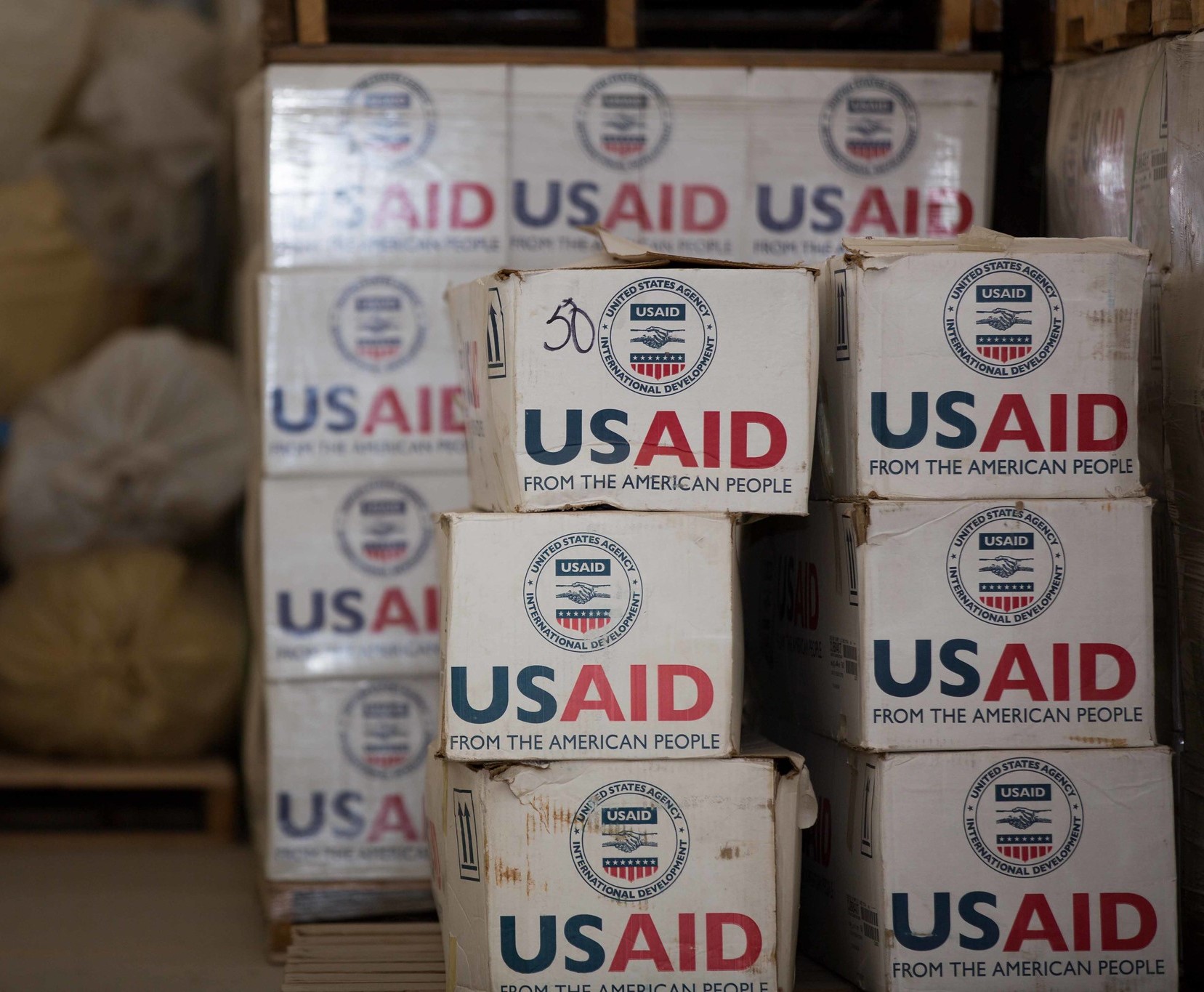
How Many Lives Does US Foreign Aid Save?
We present some estimates for lives saved by US assistance worldwide, with illustrative estimates by recipient country. Our core estimates are for deaths prevented from HIV/AIDS, vaccine-preventable illnesses covered by Gavi, tuberculosis, malaria, and emergency/humanitarian relief. We suggest the number of lives saved per year may range between 2.3 to 5.6 million with our preferred number resting on gross estimates of 3.3 million.
Why rohingya refugees prefer Bangladesh
18 votes, 30 comments. Few days ago I learned that india has an open border with Mayanmar. So any refugees can simply move to india. Why do they…
More Evidence that Immigrants - Including Illegal Ones - Have Much Lower Crime Rates than Natives
A new Cato Institute study further refutes claims that illegal migration is somehow causing a crime wave.

This is worth paying attention to, but be careful excluding government transfers which create huge amounts of spending that should *not* be assumed away. Also an aging population will naturally increase their role over time.

Carl Quintanilla
“.. Real personal income per capita has not grown in 15 months and is meaningfully below the pre-pandemic trend.” - @thedailyshot.bsky.social

