


President Trump’s Chief Economic Adviser, Stephen Miran, has claimed that the international monetary system in which the US provides the rest of the world with a safe, liquid asset is “unfair” as it supposedly prevents the US from eliminating its current account deficit. His proposed solution is to lower the value of the dollar through coordinated currency market intervention by foreign central banks. This column finds the idea that there could be lasting reversal of exchange rates following an international currency agreement highly speculative, and argues that a multipolar system would attenuate the Triffin dilemma and provide the US with a deficit-adjustment tool.
Is the US dollar's reserve currency status eroding? | Brookings
Robin Brooks analyzes changes in the U.S. dollar's reserve currency status during the second Trump administration.
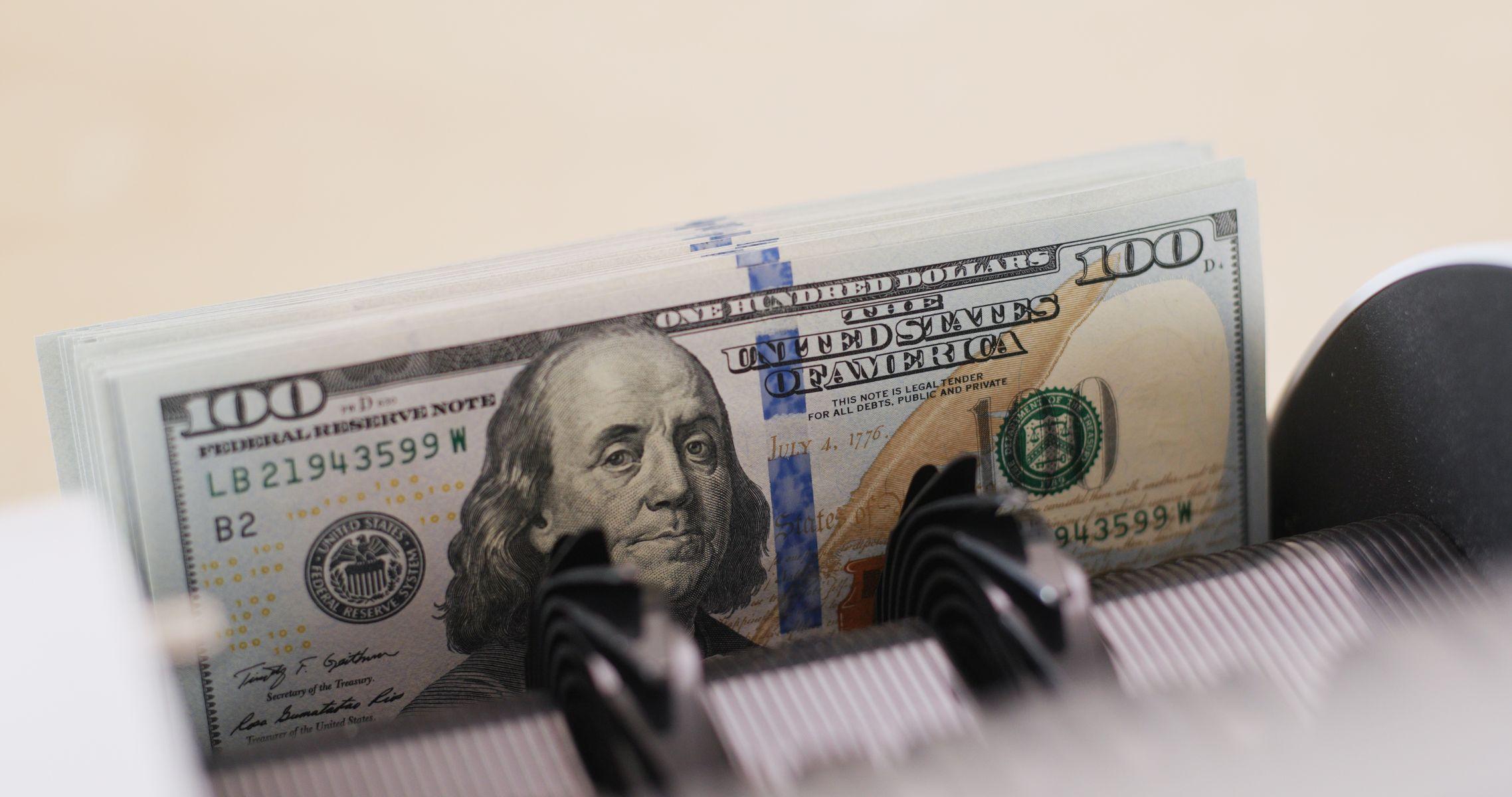
The Shadow Dollar System
Iran built a parallel financial infrastructure on the same stablecoin rails the US just legitimized. That contradiction is not an accident.

annotations: Une réévaluation du yuan chinois contribuerait à réduire les déséquilibres mondiaux
traduction française du billet de blog "Currency revaluation is income rebalancing" de Michael Pettis
annotations: L’obsession pour les taux de change fixes nuit aux pays en développement
Traduction du billet de blog "Fixation with fixed exchange rates harms developing countries" de Douglas A. Irwin, Adnan Mazarei & Maurice Obstfeld
annotations: La globalisation, la fragmentation et le système monétaire international
Traduction française de "Globalisation, fragmentation, and the international monetary system" de Barry Eichengreen
Structural adjustment: damages, reparations and pathways to non-recurrence
Beginning in the 1980s and 1990s, the International Monetary Fund (IMF) and the World Bank implemented neoliberal structural adjustment programmes (SAPs) across most countries in Asia, Africa and Latin America. SAPs imposed austerity, privatisation and economic deregulation and have been associated with severe negative impacts on human welfare, including (a) declining real wages and working-class consumption, (b) increased rates of poverty and basic-needs deprivation, (c) increased neonatal and maternal mortality and (d) reduced health system access. Structural adjustment also created conditions for increased financial outflows and drain from the global South through unequal exchange. This paper reviews evidence of these damages and proposes possible options for reparations and distributive justice. We argue that the IMF and the World Bank should be democratised and restructured—or otherwise replaced by alternative institutions—to prevent further harm.
The Quiet Rewiring of American Finance
Stablecoins, Treasury markets, and the most significant shift in financial infrastructure that almost nobody is discussing.

annotations: Ni Triffin, ni Miran : pourquoi le statut de monnaie de réserve du dollar ne dépend plus du compte courant américain
Blog de sciences économiques et sociales de Martin Anota. Traductions, revues de presse.
annotations: Que faire face à la sous-évaluation des monnaies asiatiques ?
Traduction française du billet de blog de Jeffrey Frankel, "Undervaluation of Asian currencies"
Stablecoins, Tokens, and Global Dominance
Technology is reshaping capital flows and currency dominance; data integrity is essential for financial stability

Live Updates: Warsh and Fed Officials Raise Interest Rates to Fight Inflation
The Federal Reserve raised interest rates for the first time since 2023, by a quarter of a percentage point, and suggested more increases could follow. The move puts its new leader, Kevin Warsh, at odds with President Trump.

Is Dollar Dominance Good for the U.S.?
Thoughts on the U.S.'s so-called exorbitant privilege.

Does Monetary Policy Tightening Reduce Inflation?
Recent research has identified periods when the Federal Reserve intentionally acted to slow inflation when it exceeded desired levels. The success of these disinflation attempts reveals the extent of policymakers’ commitment to lowering inflation. An extension of this analysis indicates that successful disinflations are associated with a decline in the demand-driven component of inflation. This was especially evident during recent monetary policy tightening, with contributions to core inflation from demand declining 2 percentage points since the summer of 2022—the largest decline for any deliberate disinflation attempt since 1969.

Le dollar et le déficit commercial américain
traduction française du billet de blog "The dollar and the trade deficit" de Paul Krugman

Retombées de la politique monétaire de la Fed sur celle de la BCE : le rôle des « nouvelles » sur l’inflation | Banque de France
Billet de blog 386. La politique monétaire de la Fed a eu des effets sur les conditions financières en zone euro lors du cycle monétaire récent. Toutefois, ces effets ont avant tout résulté indirectement de la perception par les marchés de perspectives d’inflation communes entre les deux zones et non d’une influence directe. Ainsi, pour les marchés, la crédibilité de la BCE à lutter contre l’inflation en toute indépendance de la Fed n’a pas été mise en doute.

annotations: Quelles leçons pouvons-nous tirer de la bulle inflationniste de 2021-2023 ?
Blog de sciences économiques et sociales de Martin Anota. Traductions, revues de presse.