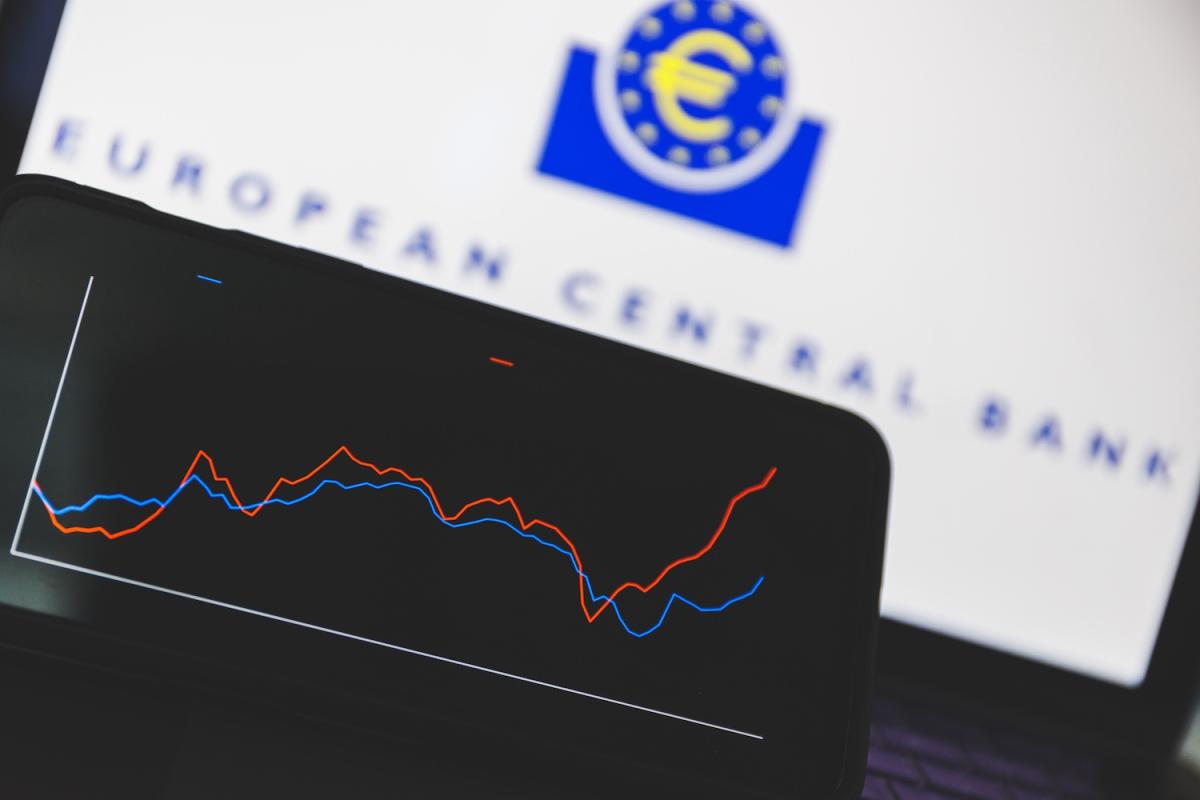
The unprecedented surge in prices since 2021 led the ECB to embark on the fastest tightening cycle in the euro area’s history. This column analyses the lags and strength of monetary policy transmission to output and inflation over the two decades in the euro area. It shows that the peak effects on real GDP and headline inflation are observed within 12-18 months of the interest rate rise. The impact on inflation has been stronger and more persistent in the recent tightening cycle, reflecting the forceful monetary policy response and the higher flexibility of prices.
Does Monetary Policy Tightening Reduce Inflation?
Recent research has identified periods when the Federal Reserve intentionally acted to slow inflation when it exceeded desired levels. The success of these disinflation attempts reveals the extent of policymakers’ commitment to lowering inflation. An extension of this analysis indicates that successful disinflations are associated with a decline in the demand-driven component of inflation. This was especially evident during recent monetary policy tightening, with contributions to core inflation from demand declining 2 percentage points since the summer of 2022—the largest decline for any deliberate disinflation attempt since 1969.

Retombées de la politique monétaire de la Fed sur celle de la BCE : le rôle des « nouvelles » sur l’inflation | Banque de France
Billet de blog 386. La politique monétaire de la Fed a eu des effets sur les conditions financières en zone euro lors du cycle monétaire récent. Toutefois, ces effets ont avant tout résulté indirectement de la perception par les marchés de perspectives d’inflation communes entre les deux zones et non d’une influence directe. Ainsi, pour les marchés, la crédibilité de la BCE à lutter contre l’inflation en toute indépendance de la Fed n’a pas été mise en doute.

With rising interest rates, something deeper than inflation is going on
Typically, bond rates rise when an economy is doing well and inflation appears to be moving up. But something much deeper and more structural is currently going on.
Épisode inflationniste mondial : enseignements pour la politique monétaire
L’accélération de l’inflation a suivi une période inédite de perturbation de l’économie mondiale, mais elle offre tout de même d’importants enseignements aux banques centrales
Quelles ont été les répercussions macroéconomiques de l’adoption du ciblage d’inflation ?
La stagflation des années soixante-dix a fini par convaincre les banques centrales de donner la priorité à la seule lutte contre l’inflation ; les travaux des nouveaux classiques leur suggéraient d’ailleurs que la stabilité des prix était le seul objectif...
Comment expliquer l’énigme de l’inflation ?
Blog de sciences économiques et sociales de Martin Anota. Traductions, revues de presse.

annotations: Six croyances que j'ai à propos de l’inflation
Blog de sciences économiques et sociales de Martin Anota. Traductions, revues de presse.
Structural drivers of eurozone underperformance | Brookings
The eurozone's lack of fiscal union puts it at risk of heading for Japanification, Robin Brooks warns.
L’inflation, les anticipations d’inflation et la politique monétaire : qu’a-t-on appris depuis la pandémie ?
Les anticipations d’inflation tiennent une place de premier plan dans la macroéconomie moderne [Kose et alii, 2019]. Les modèles monétaristes, nouveaux classiques, puis nouveaux keynésiens, leur font jouer un rôle clé dans la mécanique de l’inflation....
Looking for a “fair” international monetary system
President Trump’s Chief Economic Adviser, Stephen Miran, has claimed that the international monetary system in which the US provides the rest of the world with a safe, liquid asset is “unfair” as it supposedly prevents the US from eliminating its current account deficit. His proposed solution is to lower the value of the dollar through coordinated currency market intervention by foreign central banks. This column finds the idea that there could be lasting reversal of exchange rates following an international currency agreement highly speculative, and argues that a multipolar system would attenuate the Triffin dilemma and provide the US with a deficit-adjustment tool.

annotations: L’inflation est un problème politique
Blog de sciences économiques et sociales de Martin Anota. Traductions, revues de presse.
annotations: Quelles leçons pouvons-nous tirer de la bulle inflationniste de 2021-2023 ?
Blog de sciences économiques et sociales de Martin Anota. Traductions, revues de presse.
Commodity prices, the business cycle, and inflation: International evidence, 1851-1913
Commodity prices played a critical role in the surge and decline of inflation since 2020. This column studies the relationship between commodity prices, consumer prices, and the business cycle for 15 economies in the years prior to World War I. It finds a strong positive relationship between inflation and commodity prices, even when focusing on commodities that are unlikely to have been in the consumer basket. Demand-induced increases in commodity prices, linked to the global business cycle, have a stronger effect on inflation.

Trump est-il en train de casser le dollar ? Une conversation avec Barry Eichengreen | Le Grand Continent
Pour la première fois depuis la Seconde Guerre mondiale, l’hégémonie du dollar est en train de vaciller. Pourtant, ni l’euro, ni le yuan et encore moins le bitcoin ne semblent pouvoir devenir, demain, des monnaies de réserve. Pour comprendre pourquoi — et tenter de s’orienter dans un moment d’incertitude extrême — nous avons interrogé l’un des plus grands spécialistes de la monnaie, l’économiste Barry Eichengreen.

Un nouveau modèle de croissance en zone Euro ? – Le blog de Philippe Waechter
Le blog de Philippe Waechter, Directeur de la Recherche Economique chez Ostrum Asset Management.

Is the US dollar's reserve currency status eroding? | Brookings
Robin Brooks analyzes changes in the U.S. dollar's reserve currency status during the second Trump administration.