


Cognitive skills are commonly assumed to begin deteriorating from the age of 30, which could pose a significant challenge for rapidly ageing populations. But this assumption relies largely on cross-sectional data that cannot distinguish between ageing patterns and cohort differences. Using German longitudinal data, this column finds that skills, on average, increase markedly into one’s 40s before decreasing slightly in literacy and more severely in numeracy. In addition, skills decline at older ages only for those with below-average skill usage, outlining a clear policy pathway for avoiding skill declines.
Adults Lose Skills to AI. Children Never Build Them.
Discussions of cognitive offloading often miss a critical distinction: What AI does to a 45-year-old's brain is categorically different from what it does to a 14-year-old's.

Does adolescence really last until age 32?
Those “turning points” in brain aging aren’t quite what you think

Scientists reveal foods to eat now to stave off cognitive decline later
Data on over 3,000 people shows only 8 percent with low-quality diets maintained high cognitive abilities into their 70s, a new study reveals.

No need to stop the 'brain rot': Modern kids aren't less intelligent | New Scientist
The idea that the rise of tech means today's young people are less intelligent than previous generations is rife – but wrong, says neuroscientist Dean Burnett

36 important life and work lessons a top tech executive learned before turning 30
The days are long but the decades are short.
Adult Literacy in the United States
Using the data from the Program for the International Assessment of Adult Competencies (PIAAC), this Data Point summarizes the number of U.S. adults with low levels of English literacy and describes how they differ by nativity status1 and race/ethnicity.
Age Assurance Methods Explained
This blog also appears in our Age Verification Resource Hub: our one-stop shop for users seeking to understand what age-gating laws actually do, what’s at stake, how to protect yourself, and why EFF
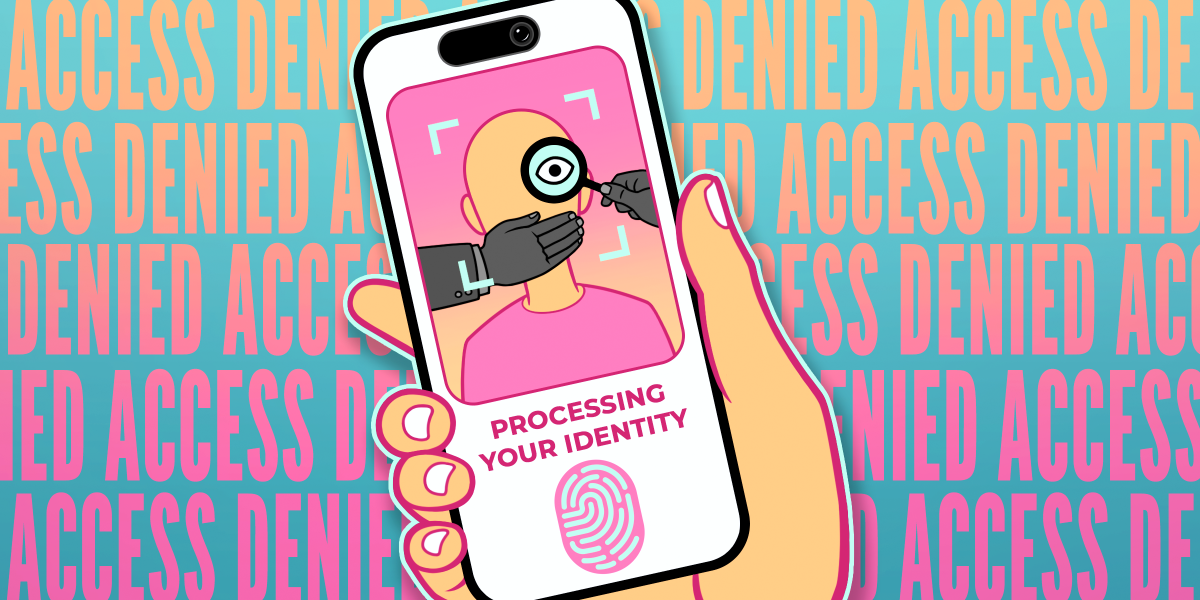
438 Experts Said Age Verification Is Dangerous. Legislators Are Moving Forward With It Anyway. - Above the Law
From the seems-like-someone-should-pay-attention? dept

The People Who Will Thrive in the AI Age
What will differentiate people is not how smart they are but their relationship to mental effort.

The End of Reading Is Here
Optimists once believed that universal literacy was inevitable. Now it seems that the age of reading might be a short anomaly in human history.

The Right Wing Origins Of Age Verification Laws Don’t Disappear Just Because They’re Going Bipartisan.
I think it’s important to understand that, despite claims to the contrary, age verification is, inherently, a right-wing effort. While it’s currently true that age verification laws are…

Pupils in England are losing their thinking skills because of AI, survey suggests
Two-thirds of secondary school teachers report a decline in core abilities such as writing and problem-solving

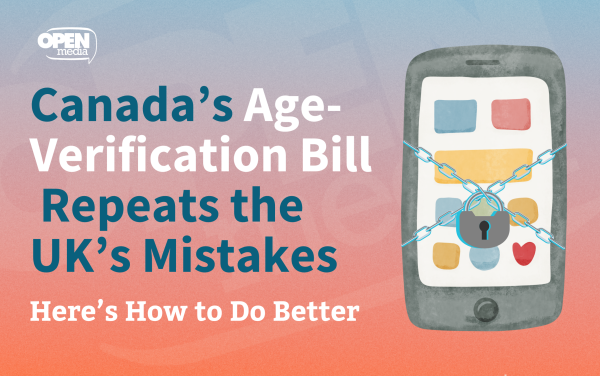
Canada’s Age-Verification Bill Repeats the UK’s Mistakes: Here’s How to Do Better
Canada is exploring age-verification requirements under Bill S-209, but adopting such systems without strong safeguards could repeat mistakes seen overseas. The UK’s failed experiment offers a warning; Canada still has time to choose a better path.
Most Americans say AI development is moving too fast and twice as many are AI pessimists as AI optimists
Young adults are more likely than older Americans to believe that AI will create economic gains that benefit everyone, but they are also more likely to worry that AI will replace jobs they depend upon

What we think is a decline in literacy is a design problem | Aeon Essays
Your inability to focus isn’t a failing. It’s a design problem, and the answer isn’t getting rid of our screen time

This is worth paying attention to, but be careful excluding government transfers which create huge amounts of spending that should *not* be assumed away. Also an aging population will naturally increase their role over time.

Carl Quintanilla
“.. Real personal income per capita has not grown in 15 months and is meaningfully below the pre-pandemic trend.” - @thedailyshot.bsky.social
