


Attached: 1 image #SocialMedia of #realnameregistration , oh sorry, they call it real #humans , that advertises with " #AI " #slop #wsocial is more than problematic And already has #bots crawling it's #network Now they show that they are problematic concerning #aesthetics as well & advertise with tasteless #aislop @bildoperationen@tldr.nettime.org #realnameregistration is highly dangerous & if the company that wants to have your most private data can't save there net from bots they're not very trustworthy, are they? #tech
Real-Name Policies: The War Against Pseudonymity
Real-name policies have existed for over a decade, but these problems have become exponentially harmful in today's world. It's time to fight back against this unsafe and discriminatory privacy-invasive practice.

Katika Kühnreich (@Katika@chaos.social)
@BerserkEd_PT@masto.pt @_elena@mastodon.social @aral@mastodon.ar.al One #problem with #realnameregistration is that it can be used as an #ID for governmental services as well That is what you could call a #thecirclescenario Another problem is the #superapp In #China it became nearly impossible to exist without the #微信 #app , known as #WeChat internationally If you analyse what #AnnaZeiter said in interviews there are possibilities they want #WSocial to become a #superapp I'll write it in more detail, in the future, I promise…
Real Names and Responsible Speech: The Cases of South Korea, China, and Facebook — Yale Journal of International Affairs
By David Caragliano Human psychology and market incentives make real name registration an unpalatable proposition both to netizens and to online service providers charged with implementing the policy. In time, this article argues, internet policy makers will conclude that real nam

Trolling democracy: anonymity doesn’t cause conflicts, bad site design does
‘Don’t feed the trolls’, people on social media are told. By forcing people to use their real names online, the managers of online forums hope to shame trolls into silence. But, J…

Online anonymity: study found ‘stable pseudonyms’ created a more civil environment than real user names
A higher quality discussion emerged among commenters allowed to use personas instead of their real names.
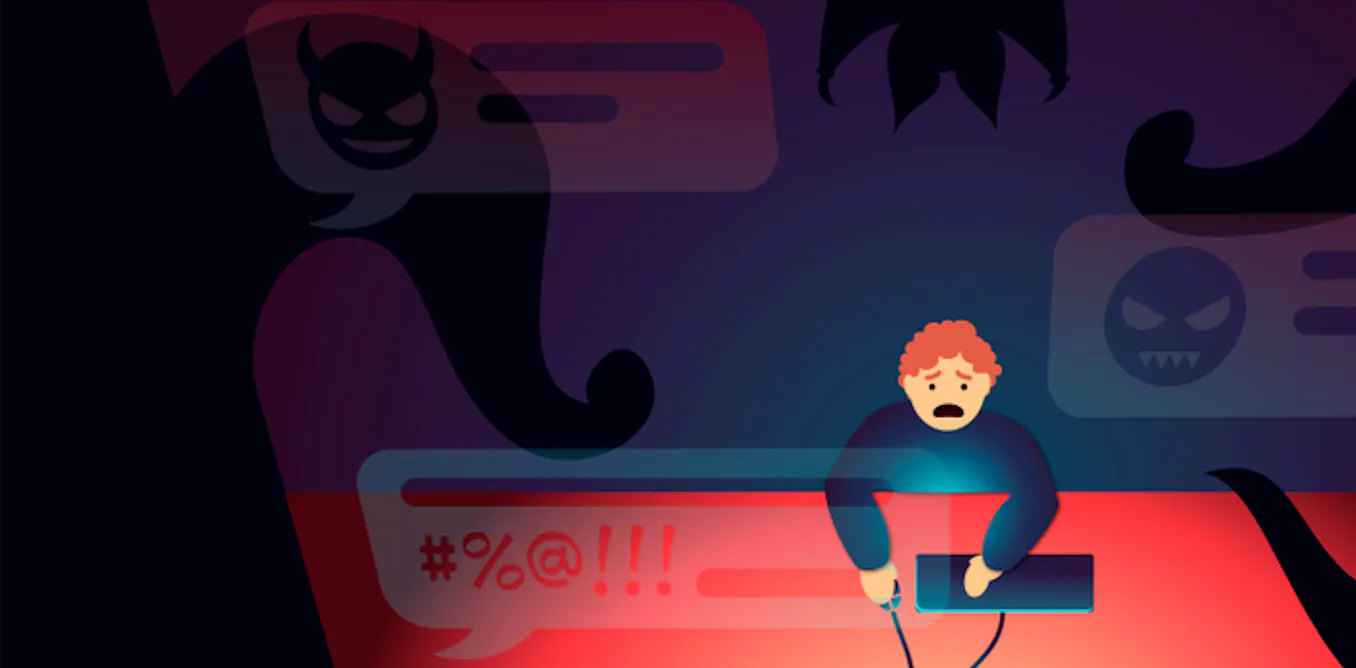
Online anonymity: study found ‘stable pseudonyms’ created a more civil environment than real user names
A higher quality discussion emerged among commenters allowed to use personas instead of their real names.
Anonymity, pseudonymity, and the agency of online identity: Examining the social practices of r/Gonewild
A debate is currently raging regarding the value of anonymity online. On one side of the debate is Facebook, the world’s largest social network site. Facebook demands that people use their real names and is one of the leading forces behind the push towards a “real name” Internet. On the other side of the debate are scholars such as danah boyd and Bernie Hogan and sites such as 4chan and Reddit that view anonymity and pseudonymity as important to how people construct identity online. While much has been written about the benefits of anonymity and pseudonymity, there is a lack of published research examining specific practices enabled by pseudonyms. This paper provides a detailed account of the behaviors enabled through pseudonymous identity construction through a case study of the subreddit r/gonewild. The main contribution of the article is to provide a specific account of the costs of a totalizing embrace of the “real name” Internet.

Proposing Botwatch: Trust-Based Community Bot Detection
Is this account a bot? This question’s importance is only growing in a world of LLMs and state-backed influence campaigns. Proposed here is Botwatch, a community-based system for personalized bot detection. In Botwatch, users publish records indicating whether they think others are bots and records indicating trust in a user’s scores. By analyzing this network, we can create useful signals to help users distinguish between bots and humans. Such a signal would consider your trust relations and o...

Botwatch
Fight bots by warning others. Support humans with verification. Build communities with trust.
Why does Google+ insist on having your real name?
Google+ is the latest social network to demand people's real names. But why do they need them?

Linux Foundation Announces Intent to Launch Agent Name Service to Establish Trusted Identity Infrastructure for AI Agents
Linux Foundation Announces Intent to Launch Agent Name Service to Establish Trusted Identity Infrastructure for AI Agents

Bruh there’s no way @kcg.bsky.social approved this. Hard to believe an AI company would just steal someone’s work though!


