

A framework for thinking about when AI involvement is additive or a violation
The Impact of Artificial Intelligence on Human Thought
This research paper examines, from a multidimensional perspective (cognitive, social, ethical, and philosophical), how AI is transforming human thought. It highlights a cognitive offloading effect: the externalization of mental functions to AI can reduce intellectual engagement and weaken critical thinking. On the social level, algorithmic personalization creates filter bubbles that limit the diversity of opinions and can lead to the homogenization of thought and polarization. This research also describes the mechanisms of algorithmic manipulation (exploitation of cognitive biases, automated disinformation, etc.) that amplify AI's power of influence. Finally, the question of potential artificial consciousness is discussed, along with its ethical implications. The report as a whole underscores the risks that AI poses to human intellectual autonomy and creativity, while proposing avenues (education, transparency, governance) to align AI development with the interests of humanity.

Rude Slop Behaviour
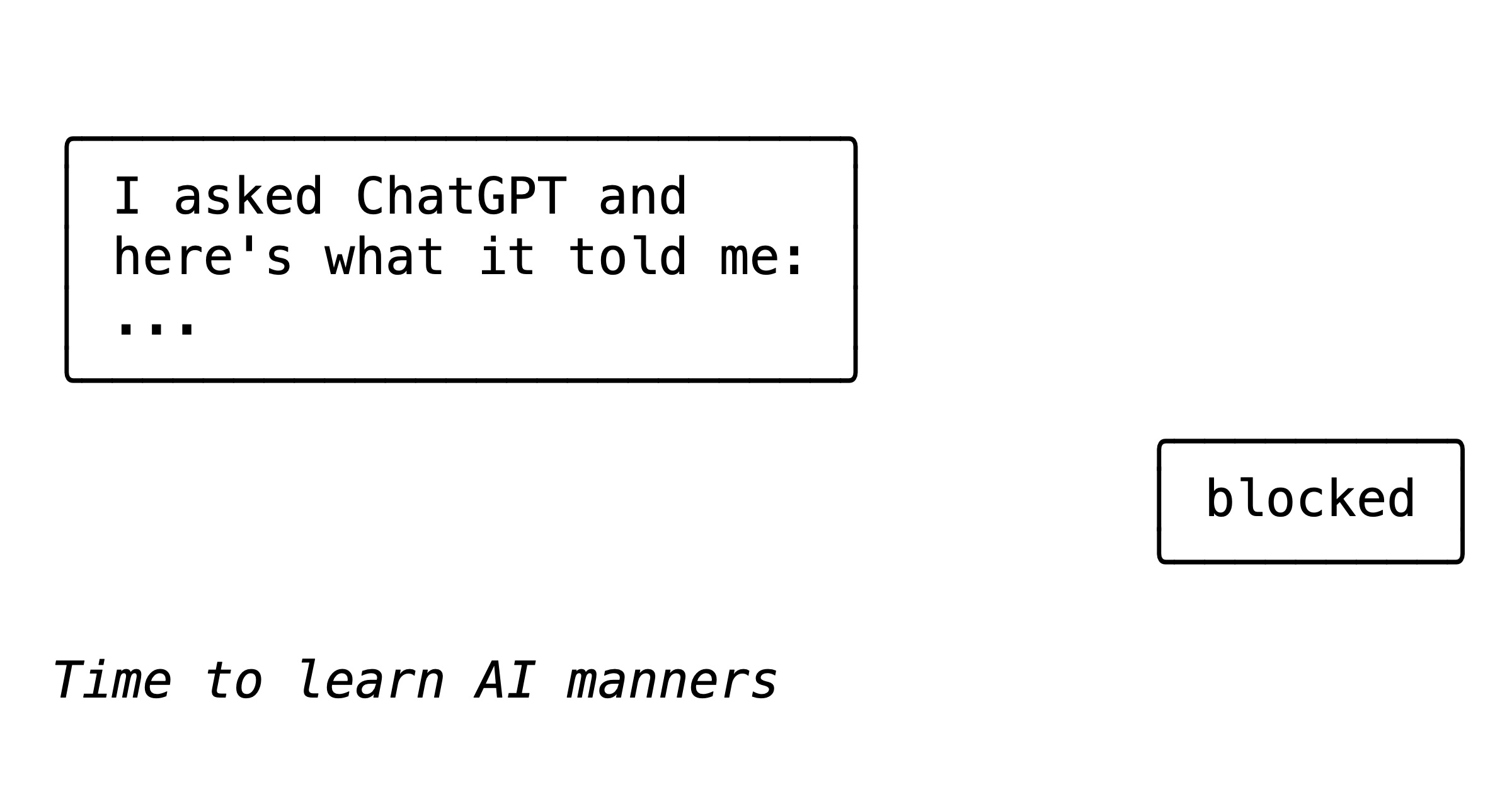
This essay aims to introduce social stigma around certain types of AI use, or at the very least, reduce the amount of slop I receive. What is slop? I like the deepfates definition: Watching in real time as “slop” becomes a term of art. the way that “spam” became the
The Thoughts The Civilized Keep
The hype around a new AI language generator reveals the sterility of mainstream thinking on AI today — and indeed on how we think about thinking itself.

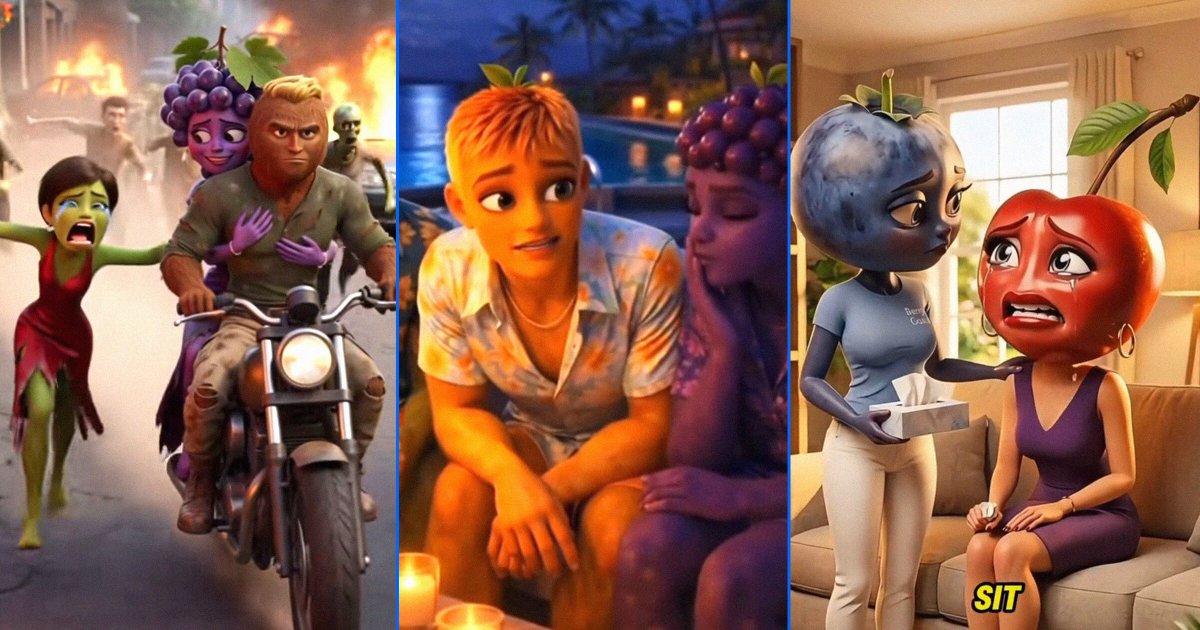
Experts Warn That AI Slop Is Corrupting Kids’ Brains
A new analysis argues that AI fruit reels depicting violent acts reinforce dangerous extremism among young viewers.
Debates over AI consciousness are a trap
If AI systems are viewed as too advanced to control, the companies that build them can’t held liable for the harms they cause.

Machine god metaphors eat your brain
There are other ways of thinking about AI
My Thoughts on AI, Part 1: Fears, Opinions, and Mental Journey
My own personal thoughts and opinions on AI effects and usage, and how those have evolved over time

How AI slop is causing a crisis in computer science
Preprint repositories and conference organizers are having to counter a tide of ‘AI slop’ submissions.

Ali Alkhatib: Defining AI
The main issue I have with a lot of work that tries to define AI is that the criteria they use to draw boundaries often turn out to be functionally useless for my needs; these definitions lead us to weird places, letting scholars fixate on strange, unworkable frameworks. Those pedantic fixations don’t really benefit the organizers, activists, regular people who are getting crushed by the systems they’re trying to work against. So I’m going to try to unpack how I think about AI; how I trace the boundaries of the term in a way that’s as useful as possible for me and my needs; and how I would encourage you to scope or define ideas that are important to your work.
Anthropomorphism in AI: hype and fallacy
This essay focuses on anthropomorphism as both a form of hype and fallacy. As a form of hype, anthropomorphism is shown to exaggerate AI capabilities and performance by attributing human-like traits to systems that do not possess them. As a fallacy, anthropomorphism is shown to distort moral judgments about AI, such as those concerning its moral character and status, as well as judgments of responsibility and trust. By focusing on these two dimensions of anthropomorphism in AI, the essay highlights negative ethical consequences of the phenomenon in this field.

Anthropomorphism in AI: hype and fallacy
This essay focuses on anthropomorphism as both a form of hype and fallacy. As a form of hype, anthropomorphism is shown to exaggerate AI capabilities and performance by attributing human-like traits to systems that do not possess them. As a fallacy, anthropomorphism is shown to distort moral judgments about AI, such as those concerning its moral character and status, as well as judgments of responsibility and trust. By focusing on these two dimensions of anthropomorphism in AI, the essay highlights negative ethical consequences of the phenomenon in this field.
Misleading Metaphors, Real Risks
What To Fear from AI Agents and How to Reclaim Our Human Agency
AI, Ethics, and Society — Home
AI is not superhuman
What metaphor should drive the field of AI research?
It's rude to show AI output to people | Alex Martsinovich
Feeding slop is an act of war
Thinking Fast, Slow, Artificially: AI and Your Brain
AI can boost your decisions — or quietly undermine them. Wharton researchers introduce a new theory of cognition that every leader needs to understand.
