

Interactive articles about science and engineering.
Claude and Paper - Peter Van Dijck's homepage
I've always done a lot of engineering work on paper, figuring out relationships, page layouts, models, UX etc.
Zechen Zhang on Twitter / X
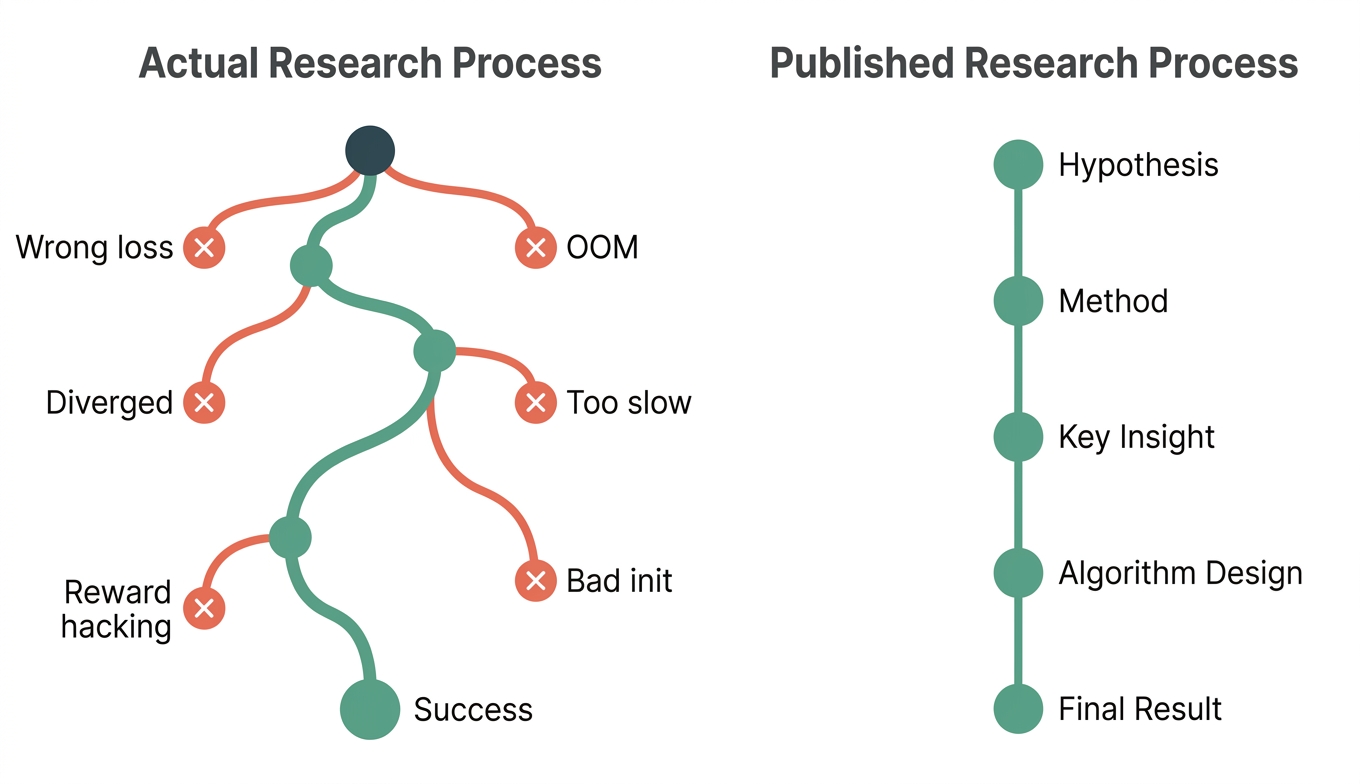
1/ For nearly 350 years, science has communicated itself through one object: the paper. A linear narrative, frozen as a PDF, written for a human reader. We've come to treat that format as the medium of science itself.It doesn't have to be. It's a historical artifact. 🧵 pic.twitter.com/P5UUhceLkC— Zechen Zhang (@ZechenZhang5) April 30, 2026

Mechanical Watch – Bartosz Ciechanowski
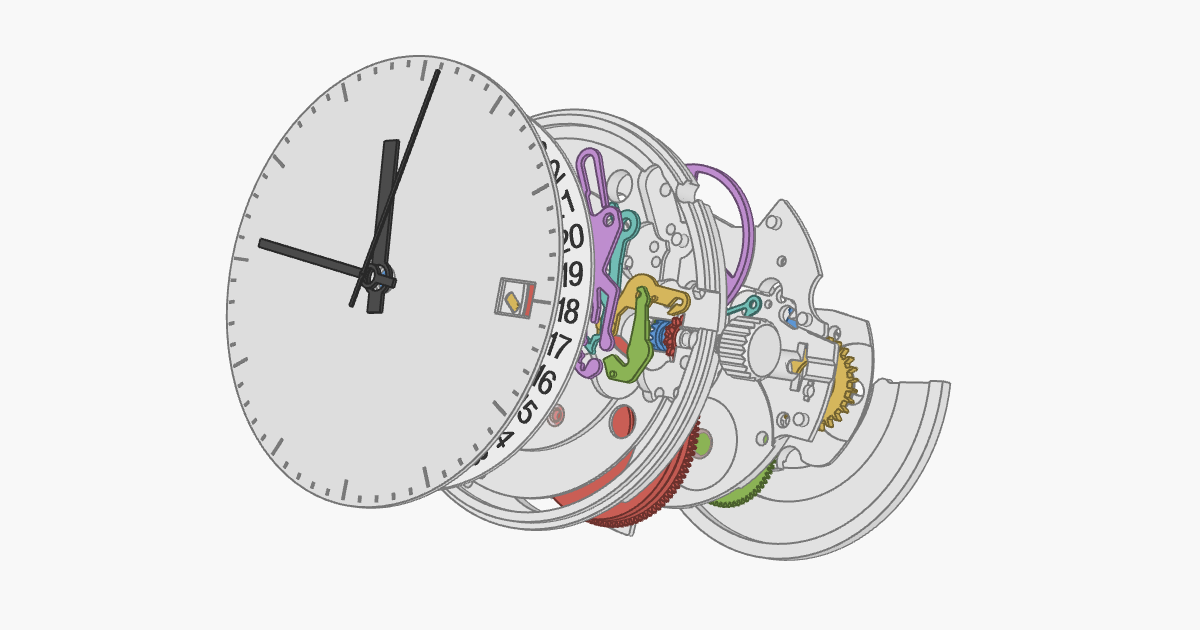
Interactive article explaining how a mechanical watch works.
Mechanical Watch – Bartosz Ciechanowski
Interactive article explaining how a mechanical watch works.
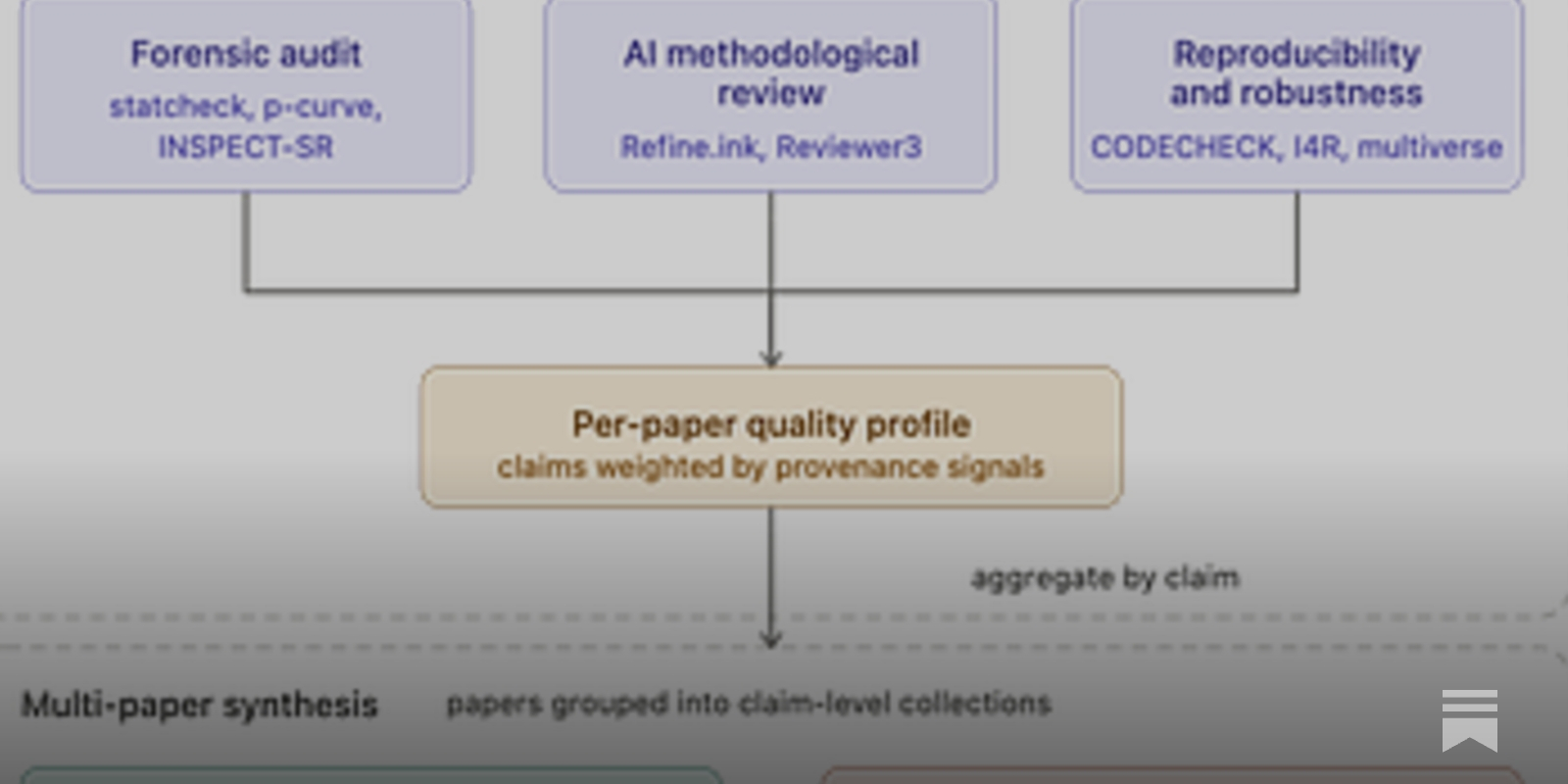
The new way we’ll do science
Papers should become human-readable views over a graph of data, tools, results, and certificates.

Design Engineering with Maggie Appleton
Podcast Episode · The Pragmatic Engineer · September 23 · 1h 27m

Typechecker Zoo - Stephen Diehl
Personal blog of Stephen Diehl - Software engineer writing about technology, programming, and the future

Dragoncatcher the blog
Robin Sloan's lab notebook, about media and technology, creative computing, AI aesthetics, & more.

ADD / XOR / ROL
A blog about reverse engineering, mathematics, politics, economics and more ...
papers-we-love/papers-we-love
Papers from the computer science community to read and discuss.
Joanna Russ- SF and Technology as Mystification
Talk about technology, long familiar to science-fiction readers and writers, is getting popular in Academia too. Particularly interesting to humanists is the connection between technology and whatever their own particular subject happens to be; I've attended three such formal symposia in the last five years, six including SF conventions, and including informal discussions among students, in writing classes, SF classes, and elsewhere, somewhere between fifty and sixty.