


A conversation with Vinay Gupta (Mattereum)
Broken Circles: 10 Critical Failures of the Circular Economy
Preface: This article was inspired by the term "Sustainababble" (a term that refers to the widespread misuse or overuse of sustainability-related terms and concepts, often resulting in vague, misleading, or exaggerated claims about environmental or social responsibility). I fear that "Circular Econo

Culturalizing sustainability
Policy-makers and scientists dominate high-level sustainability debates but any decision that follows has consequences for ordinary people in their local communities and environments. We asked experts to reflect on the importance of embracing a culturally informed, bottom-up approach to the sustainability discourse and action.

Circling Back
Reflections on Sarafu, xDai, Gnosis, Circles UBI, Circles v2, and a shared movement toward community-governed commons.



The Power of Conversation: A Lesson from CS Lewis and JRR Tolkien | The Art of Manliness
Using an example from the lives of C.S. Lewis and J.R.R. Tolkien, we look at the power and importance of face-to-face conversation.

The Conversation Is the Commit - The Phoenix Architecture
Concentric Groups, Knowledge Bridges and Epistemic Communities
vs Elitism, Celebrity and Oligarchy This article is part of a series: ‘Stigmergy: Systems of Mass Collaboration’. Note: Concentric circles relate to sound amplification – the voic…

Sustainability is not enough: we need regenerative cultures
By Daniel C. Wahl


Embers of society: Firelight talk among the Ju/’hoansi Bushmen
Much attention has been focused on control of fire in human evolution and the impact of cooking on anatomy, social, and residential arrangements. However, little is known about what transpired when firelight extended the day, creating effective time for social activities that did not conflict with productive time for subsistence activities. Comparison of 174 day and nighttime conversations among the Ju/’hoan (!Kung) Bushmen of southern Africa, supplemented by 68 translated texts, suggests that day talk centers on economic matters and gossip to regulate social relations. Night activities steer away from tensions of the day to singing, dancing, religious ceremonies, and enthralling stories, often about known people. Such stories describe the workings of entire institutions in a small-scale society with little formal teaching. Night talk plays an important role in evoking higher orders of theory of mind via the imagination, conveying attributes of people in broad networks (virtual communities), and transmitting the “big picture” of cultural institutions that generate regularity of behavior, cooperation, and trust at the regional level. Findings from the Ju/’hoan are compared with other hunter-gatherer societies and related to the widespread human use of firelight for intimate conversation and our appetite for evening stories. The question is raised as to what happens when economically unproductive firelit time is turned to productive time by artificial lighting.

From Capitalist Technology to Commons-Based Tequiology | Snurblog — Axel Bruns
For the last stop of my current travels, I’m at the undisputed conference highlight of the academ

Being a Circle in a World Made for Triangles
Alanna (Krause) Irving is working with Open Collective, gathering stories at the forefront of transparent community-driven financial power.

The Conversation: In-depth analysis, research, news and ideas from leading academics and researchers.
Curated by professional editors, The Conversation offers informed commentary and debate on the issues affecting our world. Plus a Plain English guide to the latest developments and discoveries from the university and research sector.
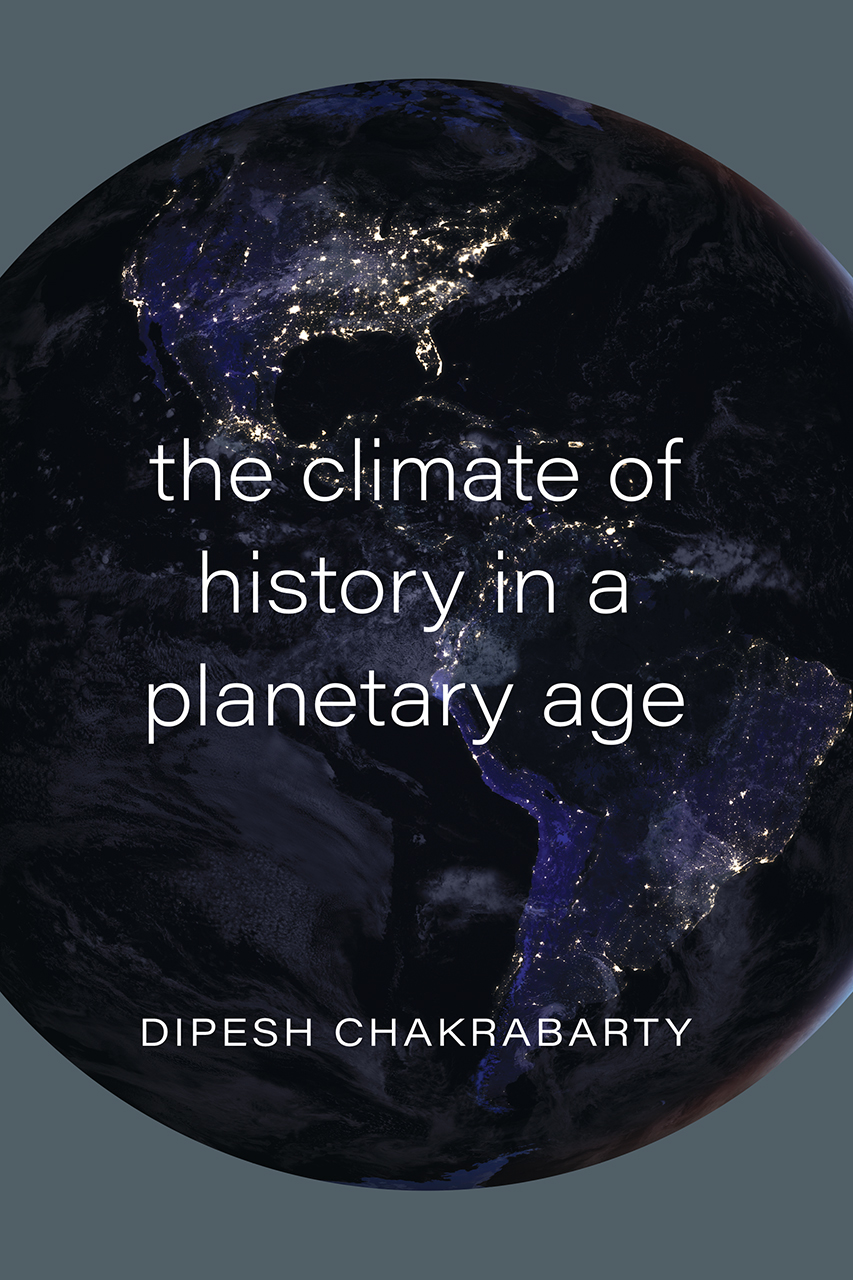
The Climate of History in a Planetary Age
For the past decade, historian Dipesh Chakrabarty has been one of the most influential scholars addressing the meaning of climate change. Climate change, he argues, upends long-standing ideas of history, modernity, and globalization. The burden of The Climate of History in a Planetary Age is to grapple with what this means and to confront humanities scholars with ideas they have been reluctant to reconsider—from the changed nature of human agency to a new acceptance of universals. Chakrabarty argues that we must see ourselves from two perspectives at once: the planetary and the global. This distinction is central to Chakrabarty’s work—the globe is a human-centric construction, while a planetary perspective intentionally decenters the human. Featuring wide-ranging excursions into historical and philosophical literatures, The Climate of History in a Planetary Age boldly considers how to frame the human condition in troubled times. As we open ourselves to the implications of the Anthropocene, few writers are as likely as Chakrabarty to shape our understanding of the best way forward.
Jason Hickel: Why a Liberated Palestine Threatens Global Capitalism