

Author’s note: this piece view into “civic hacking” was in response to the National Day of Civic Hacking last summer. It’s kind of snarky in parts so sorry for that. I’m generally optimistic about the possibilities here for civic engagement and am currently involved with tracking the organizations, government entities, and participants involved in civic hacking.
CIVIC HACKING IN PURSUIT OF DEMOCRACY
National Day of Civic Hacking 2018: IGNITE Boston
HACKING – A Hacker Manifesto
The apologists for the vectoral interest want to limit the se- mantic productivity of the term “hacker” to a mere crimi- nality, precisely because they fear its more abstract and multiple potential—its class potential. Everywhere one hears rumors of the hacker as the new form of juvenile delinquent, or nihilist vandal, or servant of organized crime. Or, the hacker is presented as a mere harmless subculture, an obsessive garage pursuit with its restrictive styles of appear- ance and codes of conduct. Everywhere the desire to open the virtuality of information, to share data as a gift, to ap- propriate the vector for expression is represented as the object of a moral panic, an excuse for surveillance, and the re- striction of technical knowledge to the “proper authorities.” This is not the first time that the productive classes have faced this ideological blackmail. The hacker now appears in the official organs of the ruling order alongside its earlier ar- chetypes, the organized worker, the rebellious farmer. The hacker is in excellent company
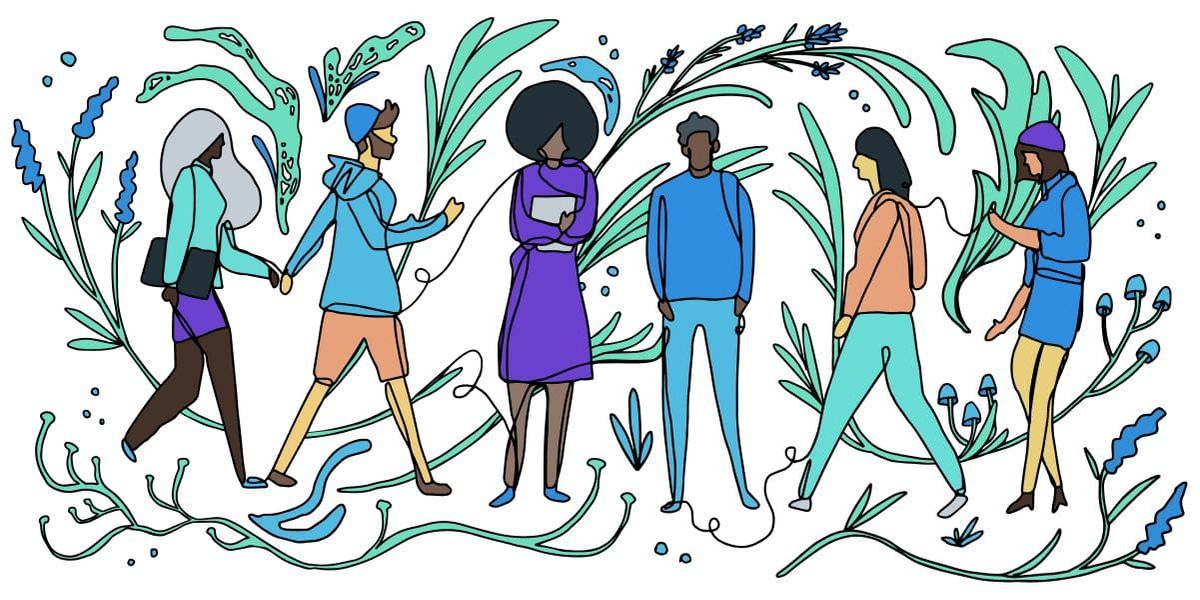
Catherine Bracy: Why good hackers make good citizens
Hacking is about more than mischief-making or political subversion. As Catherine Bracy describes in this spirited talk, it can be just as much a force for good as it is for evil. She spins through some inspiring civically-minded projects in Honolulu, Oakland and Mexico City — and makes a compelling case that we all have what it takes to get involved.

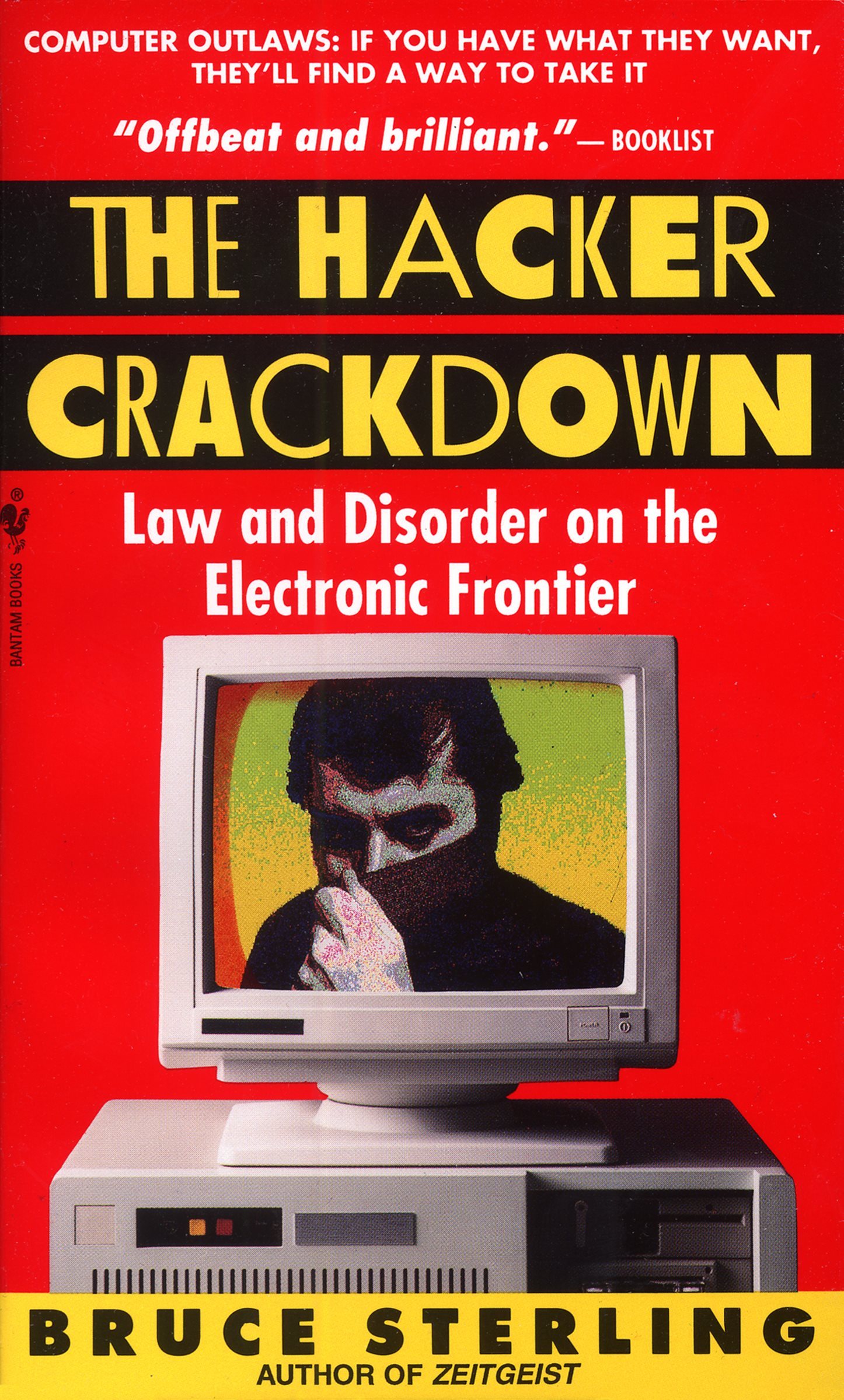
The hacker crackdown: law and disorder on the electronic frontier
A journalist investigates the past, present, and future…
The thing about being active in the hacker house scene is you are accidentally signing up for a career as a shadow politician in the Silicon Valley startup scene. This process is insidious because you’re initially just signing up for a place to live and a nice community. But giv
The thing about being active in the hacker house scene is you are accidentally signing up for a career as a shadow politician in the Silicon Valley startup scene. This process is insidious because you’re initially just signing up for a place to live and a nice community. But…— Sonia Joseph (@soniajoseph_) May 16, 2024
+KAOS: Ten Years of Hacking and Media Activism
At the end of the 20th century, hacking was bleeding edge. When the ideas, practices and pranks of this experimental niche of technophiles attracted the attention of a handful of activists in Italy, they understood that information and communication were what would give shape and voice to social, political, and cultural processes in the near future. +KAOS is a cut and paste of interviews, like a documentary film transposed on paper. It describes the peculiar relationship between hacktivism and activism, in Italy and beyond, highlighting the importance of maintaining digital infrastructures. While this may not sound as glamorous as sneaking into a server and leaking data, it is a fundamental topic: not even the most emblematic group of hacktivists can operate without the services of radical server collectives. Autistici/Inventati (https://www.autistici.org - https://www.inventati.org)

Socialroots - Civic tech infrastructure for networks
Coordination is hard. Let's simplify it!
Hacker, Hack Thyself
We’ve read so many sad stories about communities that were fatally compromised or destroyed due to security exploits. We took that lesson to heart when we founded the Discourse project; we endeavor to build open source software that is secure and safe for communities by default, even if there

Hacker, Hack Thyself
We’ve read so many sad stories about communities that were fatally compromised or destroyed due to security exploits. We took that lesson to heart when we founded the Discourse project; we endeavor to build open source software that is secure and safe for communities by default, even if there
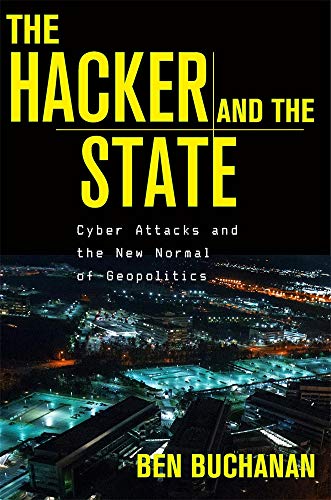
The Hacker and the State: Cyber Attacks and the New Nor…
Packed with insider information based on interviews, de…
Reflections on the First Hackathon at the White House – MIT Center for Civic Media
On Friday, February 22nd, 2013, the White House held its first ever hackathon. Twenty-one coders, data scientists, and user experience designers from around the country joined seven members of the White House’s development team to work on the first We the People API. I had the great privilege of participating in this event. (Dude! I went to the White House to hack! Ok, back to journalist voice).

Hacking the Hackathon
At their best, internal hackathons provide a necessary patch to systemic problems. But their usual structure limits their potential.

The Hackening
Last week at a small conference, there was talk about a future event referred to as The Hackening.
White House Network Possibly Exposed to Hackers Via Proxy Services
Evidence has emerged that White House staffers are using an app loaded with residential proxy services, which often sell IP addresses to anyone, including hackers.

Hackbase - HackerspaceWiki
A Hackbase or Hackerbase is a Live-in Hackerspace - a hackerspace with a capacity for coliving.