

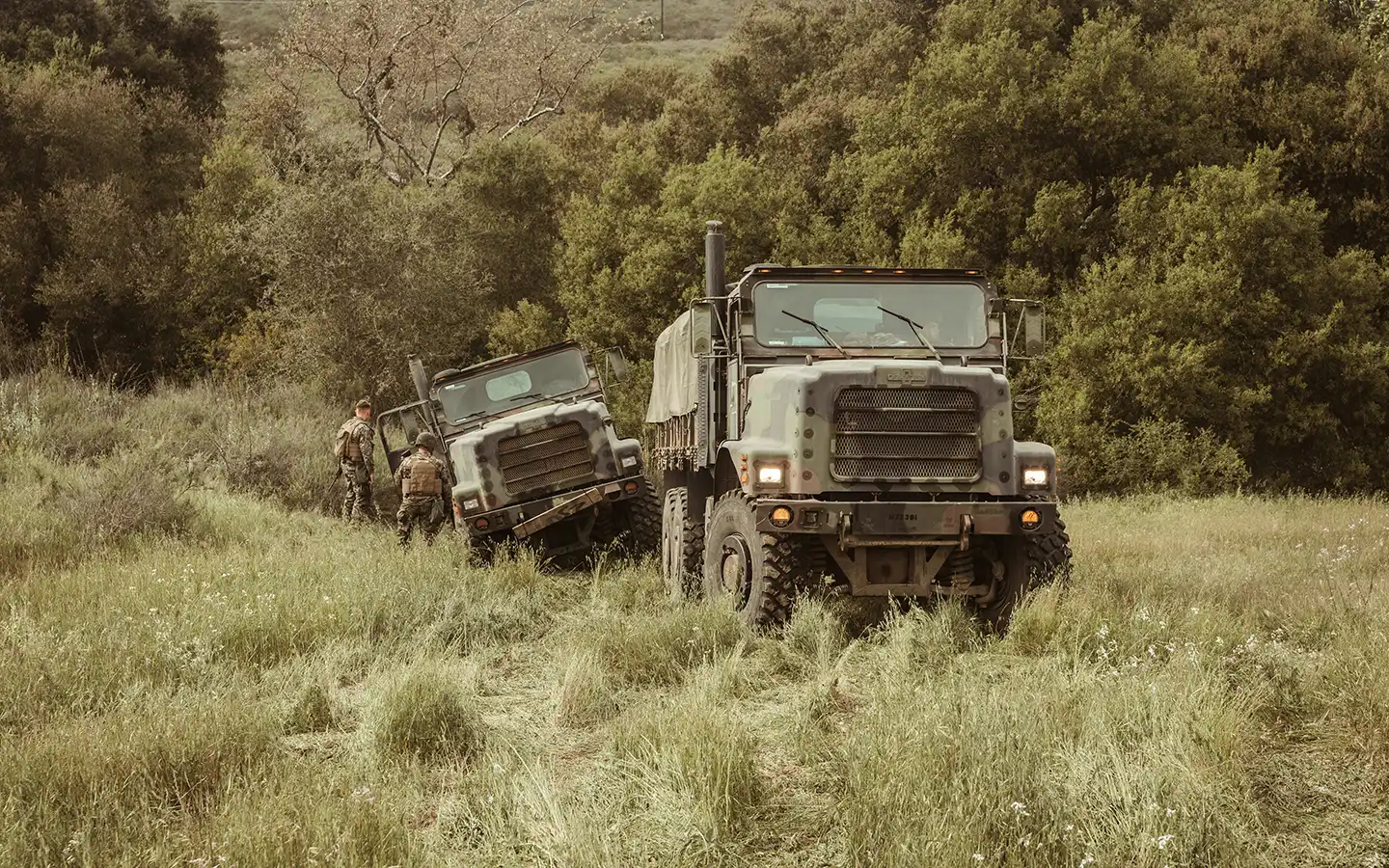
The Civilian Protection Monitor is a framework for monitoring state policy and practice on the protection of civilians from their own military actions.
The Civilian Impact of Drones: Unexamined Costs, Unanswered Questions | Center for Civilians in Conflict
This joint report from the Center for Civilians in Conflict and Columbia Law School’s Human Rights Clinic is an in-depth look at the US government’s covert drone program and its impact on civilian populations. Our objective is to critically assess US government procedures and standards for ensuring civilian protection and responding to civilian harm from…


Defense Intelligence: Comprehensive Plan Needed to Improve Stakeholder Engagement in the Development of New Military Intelligence System
Intelligence collected on foreign militaries is critical for the U.S. military. The Defense Intelligence Agency's database for this intelligence doesn...
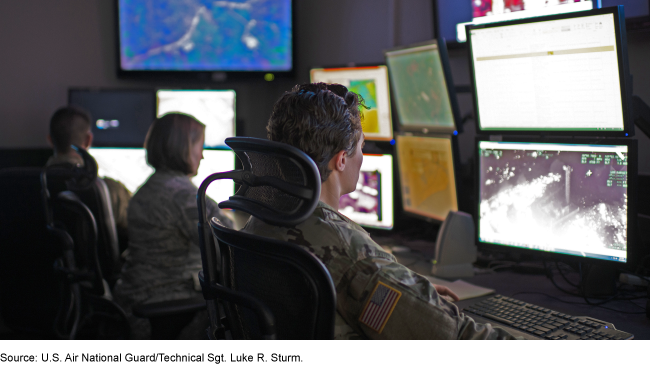
Home | Protecting Kids Online
Our mission is to protect children and defend parental rights by equipping families and citizens with the tools to keep kids safe online. We oppose government surveillance disguised as child safety legislation and seek to build an informed, independent parent-led coalition to #ProtectKidsOnline.

Massachusetts Cops Are Increasingly Monitoring Drones, But At What Cost?
As police and civilian drone usage climbs despite a lack of clear guidelines and changing rules, authorities, advocates, and amateurs struggle to keep a close watch on each other Although drones are seemingly suddenly everywhere these days, they have been floating above us for more than a century, and actually made their debut shortly after […]
The Citizen Lab - The Citizen Lab
The Citizen Lab is an interdisciplinary research unit at the Munk School of Global Affairs & Public Policy, University of Toronto. We apply our collective expertise in the fields of law, computer science, cybersecurity, political science, and social sciences to investigate complex issues of the 21st century. Explore focus areas Get the latest research in […]
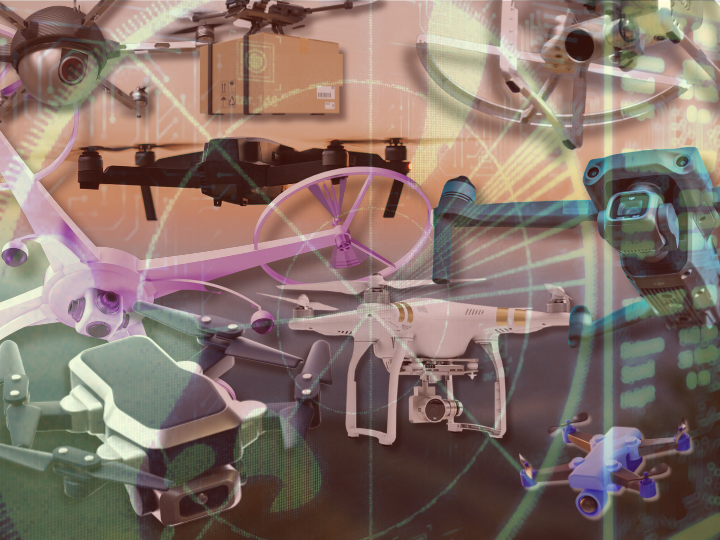
Surveillance Watch: They Know Who You Are
Surveillance Watch is an interactive map revealing the intricate connections between surveillance companies, their funding sources and affiliations.
State Capacity of Secret Surveillance
The state capacity-civil society tradeoff model tends to treat the “state” and “civil society” as separate entities who move to constrain one another. However, this modeling technique leaves out the nuances of individual action within a collective setting by treating each as a relative black box. This article explores this balance in the context of the surveillance state that has arisen in the 20th and 21st century. As state capacity in surveillance increases it better allows the state to respond to threats to citizens from citizens. However, the increased capacity also lessens the ability of societal pressure to check authoritarian advances even in a nation with a thriving civil society presence.
State Capacity of Secret Surveillance
The state capacity-civil society tradeoff model tends to treat the “state” and “civil society” as separate entities who move to constrain one another. However, this modeling technique leaves out the nuances of individual action within a collective setting by treating each as a relative black box. This article explores this balance in the context of the surveillance state that has arisen in the 20th and 21st century. As state capacity in surveillance increases it better allows the state to respond to threats to citizens from citizens. However, the increased capacity also lessens the ability of societal pressure to check authoritarian advances even in a nation with a thriving civil society presence.
Responsible use of AI in the military? US publishes declaration outlining principles
12 "best practices" for using AI and autonomous systems emphasize human accountability.
Protecting civilians in a data-driven and digitalized battlespace: toward a baseline humanitarian technology infrastructure
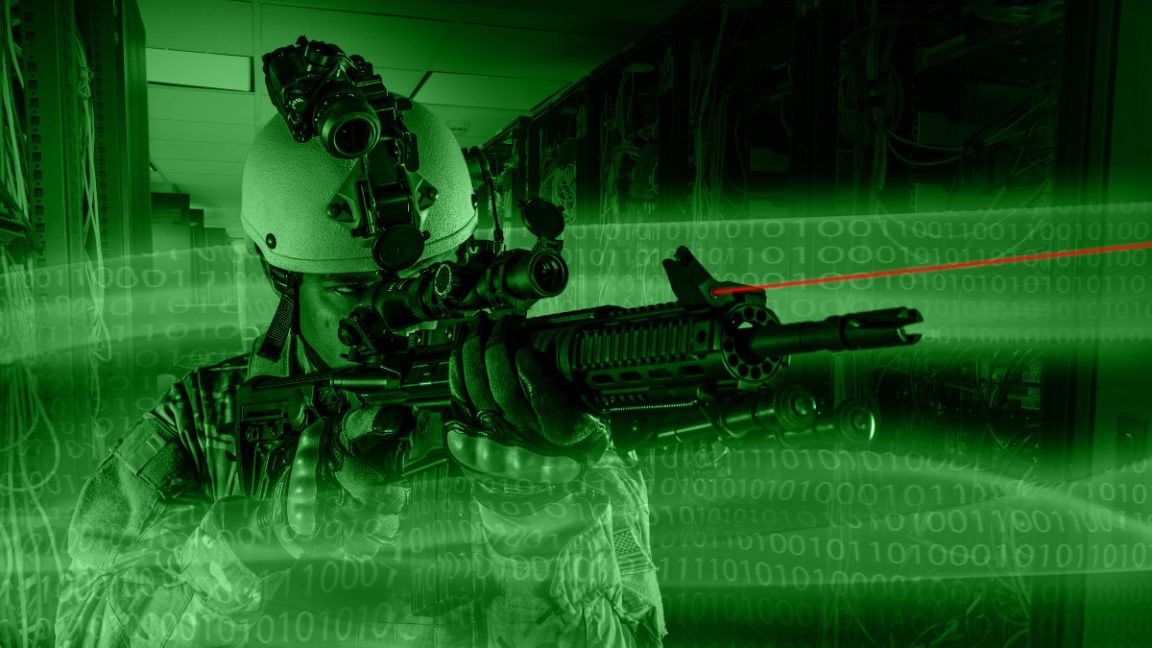
This article examines the realities of modern day warfare, including a rising trend in hybrid threats and irregular warfare which employ emerging technologies supported by digital and data-driven processes. The way in which these technologies become applied generates a widened battlefield and leads to a greater number of civilians being caught up in conflict. Humanitarian groups mandated to protect civilians have adapted their approaches to the use of new emerging technologies. However, the lack of international consensus on the use of data, the public and private nature of the actors involved in conflict, the transnational aspects of the widened battlefield, and the heightened security risks in the conflict space pose enormous challenges for the protection of civilians agenda. Based on the dual-usage aspect of emerging technologies, the challenges associated with regulation and the need for those affected by conflict to demonstrate resilience toward, and knowledge of, digital media literacy, this paper proposes the development of guidance for a "minimum basic technology infrastructure" which is supported by technology, regulation, and public awareness and education

Opportunities to Improve Military Policies and Practices to Reduce Civilian Harm From Explosive Weapons in Urban Conflict
This research paper seeks to contribute to further thinking and dialogue among States and their militaries that conduct operations in urbanized environments on what more can be done to reduce civilian harm by proposing practical measures in the form of options for consideration. UNIDIR seeks to enhance knowledge on ways to reduce risks and mitigate harm to civilians from the effects of explosive weapons in urbanized environments. This research frames the issue of explosive weapons in the broader context of protection of civilians in urban conflict and focuses on multilateral operations. The research takes a comprehensive approach to civilian protection from a ‘risk reduction’ perspective—that is, seeking to understand where the risks and uncertainties lie in the entire ‘civilian protection life cycle’, recognizing that civilian harm is the cumulative effect of numerous risks and decisions made from formulating mandates, planning, execution, assessment and response to lessons learned and institutional learning. Particular focus is placed on the targeting and weaponeering processes. Citation: Roger Lane, Larry Lewis and Himayu Shiotani (2019) "Opportunities to Improve Military Policies and Practices to Reduce Civilian Harm From Explosive Weapons in Urban Conflict", UNIDIR, Geneva, Switzerland. https://doi.org/10.37559/CAAP/19/PACAV/11 TRANSLATIONS To read the report in French, click here.
Surveillance Self-Defense
We’re the Electronic Frontier Foundation, a member-supported non-profit working to protect online privacy for over thirty-five years. This is Surveillance Self-Defense: our expert guide to protecting you and your friends from online spying. Read the BASICS to find out how online surveillance works. Dive into our TOOL GUIDES for instructions...
ICRC President criticises drone use in warfare over rising civilian casualties
ICRC President Mirjana Spoljaric Egger warns that drones are being used to deliberately target civilians, eroding international humanitarian law.

The shifting battlefield: technology, tactics, and the risk of blurring lines in warfare - Humanitarian Law & Policy Blog
The accelerating integration of emerging technologies into armed conflict is transforming not only the tools of war, but its tactics, geography, participants and impact. Technological developments – from commercial drones to artificial intelligence, electronic warfare to the military use of civilian infrastructure – risk undermining boundaries between military and civilian domains. These changes challenge long-held...
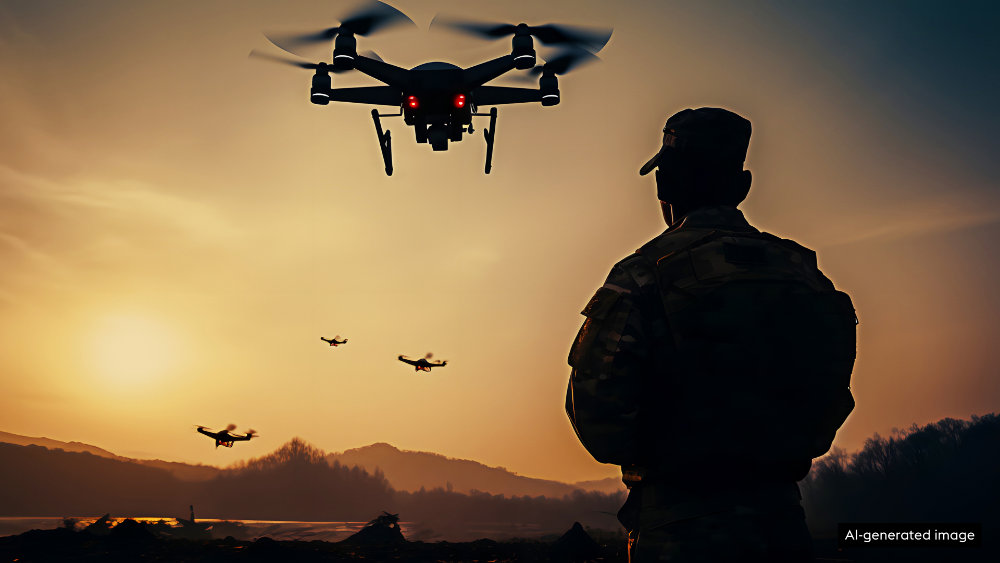
Defense Ministry questioned over intelligence gathering on domestic experts
A Ground Self-Defense Force unit made assessments about patriotism, beliefs and sexual preferences, news reports alleged.
