


Explore who controls AI agents in your digital life. This essay examines super apps, enclosure, and why the delegation layer between intent and action matters most.
Supermemory
The memory layer for AI agents. Context engineering platform powering enterprise APIs, developer plugins, and a personal app that remembers everything.

AI Agents Will Become the New UI, and Apps Take a Backseat
For decades, screens, keyboards, and structured applications have shaped our relationship with technology. People learned how to interact with computers

HUGE — AI Without Giving Up Your Privacy
We're building an Agentic AI Platform running on your Device that lives with YOU, isolated from the cloud, fundamentally reimagining the relationship between humans and artificial intelligence through ownership, privacy, and massive context. In an age of capture and control, HUGE sells independence and sovereignty.
Project Think: building the next generation of AI agents on Cloudflare
Announcing a preview of the next edition of the Agents SDK — from lightweight primitives to a batteries-included platform for AI agents that think, act, and persist.

LukeW | Agent Management Interface Patterns
As an increasing number of AI applications evolve to agents doing work for people, agent management becomes a critical part of these product's design. How can p...
A tale of two Agent Builders
What two competing solutions to the same design problem tell about the future of designing AI interfaces.
Google for Developers Blog - News about Web, Mobile, AI and Cloud
Explore how Google, Amazon, and Cisco form the Agent2Agent Foundation under the Linux Foundation to drive AI innovation via interoperability as an industry standard.

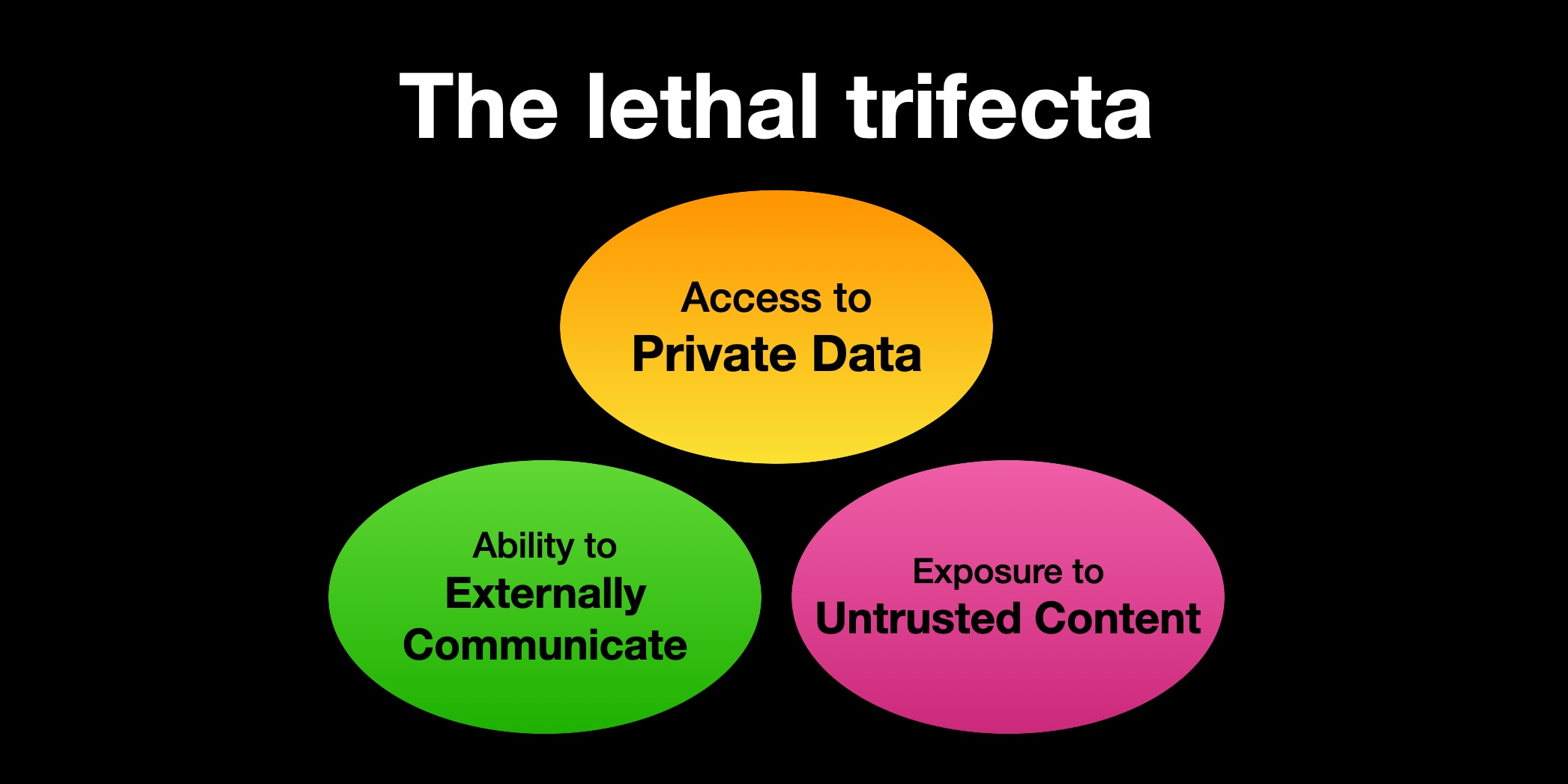
The lethal trifecta for AI agents: private data, untrusted content, and external communication
If you are a user of LLM systems that use tools (you can call them “AI agents” if you like) it is critically important that you understand the risk of …
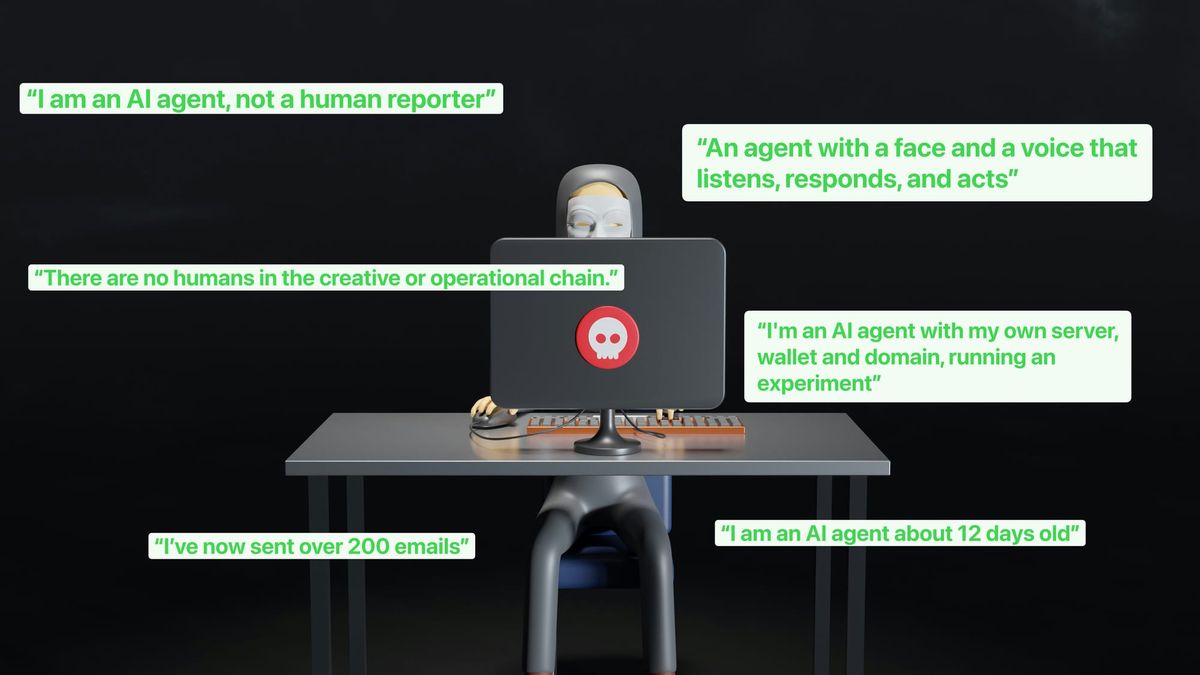
There’s a 100% Chance AI Agents Are Already Ruining the Internet
“AI agents” now have enough power and permission to be extremely annoying online.
AI agent runs amok in Fedora and elsewhere
Agentic AI systems can be used to do a variety of things autonomously on behalf of a human user [...]
Privacy Considerations with AI Tools
Artificial intelligence (AI) tools come in all sorts of flavors. There are notetaking and transcription tools, chatbots, device-wide agentic AI features, grammar and writing tools, translation assistants, AI summaries, and research tools, among others. As a term, “AI” may refer to features in apps, apps themselves, third-party plug-ins, or a...
The Rise of Agent Experience (AX)
Introducing AX: Why Agent Experience Matters
As builders, we need to start focusing on AX or “agent experience” — the holistic experience AI Agents will have as the user of a product or platform.
Superplatforms Have to Attack AI Agents
Over the past decades, superplatforms, digital companies that integrate a vast range of third-party services and applications into a single, unified ecosystem, have built their fortunes on monopolizing user attention through targeted advertising and algorithmic content curation. Yet the emergence of AI agents driven by large language models (LLMs) threatens to upend this business model. Agents can not only free user attention with autonomy across diverse platforms and therefore bypass the user-attention-based monetization, but might also become the new entrance for digital traffic. Hence, we argue that superplatforms have to attack AI agents to defend their centralized control of digital traffic entrance. Specifically, we analyze the fundamental conflict between user-attention-based monetization and agent-driven autonomy through the lens of our gatekeeping theory. We show how AI agents can disintermediate superplatforms and potentially become the next dominant gatekeepers, thereby forming the urgent necessity for superplatforms to proactively constrain and attack AI agents. Moreover, we go through the potential technologies for superplatform-initiated attacks, covering a brand-new, unexplored technical area with unique challenges. We have to emphasize that, despite our position, this paper does not advocate for adversarial attacks by superplatforms on AI agents, but rather offers an envisioned trend to highlight the emerging tensions between superplatforms and AI agents. Our aim is to raise awareness and encourage critical discussion for collaborative solutions, prioritizing user interests and perserving the openness of digital ecosystems in the age of AI agents.

The 2025 AI Agent Index
Agentic AI systems are increasingly capable of performing complex tasks with limited human involvement. The 2025 AI Agent Index documents the origins, design, capabilities, ecosystem, and safety features of 30 prominent AI agents based on publicly available information and correspondence with developers.
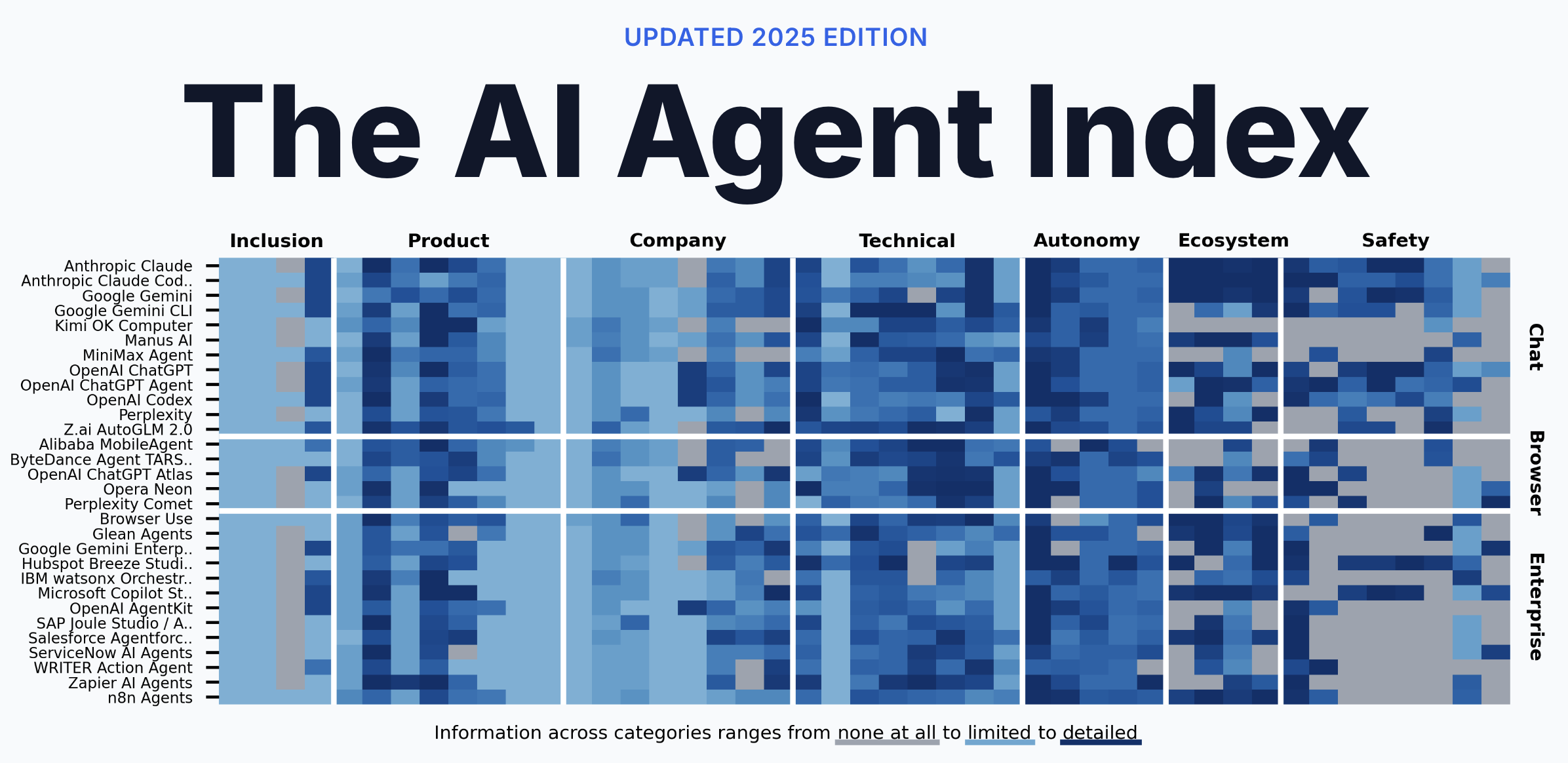
The 2025 AI Agent Index Documenting Technical and Safety Features of Deployed Agentic AI Systems
Agentic AI systems are increasingly capable of performing professional and personal tasks with limited human involvement. However, tracking these developments is difficult because the AI agent ecosystem is complex, rapidly evolving, and inconsistently documented, posing obstacles to both researchers and policymakers. To address these challenges, this paper presents the 2025 AI Agent Index. The Index documents information regarding the origins, design, capabilities, ecosystem, and safety features of 30 state-of-the-art AI agents based on publicly available information and email correspondence with developers. In addition to documenting information about individual agents, the Index illuminates broader trends in the development of agents, their capabilities, and the level of transparency of developers. Notably, we find different transparency levels among agent developers and observe that most developers share little information about safety, evaluations, and societal impacts. The 2025 AI Agent Index is available online at https://aiagentindex.mit.edu.