

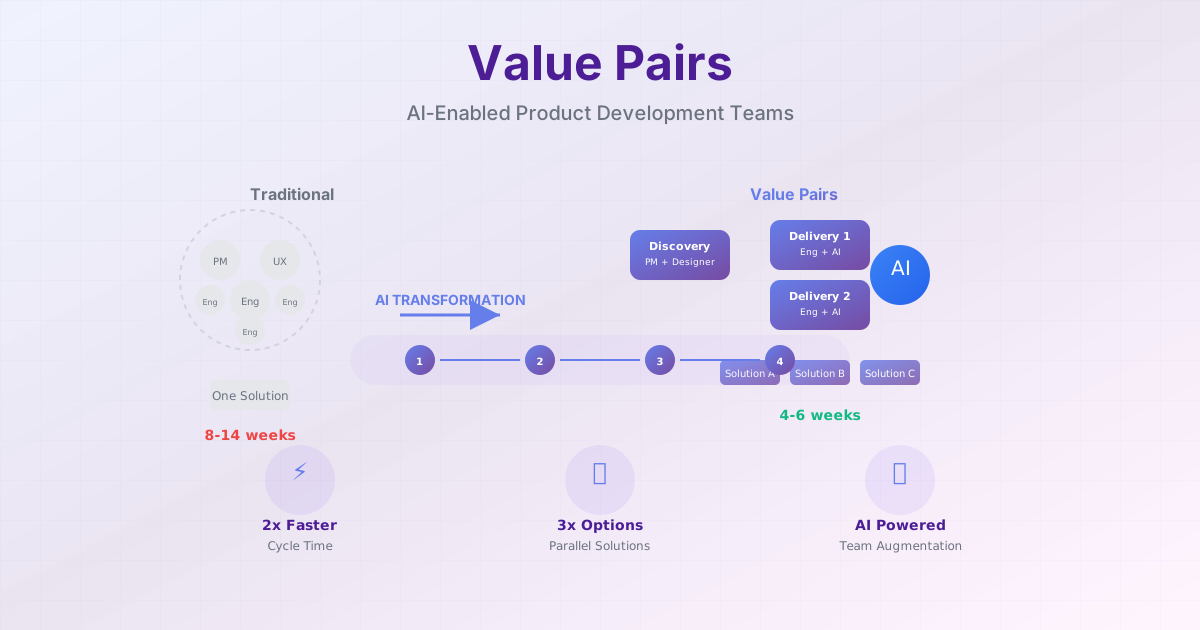
How AI-enabled teams can change how we think about product development
Bring a Product Manager Mindset to Your Next Engineering Job
The age of AI demands strong ideas, data driven methods, and experimentation

How building software is changing at Anthropic
A deepdive on what’s changed in how the leading AI lab makes software. Ever more code review and testing is done by AI, two-pizza teams very much alive, and more. Details from inside of Anthropic

AI Values Dashboard
How leading AI models value different people, companies, countries, and groups.
We build AI that works for humans
Imbue builds AI to help people think, create, and build. We share our tools openly because we believe progress in AI should be collaborative and developer-driven

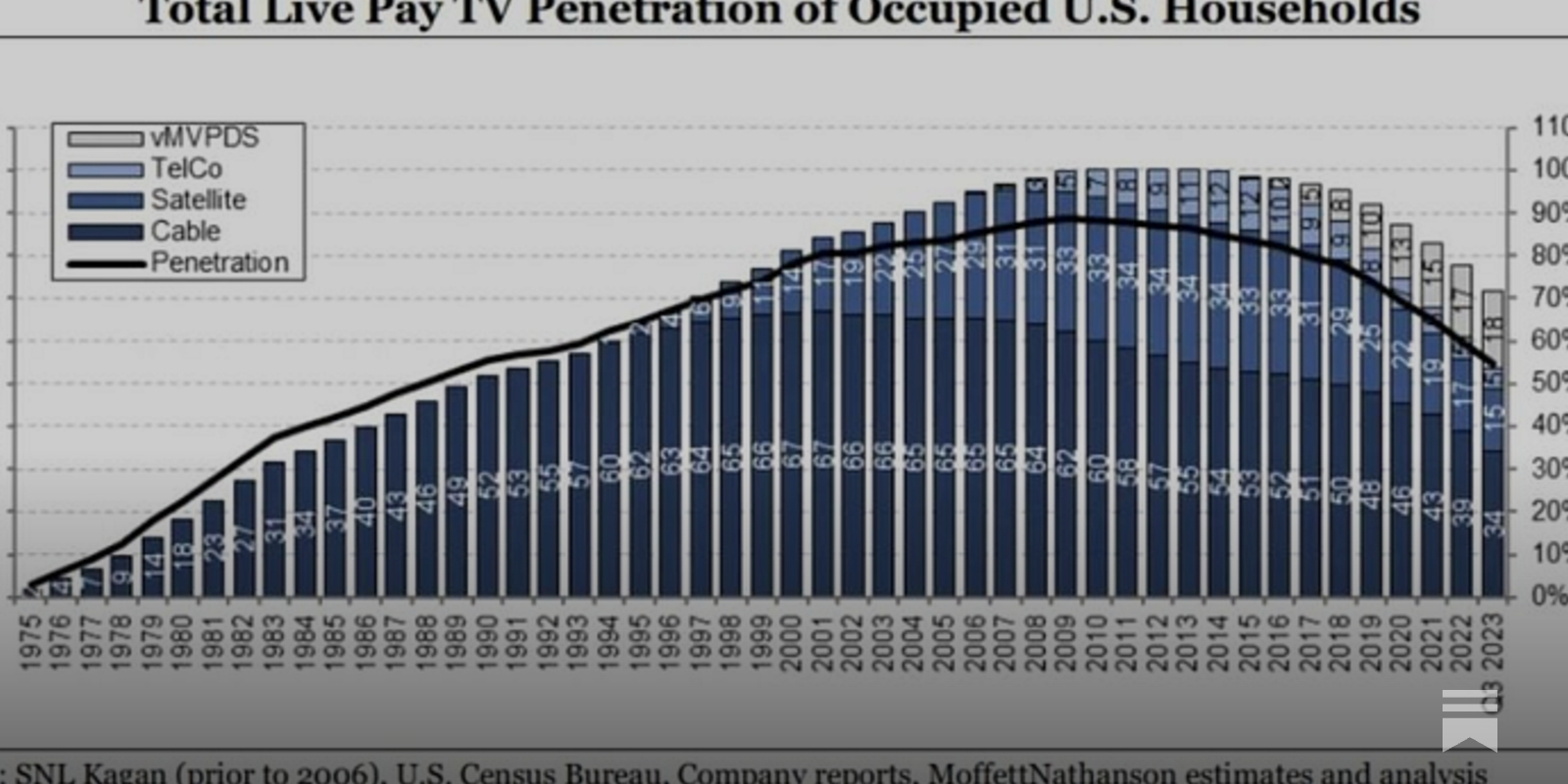
AI is Creating Peak Software, Media is the Best Analogy
Let's learn more about the world's most important manufactured product. Meaningful insight, timely analysis, and an occasional investment idea.
I am often wrong
[I shared this note with my team earlier this week, and am posting it here as well. I hope it is interesting or helpful for others working on building product in the age of AI.]
Why AI Makes Things Worse for Enterprise Teams, by Paul Ford
Why are so few engineering teams reaping the benefits of AI? On this week’s episode, Paul presents Rich with the findings from a recent report from CircleCI and
AI Prototype Generator for Product Teams | Magic Patterns
AI prototyping tool to turn prompts into production-ready UI. Use your design system, generate prototypes fast, and collaborate.

Product teams struggled to create intent. AI let them think they could skip it.
Teams struggled to produce intent. AI let them think they could skip it.


Everything is ugly, so go build something that isn't — Raiza Martin, Huxe (ex NotebookLM)
Augment Code Pricing - Plans for Teams and Enterprise
Simple, transparent pricing for AI-powered development. Plans for individuals, teams, and enterprise.
Ideation with Generative AI—in Consumer Research and Beyond
Abstract The use of generative AI (genAI) in consumer research is rapidly evolving, with applications including synthetic data generation, data analysis, and more. However, their role in creative ideation—a cornerstone of consumer research—remains underexplored. Drawing on the human creativity literature, we propose that ideation with genAI is facilitated by its productivity and semantic breadth, which are psychologically analogous to the dual pathways of persistence and flexibility in human ideation. Further, we distinguish between the utility of genAI as a key ideator versus humans as key ideator, conceptualized through the genAI ideation roles of Designer and Writer and of Interviewer and Actor. While genAI excels in generating incremental improvements, its potential for groundbreaking innovation could be unlocked by leveraging its ability to prompt human creativity. This article advances the theoretical and practical understanding of genAI in ideation for consumer research, offering numerous practical guidelines for integrating generative AI into research while emphasizing human–AI collaboration to achieve radical insights.
The AI Roles Continuum: Blurring the Boundary Between Research and...
The rapid scaling of deep neural networks and large language models has collapsed the once-clear divide between "research" and "engineering" in AI organizations. Drawing on a qualitative synthesis...

How teams build – Linear
AI usage patterns in software teams: who is adopting AI, how it reshapes where teams spend their time, and how much more they ship.
Home
Research, expert perspectives, and product announcements from Atlassian on how teams can work smarter with AI. Subscribe for monthly insights on the future of teamwork.