

Channels are queues that carry values and support multiple writers and readers. Channels are created with chan. Values in a channel are stored in a buffer. Buffers are never unbounded and there are several provided buffer types:
Stage Channels FAQ
Note: - Stage channels are only available within Community servers. For more details on enabling community, please check this article here!What does this FAQ cover? What are Stage channels? How do...
Protocol Buffers
Protocol Buffers are language-neutral, platform-neutral extensible mechanisms for serializing structured data.
/ are.na practise | Are.na
notes on, resources for, and reflections upon using this tool. sort of a meta-ch…7B%22facet%22%3A%22SCORE%22%2C%22dir%22%3A%22DESC%22%7D%7D), specific to channel
You're Invited to Join a Channel on Anytype
Tap to accept the invitation and join the channel.
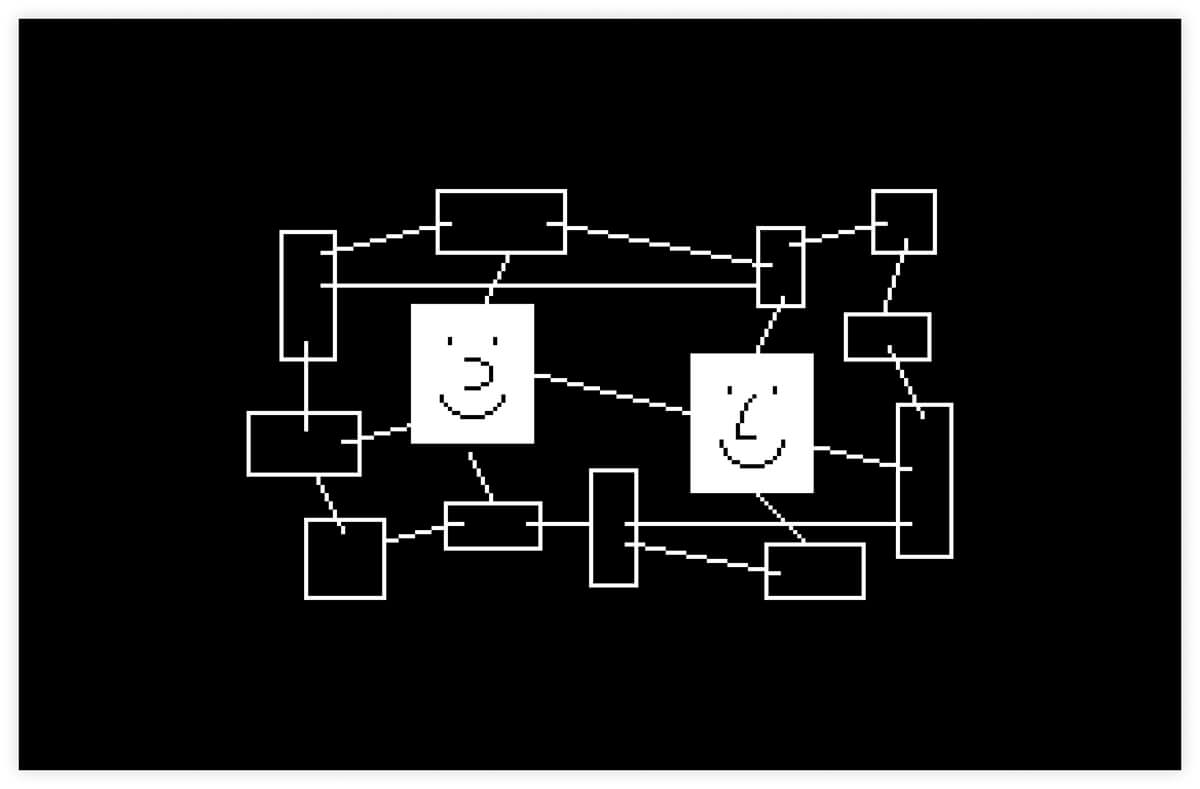
Command Buffers :: Vulkan Documentation Project
Command buffers are objects used to record commands which can be subsequently submitted to a device queue for execution. There are two levels of command buffers - primary command buffers, which can execute secondary command buffers, and which are submitted to queues, and secondary command buffers, which can be executed by primary command buffers, and which are not directly submitted to queues.
The vCon - Conversation Data Container - Overview
A vCon is the container for data and information relating to a real- time, human conversation. It is analogous to a [vCard] which enables the definition, interchange and storage of an individual's various points of contact. The data contained in a vCon may be derived from any multimedia session, traditional phone call, video conference, SMS or MMS message exchange, webchat or email thread. The data in the container relating to the conversation may include Call Detail Records (CDR), call meta data, participant identity information (e.g. STIR PASSporT), the actual conversational data exchanged (e.g. audio, video, text), realtime or post conversational analysis and attachments of files exchanged during the conversation. A standardized conversation container enables many applications, establishes a common method of storage and interchange, and supports identity, privacy and security efforts (see [vCon-white-paper])
Readwise MCP Server - Readwise Docs
The Model Context Protocol (MCP) standardizes how applications provide context to Large Language Models (LLMs). The Readwise MCP was created to act as a...
Bibliograph — Overview
Bibliograph AT Protocol AppView: procedures and queries served by the net.olamaelcu.livtet.biblio lexicon.
Introduction · Standard Reader
Build on Standard — an open reading network on the AT Protocol. What the developer docs cover.
How Streamplace Works: VOD (Closed Beta) - How Streamplace Works
Memory in Agents: What, Why and How
LLM memory gives language models persistent context across sessions. Learn how it works, how it differs from RAG and context windows, and how to add LLM memory to your agents with Mem0.

hello! yeah! quite a lot of PLC progress (and some left to go). (warning: long thread) 1. there is an official reference read-replica implementation: github.com/did-method-plc/go-didplc/tree… the official read-replica is better than the Allegedly reference-server-wrapper that i made, in two important ways:

bogosbinted69420.bsky.social
hello, has there been progress on this since the writeup? thank you for your work, i'm not grasping the full extent of it but i'm really interested in decentralization of the atmosphere


