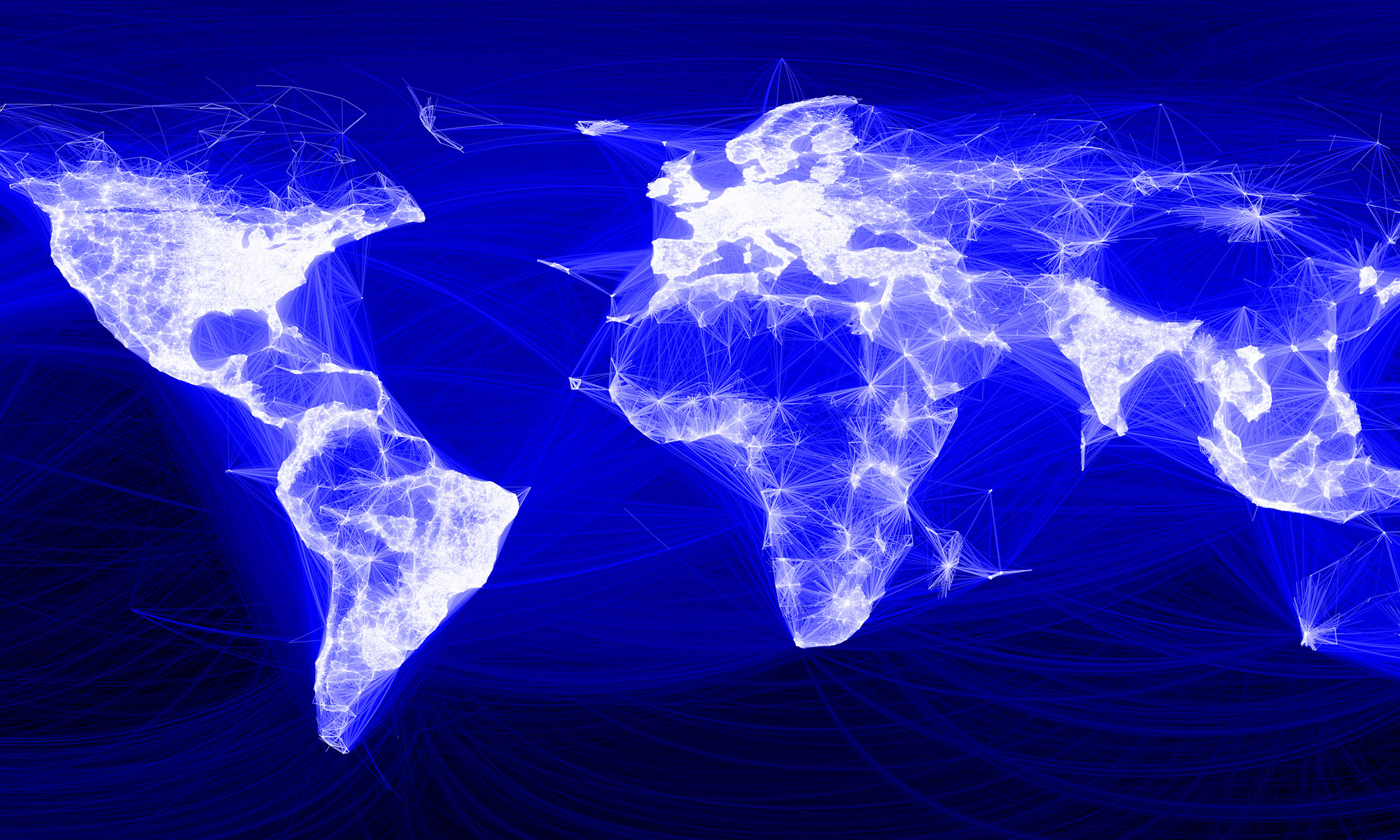
Today nearly 4 billion people globally do not have access to the Internet. It’s why Facebook, along with many other companies and governments, is investing heavily to address the three key ba…
The Last Mile
Living without the Internet is a reality for the vast majority of people on the Earth. With Facebook and Google treating connection speeds and bandwidth like disposable cutlery, you can hardly guess why they’re having such a terrible time continuing to grow their userbase around the world. The problem is the infrastructure isn’t available. The “last mile,” as it is often referred to, is sub-par in most parts of the world.
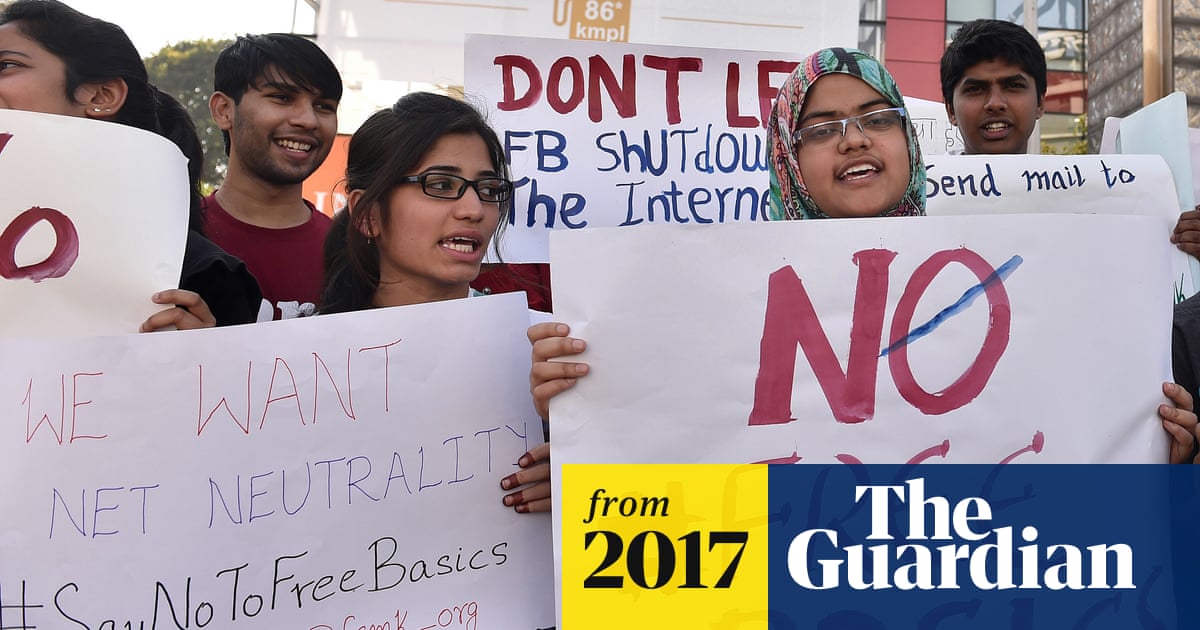
'It's digital colonialism': how Facebook's free internet service has failed its users
Free Basics, built for developing markets, focuses on ‘western corporate content’ and violates net neutrality principles, researchers say
Facebook pays teens to install VPN that spies on them | TechCrunch
Desperate for data on its competitors, Facebook has been secretly paying people to install a "Facebook Research" VPN that lets the company suck in all of

ATmosphere Conf 2026: the internet built for people, not platforms
370 people in Vancouver, 500 online, all working on the same question: what does the internet look like when users own their data? Highlights from the AT Protocol community conference.

How web bloat impacts users with slow devices
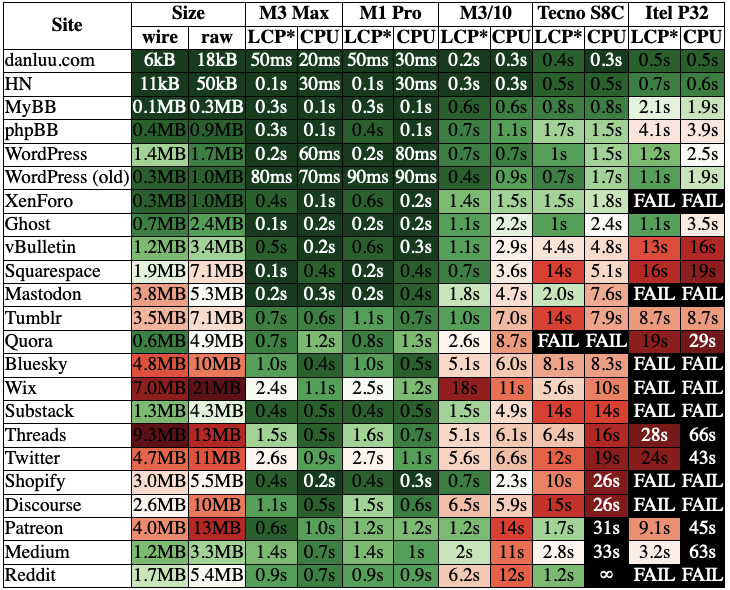
In 2017, we looked at how web bloat affects users with slow connections. Even in the U.S., many users didn't have broadband speeds, making much of the web difficult to use. It's still the case that many users don't have broadband speeds, both inside and outside of the U.S. and that much of the modern web isn't usable for people with slow internet, but the exponential increase in bandwidth (Nielsen suggests this is 50% per year for high-end connections) has outpaced web bloat for typical sites, making this less of a problem than it was in 2017, although it's still a serious problem for people with poor connections.
The Internet Economy
We are living in an era of bundling. The big five consumer tech companies — Google, Apple, Facebook, Amazon, and Microsoft — have moved far…
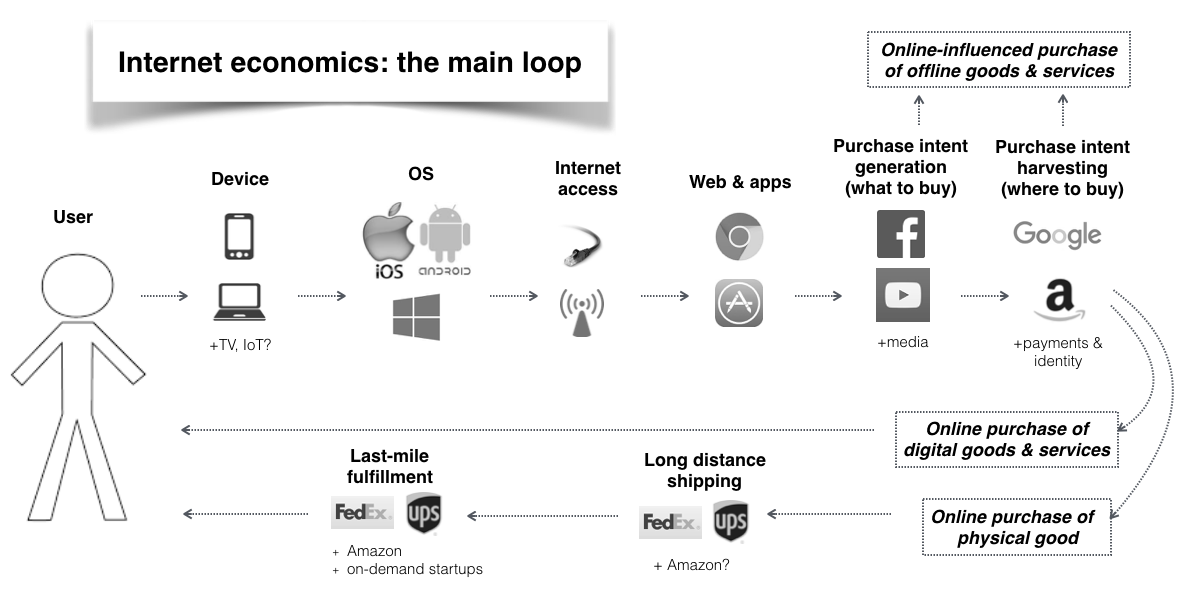
The Internet Isn’t Facebook: How Openness Changes Everything
Openness makes the Internet harder to govern — but also makes it resilient, innovative, and difficult to capture. Let's look at how the openness of the Internet both defines it and ensures its success.

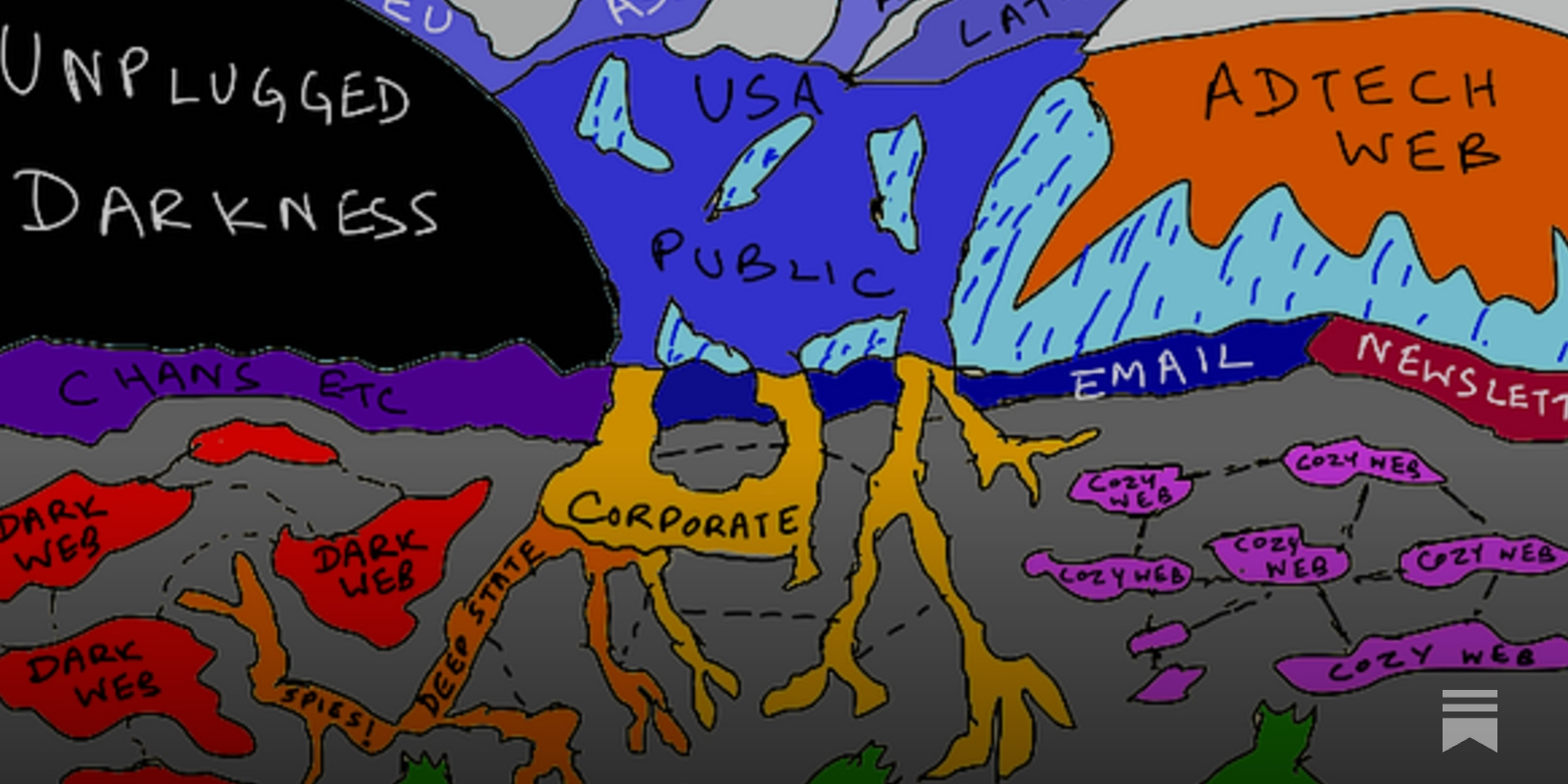
The Extended Internet Universe
The Internet is now a very complicated place
How Facebook and Google fund global misinformation
The tech giants are paying millions of dollars to the operators of clickbait pages, bankrolling the deterioration of information ecosystems around the world.

Note from Mark Zuckerberg
Everything we do at Facebook is focused on our mission to make the world more open and connected.
Facebook Said to Create Censorship Tool to Get Back Into China (Published 2016)
The social network, blocked in China since 2009, has developed software to keep posts from appearing in users’ news feeds in specific geographic areas, current and former employees said.

Publishers fearing Facebook dependency: fight for your future, reinvent RSS.
Right now Facebook accounts for over 40% of all traffic for U.S. news organizations, making many dependent on the social network for…

One Response to the Cambridge Analytica Scandal: Block Facebook's
With Facebook in a dominant position in hosting a huge portion of the world’s social conversation, we’ve been worried about the incredible power the company has accumulated and the risks that poses

Facebook’s AI Spam Isn’t the ‘Dead Internet’: It’s the Zombie Internet
Facebook is the zombie internet, where a mix of bots, humans, and accounts that were once humans but aren’t anymore interact to form a disastrous website where there is little social connection at all.

553,000,000 Reasons Not to Let Facebook Make Decisions About Your
Another day, another horrific Facebook privacy scandal. We know what comes next: Facebook will argue that losing a lot of our data means bad third-party actors are the real problem that we should