


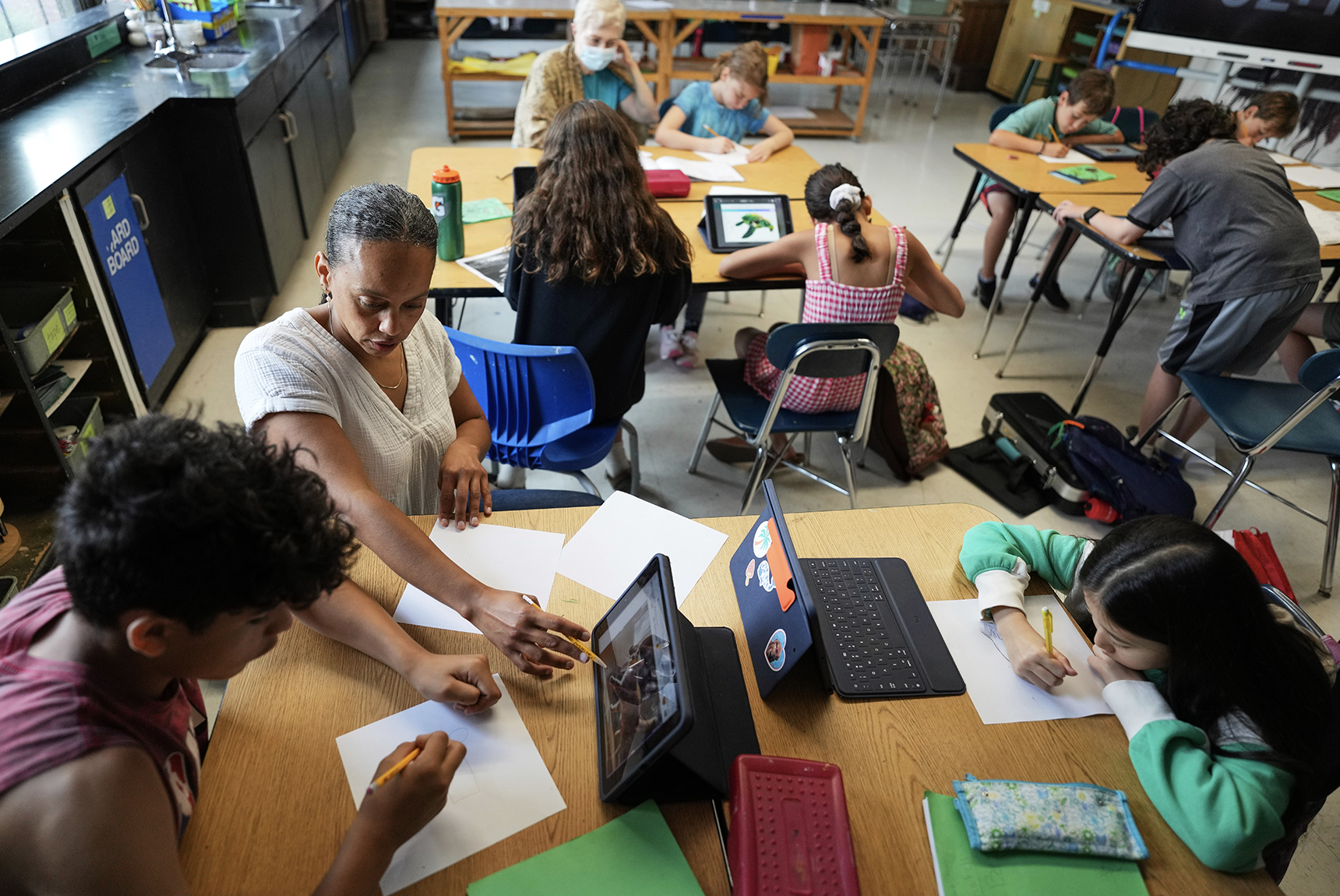
Photo by Mick Haupt on Unsplash Over the past year or so, a narrative that AI will inevitably transform education has become widespread. You can find it in the pronouncements of investors, tech ind…
AI in the workplace vs. AI in education
Quoting Dan Willingham: Students should only use AI for things that they already know how to do well.
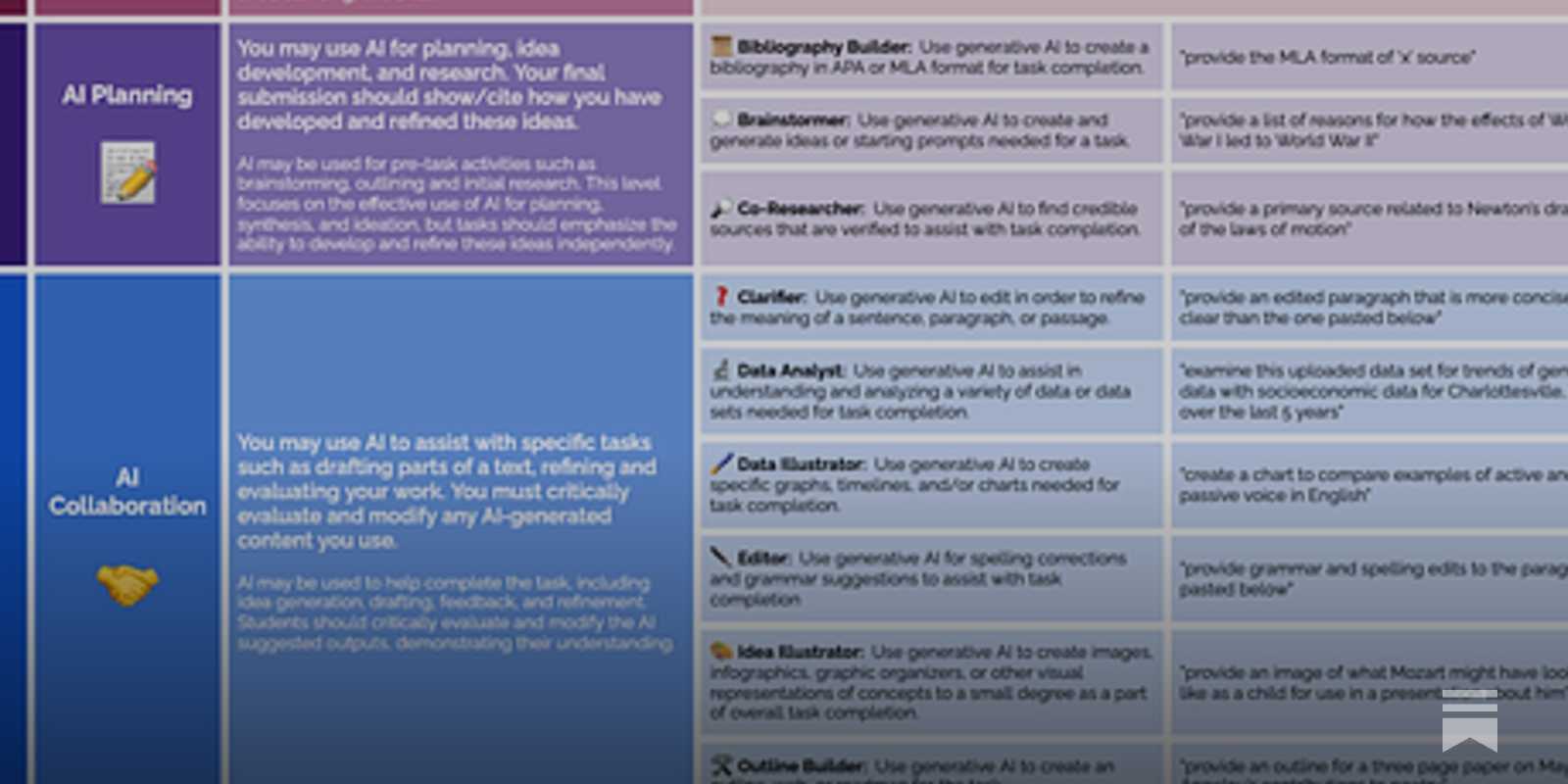
Artificial intelligence, cognitive offloading and implications for education
This report investigates the challenge driven by the rapidly expanding use of artificial intelligence (AI) in schooling: the risk that students will outsource too much of the cognitive work that is crucial to establishing knowledge, skill and ‘thinking infrastructure’. The report includes specific recommendations for policy and teaching and learning strategies.
AI is eating the academic publishing industry alive, but some good might come of it
In a publish-or-perish environment where numbers count much more than quality, artificial intelligence has become the great disruptor. But what this could ultimately lead to is universities rebuilding…

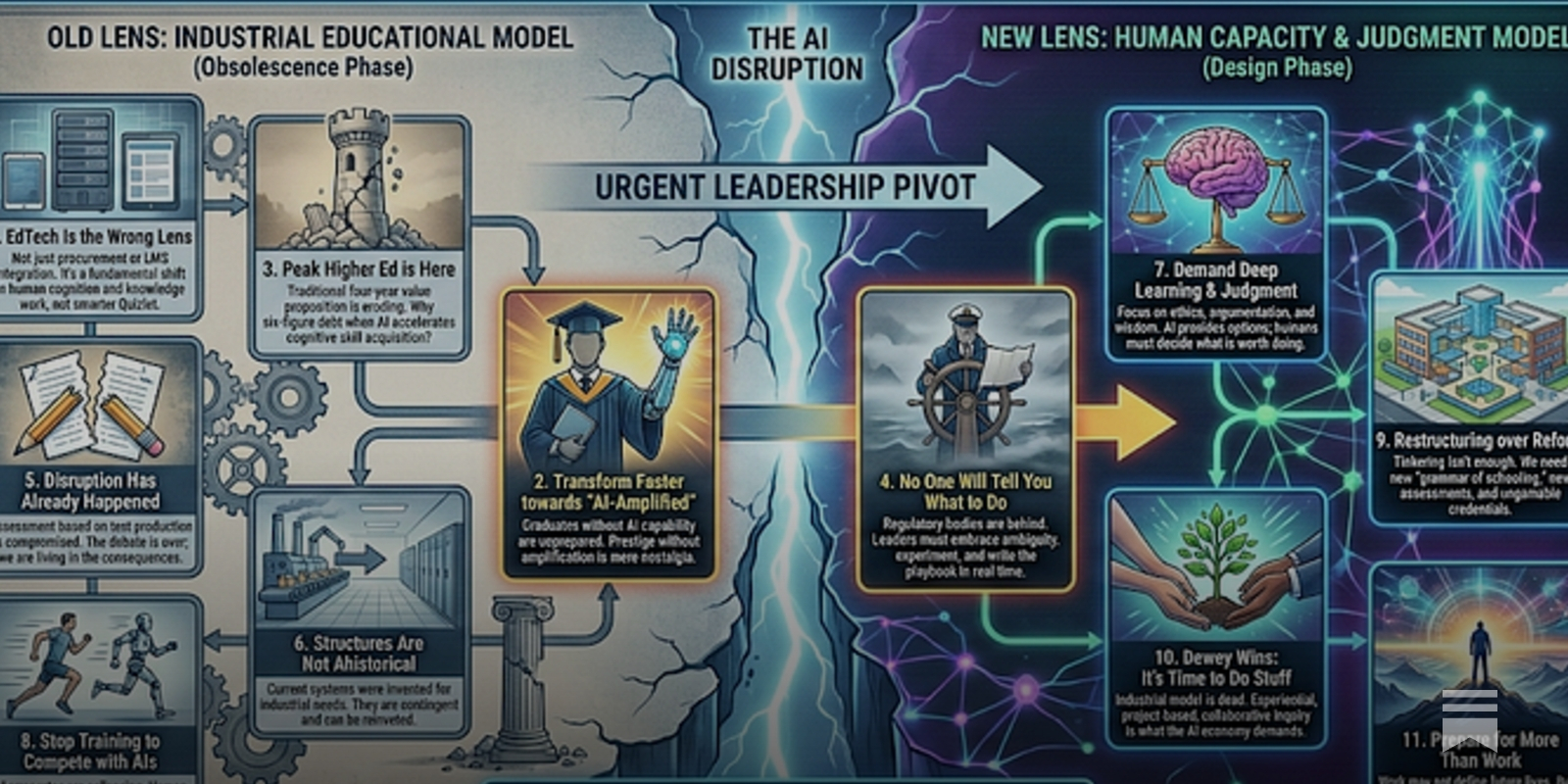
Eleven Things I Wish Educators Understood About AI and What it Means for "Education"
Thank you to all the supporters of this Substack.
What Parents Need to Know About AI in the Classroom | Stanford HAI
From immersive learning and personalized tutors to lesson plans and grading, AI is everywhere in K-12 education.

AI Literacy Across the Curriculum
As you have no doubt seen, AI is becoming ubiquitous in our lives and in the technologies we use every day. Generative AI is no longer an experimental tool, but a deployed technology in many of the…


Luiza Jarovsky, PhD on Twitter / X
🚨 University professors have been saying AI is completely destroying learning and that we'll soon have an AI-powered, semi-illiterate workforce. Here's a glimpse into the educational apocalypse:"Sarah, a freshman at Wilfrid Laurier University in Ontario, said she first used… pic.twitter.com/Rq6zUi5mRp— Luiza Jarovsky, PhD (@LuizaJarovsky) May 6, 2026

The Impact of Artificial Intelligence on Education and Workforce Trajectories in Tech: A Workshop
Convened by the National Academies’ Action Collaborative on Education and Workforce Trajectories in Tech, The Impact of Artificial Intelligence on Education and Workforce Trajectories in Tech is a one-day exploratory workshop examining how AI is altering the value of human expertise, organizational workforce structures, and career pathways in the tech sector. Bringing together leaders from higher education, industry, and research institutions, discussions will consider how education and workforce systems can prepare individuals with the ethical, technical, and analytical capabilities needed to adapt and thrive in an AI-impacted landscape.
The Ed. Dept. Wants to Steer Grant Money to AI. What That Means for Schools
The Education Department is proposing to make advancing AI in education one of its grantmaking priorities.
70 years of AI hype
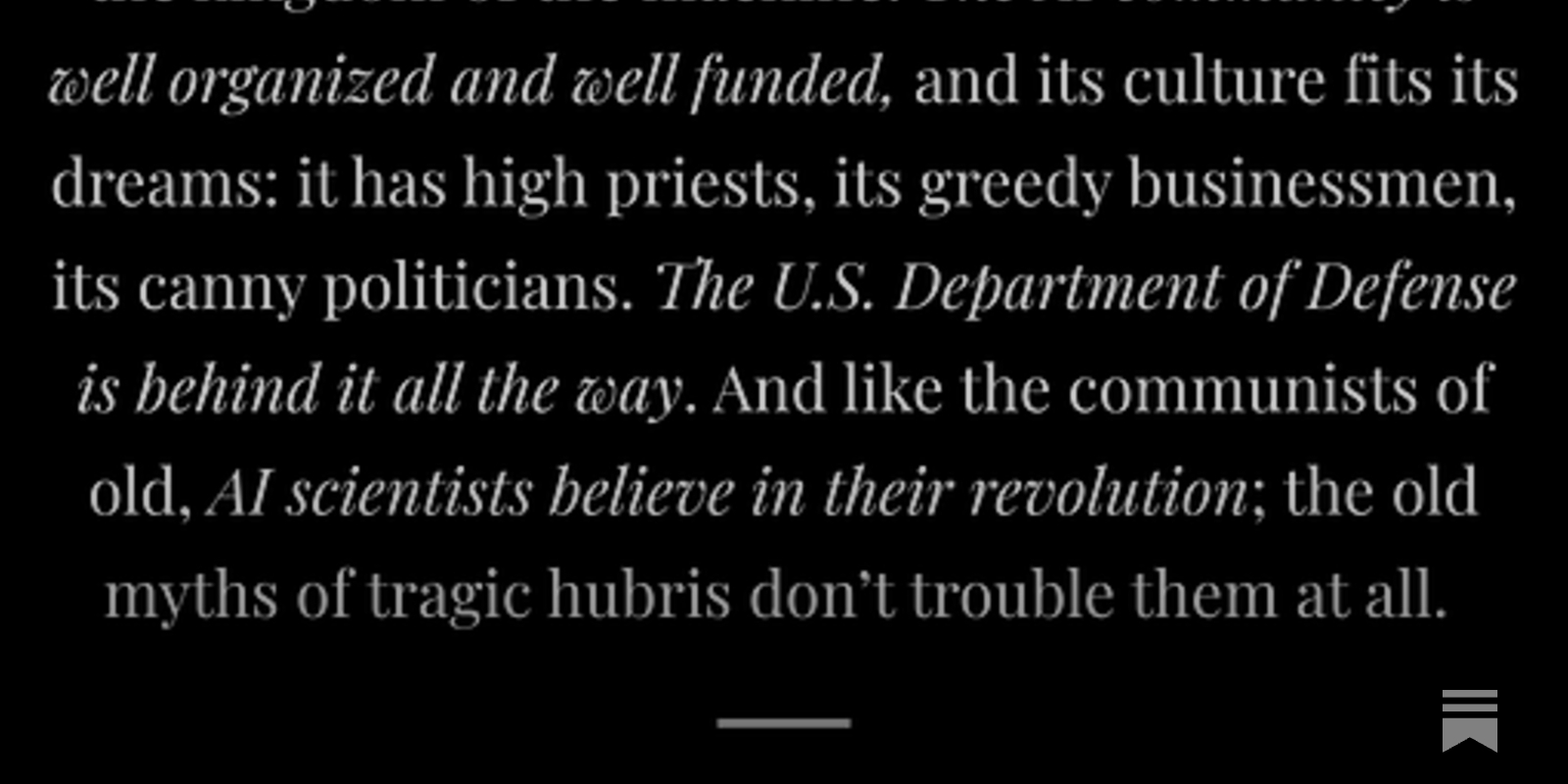
Quoting from Olivia Guest et al. (2025) "Against the Uncritical Adoption of AI Technologies in Academia."
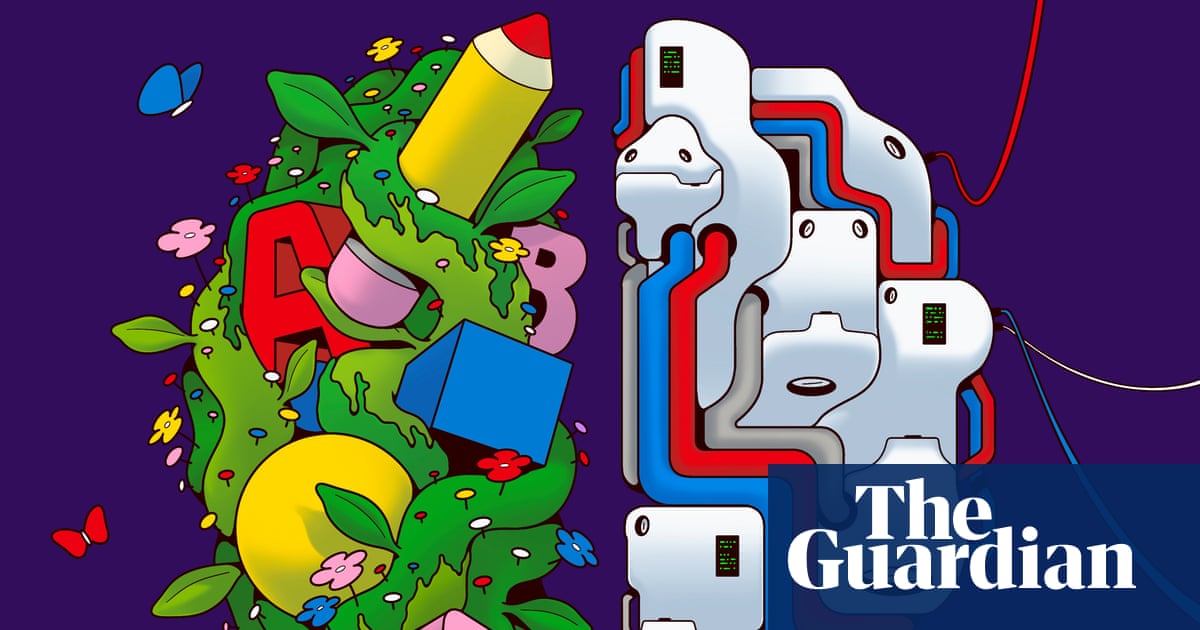
The UAE embraces AI for kindergartners
The country’s approach offers a glimpse of what education could look like if AI literacy becomes as fundamental as reading and writing.

‘I hate what AI is doing to the minds and happiness of the young’: Katherine Rundell on the view from the classroom
Education is at a crossroads, argues the author and academic. Should we embrace new technology in the name of efficiency, or is it time to fight back?
Editorial | Penn has an AI problem
The Daily Pennsylvanian Editorial Board argues that Penn’s choice to embrace AI is detrimental to the institution of higher education.
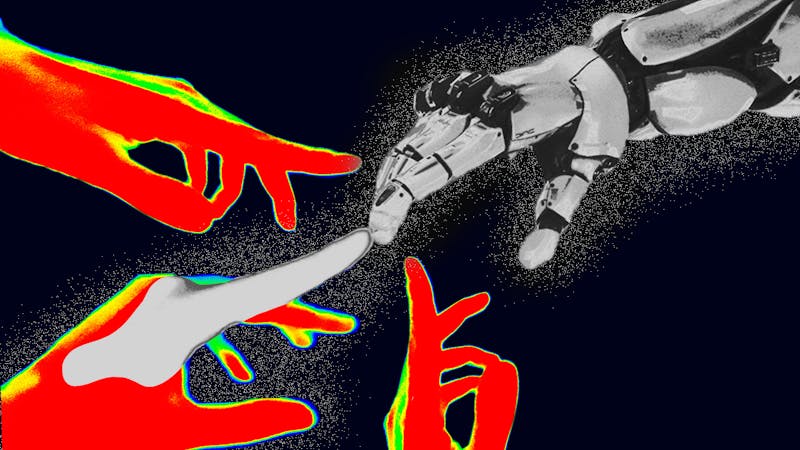
What counts as evidence in AI & ED: Towards Science-for-Policy 3.0
Abstract Since the 1990s, there have been heated debates about how evidence should be used to guide teaching practice and education policy, and how educational research can generate robust and trustworthy evidence. This paper reviews existing debates on evidence-based education and research on the impacts of AI in education and suggests a new conceptualisation of evidence aligned with an emerging learning-oriented model of science-for-policy, which we call S4P 3.0. Existing empirical evidence on AIED suggests some positive effects, but a closer look reveals methodological and conceptual problems and leads to the conclusion that existing evidence should not be used to guide policy or practice. AI is a new type of technology that interacts with human cognition, communication, and social knowledge infrastructures, and it requires rethinking what we mean by “learning outcomes” and policy and practice-relevant evidence. A common belief that AI-supported personalisation will “revolutionise” education is historically rooted in a methodological confusion that we call the Bloomian paradox in AIED, and based on a limited view on the social functions of education.