


A code demo by Matthew Morete created on CodePen
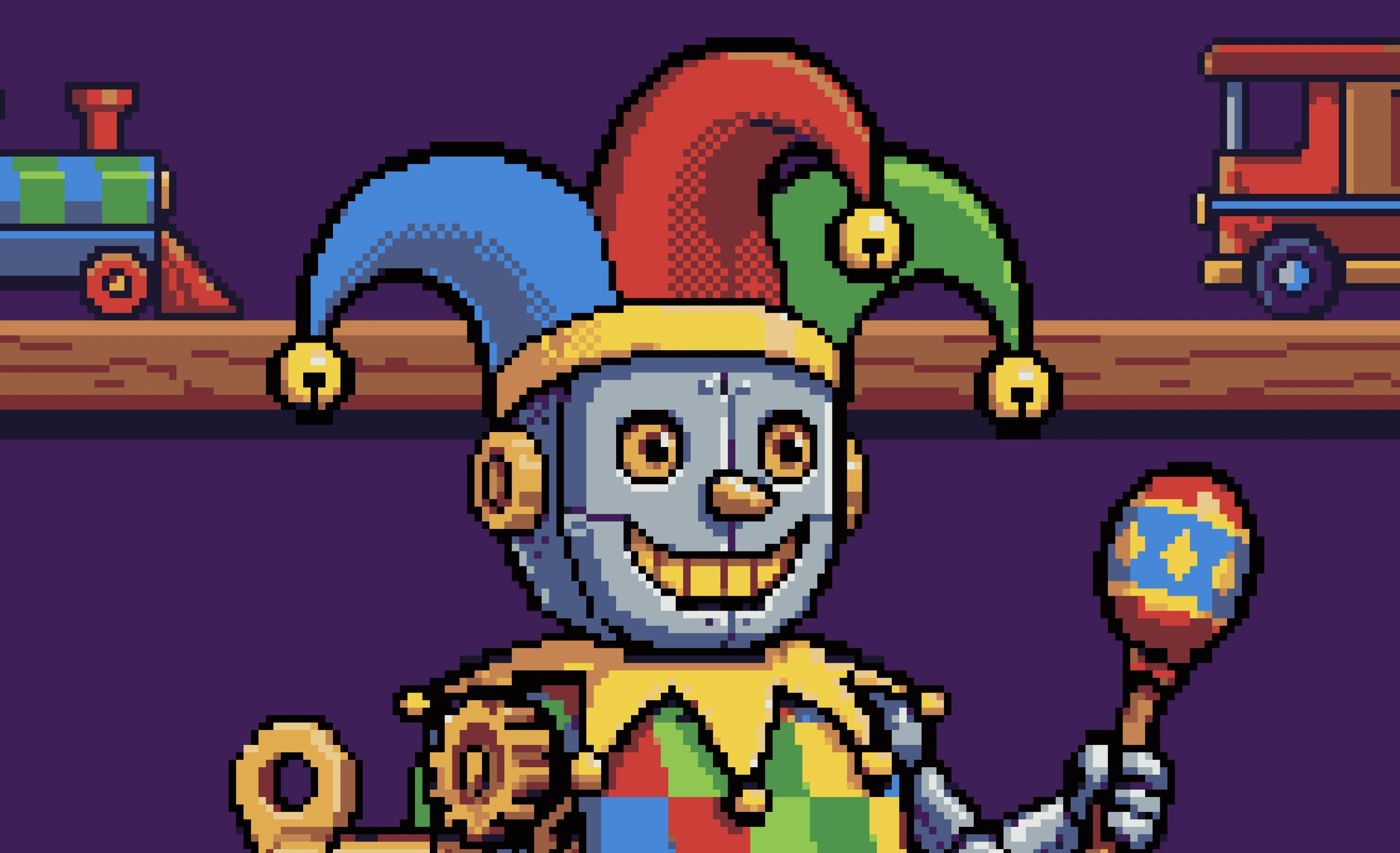
Sprite Fusion Pixel Snapper - Fix messy pixels from AI generated pixel art
Sprite Fusion Pixel Snapper is a free tool that automatically fixes messy, blurry, or inconsistent pixels into a perfect pixel grid. Ideal for AI generated pixel art.

Lindenmayer Systems
Let me show you how to use Lindenmayer systems to produce beautiful images like this one:
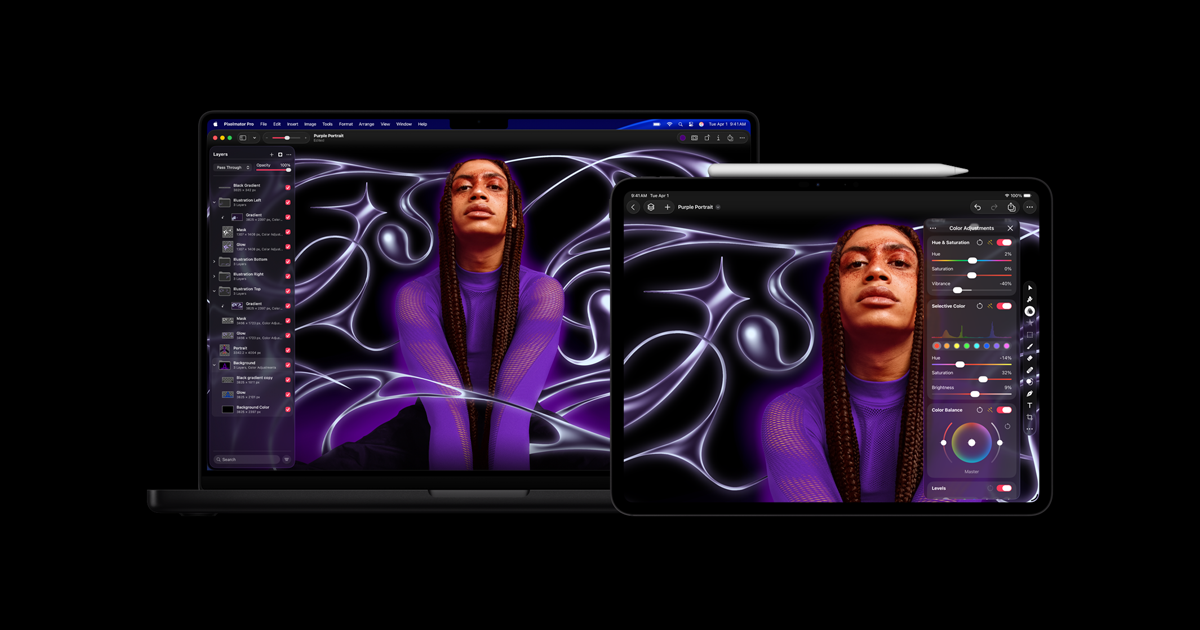
Pixelmator Pro
Pixelmator Pro is a powerful, easy-to-use image editor that brings professional tools and powerful AI features to everyone across Mac and iPad.
Sora's Pixel Converter - Retro Pixel Art Generator
Convert images into pixel art with a retro Windows 95-style interface.


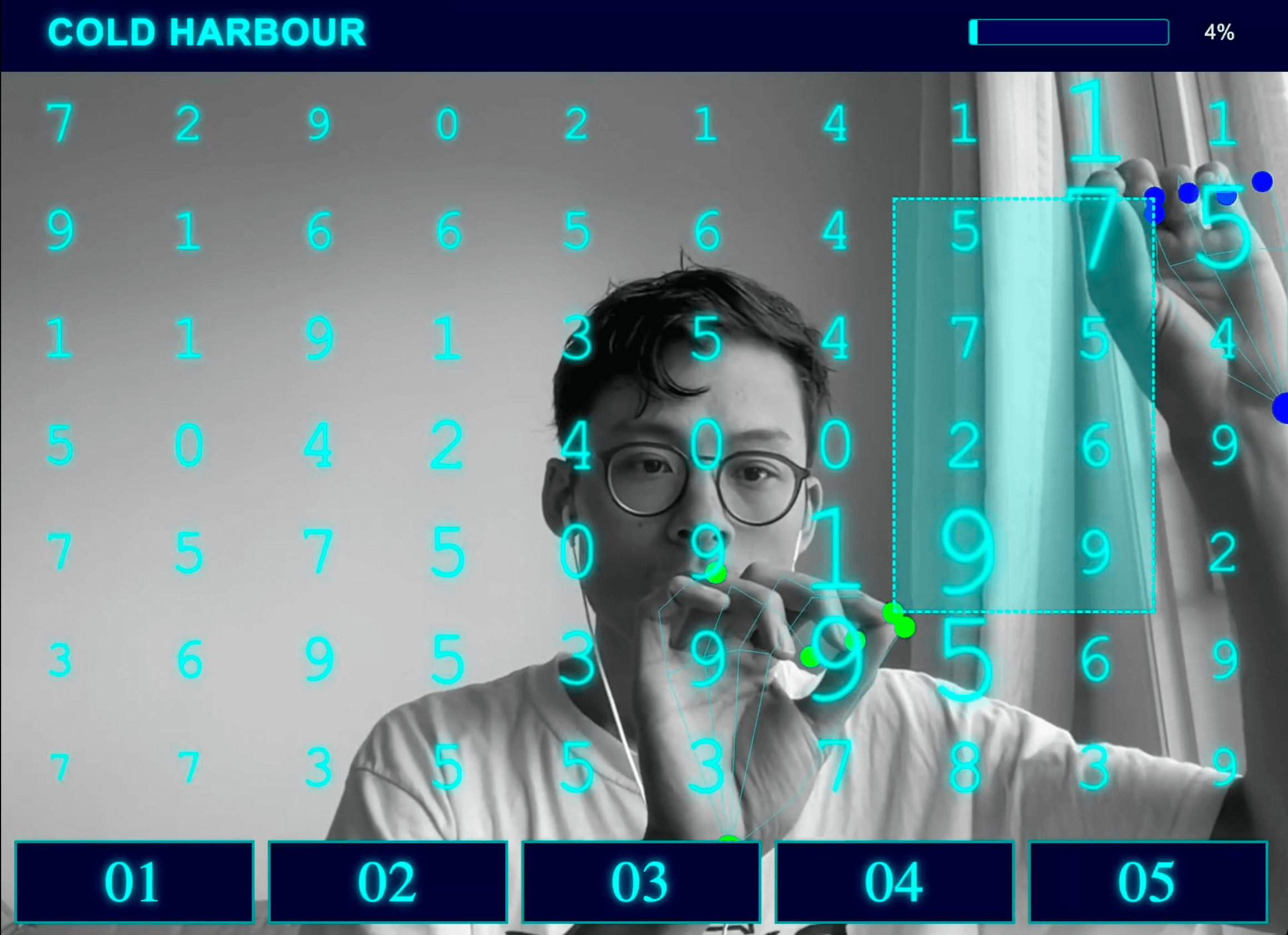
Pixels Filling Squares
Watch pixels slowly filling squares, for the third time now!

On Rendering Diffs
A technical deep dive into how we built the @pierre/diffs package and CodeView component for zero-blanking diff rendering at any scale.
snu-mllab/LayerMerge
Official PyTorch implementation of "LayerMerge: Neural Network Depth Compression through Layer Pruning and Merging" (ICML 2024)
Squoosh
Squoosh is the ultimate image optimizer that allows you to compress and compare images with different codecs in your browser.

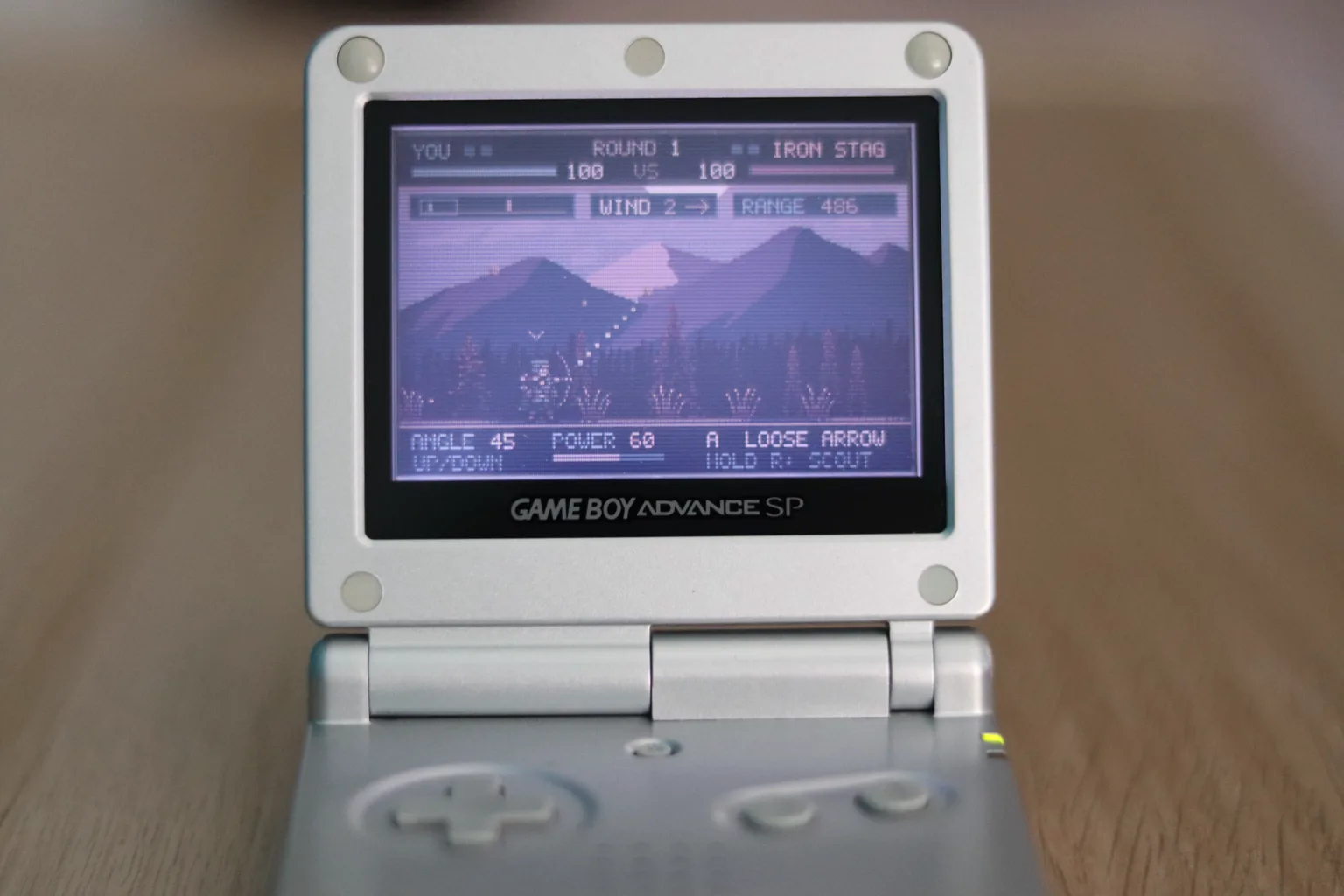
Making a Game Boy Advance game with GPT-6 Astra - Sprite Fusion
I made a Game Boy Advance game using GPT-6 Astra and an AI pixel art generator. See the prompts and play the demo.
Bret Victor - Media for Thinking the Unthinkable
FromSoft Image Macro Creator
Create convincing looking image macros based on FromSoft games.

Evaluating and Sampling Glinty NDFs in Constant Time
Geometric features between the micro and macro scales produce an expressive family of visual effects grouped under the term 'glints'. Efficiently rendering these effects amounts to finding the highlights caused by the geometry under each pixel. To allow for fast rendering, we represent our faceted geometry as a 4D point process on an implicit multiscale grid, designed to efficiently find the facets most likely to cause a highlight. The facets' normals are generated to match a given micro-facet normal distribution such as Trowbridge-Reitz (GGX) or Beckmann, to which our model converges under increasing surface area. Our method is simple to implement, memory-and-precomputation-free, allows for importance sampling and covers a wide range of different appearances such as anisotropic as well as individually colored particles. We provide a base implementation as a standalone fragment shader.