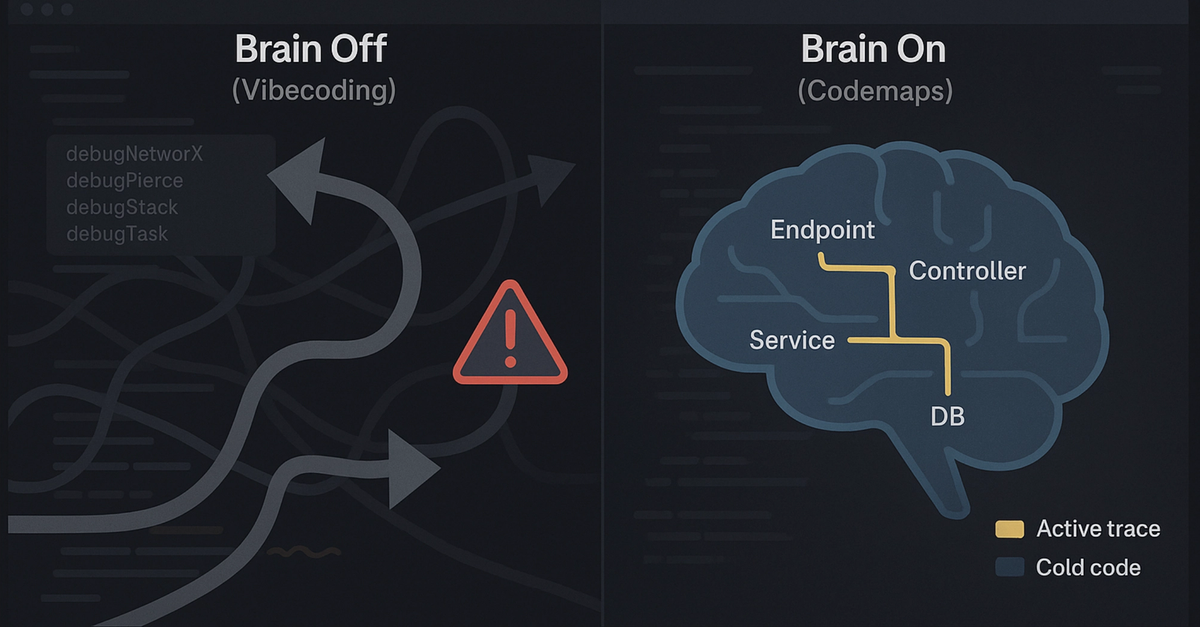
Codemaps is meant to offer a shared understanding of a system between humans and AI, enabling your AI to teach you about the code you are looking at quickly and elegantly. A codemap can be generated about any system or snippet to illuminate its code paths, helping users learn and recall. Codemaps allows AI to be a partner that explains code in an accurate and consistent way, rather than generating tons of inscrutable slop.
Cognition | Agent Trace: Capturing the Context Graph of Code
We’re excited to join in Cursor, Cloudflare, Vercel, git-ai, OpenCode and others in support of [Agent Trace](https://agent-trace.dev/). As described in the spec, Agent Trace is an open, vendor-neutral spec for recording AI contributions alongside human authorship in version-controlled codebases.
Cognition’s acquisition of Windsurf | Cognition
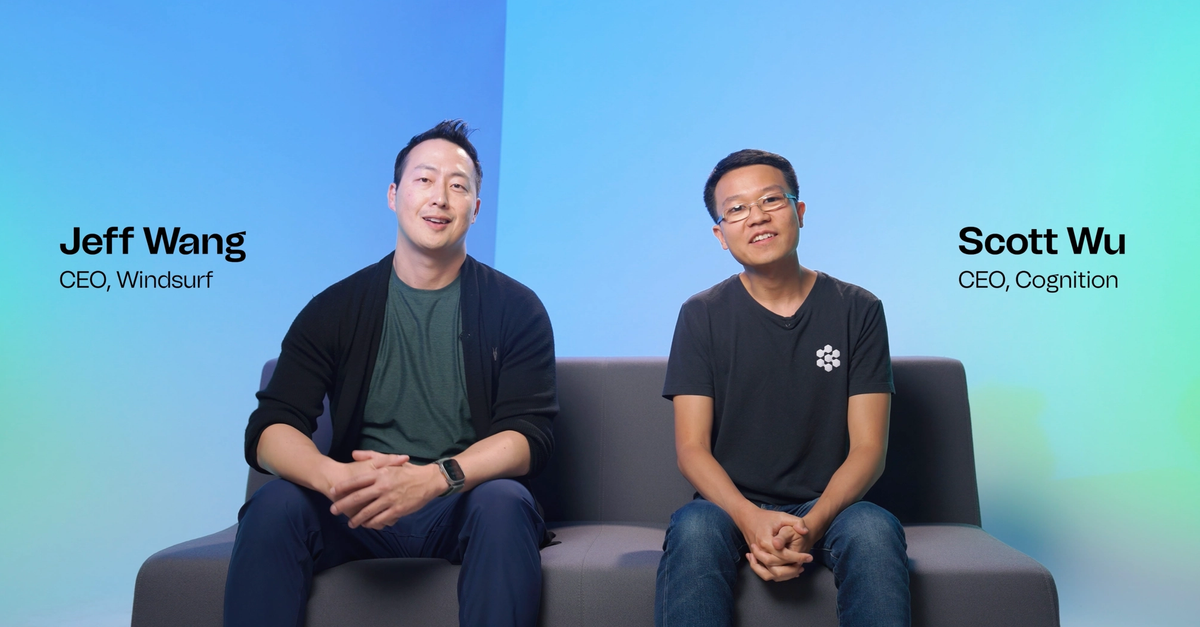
Cognition has signed a definitive agreement to acquire Windsurf, the agentic IDE.
Devin Review: AI to Stop Slop | Cognition
As code generation gets easier, code review is the new bottleneck. That's why we're launching a new way to quickly review and understand complex PRs in our latest tool for codebase understanding - augmenting human attention with AI.

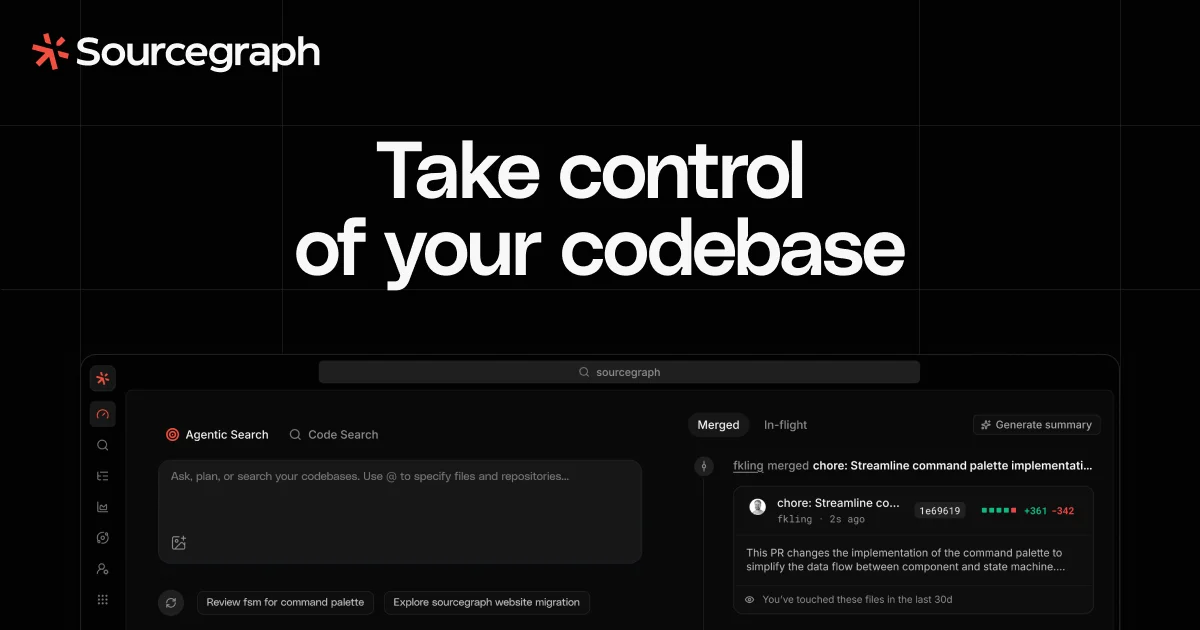
Sourcegraph — Code Understanding, Oversight and Evolution
Give humans and agents complete context to understand, oversee, and evolve the world's largest, most complex codebases.

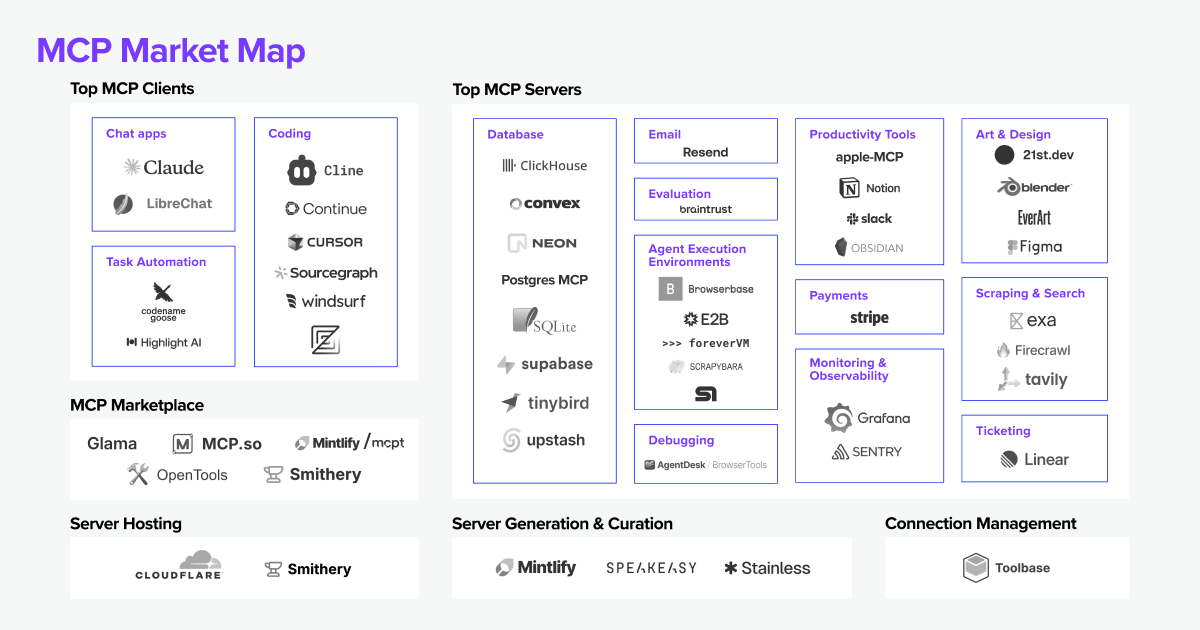
A Deep Dive Into MCP and the Future of AI Tooling | Andreessen Horowitz
We explore what MCP is, how it changes the way AI interacts with tools, what developers are already building, and the challenges that still need solving.
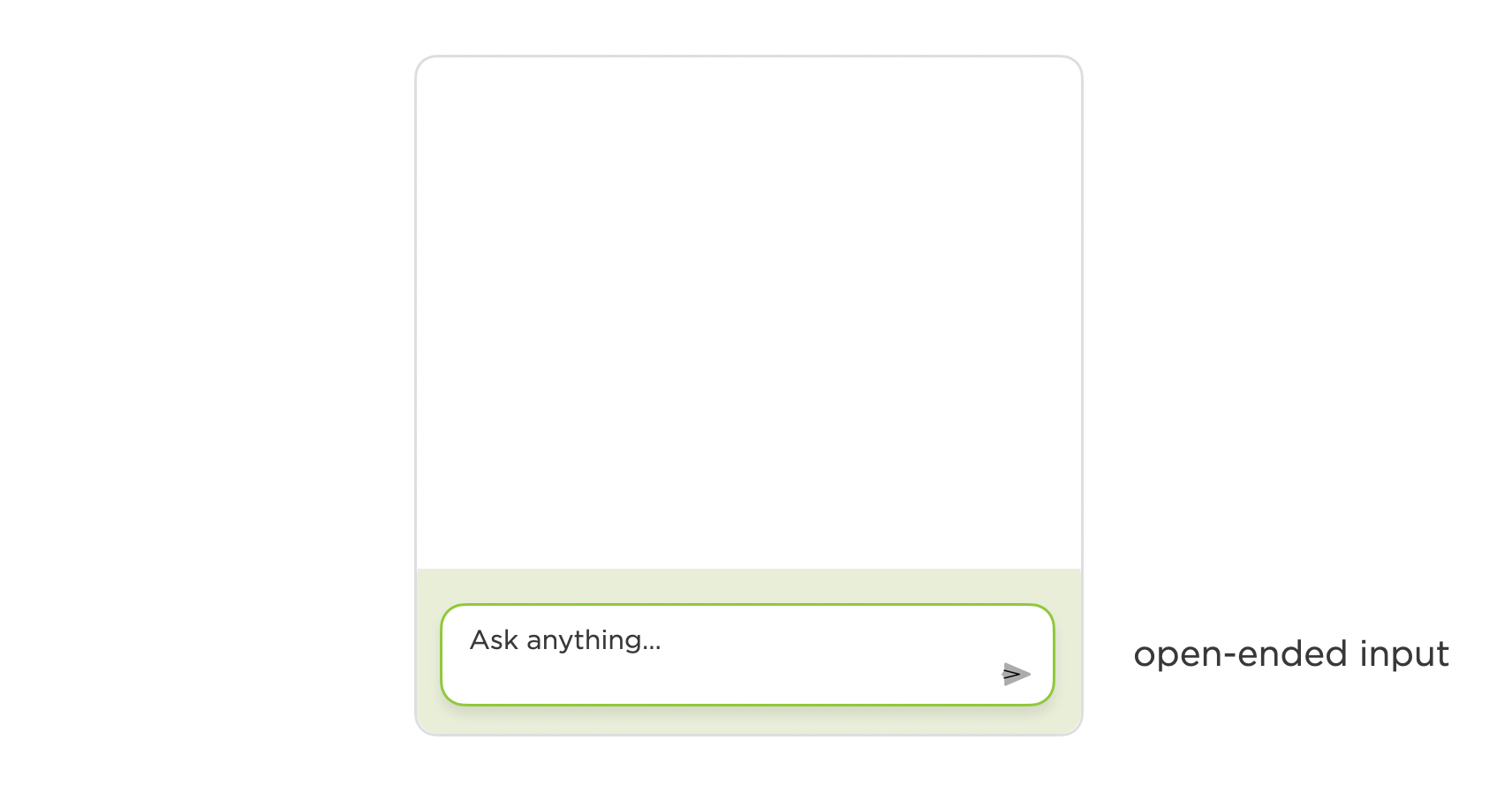
LukeW | Common AI Product Issues
At this point, almost every software domain has launched or explored AI features. Despite the wide range of use cases, most of these implementations have been t...
Machine understanding
What do artificial intelligence (AI) systems “understand”? This question arises not only in assessing a system’s intelligence but also in evaluation practices to ensure the safe and responsible deployment of AI. Drawing on scholarship from philosophy and cognitive science, and informed by current practices in AI, we develop a framework for asking more precise questions and making more precise claims about machine understanding. We conceptualize understanding as a relation between a system (S) and a target of understanding (T), and we discuss how to specify the relation, the system, and the target, offering a landscape of options in each case. Our goal is not to defend a particular account of understanding, but to provide conceptual tools for those working to assess or advance machine understanding.

Semantic Compression
An introduction to the idea that code should be approached with a mindset towards compressing it semantically, rather than orienting it around objects.

Systems programming the model
This paper examines the status of the language model object in generative AI, arguing that what we call a ‘model’ is inseparable from the systems deploying it. I first theorize how these objects emerge from systems-level interactions between trained artifacts, prompting mechanisms, and sampling methods, drawing on the philosophy of digital objects as well as software studies to show how models gain their objective character. Such interactions converge on programming, not prompting, language models, and I illustrate how critical code studies can therefore track these dynamics. In an overview of language model programming approaches, I discuss how prompt and program converge, demonstrating how this confluence tends toward the production of new feedback loops wherein models become models of and for themselves. Understanding these feedback loops is essential in view of recent efforts to infrastructuralize AI, in which multiple models cascade into compound systems that abstract toward a unified model of models. Thus the need, I argue, for a systems-level view that can address this new order of abstraction and complexity by identifying where and how the model emerges from the system.

AI code and software craft - alex wennerberg
Much has been said about audio, video and text "slop": low-quality, AI-generated content that has proliferated on the internet since the release of publicly-accessible AI models. Garbage content has always existed online, but the novelty of AI is that it has made its generation orders of magnitude less labor-intensive. For anyone who lacks a discerning eye, or is doing some task where discernment simply does not matter, AI has become a sufficient replacement for human hands.

Mistral Vibe | AI coding agent for terminal, IDE by Mistral.
Agentic coding that understands your entire codebase. Build, test, and modernize autonomously.
Creative Code Denver | Meetup
This group is for people interested in exploring code as a creative medium. It's also for helping people find creative collaborators. (AI stuff is off-topic)**"Who should join?"*** Anyone, at any skill level, who's interested in programming in the context of the arts—whether visual, or sonic, or tac

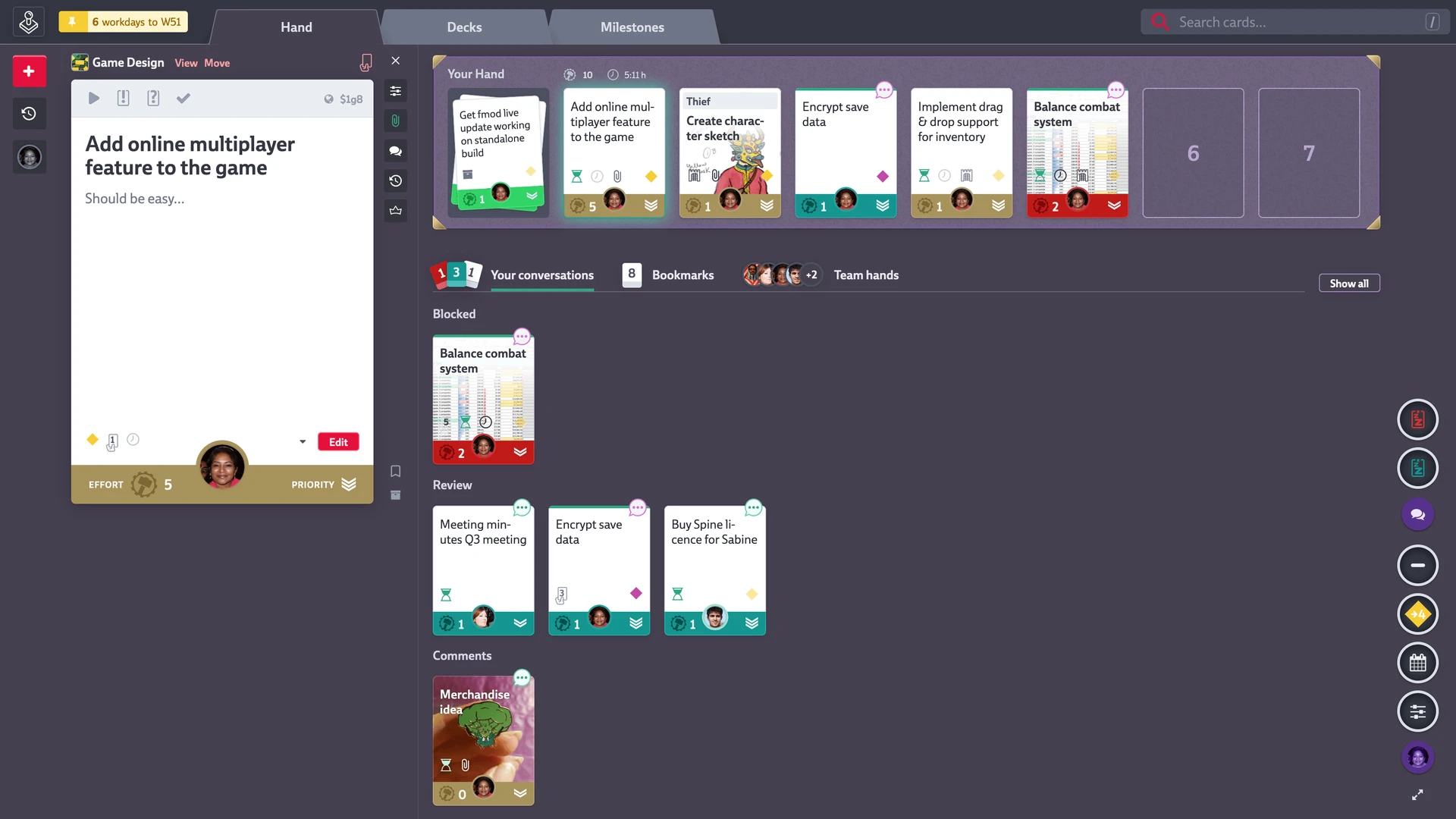
Making tools for game developers — Codecks
Rather than use a tool that assumes order and fails when faced with the reality of game development, we're building a tool that assumes chaos and, in spite of that, reduces the stress that comes with it.