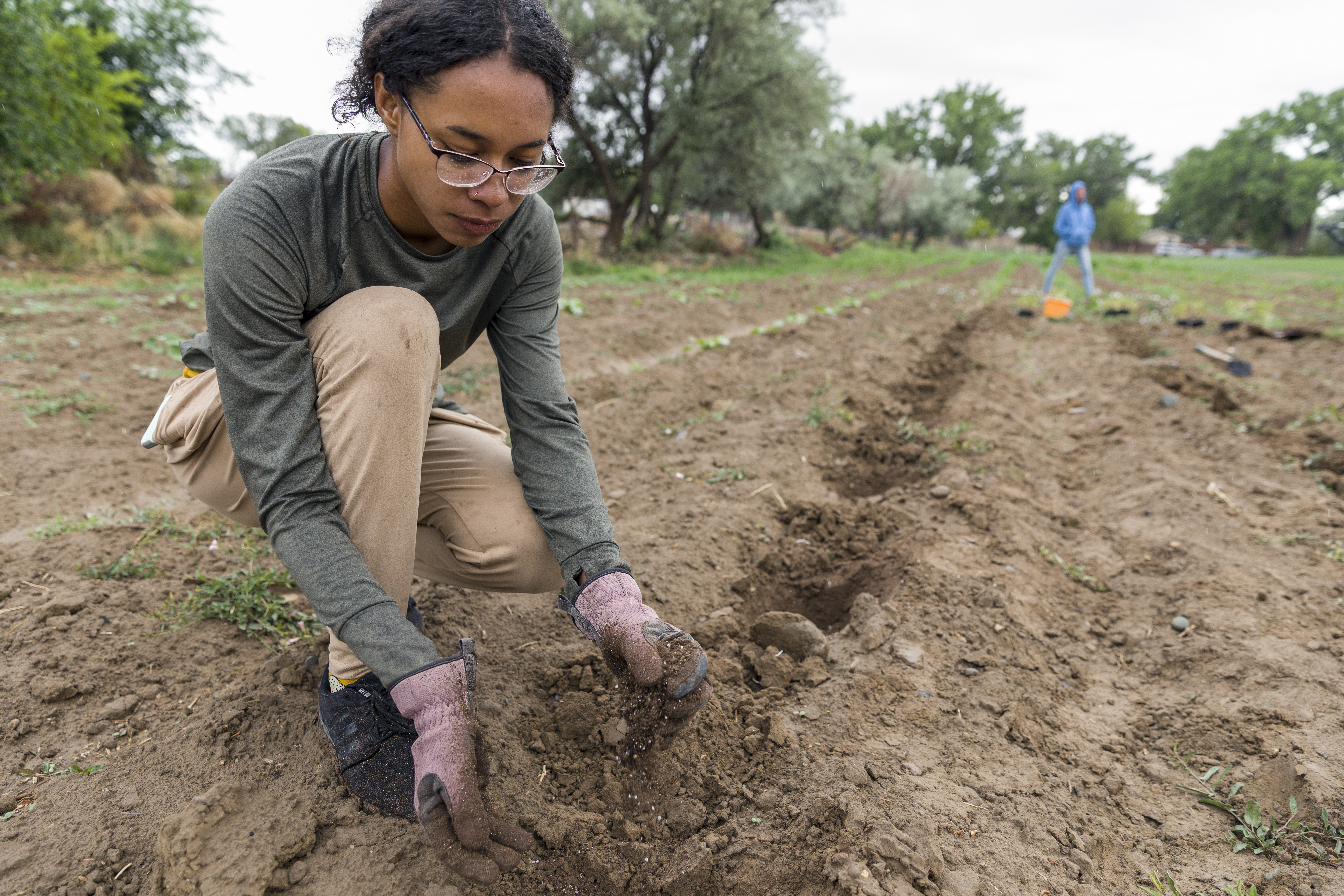
Lessons taught by Native elders are retooled for the role food, housing, language and ritual play in contemporary human rights struggles.
Teaching STEM In Ways that Respect and Build Upon Indigenous Peoples' Rights : StemTeachingTools (en-US)
Indigenous ways of knowing are sometimes thought to be in opposition to and detrimental to the learning of Western Science or STEM. Consequently, indigenous ways of knowing are rarely engaged to support learning. If STEM learning is to be meaningful and transformative for Indigenous youth, respecting Indigenous peoples rights and related critical issues, including Indigenous STEM, settler-colonialism, and decolonization, must be understood and explicitly addressed in Indigenous youths' informal and formal STEM learning experiences.
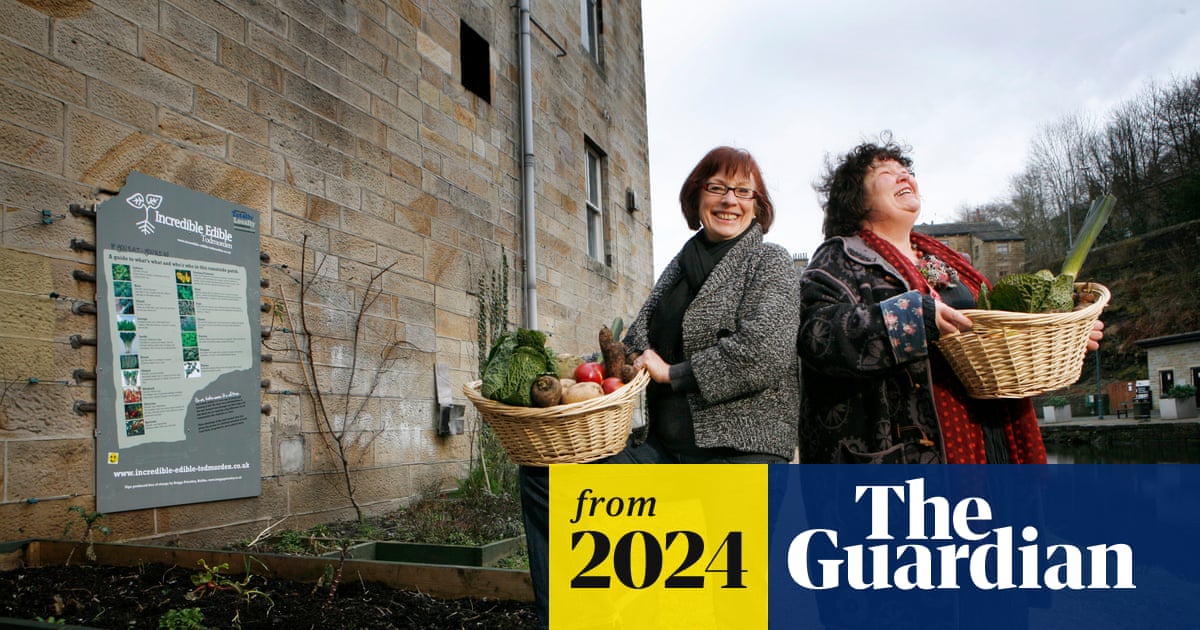
‘The system is the problem, not people’: how a radical food group spread round the world
Incredible Edible’s guerrilla gardening movement encourages people to take food-growing – and more – into their own hands
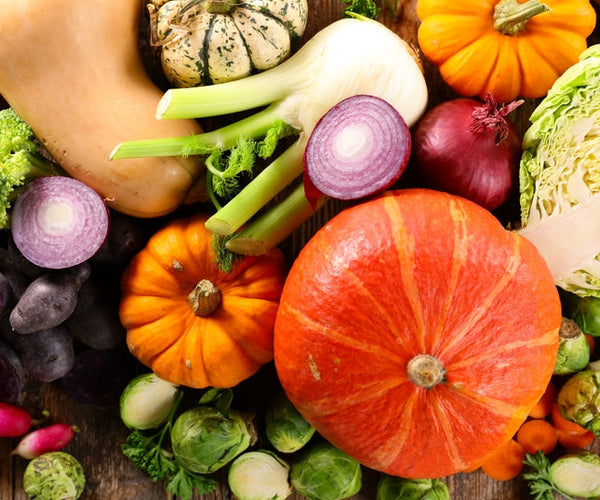
Native Land Pod
Decolonizing Our Minds and Actions
By Waziyatawin and Michael Yellow Bird, from the Introduction to For Indigenous Minds Only: A Decolonization Handbook: Introduction and Background In 2005, eight Indigenous intellectuals created th…

Between Threat and Reality: The National Association for the Advancement of Colored People and the Emergence of Armed Self-Defense in Clarksdale and Natchez, Mississippi, 1960-1965
Annelieke Dirks, Between Threat and Reality: The National Association for the Advancement of Colored People and the Emergence of Armed Self-Defense in Clarksdale and Natchez, Mississippi, 1960-1965, Journal for the Study of Radicalism, Vol. 1, No. 1 (Spring 2007), pp. 71-98
Alliance of Native Seedkeepers
Discover unique heirloom and non-GMO seeds at Alliance of Native Seedkeepers. As a Native American-led store, we specialize in over 1,500 varieties, preserving the rich heritage and biodiversity of indigenous agriculture. Shop now to contribute to sustainable, community-focused farming practices.
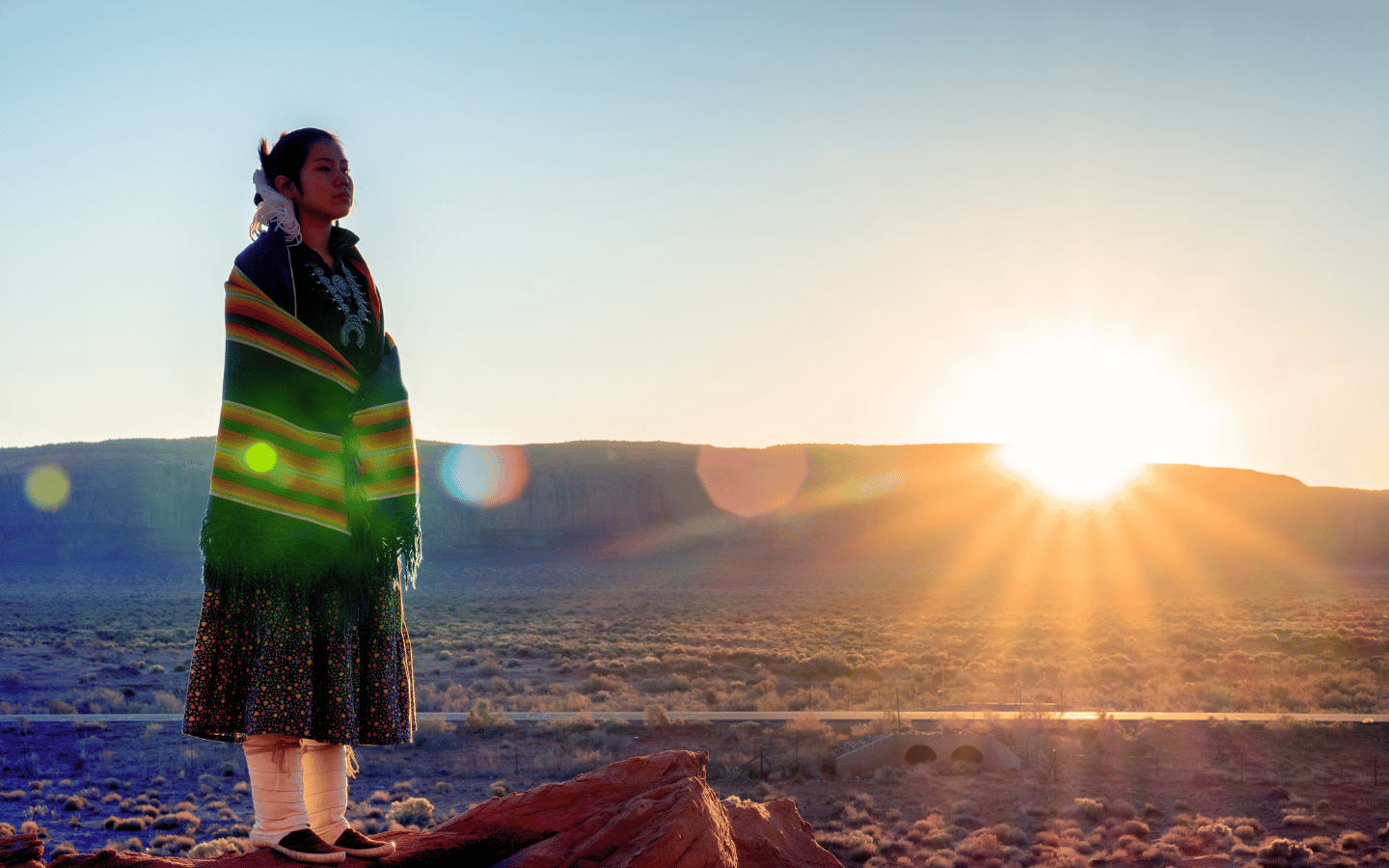
Solidarity Syllabus: Indigenous Peoples, Rematriation, and Resisting AI Data Centers — Solidarity Is
For this Solidarity Syllabus, we are learning alongside Indigenous organizers, leaders, and communities whose work offers important solidarity lessons and invitations for how we might understand land, water, sovereignty, and resistance to data centers. Indigenous Peoples Day is observed

Native American Heritage Month: Land and Seeking Justice
November is Native American Heritage Month, an important time to recognize and celebrate the contributions and resilience of Indigenous peoples.
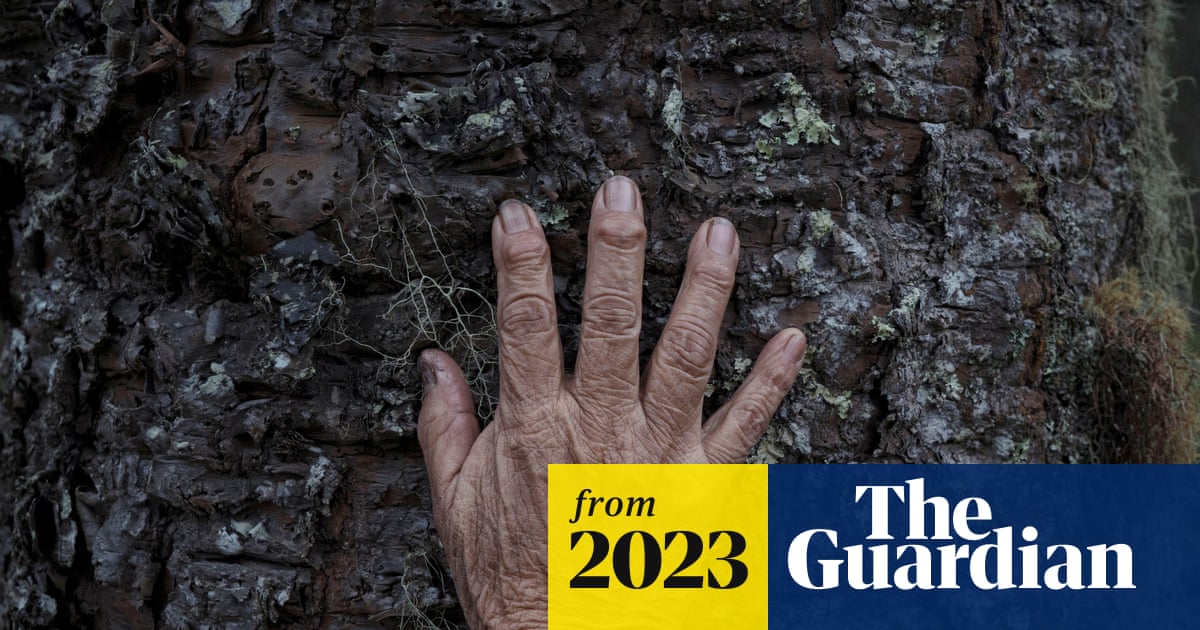
‘It is all about listening and sharing’: Indigenous solutions to the carbon divide
Deforestation rates are much lower on Indigenous land – and there is growing recognition that first peoples have vital role to play
“UNSETTLING LANDSCAPES: APPLICATIONS OF ETHNOBOTANICAL RESEARCH IN DEFINING ABORIGINAL RIGHTS AND RE-AFFIRMING INDIGENOUS LAWS IN T’SOU-KE TERRITORY, VANCOUVER ISLAND AND BEYOND.”
In this dissertation, I explore how, in Canada, Indigenous people’s relationships with culturally-significant plant species are an expression of Aboriginal rights, and I ask how these rights can be affirmed and exercised using a form of intersocietal law within and between First Nations and state governments. I examine how my own and others’ ethnobotanical and ethnoecological research can help to decolonize the Crown legal systems that limit Indigenous peoples in regenerating their relationships with native plant species and the ecosystems within which they are situated. In order to explore how Indigenous people’s relationships with native plant species can be expressed in law, my dissertation is grounded in a case study, developed and carried out in collaboration with the T’Sou-ke Nation, members of which have lived on southern Vancouver Island since time immemorial as part of the Straits Salish language group. Using the T’Sou-ke case study as an example, I explain how this evidence of knowledge and use of plants helps to root contemporary First Nations’ rights throughout their territories, which is essential to establishing the basis of land and resource rights that have legal force to be claimed today.I indicate current challenges faced by T’Sou-ke Nation in exercising plant-associated rights throughout their territory and outline how the current legal test for proving Aboriginal rights is problematic. The T’Sou-ke have an abundance of rich evidence of their use of 100 native plant species and of Indigenous laws and governance associated with the same. I contend that the obvious and long-standing Indigenous management of these plant species and various ecosystems on southern Vancouver Island supports a very significant claim of legal rights and I believe that my research is broadly applicable to other First Nations in BC and beyond. The T’Sou-ke Nation, historically and today, are norm creating, generating and interpreting people as reflected in their distinct social organization adapted and adjusted by their members through many changing social and ecological variables over centuries. The re-examination of the values, rules, protocols, customs and practices associated with markers of Indigenous plant use throughout Straits Salish landscapes, specifically with the assistance of Indigenous knowledge holders, as well as ethnohistorical, ethnobotanical, and traditional ecological knowledge, re-frames how evidence of land use and occupancy is presented, and, ultimately, how we might all govern these resources together. For the T’Sou-ke, laws around plants are not limited to certain traditional practices, or to specific sites or places; law also rests in species and in the long-term relationships that people have with culturally important plant species. As such, the normative ordering of T’Sou-ke laws relating to their plant use and management must be judged on T’Sou-ke terms, not by Canadian legal terms. My hope is that this research contributes to the larger discussion of acknowledging Indigenous peoples’ distinct and culturally relative rights and principles with respect to native plants, while strengthening and growing the ties that bind all British Columbians together.
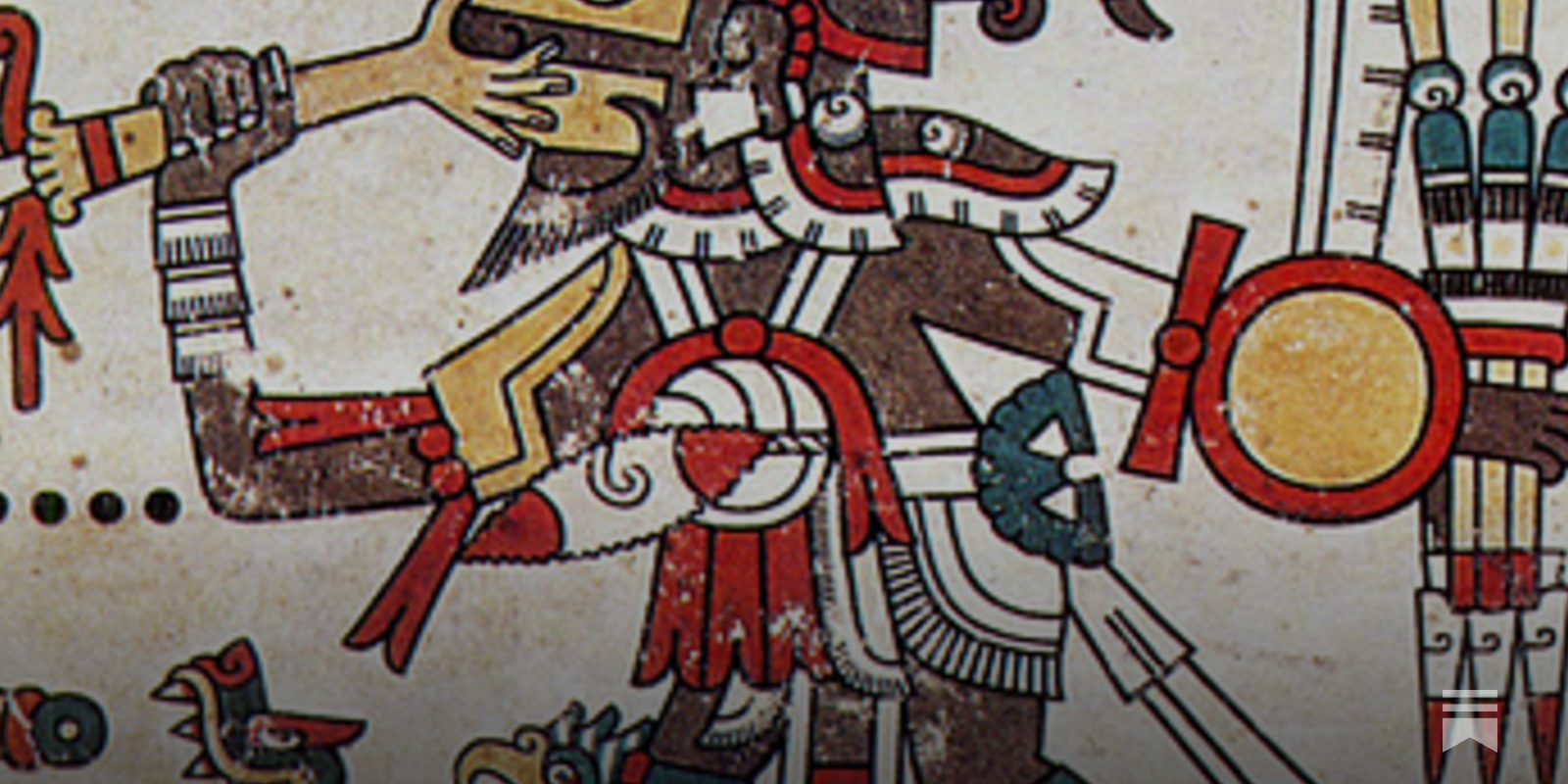
REVIEW: Aztecs, by Inga Clendinnen
Aztecs: An Interpretation, Inga Clendinnen (Cambridge University Press, 1991).
Guardians of the Earth: The essential role of Indigenous Peoples in the protection of natural resources - The Global Goals
For Indigenous Peoples, the land is not a resource to exploit, but a living being, a source of identity, spirituality and wellbeing.

Masar Badil | Program on Extremism | The George Washington University
Authored by Jeff Parsons, Asher Stern, Samantha Wampold and Zeynep Ozharat

Guardians of the Earth: How Indigenous Peoples can teach the world to safeguard and conserve biodiversity
For hundreds of years, Indigenous Peoples around the world have held integral roles as protectors of their surrounding territories, environment and resources.

Fighting Back: A Citizen’s Guide to Resistance
Ordinary people have more power than they know.