

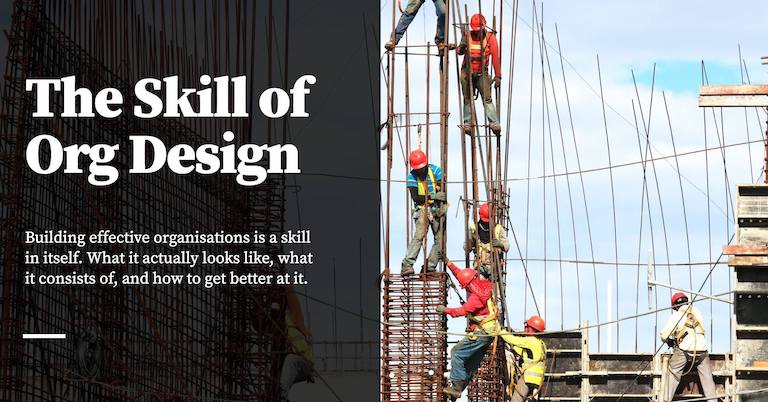
Building effective organisations is a remarkably useful, if rare, skill. This is what it looks like, what it consists of, and how to tell if someone has it.
Habits of High-Functioning Teams
I often struggle to explain what it means to be part of a high-functioning software team. Sure, there are mountains of literature, and an entire genre of LinkedIn thought leadership that professes all kinds of guidelines and heuristics about what makes teams work, but in my experience, it’s hard to internalize these ideas and follow someone else’s model if you’ve never seen what good looks like.
Workshops — Guiding Threads Collective
Our skill-building workshops help participants build their toolkit around key organizational development areas, including growing leadership skills, developing generative conflict practices, and making collaborative decisions.

The DevRel Path to Success: Awareness, Enablement, Engagement — Mary Thengvall - Community Builder
Whether you’re trying to figure out what type of Developer Relations professional to hire or trying to decide which of your team members is responsible for which tasks, having a clear framework with which to divide the responsibilities and focus our work is important. In this blogpost we’ll talk abo

Design Thinking by IDEO: Human-Centered Innovation
Learn how IDEO uses design thinking to help teams solve complex problems through human-centered innovation, creativity, collaboration, and impact.

skills/openverse/SKILL.md at main · toosean/skills
the skills i wrote. Contribute to toosean/skills development by creating an account on GitHub.
The Fractal Organisation Manual: How to diagnose & design organisations using the Viable System Model | SCiO - Systems and Complexity in Organisation
RRP: £12.99; Paperback: 192 pp; Publisher: SCiO; ISBN 979-8250847018
High-Tech Anthropology® Process Tour
Come learn about the benefits of observing end users, creating and mapping personas, and assessing iterative designs. Additionally, see the other tools we use and visuals we create to capture and distill information that will help us mitigate the risk of a failed end product. These steps build the foundation for user-friendly designs tailored to target persona(s) – for products that are actually adopted (and even enJOYed!) rather than tossed to the side or treated like paperweights.

What Google Learned From Its Quest to Build the Perfect Team (Published 2016)
New research reveals surprising truths about why some work groups thrive and others falter.

Opinion | The New Power Structure (Published 2018)
New organizations are forming and succeeding in an age of distrust.

On Design Thinking | Maggie Gram
By embracing “design thinking,” we attribute to design a kind of superior epistemology: a way of knowing, of “solving,” that is better than the old and local and blue-collar and municipal and unionized and customary ways. We bring in “design thinkers” — some of them designers by trade, many of them members of adjacent knowledge fields — to “empathize” with Kaiser hospital nurses, Gainesville city workers, church leaders, young mothers, and guerrilla fighters the world over.

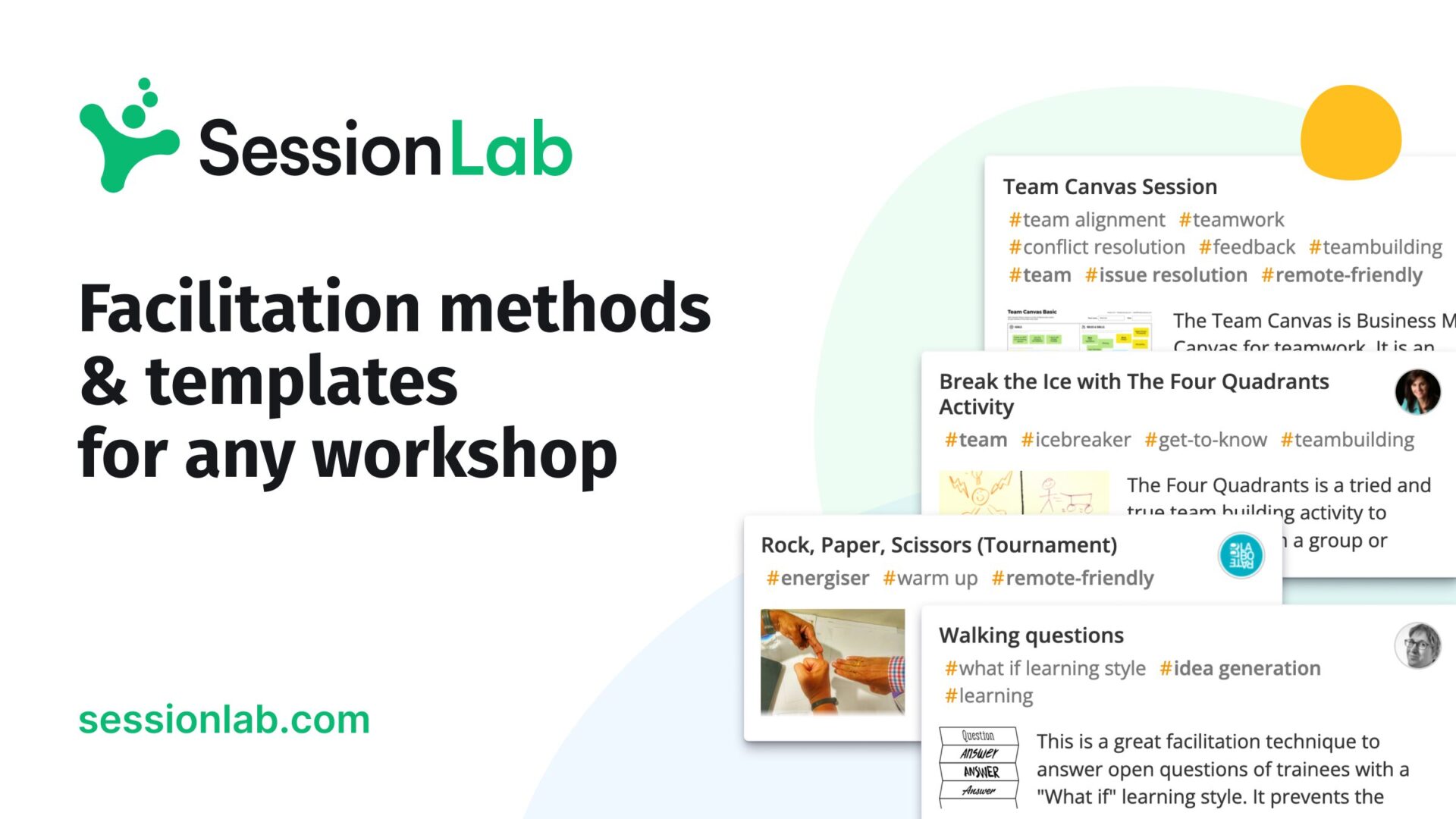
Facilitation Techniques and Workshop Activities | Library
Hundreds of group facilitation activities for workshops, meetings and training sessions. Find the best team building activities, energisers, process facilitation and leadership development...
COMMUNITY-BASED, HUMAN-CENTERED DESIGN
We propose a radical change in design from experts designing for people to people designing for themselves, leveraging the creativity of communities to solve their own problems. People in communiti…

frontend-design - Skill
Create distinctive, production-grade frontend interfaces with high design quality. Use this skill when the user asks to build web components, pages, or applications. Generates creative, polished code that avoids generic AI aesthetics.
Reporting on the Development of a Web-Based Prototype Dashboard for Construction Design Managers, Achieved through Design Science Research Methodology (DSRM)
Construction Design Management (DM) involves the coordination of design processes and activities to ensure quality project design, yet it involves many challenges. This study reports on a collaborative Knowledge Transfer Partnership (KTP) project with a Case Study Organization (CSO) that tackled several issues faced by construction design managers. Employing a design science research methodology (DSRM), qualitative analysis of semi-structured interviews with purposefully identified design managers uncovered real-world concerns around design co-ordination and performance monitoring. To address these concerns, a web-based design management prototype dashboard was developed using typical project data to aid in the management of design coordination, task prioritization, and reporting functionalities. The web-based Design Management prototype dashboard enhances design management productivity in construction firms by monitoring design production, assessing designer performance trends, and focusing on Technical Queries (TQs) and Requests for Information (RFIs). Digitalizing selected design management processes improves efficiency and productivity. The visual reporting of the dashboard enables design production monitoring at project and portfolio levels, assesses trends in designer performance, and maintains focus on TQs and RFIs. Demonstrating how web-based Design Management dashboards can enhance productivity, this study emphasizes practical solutions derived from employing a design science research methodology. The development and application of the web-based dashboard contribute to the growing evidence that employing design science research methodology in construction can yield tangible solutions to address real-world construction concerns.
More organizations recognizing the value, more different communities outside the nuclear atproto dev community getting interested and BUILDING. Coalitions are growing. Big landmarks are being crossed like permissioned data and independent infrastructure. Folks are getting hired. We got this.
And I did an episode where I explain what I'm interested in -- orgs that have some 1) form of sharing, 2) some transparency about their finances, 3) a non-growth goal in the form of knowing when they are sufficient, and 4) #multisolving. buzzsprout.com/2396702/episodes/16595444-the…

The Four Factors for Organizations - Future Mending Radio
www.buzzsprout.com
