

What do we actually know about burnout? What does the research say? Is burnout preventable? All the research, in one free, updated place.
Demystifying Burnout – A Deep Dive Into Its Symptoms And Remedies — Leadership Garden
Discover the roots of burnout, its distinct symptoms, and key causes. Learn to identify potential signs and explore strategies to overcome this chronic syndrome.

From moms to medical doctors, burnout is everywhere these days
This state of emotional, physical and mental exhaustion seems to be everywhere. But there are ways to fight it.

Report on Burnout in Open Source Software
I am currently working on a report on the causes of burnout in open source software, and am inviting the OSS community to share their thoughts!

When Contributing to WordPress Full-Time Leads to Burnout
As a distributed worker, one of the toughest obstacles I face is burnout. It’s one of the reasons I took a month off from all things WordPress. According to Merriam-Webster, burnout is, ̶…

You Can Help Solve Burnout in Open Source
A list of people and projects working on structural solutions to problems that cause burnout in open source software

When one can work no more: The effects of burnout on your body
Continual stress is often associated with emotional problems, but it can also have major physical consequences, including heart attacks

“How people fall apart”: Yale faculty discuss the impact of burnout on the brain
Understanding the neuroscience behind burnout could help people accept their resulting behavior and thought patterns as natural responses of the brain.

Open Source Burnout Claims Another Project
Yet another OSS maintainer quits because of burnout. To fix this, we need better mental health resources for maintainers.

Burnout From an Organizational Perspective (SSIR)
Instead of pressuring already-stressed individuals to fix themselves, true wellness requires organization-level interventions. <meta property=

How to Recognize Burnout Before You’re Burned Out | Hacker News
When most people talk of burn out, they usually have spent years in the industry or probably have been probably working 12 hour days for a long period of time. For me on the other hand, I kind of managed to get burnt out (depressed) two years in the industry. I loved CS back in college, but my job felt like a punishment. The worst thing was I couldn't get myself to figure out what was wrong. The lack of a support structure for "emotionally exhausted" developers is surprising. But anyway once it got worse enough I just decided to quit, wasn't worth the toll on my health. Got back to the basics - started learning some ML and webdev. Built and shipped a side project. https://discoverdev.io - A daily list of interesting engineering blog posts.
Burnout Phase Transition - meri's missives
Modelling chronic stress effects on my mental health and the end of monopolies
Preventing burnout: A manager's toolkit
GitLab CEO Sid Sijbrandij shares 12 steps that managers can take to help employees avoid burnout.

What Is Autistic Burnout? A Thematic Analysis of Posts on Two Online Platforms
Background: Compared with adults in the general population, autistic adults are more likely to experience poor mental health, which can contribute to increased suicidality. While the autistic community has long identified autistic burnout as a significant mental health risk, to date, only one study has been published. Early research has highlighted the harmful impact of autistic burnout among autistic adults and the urgent need to better understand this phenomenon. Methods: To understand the lived experiences of autistic adults, we used data scraping to extract public posts about autistic burnout from 2 online platforms shared between 2005 and 2019, which yielded 1127 posts. Using reflexive thematic analysis and an inductive “bottom-up” approach, we sought to understand the etiology, symptoms, and impact of autistic burnout, as well as prevention and recovery strategies. Two autistic researchers with self-reported experience of autistic burnout reviewed the themes and provided insight and feedback. Results: We identified eight primary themes and three subthemes across the data. (1) Systemic, pervasive lack of autism awareness. (1.1) Discrimination and stigma. (2) A chronic or recurrent condition. (3) Direct impact on health and well-being. (4) A life unlived. (5) A blessing in disguise? (6) Self-awareness and personal control influence risk. (6.1) “You need enough balloons to manage the weight of the rocks.” (7) Masking: Damned if you do, damned if you don't. (8) Ask the experts. (8.1) Stronger together. The overarching theme was that a pervasive lack of awareness and stigma about autism underlie autistic burnout. Conclusions: We identified a set of distinct yet interrelated factors that characterize autistic burnout as a recurring condition that can, directly and indirectly, impact autistic people's functioning, mental health, quality of life, and well-being. The findings suggest that increased awareness and acceptance of autism could be key to burnout prevention and recovery. , Community brief What was the purpose of this study? Although the autistic community has talked about autistic burnout for a long time, there has not been much research about the topic. This study aimed to investigate autistic burnout from the perspective of autistic adults to understand what they think causes it, the symptoms and impact on their lives, and what can be done to assist prevention and recovery. Why is this an important issue? This issue is important because autistic people have said that autistic burnout can severely affect their quality of life and well-being and contribute to poor mental health, including the risk of suicide. What did the researchers do? We used a computer program to collect public posts from two online platforms to look at how autistic adults described autistic burnout. We collected 1127 posts shared over a 12-year period by 683 users. To understand the adults' lived experiences, we analyzed their language at the surface level and looked for common themes across the data. What were the results of the study? The adults in this study said that autistic burnout was often first experienced during adolescence, lasted months or years, and was hard to recover from. They described severe direct and indirect consequences for their physical and mental health, capacity to function, and ability to achieve personal goals. They described a general lack of knowledge about autism, especially among health care professionals, which led to misdiagnosis and inadequate or inappropriate treatment. Masking or “camouflaging” to pass as nonautistic was the most common reason participants gave for autistic burnout. Many used strategies to manage energy levels to avoid burnout. The autistic community was an essential source of information and support for participants. Overall, stigma, discrimination, and low awareness and acceptance of autism were responsible for the cycle of autistic burnout. How do these findings add to what was already known? As one of the first studies about autistic burnout, we learned that it happens because of factors associated with being autistic and poor autism awareness and acceptance within society. We now know that autistic people often first experience autistic burnout when they are young, but it usually recurs, which can stop autistic people leading fulfilling lives. We learned that difficulty identifying emotions may be a risk factor and that online communication may help autistic people during recovery. We found that some positive consequences of autistic burnout include autism diagnosis in adulthood, finding the autistic community, and making empowering lifestyle changes. What are the potential weaknesses in the study? We had limited demographic information, so we do not know how diverse the sample was or how factors such as gender, age, race, or identifying as LGBTQI may have influenced some people's experience of autistic burnout. The adults in this study had access to online platforms and could communicate in writing, and so, people with higher communication support needs may not have been included. How will these recommendations help autistic adults now or in the future? The findings reinforce the personal stories of autistic people and show that autistic burnout is a common, consistent, and harmful experience. The findings show it is vital for health professionals to recognize autistic burnout to provide appropriate care and support because prevention and early detection could help stop the harmful cycle of autistic burnout. The findings underscore the importance of reducing discrimination and stigma against autistic people and increased acceptance.
How Millennials Became The Burnout Generation
I couldn’t figure out why small, straightforward tasks on my to-do list felt so impossible. The answer is both more complex and far simpler than I expected.
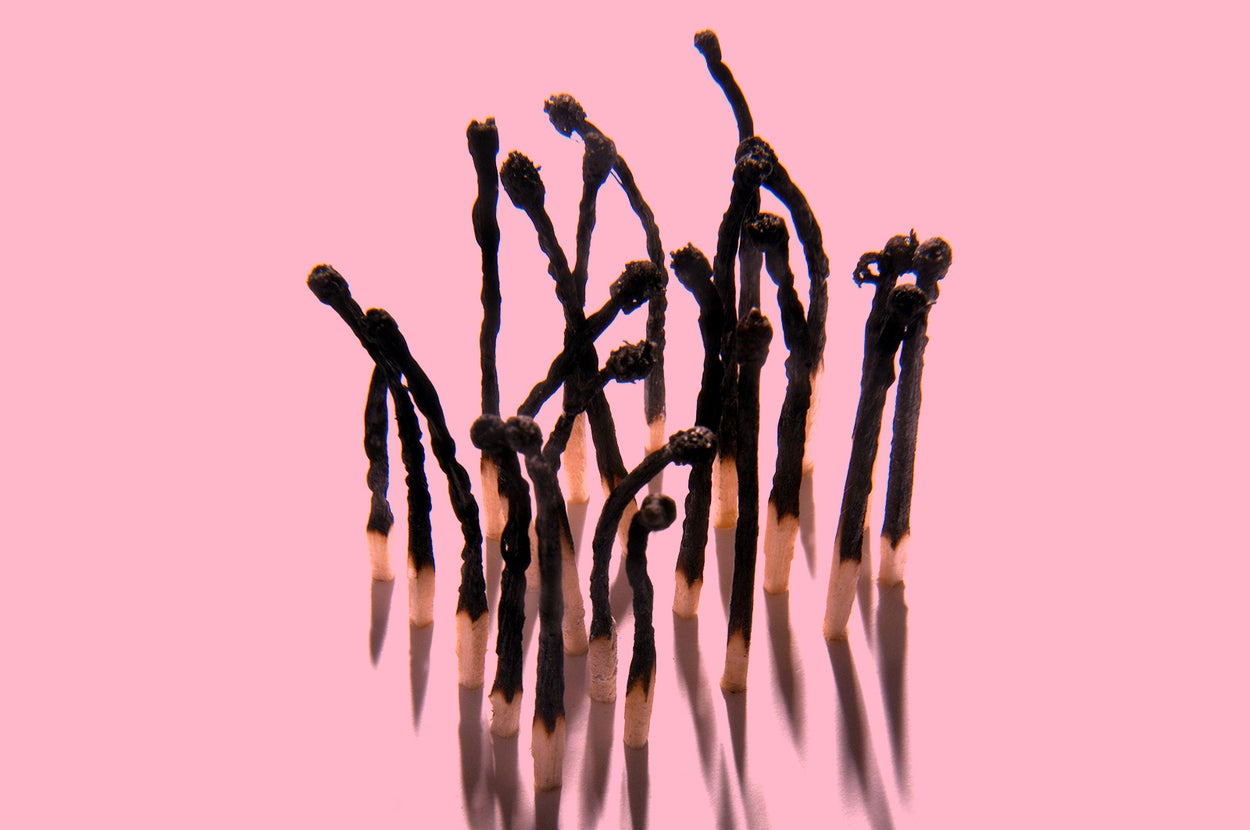
hey builders and devs in the open social web! just curious about what's the state of burnout and bus factors within both the fediverse + atmosphere ecosystems, so feel free to chime in the forums or replies: discourse.atmosphere.community/t/the-state-of-burnout-and-bu…

The state of burnout and bus factors in the open social web
discourse.atmosphere.community