Can France initiate a process of social transformation capable of changing the international balance of forces?
How France protests could ignite a wider European revolution
The engagement of the organised working classes, already growing, may lead to large-scale strike action across the continent

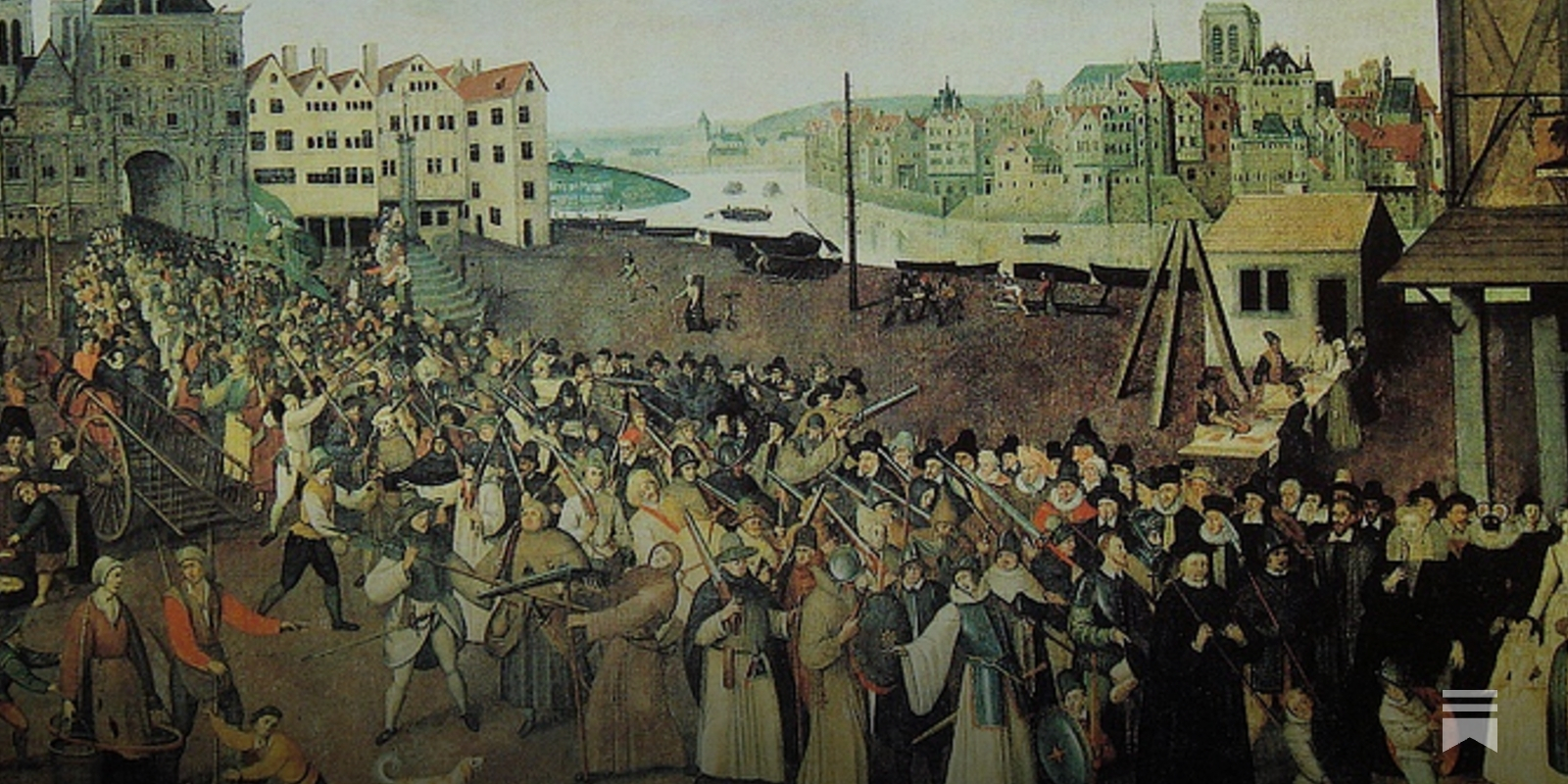
The French Protests and French History
Whenever France erupts in protests, the question arises: how does French history help explain what is going on?
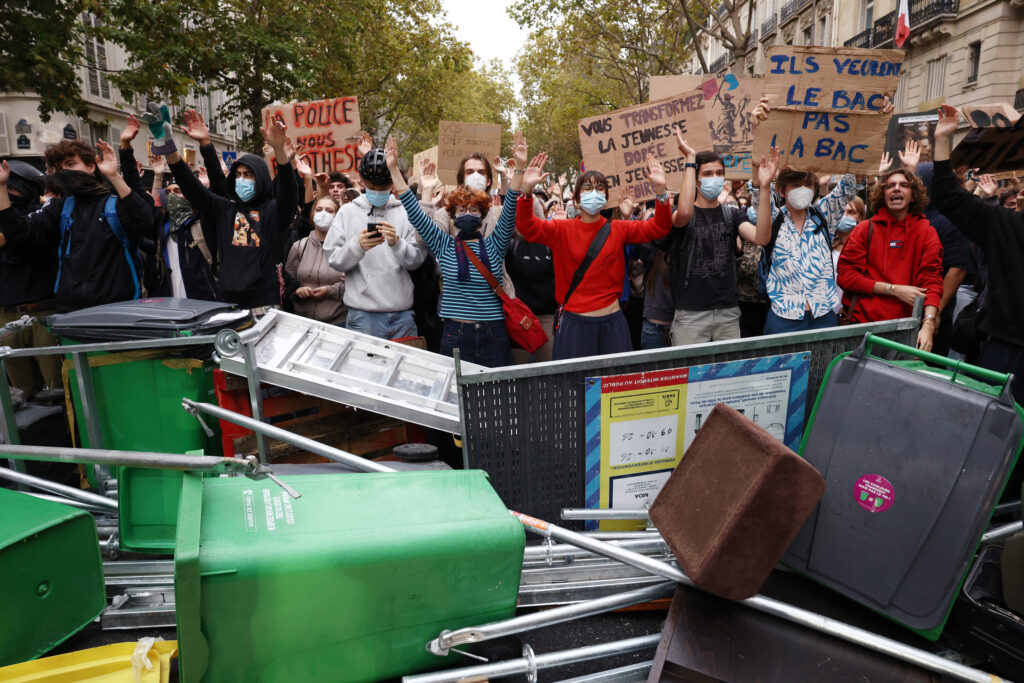
How the Global Climate Fiasco Fueled France’s Student Revolt
Sweltering school conditions—and government's failure to adapt—helped spawn a political crisis.

How the Climate Crisis Fueled the Youth Protests Roiling France - Inside Climate News
Youth protests for better school conditions have prompted a national political crisis. Lack of adaptation to a hotter world is part of the story.
Comoros slams France over aid-for-migration threat
French prime minister Sebastien Lecornu said Paris could make development aid conditional on greater cooperation in curbing irregular migration to Mayotte.

France’s big climate problem: The budget crunch
Historic heat is forcing the French government to rethink its spending plans.

How a Papal Ban Reshaped the French Right – The Journal of Politics Blog
Political extremism is often attributed to voter anger and broader structural socioeconomic conditions. From this perspective, efforts to counter extremist movements may appear futile, since such groups are seen as deeply embedded in the contexts from which they arise. But is this necessarily the case? To address this question, we examine the Papal condemnation of an influential far-right movement in interwar France.
De l’emploi au chômage et vice versa : impact et évolution des flux | Banque de France
Billet de blog n° 368. Ce billet explore l'évolution du taux de chômage en France depuis vingt ans, en se concentrant sur le rôle des transitions entre l’emploi et le chômage. La baisse significative du chômage depuis 2015 reflète en grande partie une amélioration de la réintégration des chômeurs sur le marché du travail. Il met en évidence l'impact des facteurs structurels et des politiques publiques sur ces dynamiques.

Le cycle d’affaires et l’incertitude autour de la politique économique en France
Blog de sciences économiques et sociales de Martin Anota. Traductions, revues de presse.

The French nuclear deterrent in a changing strategic environment | Note de la FRS | Foundation for Strategic Research | FRS
The Foundation for Strategic Research (FRS) is France's main centre of expertise on international security and defence issues.

France’s Democratic Malaise: Stop Blaming Citizens, Start Reforming Institutions
When eight in ten French citizens feel unrepresented, the problem lies not with democratic fatigue but with a political system that has forgotten how to listen.

« Terroir washing » : les effets sociopolitiques de l’instrumentalisation accrue des territoires français par les marques
Dans une étude pour l’Institut Terram et la Fondation Jean Jaurès, publiée vendredi 11 octobre, l’essayiste Raphaël Llorca s’intéresse au rôle prépondérant des marques commerciales dans la construction d’un « imaginaire territorial ». Selon lui, les années 2020 représentent un tournant.

The Most Violent Police Force in Europe: Police Brutality in France — The World Mind
Contributing Editor Aaron Shires explores the rise in excessive use of force by French police forces and the disparate impact this has on racial minorities in France.

Climate change and conflict: The vicious cycles undermining climate action, and what can be done to break them
Abstract In this review, we synthesize evidence to argue that climate change and conflict are mutually reinforcing. We first examine conflict as a barrier to mitigation, focusing on four faultlines that slow climate action: (a) ideological polarization, (b) “elite versus ordinary people” narratives, (c) intranational, place‐based conflicts, and (d) international disputes. The consequence of these conflicts is worsening climate change, which in turn increases the prevalence of factors known to be conflict amplifiers: heat stress, economic stress, widening inequality, and forced displacement. Our analysis points to the potential for recursive “climate–conflict loops”, fuelled in part by erosion of institutional trust, shrinking moral circles, political polarization, and de‐prioritization of long‐term climate goals. In a spirit of optimism, however, we identify three buffers capable of breaking these vicious cycles: maintenance of procedural and distributive justice, enhancing information integrity, and scaffolding institutional cooperation. We conclude by proposing a research agenda that integrates psychological mechanisms into dynamic, multi‐level accounts of how climate impacts and political conflict coevolve.

Canicule : à un an de la présidentielle, les politiques en plein déni des enjeux de l’adaptation au réchauffement
Alors qu’une sévère vague de chaleur bouleverse le quotidien des Français, l’adaptation au changement climatique reste un angle mort des politiques et des candidats pour 2027.