Search, explore and see related notes based on their meaning (semantics). Using a tiny AI running fully on-device: data never leaves your machine, no API keys needed. Especially great for journaling.
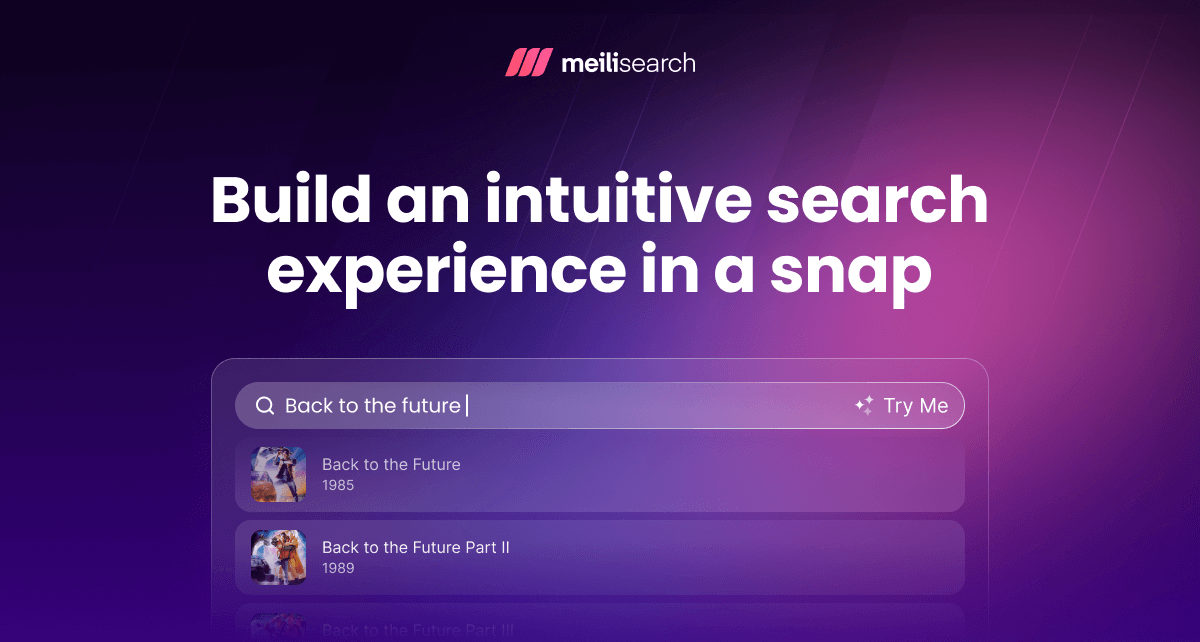
Meilisearch: Unified Search & AI Retrieval Platform
Build lightning-fast search and AI retrieval with Meilisearch. Open-source, developer-friendly search engine trusted by 20,000+ teams worldwide.
DataLicenses.org
Machine-readable hints for AI agents/crawlers; easy to adopt, rely on compliance.
Google for Developers Blog - News about Web, Mobile, AI and Cloud
Discover EmbeddingGemma, Google's new on-device embedding model designed for efficient on-device AI, enabling features like RAG and semantic search.

Undermind: your AI co-researcher for the literature
Undermind finds the papers others miss, reading full texts and figures, citing every source. Build command of your field with a living library as you research.

Privacy Considerations with AI Tools
Artificial intelligence (AI) tools come in all sorts of flavors. There are notetaking and transcription tools, chatbots, device-wide agentic AI features, grammar and writing tools, translation assistants, AI summaries, and research tools, among others. As a term, “AI” may refer to features in apps, apps themselves, third-party plug-ins, or a...
Turn 10,994 Notes Into Memory - Paul Iusztin, Decoding AI & Louis-François Bouchard, Towards AI
Fast Note Sync
Real-time sync of your vaults across server, mobile, and web; shareable with anyone; supports REST and MCP integrations to build your personal AI knowledge base.
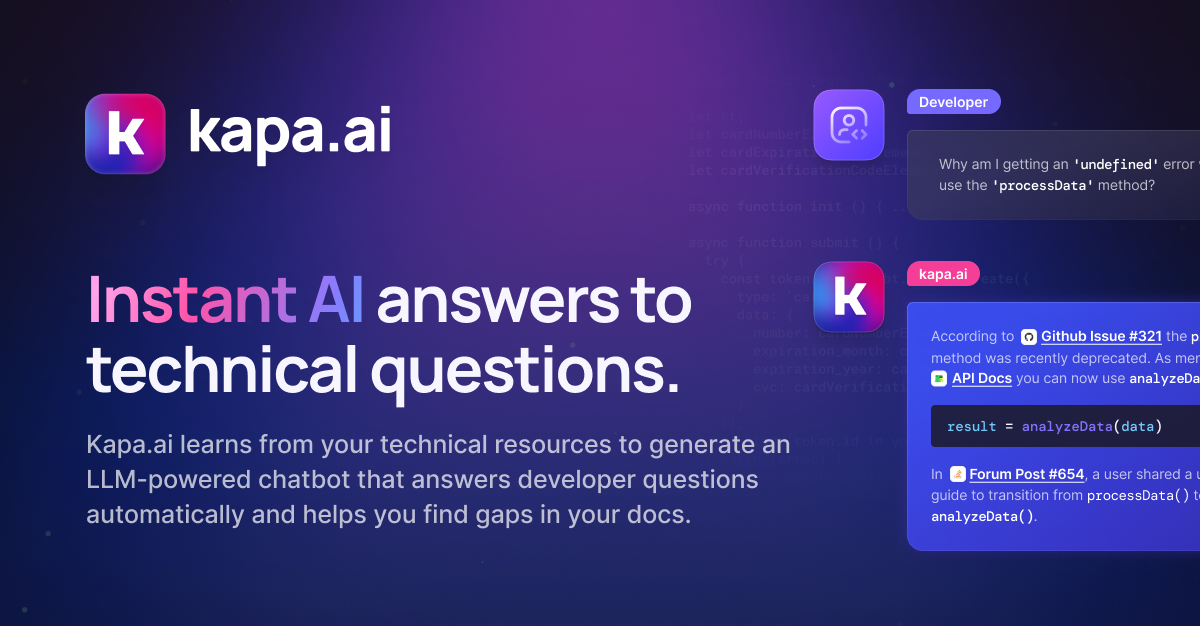
Writing documentation for AI: best practices | kapa.ai docs
Retrieval-Augmented Generation (RAG) systems like Kapa rely on your
AI search answers are the fast food of your information diet – convenient and tasty, but no substitute for good nutrition
An information scientist explains that while Google’s AI Overviews and other AI search tools may look enticing, you shouldn’t rely on them to fill all your search needs.

AI search answers are the fast food of your information diet – convenient and tasty, but no substitute for good nutrition
An information scientist explains that while Google’s AI Overviews and other AI search tools may look enticing, you shouldn’t rely on them to fill all your search needs.
MainPage8
The InfoCentral project has historically been focused more heavily upon the symbolic (human-meaningful) side of AI. This included derivatives of Semantic Web and related knowledge representation research, which were dependent on human effort to curate and categorize structured data. The symbolic approach to AI has largely lost the race to the neuro/neuro-symbolic (opaque vectors, statistical) side of AI research, notably the success of the Large Language Model (LLM) paradigm. Due to its faculties with natural language, remarkably little human involvement is needed to infer structure and meaning from traditional (mostly unstructured) information. As such, some of the approaches previously explored in the InfoCentral project have lost relevance. That said, LLM-based tools can perhaps help us finish the symbolic side of the grand AI project, by doing the tedious work that humans were reluctant to do! It has long been theorized that a combination of approaches will ultimately provide the most robust and performant systems, able to work with messy transient unstructured information while also building networks of verifiable persistent structured information that both humans and machines can cross-verify. This may prove useful in both ensuring that future AI systems remain aligned to human goals and values and that inevitable abuses and failures can be easily recovered from. To that end, some research results of this project may be re-usable in a new context.
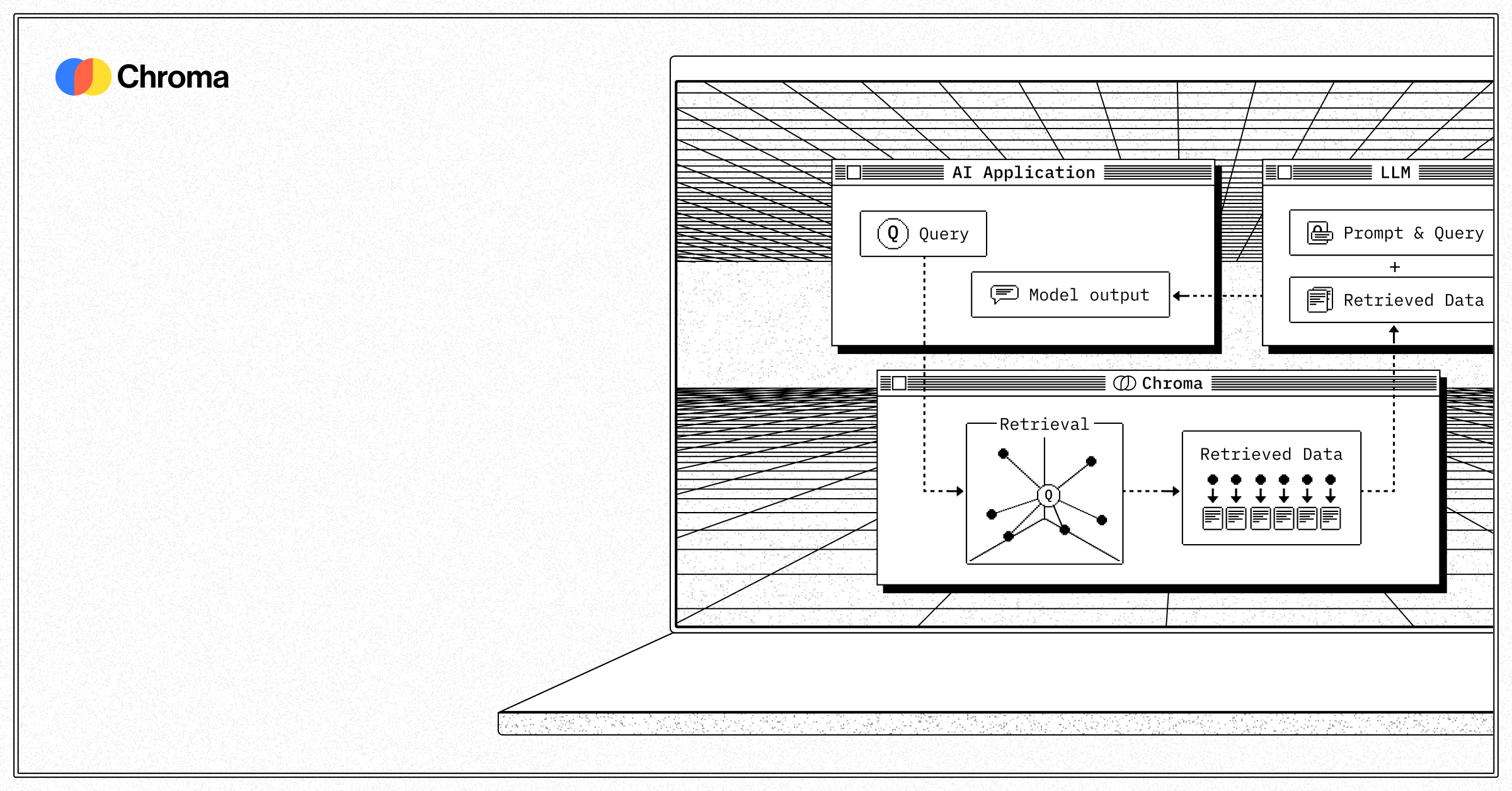
Chroma - open-source search infrastructure for AI
Open-source search infrastructure for AI
IWE - Agent Memory in Plain Markdown
A local-first knowledge graph for you and your AI agents. Query markdown like a database, edit it with guarded operations, enforce structure with schemas.
deta/surf
Personal AI Notebooks. Organize files & webpages and generate notes from them. Open source, local & open data, open model choice (incl. local).
Search LibGen, the Pirated-Books Database That Meta Used to Train AI
Millions of books and scientific papers are captured in the collection’s current iteration.

On-device intelligence for every product
We're building a frontier lab for on-device AI. Small, specialized models for audio, vision, and text, faster than the cloud and free.