


Build features that drive adoption, not backlog. A process for turning customer feedback into product features that move retention and growth.
Why SaaS product managers need feature voting software - Canny Blog
Using feature voting is a simple way to collect and understand customer feedback. And, it helps product managers make more informed decisions around what to build next.

How To Validate Product Ideas Before (And After) Building Them
People spend too much time writing software relative to speaking to potential customers, prior to launching and after it. Reversing that is a win.
Feature / Product / Business: A Framework for Sustainable ATProto Projects | ATmosphereConf VODs
The ATProto community built a ton of great features and products over the past year! For our next trick, let's mature them into products and businesses. In this talk, you'll get a practical framework for understanding whether what you're building should be a feature, product, or business, plus concrete funding models at each layer to keep your work going and growing. (More in this thread: https://bsky.app/profile/mosh.bsky.social/post/3mckiat2ne22q)

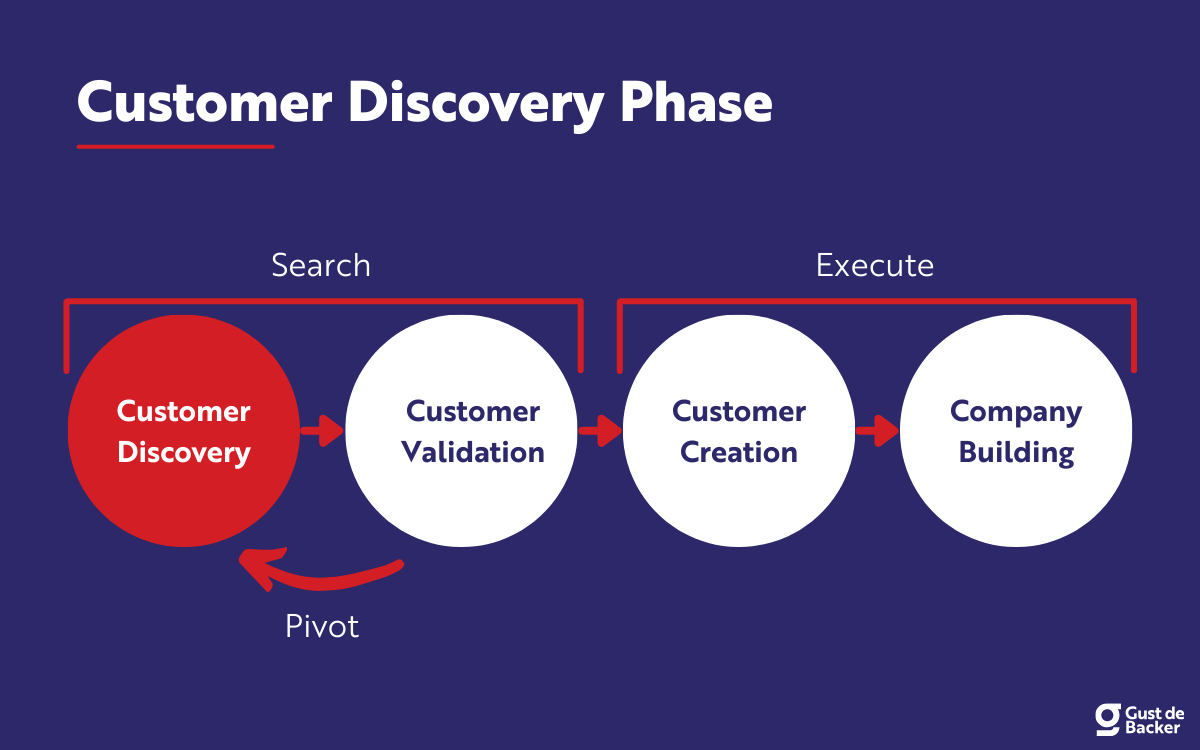
Customer Discovery: in 4 steps from Idea to Validated Product [Guide] - Gust de Backer
You have an idea for a business. But... You don't want to build a business based on assumptions. Instead, you want to build a business based on validated assumptions so you're not just going to throw money away. I'm going to explain to you how the Customer Discovery phase of the Customer Development Process can be used to validate your…
Features-as-Plugins First Transitions Into Features-as-Projects
Last year, I identified key factors that suggested the features-as-plugins first model was falling apart. A lack of communication, direction, buy-in from core developers, and synchronized developme…

Customer Onboarding: Steps, Examples, and Best Practices
A detailed guide to creating a customer onboarding process, with best practices to help customers achieve success with your product.

Customer Onboarding: Steps, Examples, and Best Practices
A detailed guide to creating a customer onboarding process, with best practices to help customers achieve success with your product.
Building what customers need, not just what they ask for - Linear
Notes from our product team on building the tools we use every day.

AIDA model | Marketing | Research Starters | EBSCO Research
<p>The AIDA model is a marketing framework that outlines the stages consumers typically go through when making a purchasing decision: Attention, Interest, Desire, and Action. Developed in the late 19th century by American marketer Elias St. Elmo Lewis and later refined by Edward Strong in the 1920s, this model aims to guide marketers in capturing potential buyers' attention and leading them toward a purchase. </p> <p>In the Attention stage, marketers employ engaging strategies to attract consumers, often using eye-catching visuals or intriguing information. Next, the Interest stage focuses on maintaining that attention through memorable content or relatable messaging. The Desire stage demonstrates how a product or service fulfills the consumer's needs, often using persuasive techniques like testimonials or demonstrations. Finally, the Action stage prompts the consumer to make a purchase, providing clear instructions on how to proceed.</p> <p>While the AIDA model remains relevant, marketers today may adapt it to incorporate new elements, such as Retention or Satisfaction, reflecting the evolving digital landscape and consumer behavior. Overall, the AIDA model serves as a foundational tool for understanding consumer engagement and facilitating effective marketing strategies.</p>

6 Keys to Getting High-Quality & Useful Customer Feedback
Customer feedback is key for understanding customer needs and shaping product roadmaps. Check out our guide to collecting and analyzing feedback.
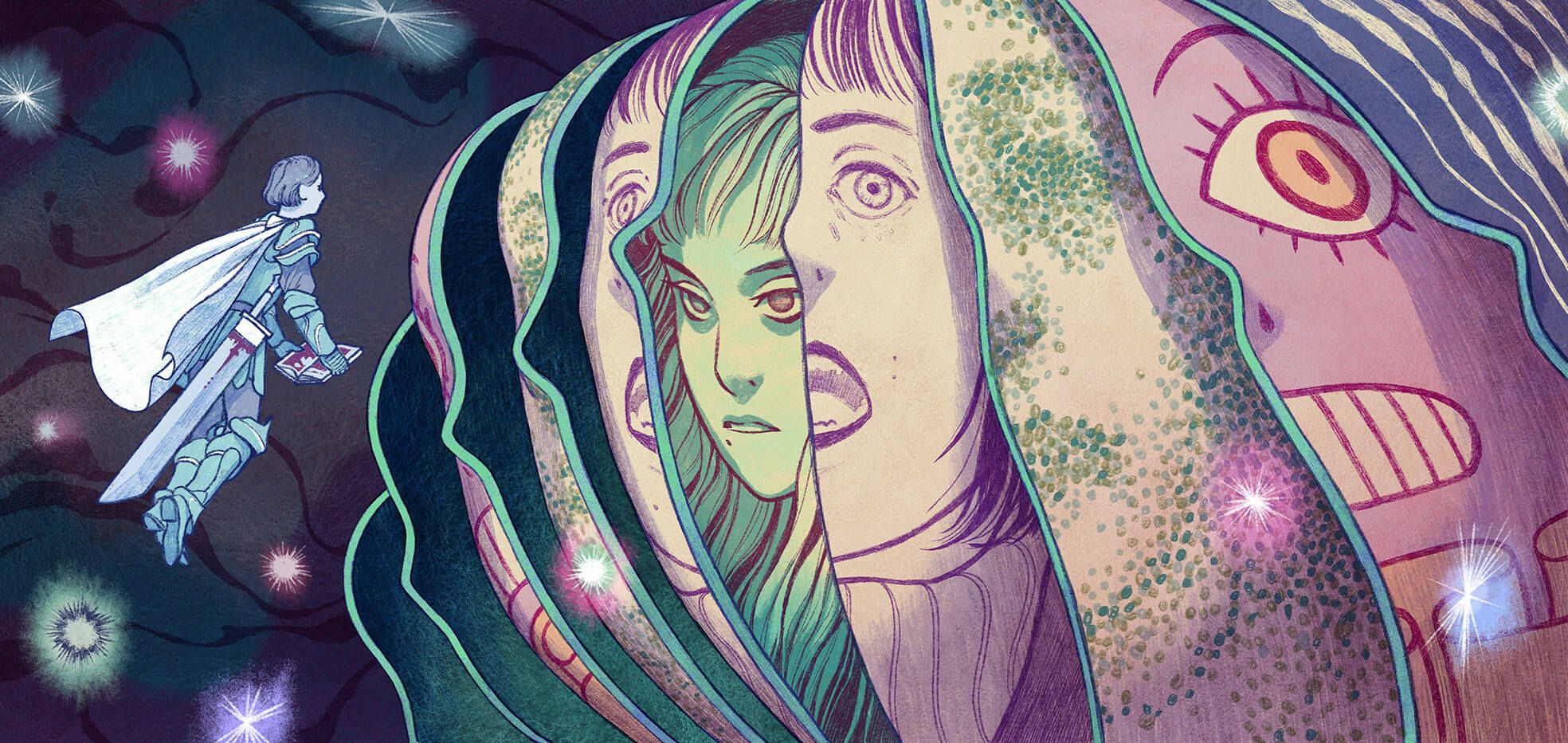
Inside Design Tokens: Features
Features encode user preferences, inherit behavior(s) and are communicated by several principals through agents. Design tokens may or may not support features.

Why You Should Ignore Customer Feedback Sometimes
We’ve heard time and time again that one of the best ways to make sure your customers are happy with your products is to listen to what they tell you.

Customer development
Customer development is a formal methodology for building startups and new corporate ventures. It is one of the three parts that make up a lean startup (business model design, customer development, agile engineering).[1]
How Basecamp takes a feature from idea to completion
This is a behind the scenes look at how we work at Basecamp. It is Part II of my article, Getting from ⭐️⭐️ to ⭐️⭐️⭐️⭐️⭐️ In Part 1, I wrote about how we were unhappy with the App Store ratings of …

Field Experimentation in Marketing Research
Despite increasing efforts to encourage the adoption of field experiments in marketing research (e.g., Campbell 1969 ; Cialdini 1980 ; Li et al. 2015 ), the majority of scholars continue to rely primarily on laboratory studies ( Cialdini 2009 ). For example, of the 50 articles published in Journal of Marketing Research in 2013, only three (6%) were based on field experiments. The goal of this article is to motivate a methodological shift in marketing research and increase the proportion of empirical findings obtained using field experiments. The author begins by making a case for field experiments and offers a description of their defining features. She then demonstrates the unique value that field experiments can offer and concludes with a discussion of key considerations that researchers should be mindful of when designing, planning, and running field experiments.
