The European Commission put a 120M EUR fine on X for DSA violations. But as the European politicians cannot get themselves to leave the platform, it shows the issues with how they understand how power works on social platforms.
X Marks the Spot: Unpacking the EU's First DSA Fine
Explore the implications of the European Commission's €120 million fine on X for DSA violations. Discover the legal reasoning and future enforcement trends.

Digital sovereignty can’t be bargained away
The European Commission has tools, public support and a mandate to act on Big Tech. Trading that away for short-term calm would be a costly mistake.

W Social, public institutions and the theater of European digital sovereignty | Hacker News
And weirdly, there was never a peep about this in the press - while the W Social launch was on national news and a bunch of high-profile EU politicians immediately joined. What's going on here?
Commission fines Google €890 million for breaches of the Digital Markets Act
Today, the European Commission took two decisions finding non-compliance by Google with the Digital Markets Act (DMA) for self-preferencing its own services on Google Search, and for putting in place restrictions on businesses to direct consumers to alternative, often cheaper, purchase channels on Google Play (steering). In this regard, the Commission issued Google a fine of €460 million and a fine of €430 million respectively.
How the EU can fine US companies for violating GDPR
The EU is set to begin enforcing a new set of data privacy regulations in 2018 that will impact companies on both sides of the Atlantic. Here’s how EU regulators can — and will — come after US companies for data privacy violations. European regulators are getting ready to implement a far stricter data-privacy regulation in early 2018, and both European and U.S. companies are working to get into compliance. Called the General Data Protection Regulation (GDPR), the new rules place heavy fines fo...

From Brussels Template to UK Tailoring: How the DMCCA Is (Re)writing the Rules for Big Tech - The Platform Law Blog
By Dr. Konstantina Bania The UK has built a “rival” to the EU’s Digital Markets Act – and it is now starting to use it. Under the Digital Markets, Competition and Consumers Act (DMCCA), the Competition and Markets Authority (CMA) is moving from abstract principles to concrete, platform‑specific rules for some of the most powerful […]

Age assurance across Europe: how countries are safeguarding minors online
In 2024, regulators and online service providers fully aligned around the Digital Services Act (DSA), a groundbreaking piece of legislation that regulates the provision of online services within the EU, regardless of whether the provider is based in Europe or not. This year, the focus has shifted to implementing these legislative principles in practice. In particular, measures aimed at safeguarding minors have gained significant momentum, with age verification being a key example.

Elena Rossini 🌈 (@_elena@mastodon.social)
#WSocial will open up their beta program today… and I have a SCOOP for you: it appears that they have quietly gone closed-source! This is ironic, considering that the @EUCommission@ec.social-network.europa.eu just unveiled their Tech Sovereignty Package, emphasizing the importance of #OpenSource. And yet they have migrated their main ATproto accounts to W Social - whose code can no longer be inspected! My full article - with a great analysis by @aral@mastodon.ar.al: 🔗: https://blog.elenarossini.com/w-social-public-institutions-and-the-theater-of-european-digital-sovereignty/ #FOSS #DigitalSovereignty #BigTech
Digital Omnibus: What Would it Mean for Competition and Privacy in Advertising? - The Platform Law Blog
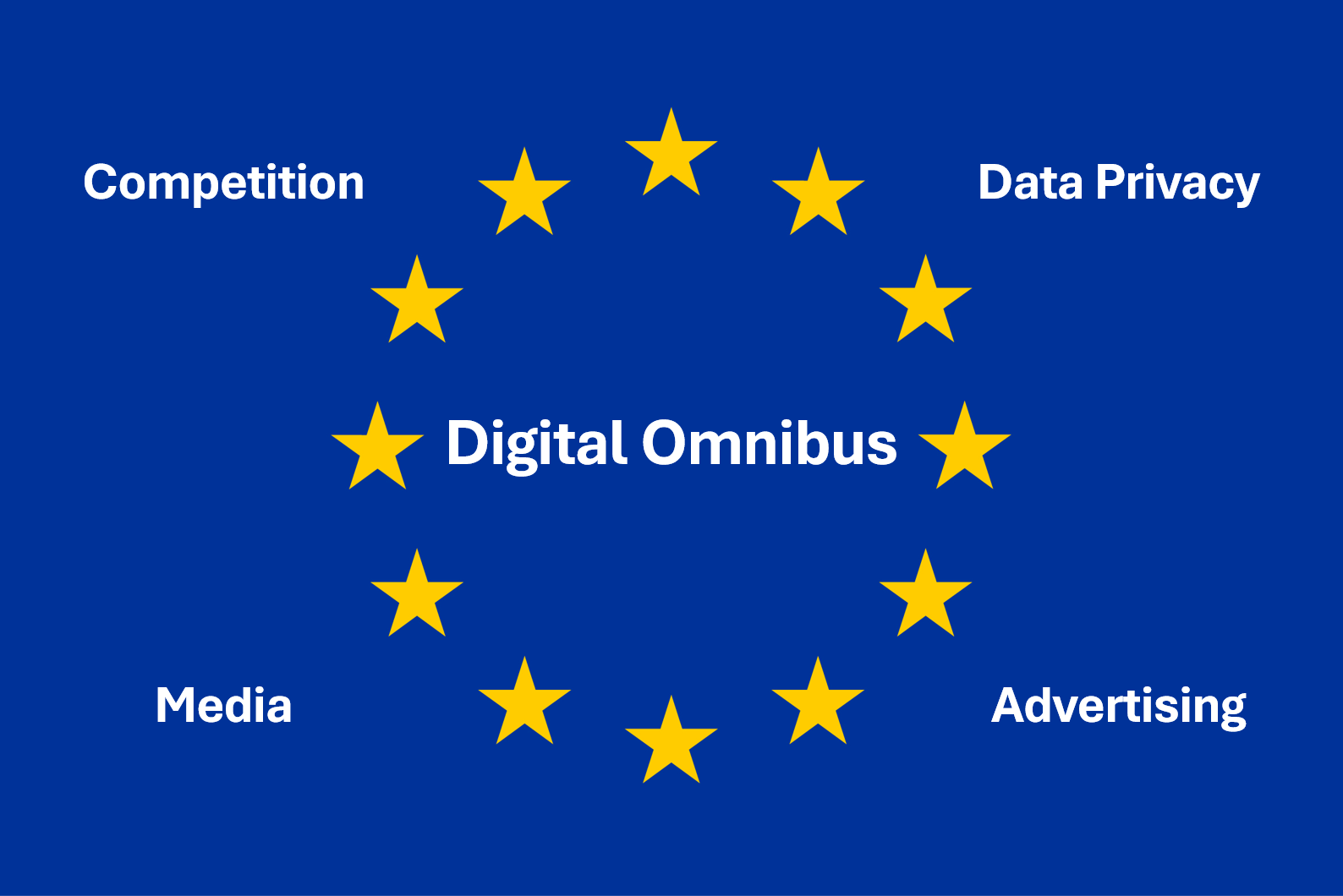
In November 2025, the European Commission (“Commission”) proposed a “Digital Omnibus” regulation to amend several EU legislations.[1] Although presented as a simplification exercise to strengthen Europe’s competitiveness, the proposal revisits key provisions of the General Data Protection Regulation (GDPR) and the e-Privacy-Directive concerning the use of personal data, including for advertising purposes. The changes could […]
FR#166 – No Change
Many people in Europe see the open social web as a path to digital sovereignty. This week demonstrated a problem: the assumption that European governments actually want to be sovereign.

In Russmedia Ruling, the GDPR Displaces Europe's Rules for Online Speech
The ruling shows the serious problems that can arise when European courts rely solely on the GDPR, writes Daphne Keller.

Privacy as EU Tech advantage - The LeafPlaza Blog
Online crime loves legal massive data collection, grey systems, and jurisdictional gaps. Privacy-first design can actually reduce crime exposure and build trust in digital services. It is also central to the EU's tech autonomy: build systems aligning with European rights and risk models. Do not rely on foreign platforms or copy outside practices that might go against the EU values and needs.
Today, Europe Lost The Internet. Now, We Fight Back.
Today, in a vote that split almost every major EU party, Members of the European Parliament adopted every terrible proposal in the new Copyright Directive and rejected every good one, setting the
X Is a Power Problem, Not a Platform Problem
Fediverse Report #148: X is not a just platform problem anymore, it's a power problem, and why you cannot compete as platforms with power.

Funding Open Source for Digital Sovereignty
"Open Source alone won't deliver digital sovereignty. Europe must fix procurement and fund those who actually build it."