

Auteur managerialism, the myth of one-shotting, and the chindogufication of engineering
Engineering managers have a new job description
Why engineering managers are expected to be hands-on again and how AI tools are making it possible to stay technically sharp while still leading.

The Myth of the Non-Technical Startup Employee
The indignities unwittingly foisted upon the early operations employee are many and varied.

Jenny Wen: The design process is dead. Why Designers can no longer trust it.
High-Tech Anthropology® Process Tour
Come learn about the benefits of observing end users, creating and mapping personas, and assessing iterative designs. Additionally, see the other tools we use and visuals we create to capture and distill information that will help us mitigate the risk of a failed end product. These steps build the foundation for user-friendly designs tailored to target persona(s) – for products that are actually adopted (and even enJOYed!) rather than tossed to the side or treated like paperweights.

The Programmer Identity Crisis ❈ Simon Højberg ❈ Principal Frontend Engineer
On AI, Creativity, and Craft

Staff Engineer and Public Speaker | Szymon Chudy
Staff engineer who cares about the why, not just the how. Writing about frontend, productivity, and growing in tech.
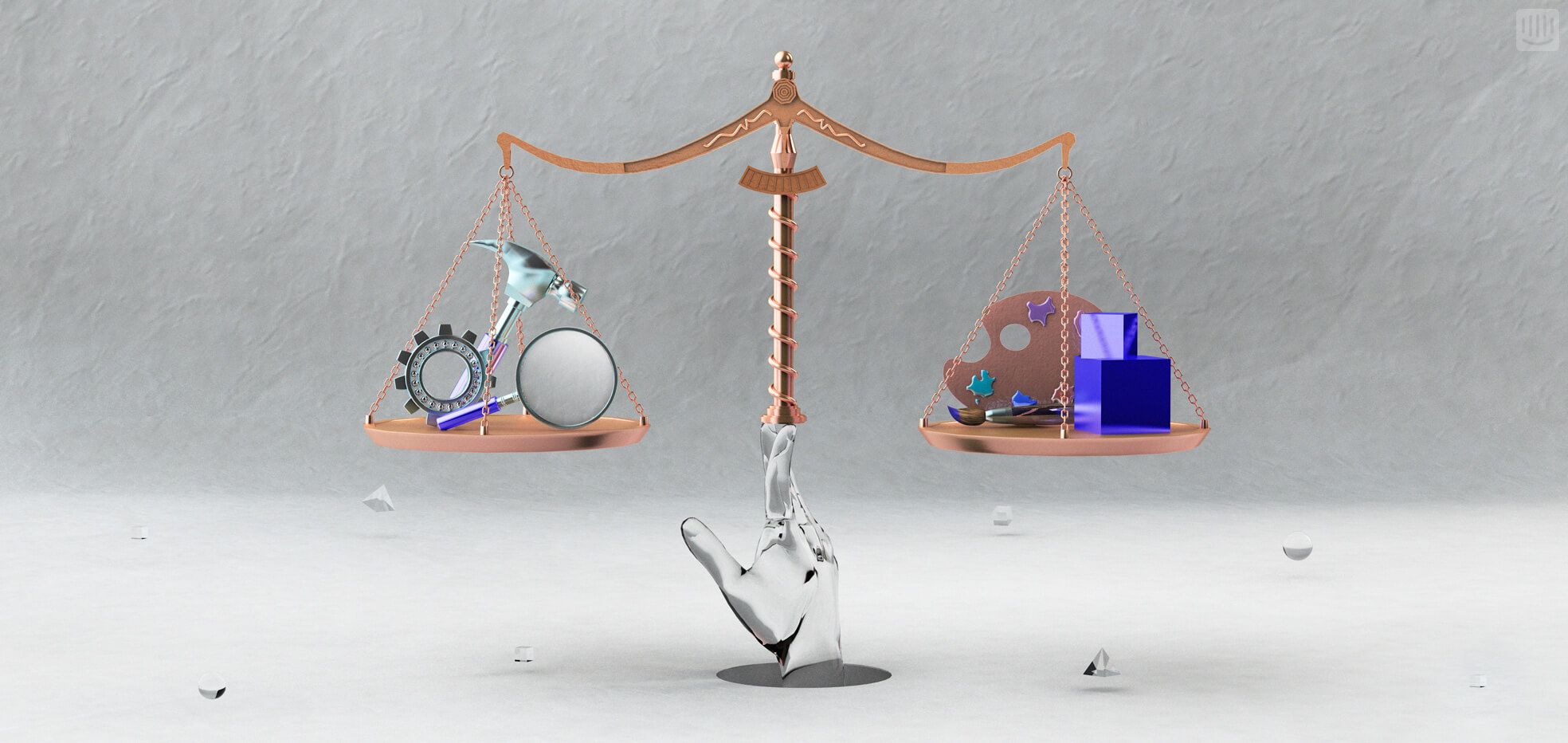
The golden mean of design and engineering - The Intercom Blog
For great products to be built, both design and engineering need to be in balance. If you have a super strong engineering team but a weak or underserved design team, you will struggle.
Staff archetypes
Most career ladders define a single, uniform set of expectations for Staff engineers operating within the company. Everyone benefits from clear role expectations, but career ladders are a tool that applies better against populations than people. This is particularly true for Staff-plus engineers, whose career ladders often paper over several distinct roles hidden behind a single moniker. The more folks I spoke with about the role of Staff-plus engineers at their company, the better their experiences began to cluster into four distinct patterns. Most companies emphasized one or two of the patterns, and one pattern only existed in companies with many hundreds or thousands of engineers. A few companies didn’t feature any technical leadership pattern and pushed all their experienced engineers towards engineering management. In literature, recurring character patterns are called archetypes, such as the “hero” or the “trickster,” and the archetype term is helpful for labeling these frequent variants of Staff-plus engineers.
The Biggest Mistake I See Engineers Make
Throughout my career, the biggest mistake I see engineers make is doing too much work on their own before looping in others. I’ve experienced this mistake as both an IC and a manager. As an IC, it’s a mistake I made many, many times early in my ow...
Self-promotion without the ick (thanks Claude)
To be brutally honest, this (making Claude my social media manager) all started because I felt inadequate about self-promotion. And being an engineer, my response to feeling bad about something is …

Design Engineering with Maggie Appleton
Overcommitted | Software Engineering and Tech Careers Insights
Overcommitted is where passion for the craft meets real talk about software engineering—from pull request philosophy and technical debt strategy to imposter syndrome and continuous learning, we are engineers committed to growing together and sharing the honest, thoughtful conversations that make you better at your job and your life.

Don't Feed the Thought Leaders
In this article, the author shares their experience as an engineering manager and the challenges they faced when trying to reach alignment and prev...

Towards Post-Interaction Computing: Addressing Immediacy, (un)Intentionality, Instability and Interaction Effects
We situate the debate on intentionality within the rise of cognitive neuroscience and argue that cognitive neuroscience can explain intentionality. We discuss the explanatory significance of ascribing intentionality to representations. At first, we ...

"[Man] aspires to make robots as one of the greatest achievements of his technical mind, and some specialists assure us that the robot will hardly be distinguished from living men. This achievement will not seem so astonishing when man himself is hardly distinguishable from a robot." - Erich Fromm
