

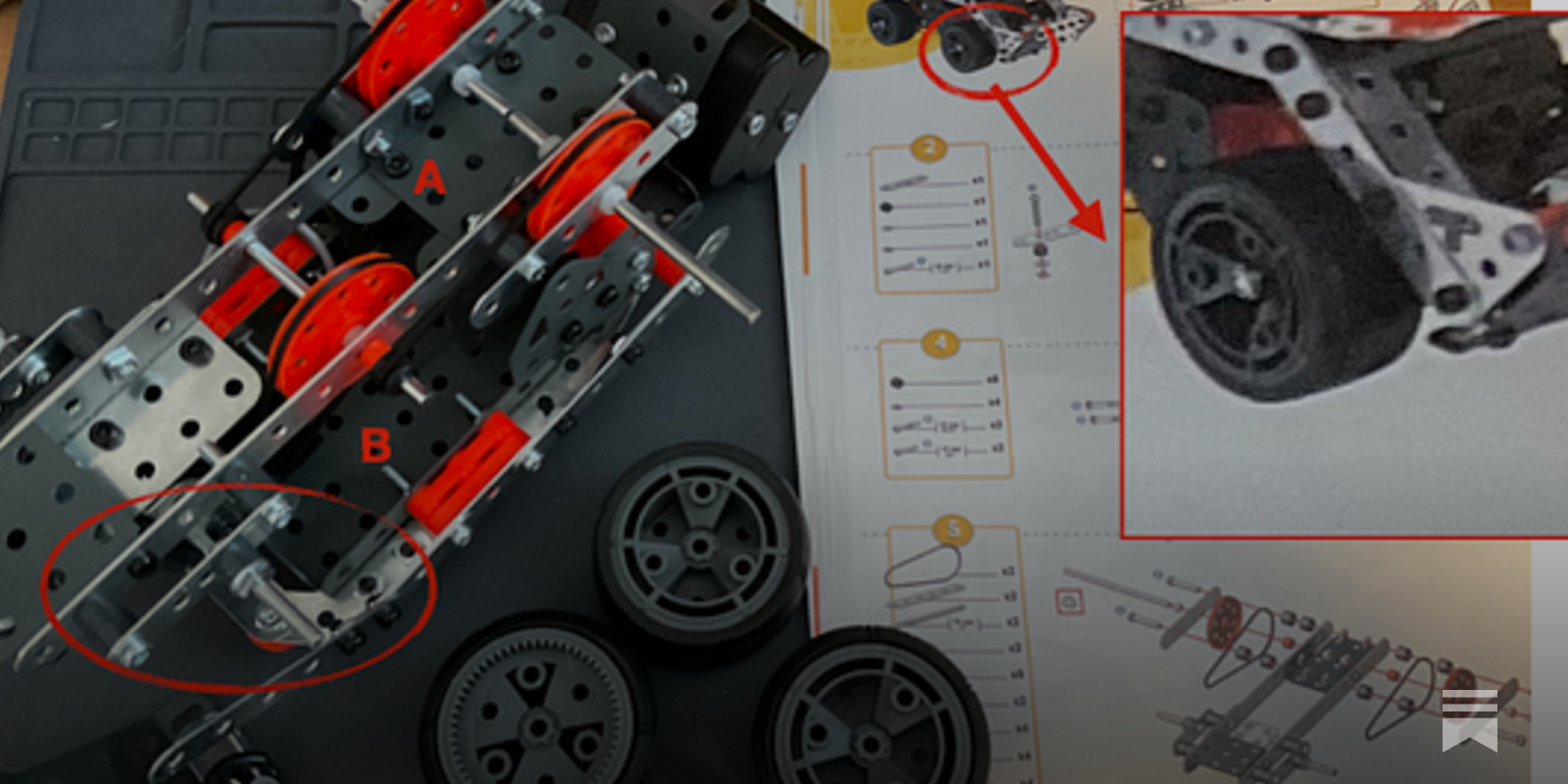
What do ZIRP, the AI panic, and the meaning crisis have in common?
John Vervaeke: “The Meaning Crisis: Wisdom, Purpose, and the Search for Coherence” - The Great Simplification
The crises that our world is facing seem to be constantly growing, leading to enormous and devastating systemic effects across the globe.

How the AI Writing Panic Is Making Us All Worse Writers
This applies to those who use AI to write and those who don’t

Gen Z Terrified of Losing Their Humanity to AI
As AI becomes more ubiquitous, Gen Z students are starting to freak out about its effects on their brains.

AI Is a Mass-Delusion Event
Three years in, one of AI’s enduring impacts is to make people feel like they’re losing it.
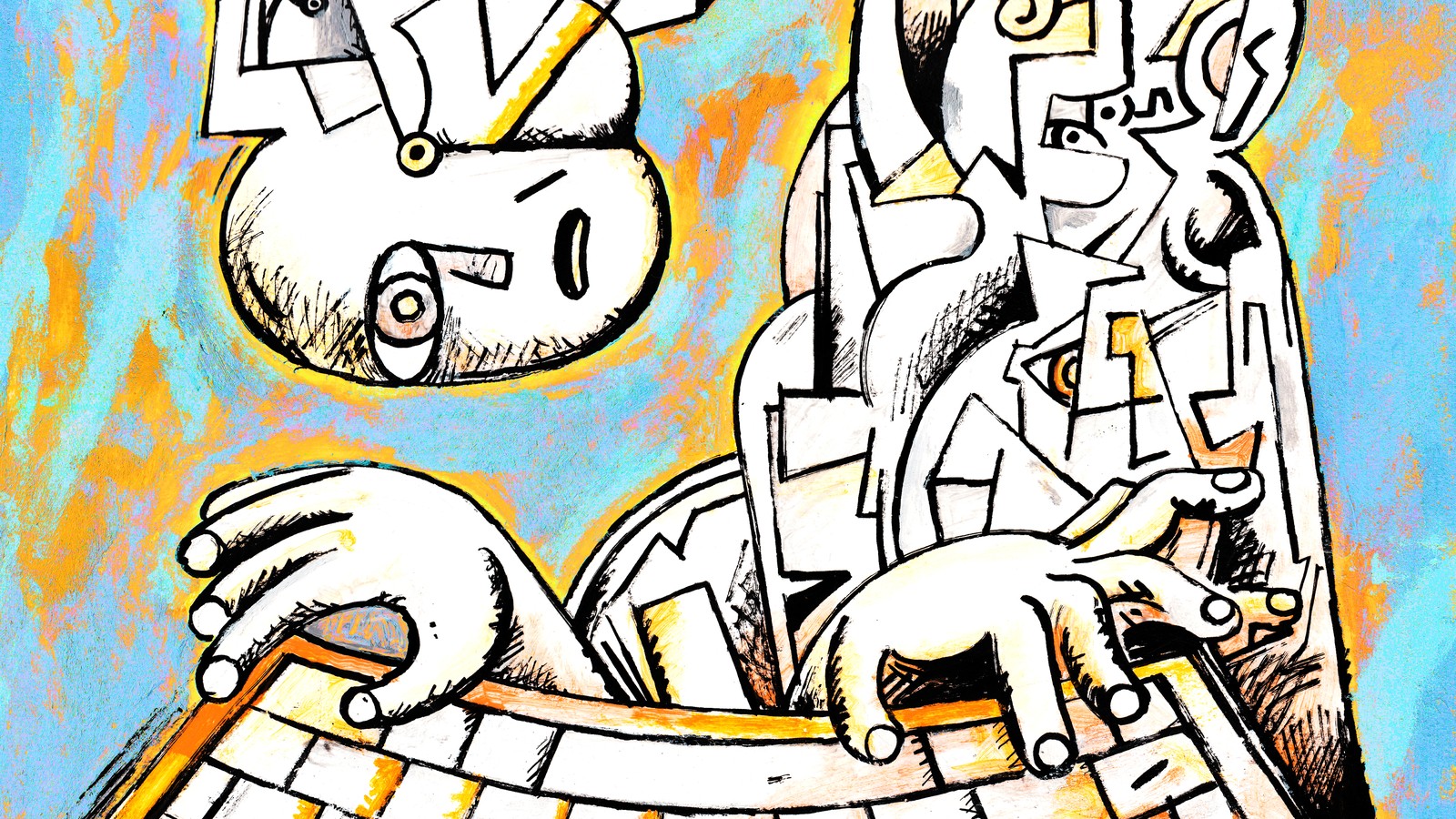
Misleading Metaphors, Real Risks
What To Fear from AI Agents and How to Reclaim Our Human Agency

AI Safety Is a Narrative Problem · Special Issue 5: Grappling With the Generative AI Revolution
This op-ed explores power and narrative dynamics around AI. Drawing on pop-culture references, the professional experiences of the author and examples from 2023’s “Great AI Safety Hype Roadshow,” this piece draws on the literary criticism technique of practical criticism to consider how speeches and announcements from both Silicon Valley executives and research scientists to interrogate the media-friendly nature of p(doom) discourse—which focuses on the existential risks of AI (PauseAI, 2023)—and its likely consequences. The complexities of AI and its numerous social impacts can be difficult for even the most expert analyst to unpack. In spite of this, the potential of “existential threats” has successfully cut through to become a mainstay of mainstream media coverage over the last year. This piece will make the case that this is an effective narrative conceit that has achieved a number of ends that traditional science communication tends to find difficult, if not impossible, to achieve. Firstly, it is easy to understand. Simplification of this nature—that removes jargon and complexity and focuses on a single outcome—is much easier to fit on a TV rolling news ticker or on the cover of a tabloid newspaper than more well-balanced, representative opinions. Secondly, it inherits prior assumptions from well-known dramatic forms. P(doom) plays to stories familiar from Greek tragedy through to Marvel movies, in which lone male heroes battle ineluctable forces. Thirdly, it is imbued with urgency and so becomes difficult to ignore.

AI FOR EPISTEMICS & COORDINATION
Civilization and technology have radically improved the human condition. Nonetheless, the world sometimes goes in directions which essentially nobody would prefer — e.g., nuclear arms races, unexpected financial crashes, predatory marketing, or ubiquitous political misinformation.
Wisdom in a World in Crisis: The Counterintuitive Need to Slow Down and Find Spaciousness with Iain McGilchrist
AI and the Wisdom of Uncertainty
AI chatbots rarely say "I don't know," and neither, increasingly, do we. But we can cultivate our epistemic resilience.

Meet Ed Zitron, AI’s original prophet of doom - Fast Company
Zitron has built a small media empire on spleen-venting rants arguing that AI is not only a bubble but a fraud—one that’s headed for a spectacular crash. What if he’s right?
"the crucial step in crisis engineering is to re-establish a common view which corresponds to reality – to restore sense-making. Once that step has been taken, actually solving the problem becomes a tractable task, and without it nothing is going to work" -- @dsquareddigest.bsky.social

a failure of sense making
backofmind.substack.cominteresting to see them citing the meta-crisis and failure to address it as a prime reason for moving on - "our wisdom must grow in equal measure to our capacity to affect the world, lest we face the consequences" raising meta-crisis awareness among AI researchers is a great way to reduce x-risk 👍 >

norvid_studies
another one for the scrapbook @gracekind.net


