September, and with it the start of classes at most educational institutions in the United States, is almost upon us. In honor of this, I’d like to look back this week on the September that started twenty-eight years ago in 1993 and is still continuing: Usenet’s Eternal September. Twenty-eight years in, I still don’t think we understand exactly what the implications of this change were, nor have we decided what direction Internet communities should turn in response. I don’t have all the answers either, but I’d like to suggest two useful ways of thinking about it.
Eternal September
Eternal September or the September that never ended was a cultural phenomenon during a period beginning around late 1993 and early 1994, when Internet service providers began offering Usenet access to many new users.[1][2] Before this, the only sudden changes in the volume of new users of Usenet occurred each September, when cohorts of university students would gain access to it for the first time, in sync with the academic calendar.
It's September, Forever
The 'Eternal September' was a 1993 backlash against unwanted internet users. It never ended.
Eternal September | Know Your Meme
Eternal September is a slang term that refers to the time period of the Internet since September 1993, when Usenet saw its heaviest influx of newbies into


We can have a different web
Many yearn for the “good old days” of the web. We could have those good old days back — or something even better — and if anything, it would be easier now than it ever was.
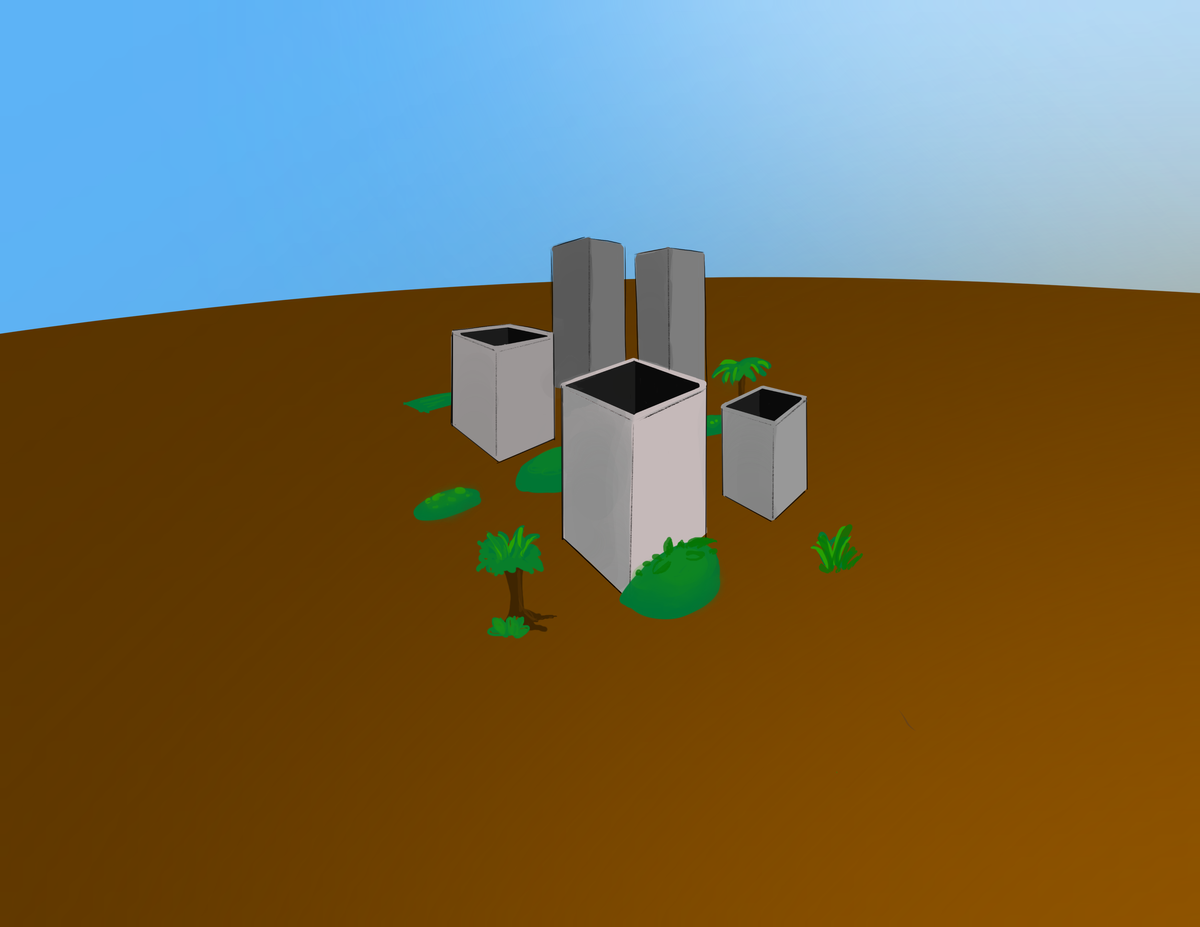
My journey to the heart of the forgotten internet
Slowly but surely, huge swaths of the internet are vanishing. But the artefacts of the early web are still out there, and they have lessons for the future.

The Attention Forum: October 23/24th 2025
The internet was initially sold to us as a force for connection – a borderless, democratizing set of technologies that would amplify voices, allow us to spread ideas, and strengthen civil society.

25 years on, here are the worst ever predictions about the internet
Back in the Nineties, many experts didn't think the internet would live to see its first, let alone 25th, Internaut Day.

Be A Property Owner And Not A Renter On The Internet
The year is 2025. The internet in the shape that we've known it in the early 2000s is no longer there. Or, not quite in the shape that we've seen it before. This is not just plain nostalgia talking - the vibrant ecosystem of blogs, feeds, personal sites, and forums has been usurped by a few mega-concentrated players.

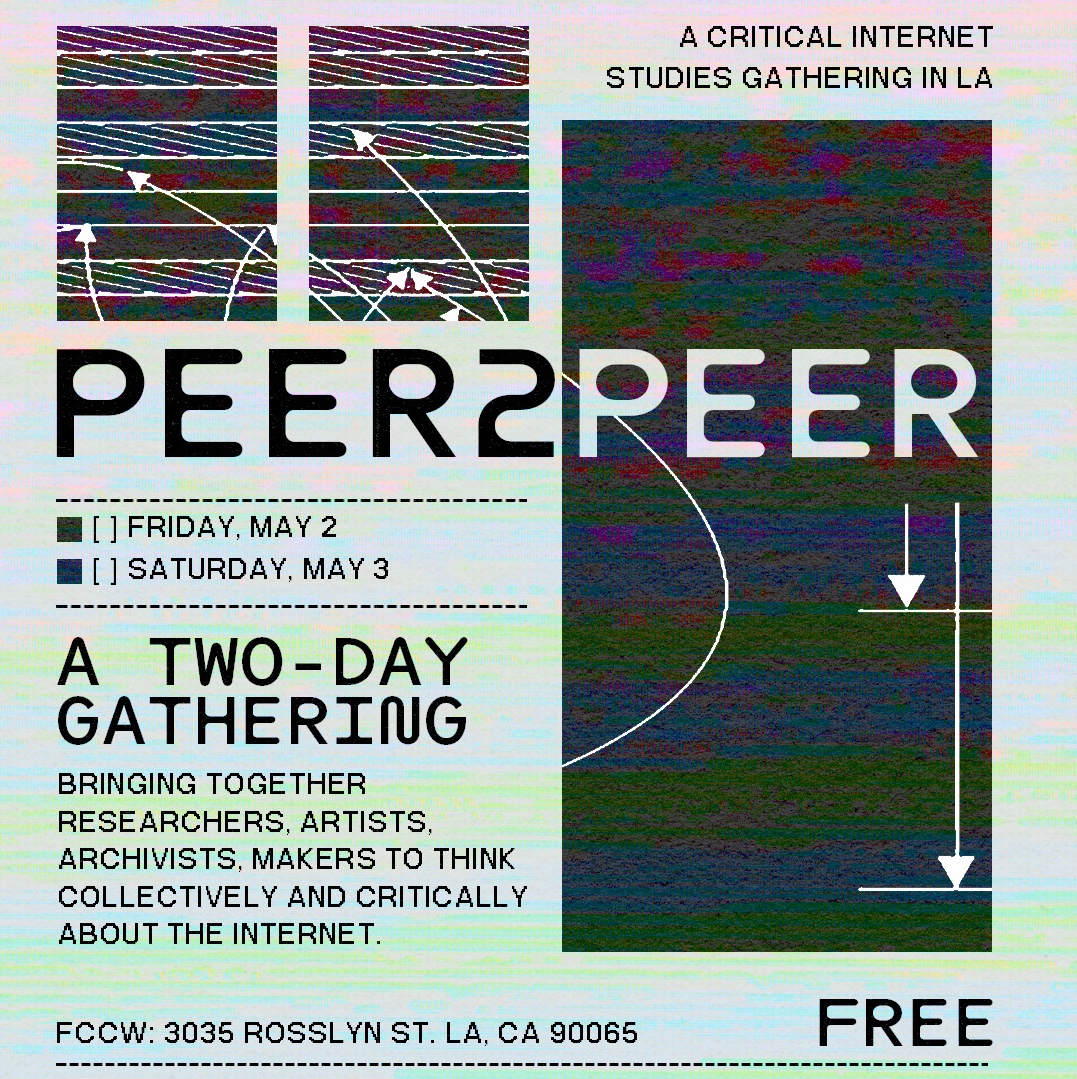
Peer2Peer: A Critical Internet Studies Gathering in LA - FCCW: Feminist Center for Creative Work
UCLA Center for Critical Internet Inquiry and FCCW Present Peer2Peer: A Critical Internet Studies Gathering in LA Friday, May 2 & Saturday, May 3 FCCW: 3035 Rosslyn St. LA, CA 90065 Info on our space Free Peer2Peer is a two-day gathering bringing together researchers, artists, archivists, and makers to think collectively and critically about the Internet. Come hear incredible new work from our research community, learn how to up your digital security, learn how to archive (or not!) the web, come laugh at jokes about the Internet! All events unless otherwise noted are open to the public. Come for an hour or stay for the whole two-days!
Part I: The Next Great Online Community
There’s a lack of innovation in community software. Let's dive into internet history, and get inspired!
Part II: USENET — Let's Return to Public Spaces
Usenet was what the Web is missing nowadays: a genuinely public space, with unclear ownership
Future Histories of Other Networks – Lori Emerson
Was their any substantial backlash to the internet when it first started becoming popular? I can imagine that going from a comparatively disconnected world to one where instantaneous global connection 24/7 were commonplace was a rather massive (and not always positive) shift in many ways.
2.7M subscribers in the AskHistorians community. The Portal for Public History. Please read the rules before participating, as we remove all comments…
The year we wanted the internet to be smaller
Why tiny, weird online communities made a comeback in 2017

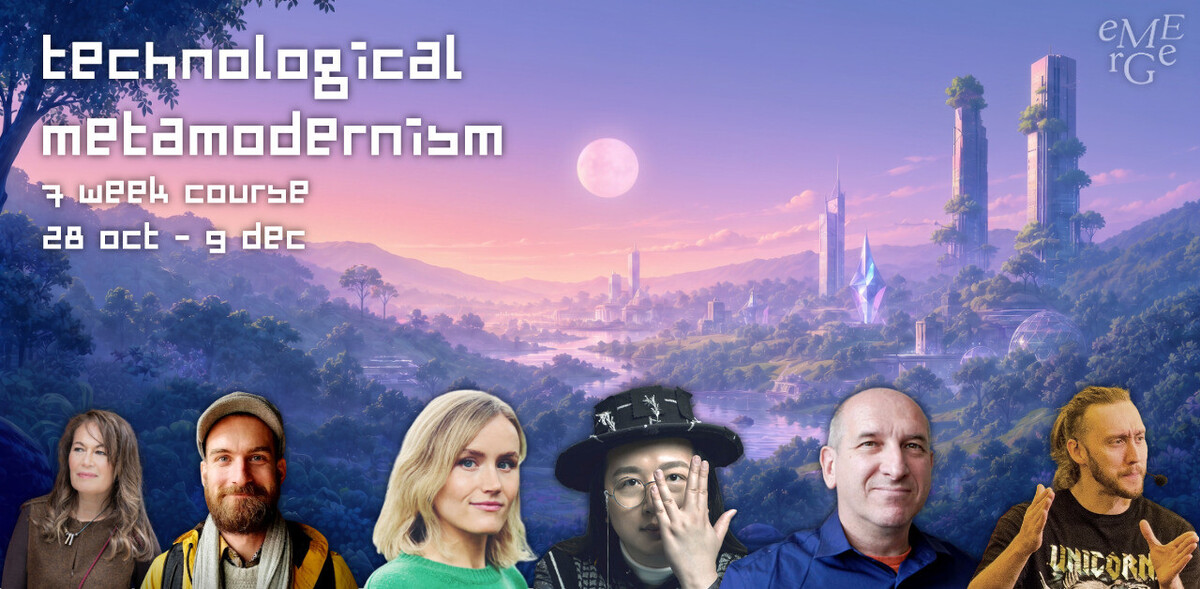
Technological Metamodernism: A seven-week course
Wed 28th Oct 2026, 1pm – Wed 9th Dec 2026, 2pm EDT (UTC -04:00)