


There is a growing ecosystem of social movement communicators. But we need a whole lot more to screw the status quo.
It’s time for movements to rethink social media
Movements can still find people on social media. But the real organizing has to happen somewhere else — and that's the part we keep skipping.

Bridging Social Movements and the New Social Web (working draft) - Variable Context with @CaptainCalliope.blue
On connecting movements, media, and new protocol ecosystems to rebuild the civic, cultural, and technical foundations of a freer, more self-determining society.
Center for Human Progress on Twitter / X
Introducing the Center for Human Progress, a think-and-do tank rooted in cultural evolution, behavioral science, and economics.The world isn't short of great ideas. It's short of the systems to deliver them. The barriers to implementation are typically in the people layer -…— Center for Human Progress (@CFHumanProgress) November 17, 2026

Activists and hipsters without territory or a plan
There is almost no social movement of a kind that leads human industrial society into a new direction. This may be because the likely participants and leaders of a vanguard have no territory. The missing ingredient is cohesion. Enough cohesion can create Virtual Territory, or a network for the cultural revolution that's needed to replace the systematic destruction of our biosphere.
Metrics for Building, Scaling, and Funding Social Movements
Investing in movements or networks for social change is a strategy that some funders are using. But, how do you measure the results? Marino Morino, who wrote “Leap of Reason: Managing to Outcomes in an Era of Scarcity” pointed me to this recent report, “Transactions, Transformations, Translations: Metrics That Matter for Building, Scaling and Funding Social Movements” by Manual Paster, Jennifer Ito, and Rachel Rosner with the USC Program for Environmental and Regional Equity and funded by the Ford Foundation. The report addresses metrics for success for investing in broad field social movements or networked approaches to social change. The report is written for funders and those on the ground doing the work in the context of networks, although it doesn’t go deep into practice. The report captures a conundrum in measuring social change movements or networked approaches. Outcomes for “wicked problems” can be easily counted – policies passed, housing the homeless, educating children. But there are less tangible results such as “we changed the frame” or “we shifted members’ consciousness” which for grassroots organizers on the ground view as the vibrancy of the network . The report lays out some new metrics for movement building – that are paths to the more easily counted tangible results and where the unit of analysis is the movement or network, not an organization. As the report points out, movement organizers are grappling with big questions. It is less about how to raise funds for their organizations (although that’s important) but focused on the big picture: What is the long-term change that we want to see? What is needed to achieve it? What roles do different organizations play? The report identifies metrics to measure progress around this these questions – it asks and answers – “What exactly are the right metrics for today?

Outer Limits — Real Life
Conservative movements thrive when social media connect the suburbs

Ten Elements of Movement Building - WKKF Community Leadership Network
What defines a social movement? How does a movement gain power?

Social media algorithms can be redesigned to bridge divides — here’s how
"It falls to both the tech companies that built these systems and an engaged public to create technologies designed for social cohesion."

My 2024 thoughts on the state of social media
I see a continued fragmentation of social media as people leave X(Twitter).

Shifts in U.S. Social Media Use, 2020-2024: Decline,...
Using nationally representative data from the 2020 and 2024 American National Election Studies (ANES), this paper traces how the U.S. social media landscape has shifted across platforms,...

How the Meta Settlement Silences Youth Activism
Since its integration into our digital world, social media has played a pivotal role in youth organizing and social mobilization. Yet, people’s access to these platforms is increasingly coming under
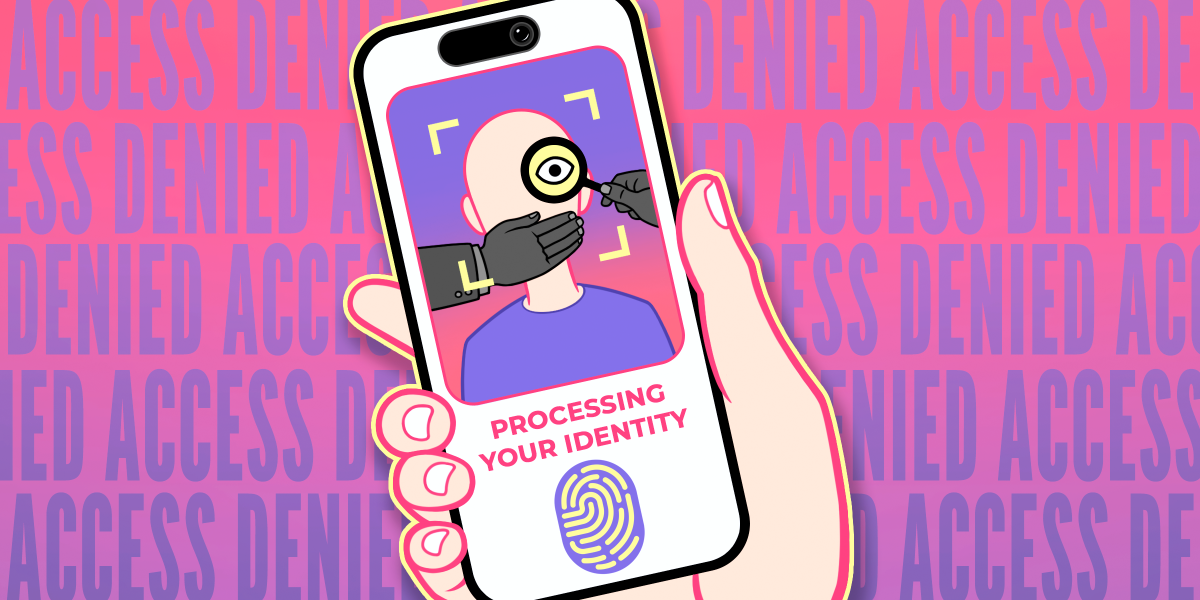
How Can the Social Sector Rebuild Trust and Align Movements for Greater Collective Impact?
Civil society is under pressure — trust is declining, advocacy [...]

We Don’t Need Social Media
Instead of wishing for better kinds of social platforms, we should question if they’re worth having at all

Bluesky COO Rose Wang On Building a Better Social Network
it's not lost on me how critical it is to be building community-driven social technology in this time, because there's a lot we need - more joy, more connection, more education, more agency, and more privacy. breaking out of the box of "social media" - what are the tools we need in these times?
