


It will take some time for the effects of President Trump's "Liberation Day" announcement of higher US tariffs to become apparent. Here, I'll just offer some notes and quick reactions. 1) The announced tariffs represent a very large increase. Here's a figure showing historical US tariff rates. You will notice that the average rates have
The bazooka diplomacy of Trump’s tariffs
President Trump’s recent pronouncements on tariffs have received considerable attention from analysts, policymakers, and commentators. This column takes a step back and considers some of the broader arguments for raising tariffs – revenue, restriction, and reciprocity – and the potential repercussions. Even if Trump does not proceed with (all of) the announced tariffs, the increased uncertainty is likely to put off firms from trading with or from the US, lowering US exports and imports beyond the imposition of higher tariffs. In the longer term, we can expect a gradual decoupling of trade between the US and other countries.
Trump’s tariffs: Disregarding lessons from history and scenarios and probable outcomes
History is full of evidence that tariffs harm economic performance. This column assesses the two waves of globalisation in modern history and how they were interrupted by barriers to trade. The first wave started in the mid-19th century and lasted until WWI, while the second wave started after WWII and lasted until the Global Crisis of 2008-09. The most likely scenario going forward will feature tariffs around 12-14% on average, a mild recession, and a small hit to US longer-run potential. However, achieving diplomatic normalcy may take years of good US behaviour, and it is unlikely during the Trump administration.
Why higher tariffs won’t shrink the trade deficit
In President Donald Trump’s executive order calling for reciprocal tariffs, he said that their main purpose is to reduce the US trade deficit. Economists have long argued that tariffs have no effect on trade balances.
More EU debt issuance would be the best response to Trump’s tariffs
The European Union should think strategically and seize the opportunity to fill the void created by Trump

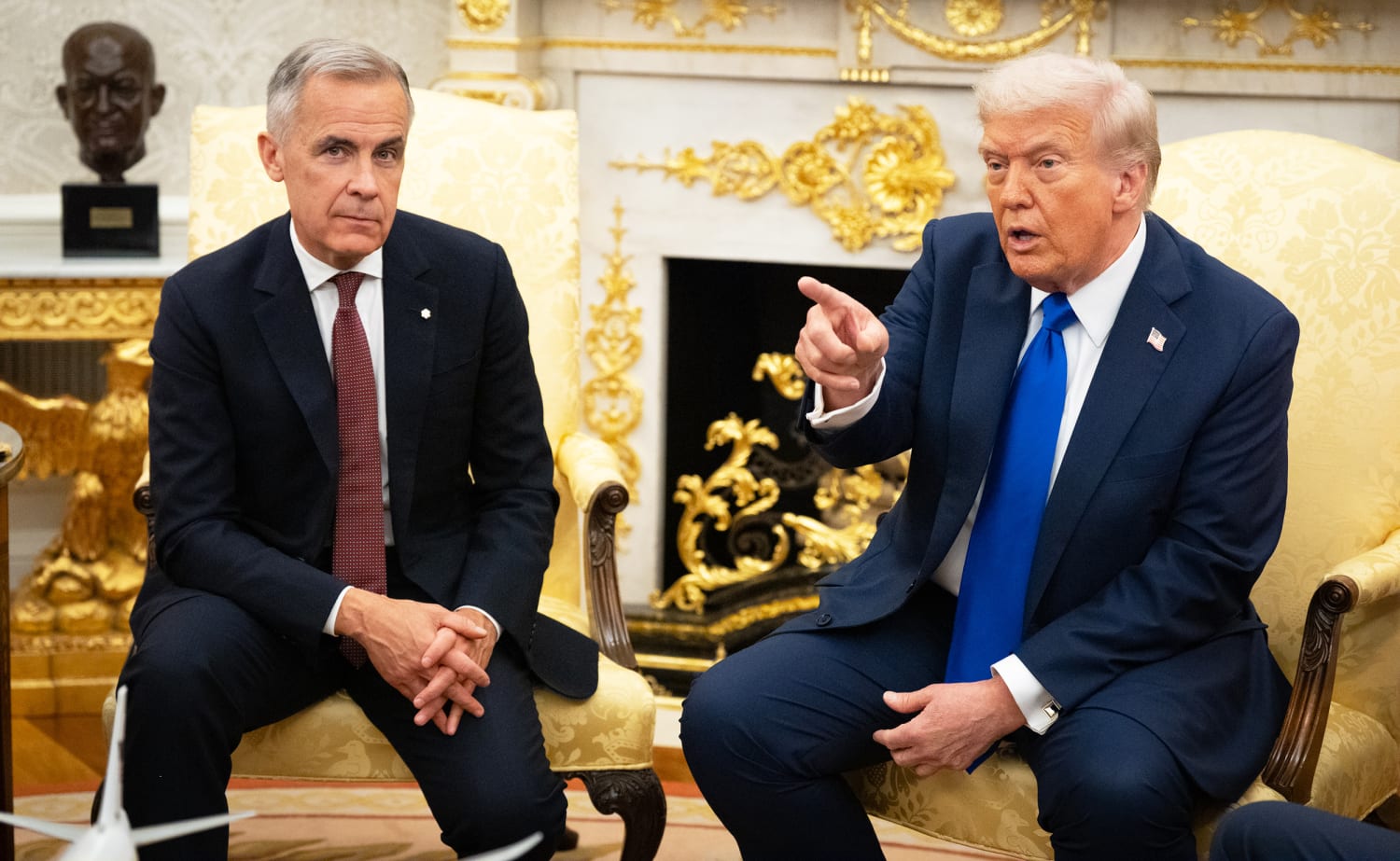
U.S. and Canada fall deeper into a trade war with new tariffs as talks collapse and blame is spread
President Donald Trump’s import taxes will hit about 5% of what Canada ships to the United States every year, including products ranging from hockey sticks to tongue depressors.
« Tariffs are coming » : menace de taxes douanières et rapports de force sous Trump II
La seconde présidence de Trump vit à l’heure de Game of Thrones. Un vent froid d’hiver souffle, chargé de tarif douanier, de bluff et de chantage.

Canada's retaliatory tariffs worth $27.6 billion take effect as trade rift with U.S. deepens
Duties on U.S. steel and aluminum products have doubled to 50% as a war of words between Washington and Ottawa continues.

Do Import Tariffs Protect U.S. Firms?
The authors find a swath of firms suffering valuation losses on tariff-announcement days and a link between those losses and the firms' future performance.
L’importance historique des nouveaux droits de douane de Trump
Traduction française du billet de blog "The historic significance of Trump's tariff actions" de Douglas A. Irwin (PIIE)

Droits de douane : comment le projet radical de Trump pourrait ruiner l’économie américaine
traduction française du billet de blog "How Trump’s radical tariff plan could wreck our economy" de Paul Krugman

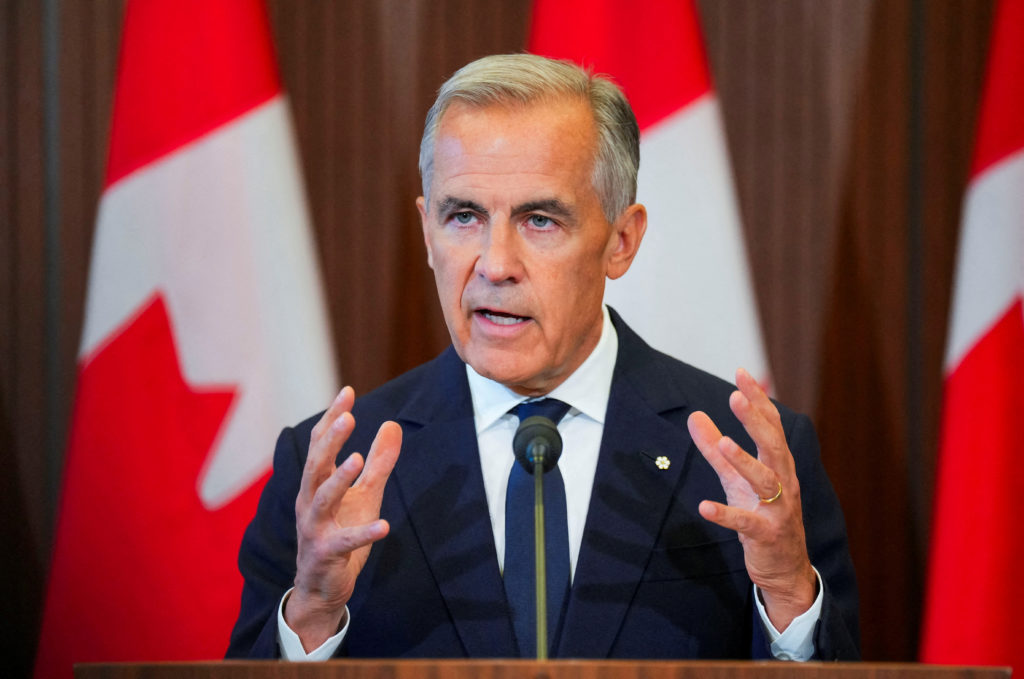
Canadian Prime Minister Mark Carney calls new U.S. tariffs ‘a miscalculation’ after trade talks collapse
The U.S. import taxes will apply to hockey sticks, building materials, liquors and certain kinds of clothing. Carney said “Canada will match those tariffs dollar for dollar.”
Qui paie les droits de douane de l’administration Trump ?
Traduction française du billet de blog "Who pays for tariffs? Insights from recent research" de Kimberly Clausing & Maurice Obstfeld (PIIE)
.png)
Ce sont les consommateurs américains, non les étrangers, qui payent les droits de douane de Trump
traduction française du billet de blog "How goes the trade war? Consumers, not foreigners, are paying the Trump tariffs" de Paul Krugman

Grâce à Trump, nous savons qui supporte les droits de douane
Traduction du billet de blog "Who pays tariffs? And how do we know?" de Paul Krugman
%20v3.png)
The Weaponized World Economy
When Washington announced a “framework deal” with China in June, it marked a silent shifting of gears in the global political economy. This was not the beginning of U.S. President Donald Trump’s imagined epoch of “liberation” under unilateral American greatness or a return to the Biden administration’s dream of managed great-power rivalry. Instead, it was the true opening of the age of weaponized interdependence, in which the United States is discovering what it is like to have others do unto it as it has eagerly done unto others.

Trump peut-il réduire le déficit commercial américain ?
Traduction du billet de blog "Can Trump reduce the trade deficit?" de Paul Krugman
