


Explore how Mike McCue's Surf app redefines content consumption with human curation, battling algorithm-driven media chaos.

Social Media Is Now Parasocial Media
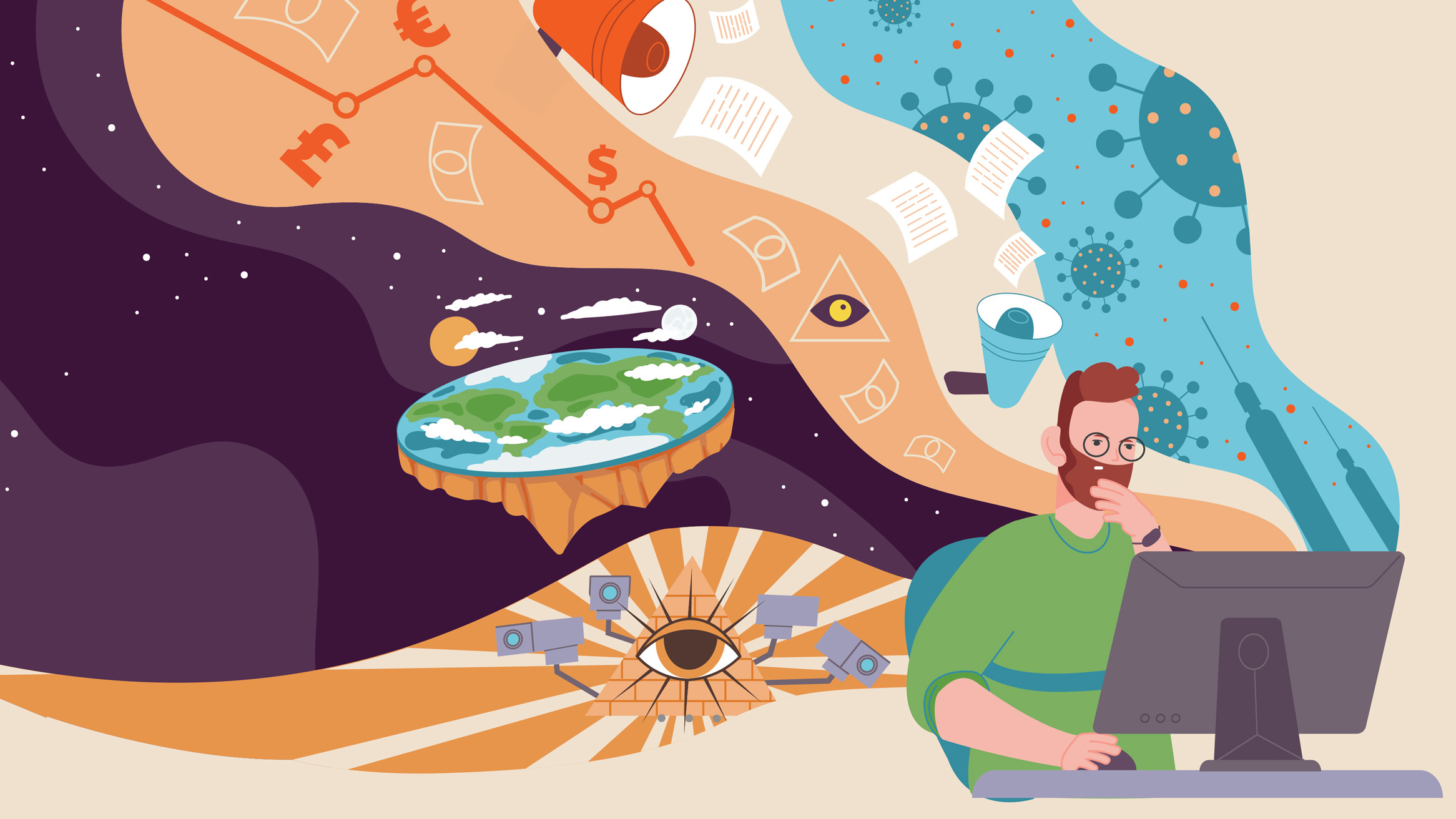
When practitioners used the term “social media” to describe the internet tools that emerged in the mid-aughts, they were giving a name to the kinds of platforms and protocols that allowed people to socialize with friends and communities of interest by using digital technologies. Twenty years later, users of social media are far more likely to scroll than post – and the content that they consume is often strategically produced and algorithmically curated. In this essay, I argue that the very essence of social media has changed. To more effectively interrogate what we are witnessing, we need to stop presuming that these tools are “social media” and begin recognizing that they are now “parasocial media.” Doing so raises new questions about digitally mediated sociality, not to mention the politics and governance of these platforms.

Bias, Skew, and Search Engines Are Sufficient to Explain Online Toxicity
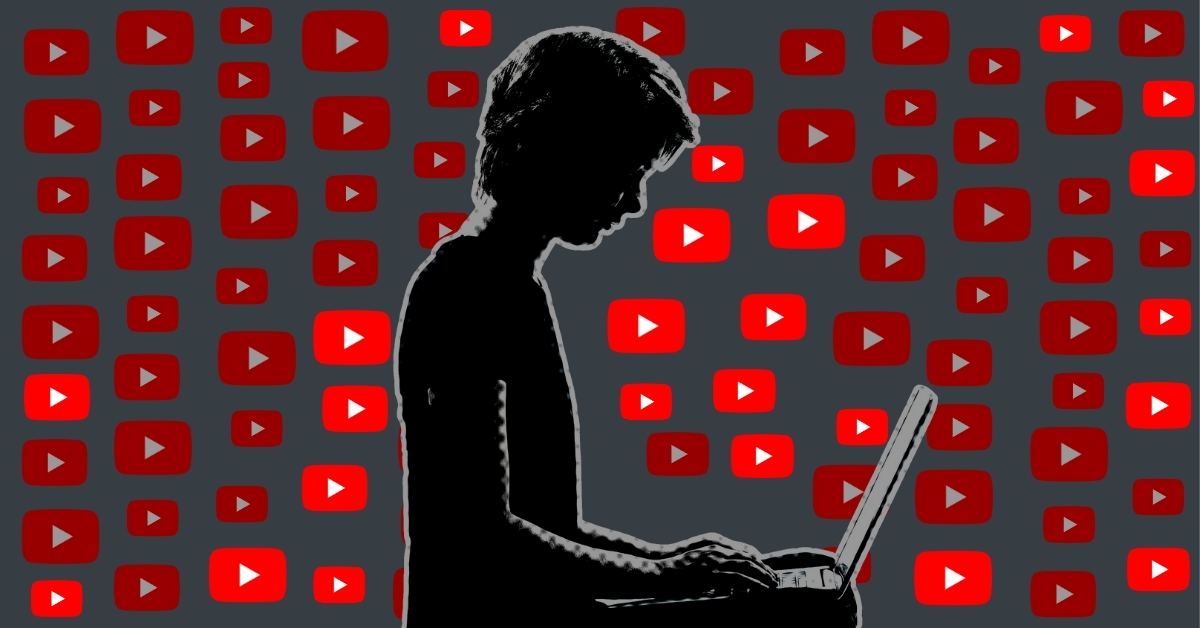
U.S. political discourse seems to have fissioned into discrete bubbles, each reflecting its own distorted image of the world. Many blame machine-learning algorithms that purportedly maximize “engagement”—serving up content that keeps YouTube or Facebook users watching videos or scrolling through their feeds—for radicalizing users or strengthening their partisanship. Sociologist Shoshana Zuboff15 even argues that “surveillance capitalism” uses optimized algorithmic feedback for “automated behavioral modification” at scale, writing the “music” that users then “dance” to.
Bias, Skew, and Search Engines Are Sufficient to Explain Online Toxicity
U.S. political discourse seems to have fissioned into discrete bubbles, each reflecting its own distorted image of the world. Many blame machine-learning algorithms that purportedly maximize “engagement”—serving up content that keeps YouTube or Facebook users watching videos or scrolling through their feeds—for radicalizing users or strengthening their partisanship. Sociologist Shoshana Zuboff15 even argues that “surveillance capitalism” uses optimized algorithmic feedback for “automated behavioral modification” at scale, writing the “music” that users then “dance” to.
Beware online "filter bubbles" | Eli Pariser
How Instagram's moderation rules are made
I’m Building an Algorithm That Doesn’t Rot Your Brain
Men, algorithms and how YouTube shapes media consumption
ISD's new research project explores the topics and content YouTube’s algorithm recommends to young male users.
Understanding Decentralized Social Feed Curation on Mastodon
Amid rising concerns over moderation, algorithmic control, and platform governance on centralized social media, people are increasingly turning to decentralized alternatives like Mastodon to regain control over their feeds. This shift offers new opportunities to understand how people perceive and curate their feeds. We conducted a two-part study with 21 Mastodon users: first, interviews exploring how they perceive and manage their feeds; and second, a design probe study using BRAIDS.SOCIAL, a web-based feed curation prototype informed by the first part of our initial findings. We learned how seamful design can increase people's trust in algorithmic curation, and surfaced trade-offs people navigate between machine learning-based and rule-based filtering approaches. We also identify a core design tension in decentralized platforms: whether to support personalization through new applications or extensions layered atop existing ones.

Digital gardens let you cultivate your own little bit of the internet
A growing number of people are creating individualized, creative sites that eschew the one-size-fits-all look and feel of social media

How Spotify’s Discover Weekly cracked human curation at internet scale
The Verge is about technology and how it makes us feel. Founded in 2011, we offer our audience everything from breaking news to reviews to award-winning features and investigations, on our site, in video, and in podcasts.

The Filter Bubble
Lynn Parramore interviews Internet activist Eli Pariser, board president of MoveOn.org, about the filter bubble our internet habits create:
Beyond Digital Exhaust: Reclaiming Agency in the Context Economy - A MozFest Discussion on Personal Context Infrastructure and the Future of AI
At this year's MozFest in Barcelona, we convened an urgent conversation about what may be the defining struggle of our digital future: who will control the vast

The Inexorable Push For Infrastructure Moderation
I’m grateful to Techdirt and the EFF for this series. There are so many legitimately difficult issues around content moderation at the application layer—that is, on (and usually by) pla…

Flipboard launches Surf, an app for creating custom feeds from Mastodon, Threads, Bluesky, RSS, podcasts, and YouTube, after over a year in beta (David Pierce/The Verge) theverge.com/tech/905929/flipboard-surf-fe… | techmeme.com/260402/p20#a260402p20
