

We are committed to growing year-round, ecologically sound, nutrient dense food for our local community.
Open-sourced food production – the future of urban diets?
Scientists are developing open-source technologies that reward locally grown foods, cutting down on shipping and improving nutrition
Growstuff - Growstuff
Growstuff is a community of food gardeners. Let's learn to grow food together.
Living Systems Network – Living Systems Network
Holding space to build and celebrate community to #coGrow and #coCook. coFood Vancouver catalyzes neighbours and projects doing good work in our food communities. Together we practice collaborative urban farming through a #permaculture lens, and convene dinners & dialogues on #foodwaste - #foodsupply - #foodjustice - #foodtech - #foodeducation
INVESTING IN REGENERATIVE AGRICULTURE AND FOOD
THE INVESTING IN REGENERATIVE AGRICULTURE AND FOOD PODCASTThrough 400+ interviews with farmers, investors, scientists, and entrepreneurs, the podcast puts the spotlight on the pioneers in the regenerative food and agriculture space to learn more on how to put our money to work to regenerate soil, people, local communities and ecosystems while making an appropriate and fair return.
Where to Find Great Community Gardens in Houston
These thriving places allow you to grow your own food.
Serving the For You Feed - AT Protocol
How the maintainer of the popular For You feed serves it from their living room!

Home
Gathering around housemade bread & pastries, brunch, breakfast, coffee, lunch, dinner, dessert, and catering in Boston & DC.
https://www.thegardensaltspring.com/The Garden Salt Spring Island | cold-hardy citrus & avocado production in Canada | growing healthy soils & nutrient dense food | anaerobic digestion & Johnson-Su
The Garden is an innovative farm in Canada's Pacific Southwest. It focuses on developing resource-efficient systems for greenhouse and orchard production. It applies regenerative practices for on-farm nutrient cycling. The farm operates a small-scale anaerobic digester, has extensive rainwater catchment, and assesses progress with on-farm analysis of soil and plants using Soil Food Web microscopy, brix, and off-farm leaf sap analysis. Visit our blog, YouTube channel and workshop opportunities.
Defining “Participatory Ecosystem” — Grow the Pie, N...
A blog on social software, collaboration, trust, security, privacy, and internet tools by Christopher Allen. Defining “Participatory Ecosystem” — Grow t...
Annual Reports | CAA
For archived content, please refer to the National Diet Library's Web Archiving Project (WARP).
Home - Urban Harvest
URBAN HARVEST FARMERS MARKET EVERY SATURDAY 8AM-12PMInterested in Community Gardens, learn more about our growing community.Want to learn more about Permaculture Program? We Teach Classes! Interested in Community Gardens, learn more about our growing communityStart the New Year Fresh at the Farmers Market!Want to learn more about Permaculture Program? We Teach Classes! JOIN US SATURDAY […]

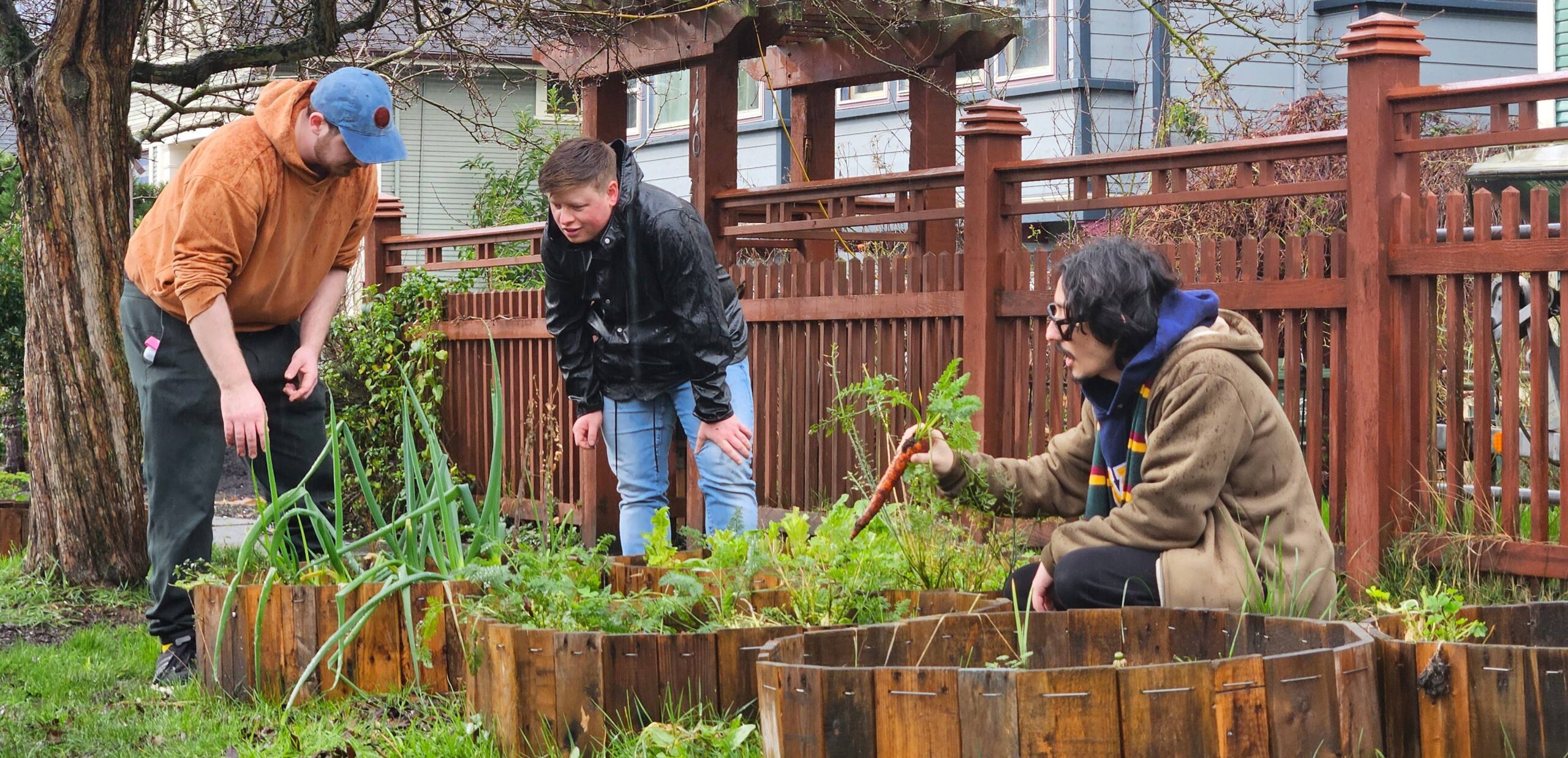
Living Museum of Food: Stories, Recipes, and Culinary Heritage from Traditional Communities
[PT-BR FOLLOWS] Introduction Back when city streets were paved with cobblestones, public telephones stood on street corners, and many neighborhoods were still unpaved, life followed a different rhy…
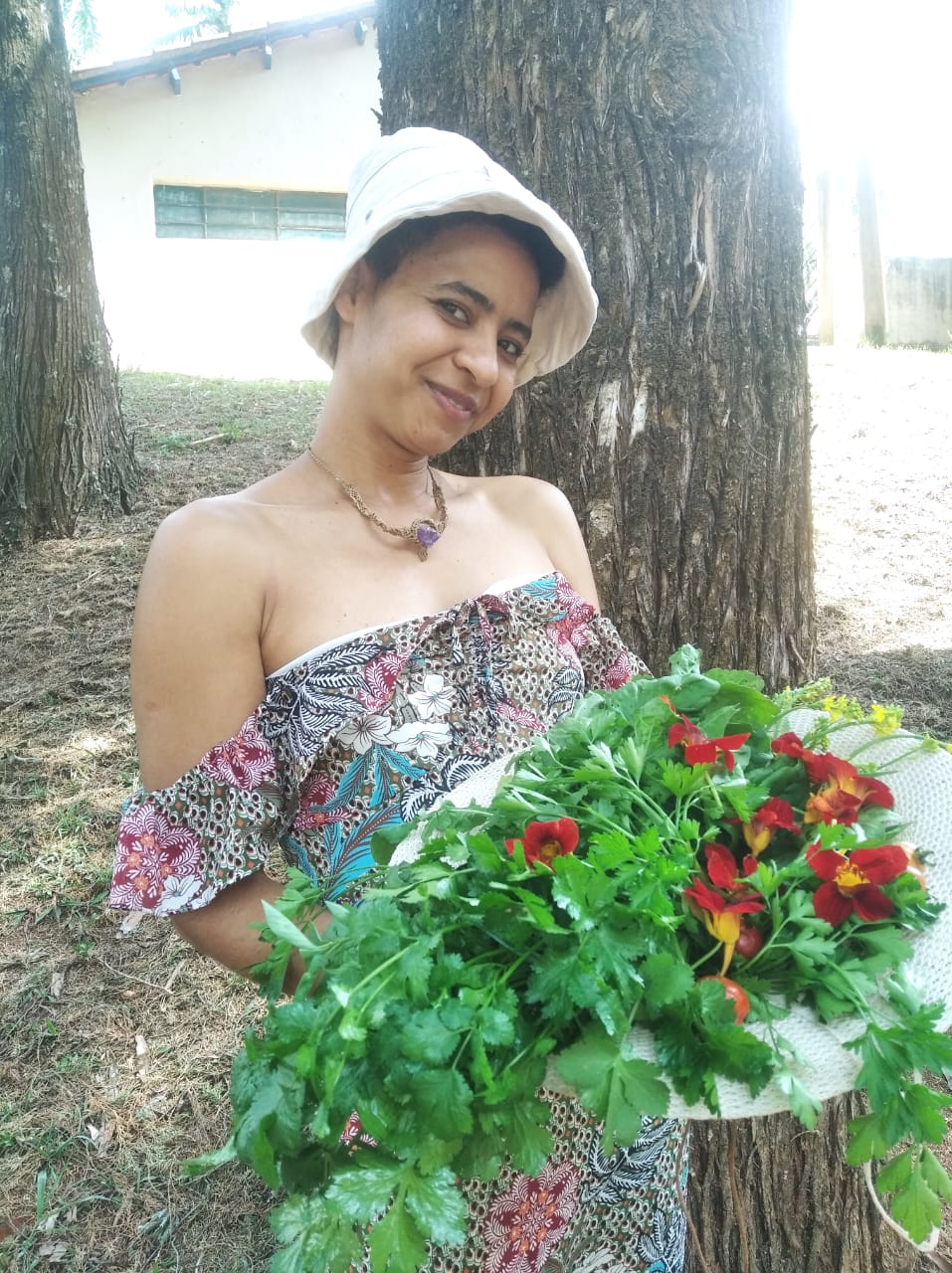
We started a farming club. Why you should start one too
We are long overdue for a return to growing our own food, and the farming club offers a promising way to reconnect with that tradition.
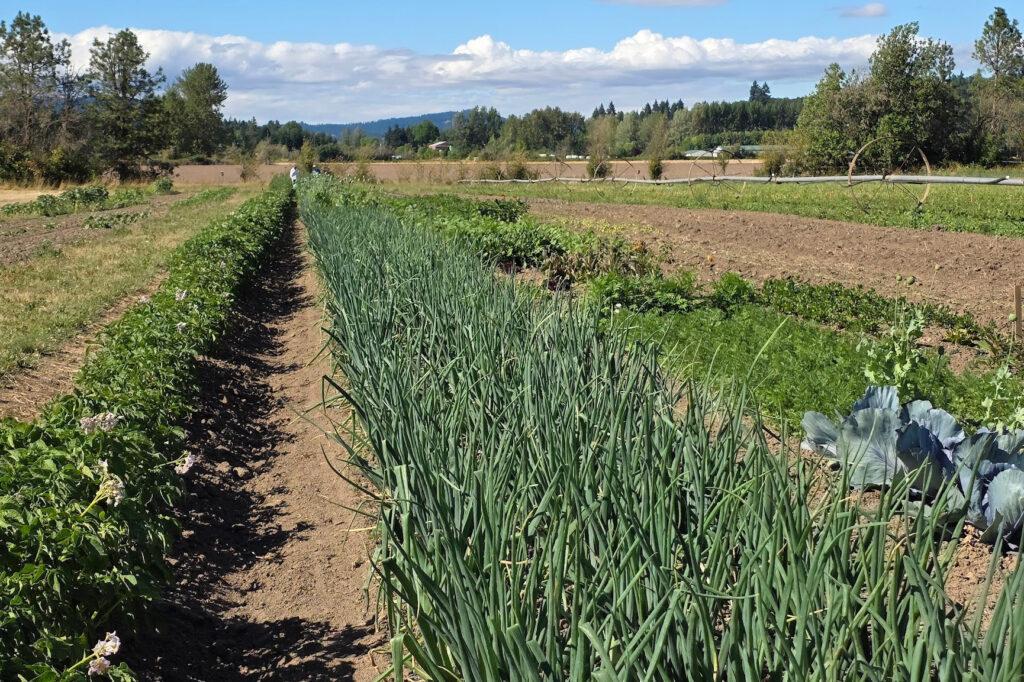
Square Foot Gardening: Easiest Way to Grow MORE Food in LESS Space