A Reality Check on Our ‘Energy Transition’ | The Tyee
To our peril, there’s been no green revolution. Just green addition to rising fossil fuel use.
Addressing Climate Change Will Not “Save the Planet”
The dismal reality is that green energy will save not the complex web of life on Earth but the particular way of life of one domineering species.
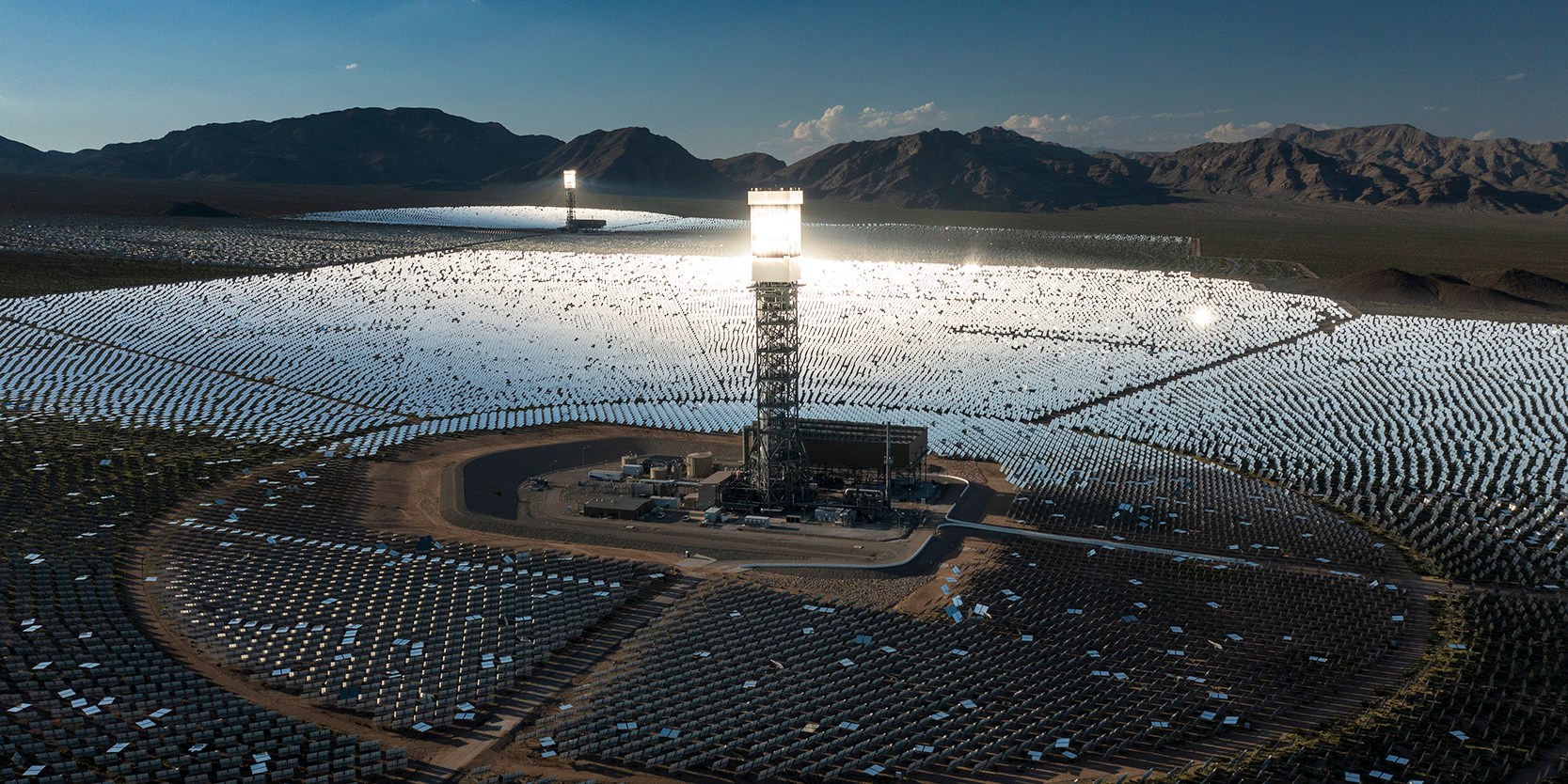
Sustainable Homes | Platform | The Australian Greens
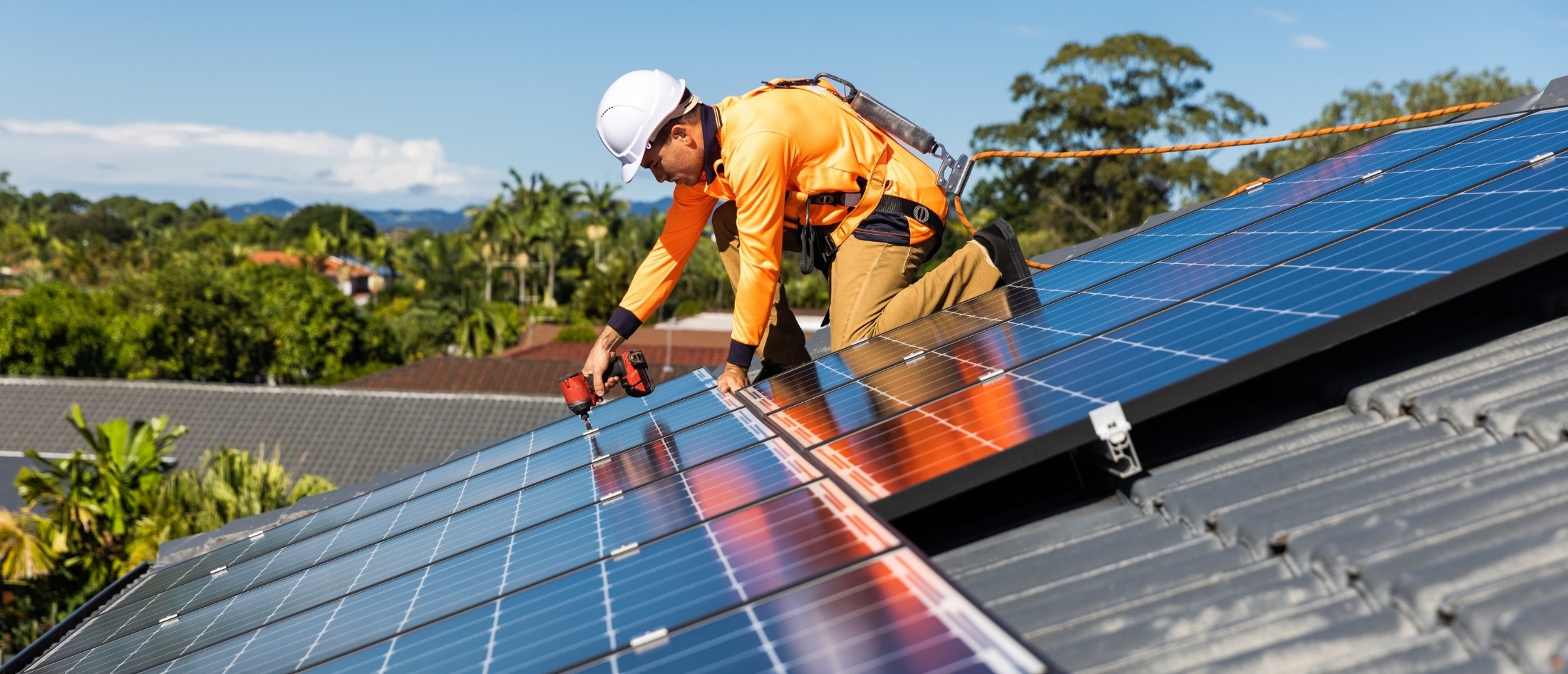
The Greens have a plan to permanently lower your energy bills and make it easier for everyone to access renewable energy.
Green New Deal: The enormous opportunity in shooting for the moon.
Massive electrification and the opportunity of American abundance when we decarbonize.

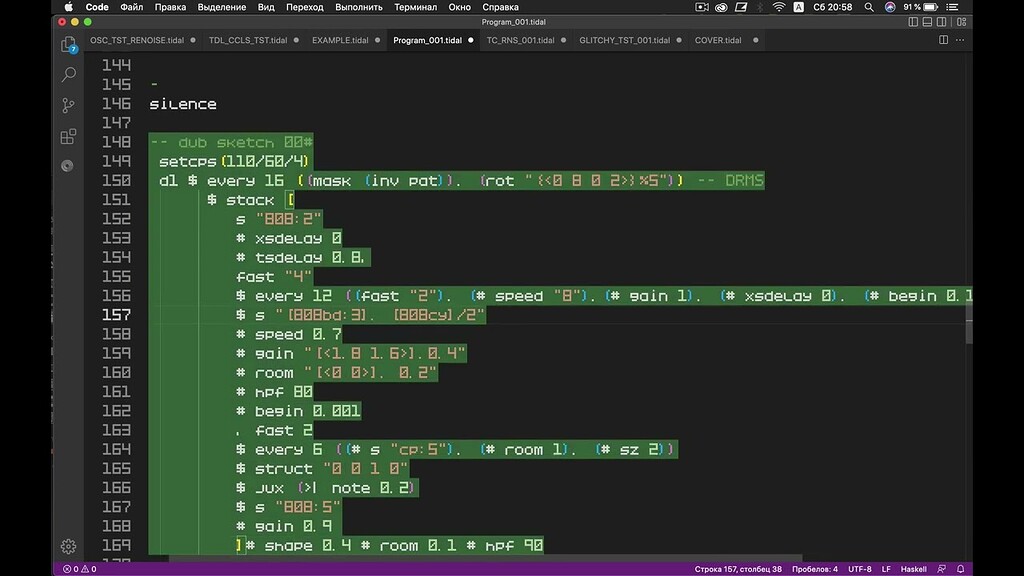
Some experiment with tidalcycles
A little over a year ago, I became interested in studying tidal cycles. It’s a surprisingly interesting experience that influences my view of renoising and writing music in general. I’m still a beginner and I have a lot of discoveries to make, but here’s a little intermediate result that I tried to capture. In the future, I plan to start fully crossing the work of renoise plus tidal cycles. Wish me good luck!)) Thnx for your time!
Does that use a lot of energy?
Compare the daily energy consumption of different products and activities
Solander 38 | Rising Tide Research Foundation
A self-sufficient, solar-electric, coastal cruising power catamaran.
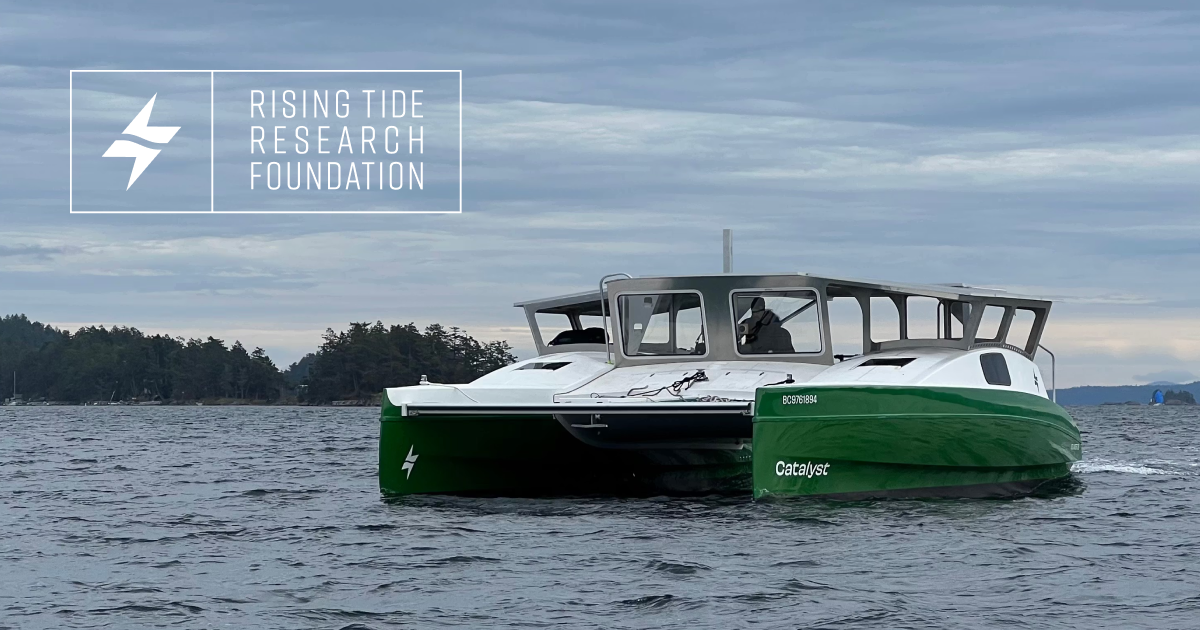
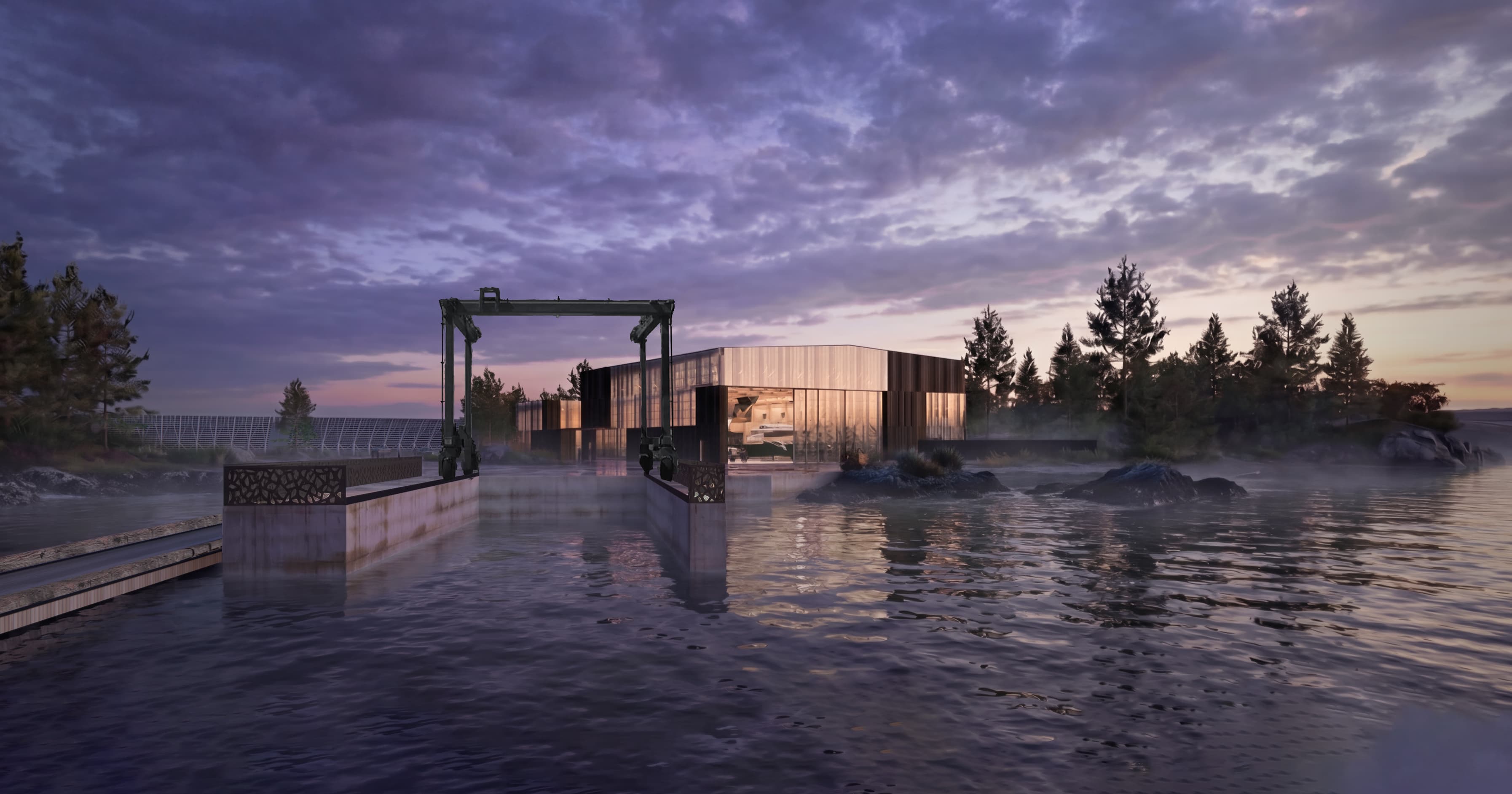
Rising Tide Boat Works
Rising Tide Boat Works is creating a hub for marine electrification on Vancouver Island. Accelerating the adoption of marine electrification.
The geopolitical fight to come over green energy
The struggle for sustainable energy will soon put China, the US and Europe on a geopolitical collision course. But moving away from fossil fuels is a Herculean task, and a greener politics will not transcend tragedy.
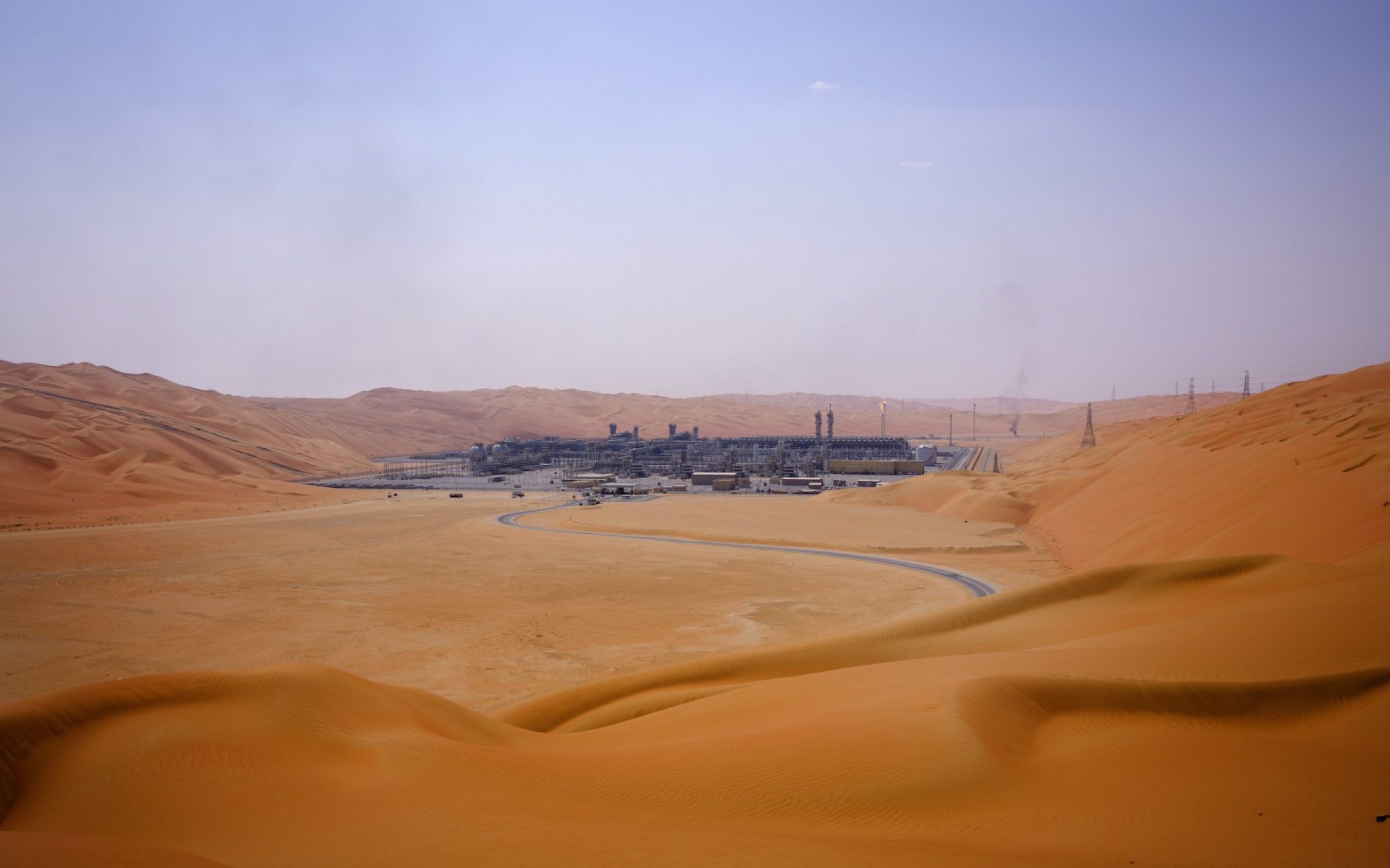
Dispelling the Myths of a Renewable Energy Transition

The ‘wicked trinity’ of late capitalism: Governing in an era of stagnation, surplus humanity, and environmental breakdown
Scholars within the fields of political ecology, environmental political theory, and international political economy tend to evaluate the prospects of state-led environmental transitions in general terms – enquiring as to the capitalist state’s inherent properties and their environmental implications. Less attention has been paid to how the state’s green capacities are conditioned by contemporary evolutions in the form and pace of capital accumulation. Capitalism’s directional pattern of historical development poses unique challenges for green state projects. Its drive to raise labour productivity metabolises nature on a growing scale, while generating conditions of overproduction and rendering a progressively larger portion of the population superfluous to the production process.Thus, the question is not simply whether the state can rise to the challenge of climate change, but rather how states are scrambling to govern the intersecting crises of climate catastrophe, economic stagnation, and surplus humanity. This ‘wicked trinity’ compounds the tensions at the heart of the capitalist state, resulting in an increasing inability to perform its role while sustaining its liberal form. This governance trilemma is illustrated by the case of the solar photovoltaic boom, where the spectacular increase in the productivity and scale of solar panel manufacturing have generated oversupply and falling profitability. States have reacted by indefinitely providing subsidies, financing automation technologies thatexacerbate labour superfluity, and relocating solar panel manufacturing to places with authoritarian labour regimes. The case of photovoltaics is a microcosm of the general predicament faced by states as they struggle to govern capitalism’s secular developmental tendencies.
AI’s climate impact is much smaller than many feared
New findings challenge the widespread belief that AI is an environmental villain. By analyzing U.S. economic data and AI usage across industries, researchers discovered that AI’s energy consumption—while significant locally—barely registers at national or global scales. Even more surprising, AI could help accelerate green technologies rather than hinder them.

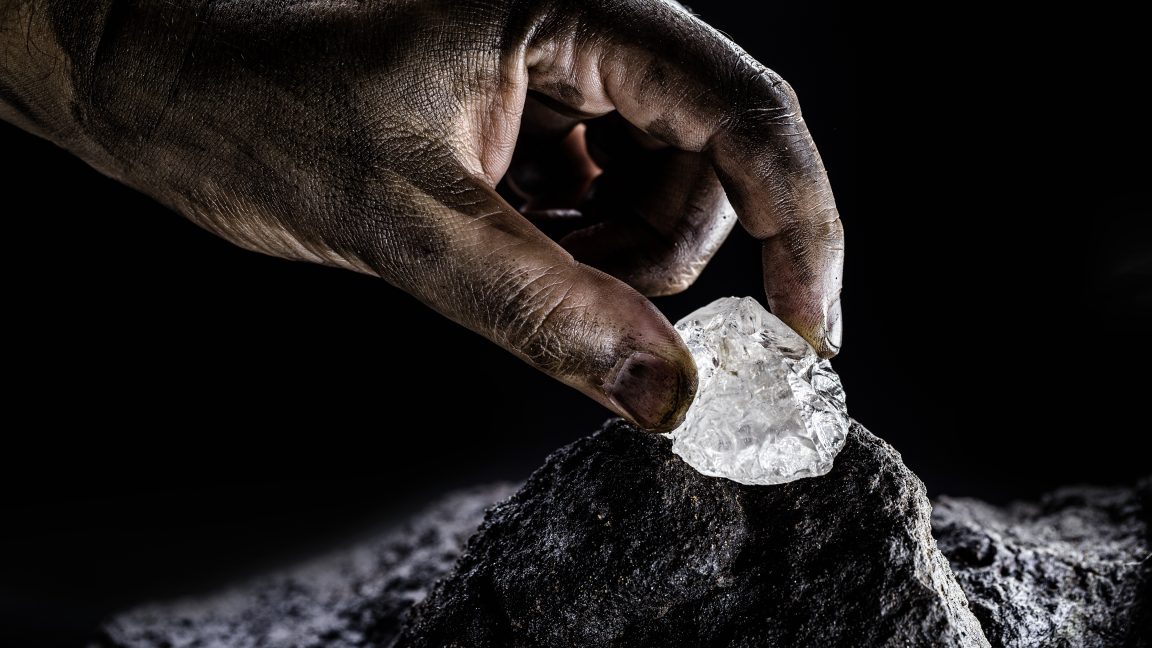
“Elephant in the room”: Clean energy’s need for unsustainable minerals
Our need for minerals may strain supply and lead to environmental issues.
Renewable Energy and National Security
The wind and the sun don’t need to transit the Strait of Hormuz

Energy Policy | The Australian Greens
All of our state policy principles and aims should be read alongside our relevant federal policy principles and aims, as well as our state campaigns and federal campaigns.