

This page contains collects information and supplementary material for my textbook Personalized Machine Learning:
Machine Learning Glossary | Google for Developers
This glossary defines a wide range of machine learning terms, including those specific to TensorFlow and large language models.

Machine Learning | Google for Developers

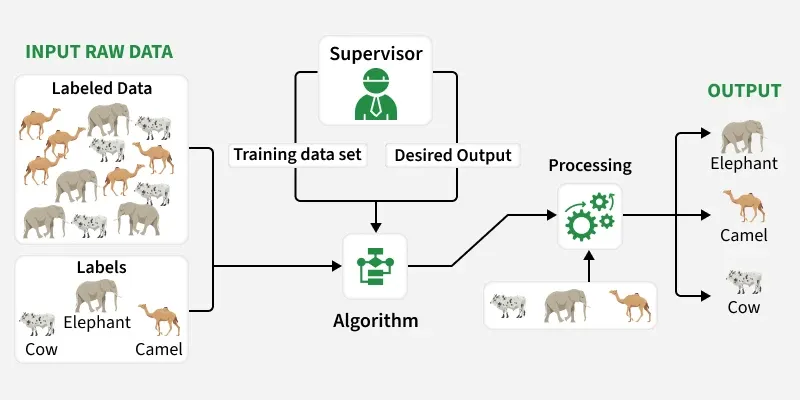
Machine Learning Tutorial - GeeksforGeeks
Your All-in-One Learning Portal: GeeksforGeeks is a comprehensive educational platform that empowers learners across domains-spanning computer science and programming, school education, upskilling, commerce, software tools, competitive exams, and more.
Datasheets for Datasets
The machine learning community currently has no standardized process for documenting datasets, which can lead to severe consequences in high-stakes domains. To address this gap, we propose...

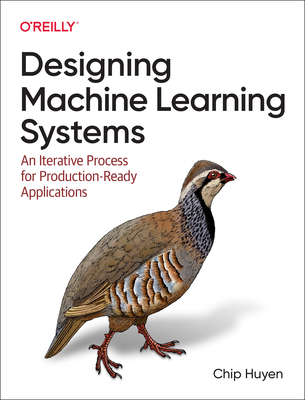
Designing machine learning systems: an iterative process for production-ready applications
"Machine learning systems are both complex and unique. Complex because they consist of many different components and involve many different stakeholders. Unique because they're data dependent, with data varying wildly from one use case to the next. In this book, you'll learn a holistic approach to designing ML systems that are reliable, scalable, maintainable, and adaptive to changing environments and business requirements. Author Chip Huyen, co-founder of Claypot AI, considers each design decision--such as how to process and create training data, which features to use, how often to retrain models, and what to monitor--in the context of how it can help your system as a whole achieve its objectives. The iterative framework in this book uses actual case studies backed by ample references."--Amazon.com
ml5 - A friendly machine learning library for the web.
ml5.js aims to make machine learning approachable for a broad audience of artists, creative coders, and students. The library provides access to machine learning algorithms and models in the browser, building on top of TensorFlow.js with no other external dependencies.
Data Minimization for GDPR Compliance in Machine Learning Models
The EU General Data Protection Regulation (GDPR) mandates the principle of data minimization, which requires that only data necessary to fulfill a certain purpose be collected. However, it can often be difficult to determine the minimal amount of data required, especially in complex machine learning models such as neural networks. We present a first-of-a-kind method to reduce the amount of personal data needed to perform predictions with a machine learning model, by removing or generalizing some of the input features. Our method makes use of the knowledge encoded within the model to produce a generalization that has little to no impact on its accuracy. This enables the creators and users of machine learning models to acheive data minimization, in a provable manner.
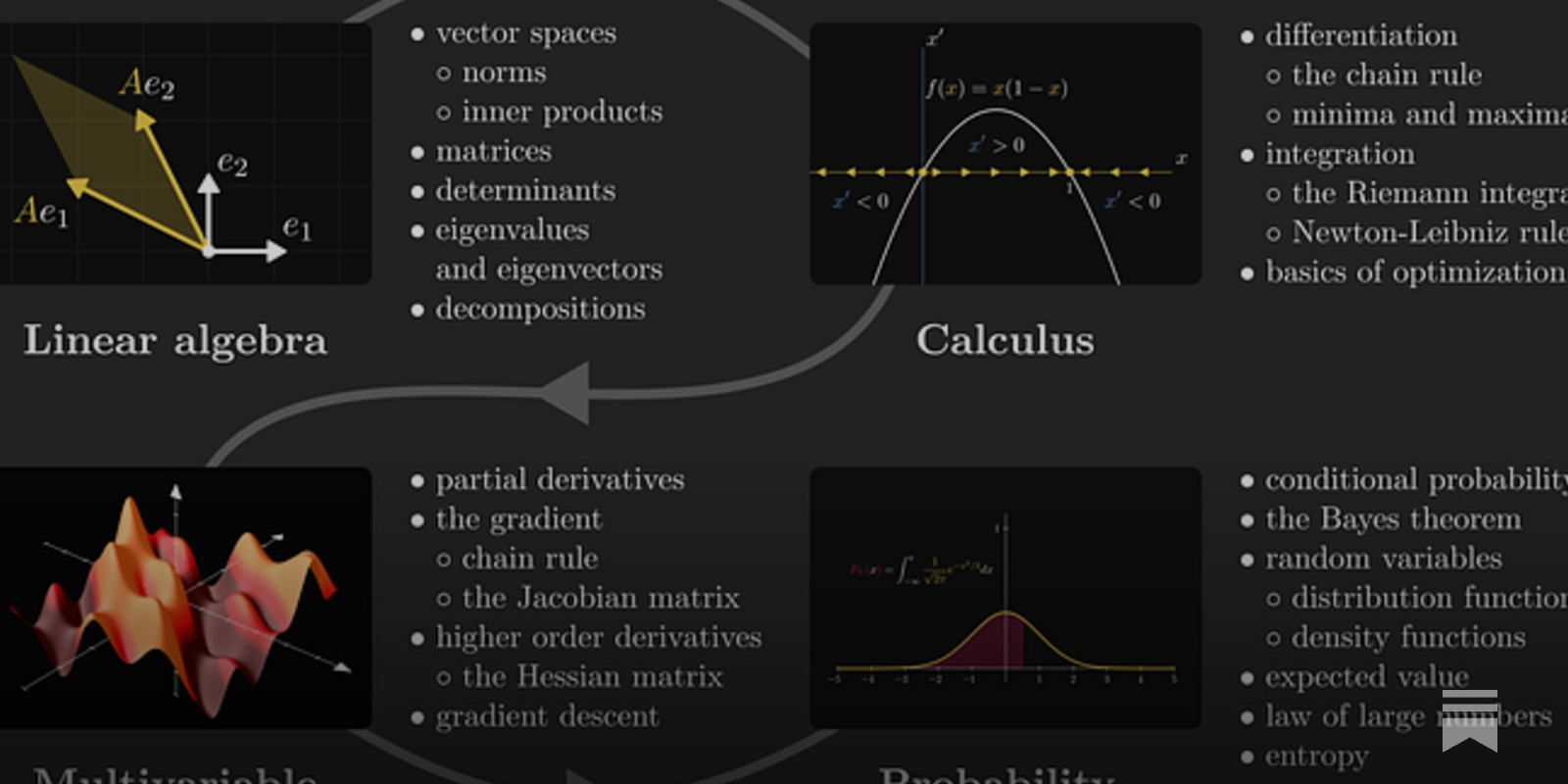
The Roadmap of Mathematics for Machine Learning
A complete guide to linear algebra, calculus, and probability theory
What is Machine Learning? | IBM
Machine learning is the subset of AI focused on algorithms that analyze and “learn” the patterns of training data in order to make accurate inferences about new data.

Categories for Machine Learning
This seminar series seeks to promote the learning and use of Category Theory by Machine Learning Researchers

Basic | The Personal Computing Platform
We build products, tools, and standards to make computers more personal.

Algorithmic Data Minimization for Machine Learning over...
Machine learning can analyze vast amounts of data generated by IoT devices to identify patterns, make predictions, and enable real-time decision-making. By processing sensor data, machine learning...
Algorithmic personalization of information can cause inaccurate generalization and overconfidence.