


Hip and lower back pain can come as a result of an irritation of the sciatic nerve. This pain can spread downwards and can affect the limbs and the feet. It is something many people suffer from, and the pain can affect your daily routine
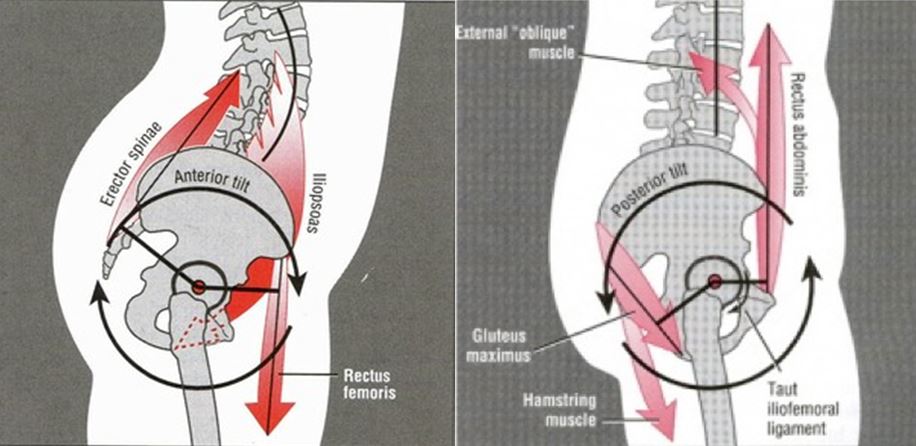
3 Best Stretches to Help Fix Anterior Pelvic Tilt
Seated salsa - the miracle movement to help ease back pain
Lower back pain is a chronic condition that affects hundreds of millions of people around the world. A simple exercise could be a big help.

A different way to relieve years of back pain
The slow and subtle movements of the Feldenkrais Method aim to retrain the body and brain.

Eight Hip Stretches That Counter the Effects of Sitting All Day
You and I probably spend too much time sitting. Excessive sitting makes our hips very tight, which in turn, can affect our posture and make it harde

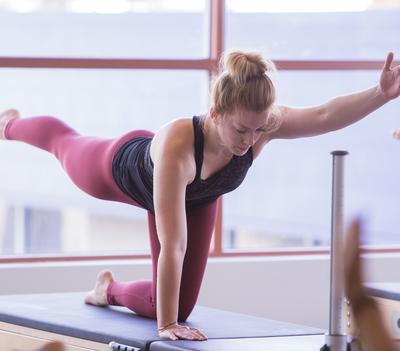
10 Essential Pilates Exercises for Beginners • BASI™ Pilates
Pilates is more than just physical movement, but as Joseph Pilates famously said, “Physical fitness is the first requisite of happiness.” And I have to agree. When my body doesn’t feel great, my mind and spirit have a tendency to be distracted, whether it’s from pain, discomfort, or generally feeling stressed.
Lost Art Of Bending Over: How Other Cultures Spare Their Spines
No, we're not talking about squatting. We're talking about a way to bend over that has nearly disappeared in our culture. And it could be one reason why back pain is so common in the U.S.

Advanced Mat Pilates Exercises | Pilates Anytime
Pilates videos that demonstrate advanced Pilates moves on the mat.

Fix "Hunchback" Posture in 10 Minutes/Day (Daily Exercise Routine)
7 Simple Exercises That Undo the Damage of Sitting | The Art of Manliness
We all know sitting is bad for our health. These 7 simply exercises can help undo that damage, and keep you healthy moving forward.

Fixing my anterior pelvic tilt was easy and made a huge impact.
1.6K votes, 238 comments. I began lifting about three months ago, making significant progress. I've been doing my research and this sub has been a…
Pilates for Beginners: An Introduction | Pilates Anytime
Pilates improves balance, strength, and flexibility. Learn more why Mat and Reformer Pilates is good for beginners, then start your journey with us!

11 Trainer-Approved Exercises For Better Posture
These 11 exercises for better posture work to strengthen and lengthen the muscle groups in charge of holding you upright.

Fix Your Computer Hunch and Other Posture Problems in 30 Seconds
This one exercise can greatly improve your mobility and flexibility—and cure the many ills that come from sitting hunched in front of a screen all day
The best sleeping position for minimizing aches and pains
The wrong sleeping position can cause aches, pains, and even heartburn. Use these tips to train yourself to sleep on your back.

Current Position Statement on Anterior Pelvic Tilt - Bret Contreras
There are many misconceptions in the strength training and physical therapy communities regarding anterior pelvic tilt (APT). In this article, I will post my current thoughts and beliefs pertaining to...
Exercise therapy for chronic fatigue syndrome
Exercise as treatment for adults with chronic fatigue syndrome, What is the aim of this review?, People with chronic fatigue syndrome have long‐lasting fatigue, joint pain, headaches, sleep problems, poor concentration and short‐term memory. These symptoms cause significant disability and distress. We wanted to find out whether exercise therapy can help people with chronic fatigue syndrome (myalgic encephalomyelitis)., Key messages, People who have exercise therapy probably have less fatigue at the end of treatment than those who receive more passive therapies. We are uncertain if this improvement lasts in the long term. We are also uncertain about the risk of serious side effects from exercise therapy., What was studied in the review?, We explored whether exercise therapy can reduce chronic fatigue syndrome symptoms. We searched for studies comparing the effect of exercise therapy with treatment as usual or other therapies., What are the main results of the review?, We found eight studies with 1518 participants. The studies compared participants who received exercise therapy to participants who received treatment as usual or more active treatments such as cognitive behavioural therapy., Participants had exercise therapy for 12 weeks to 26 weeks. The studies measured the effect of the therapy at the end of the treatment and also long term, after 50 or 72 weeks. Participants exercised at different levels of intensity using variations of aerobic exercising such as walking, swimming or cycling., Exercise therapy compared to treatment as usual or relaxation, Participants who have exercise therapy probably have less fatigue at the end of treatment, and they may have moderately better physical functioning. We are uncertain if these improvements last long term because we are very uncertain about the evidence., Participants who have exercise therapy may have slightly better sleep, both at the end of treatment and long term., We are uncertain about the risk of serious side effects and the effects of exercise therapy on pain, quality of life, and depression. This is because we lack evidence or because we are very uncertain about the evidence., Exercise therapy compared to cognitive behavioural therapy, Exercise therapy may make little or no difference to participants’ fatigue at end of treatment or in the long term. Exercise therapy may make little or no difference to participants’ physical functioning at end of treatment, but the long‐term effect on physical functioning is uncertain., No studies looked at the effect of exercise therapy on depression at the end of treatment, but it probably has little or no long‐term effect., We are uncertain about the risk of side effects. We are also uncertain about the effects on pain, quality of life, or sleep. This is because we lack evidence or because we are very uncertain about the evidence., Exercise therapy compared to adaptive pacing (living within limits), Participants who have exercise therapy may have slightly less fatigue and depressive symptoms and slightly better physical functioning and sleep at the end of treatment and long term than participants who have adaptive pacing., We are uncertain about the risk of serious side effects. We are also uncertain about the effect on quality of life or pain. This is because we lack evidence or we are very uncertain about the evidence., Exercise therapy compared to antidepressants, We are uncertain if exercise therapy is better than antidepressants at reducing fatigue. We are also uncertain of its effect on depression, side effects, pain, physical functioning, quality of life or sleep. This is because we lack evidence or we are very uncertain about the evidence., Why is this review important?, Exercise therapy is recommended by treatment guidelines and often used as treatment for people with chronic fatigue syndrome. People with chronic fatigue syndrome should have the opportunity to make informed decisions about their care and treatment based on robust research evidence and whether exercise therapy is effective, either as a stand‐alone intervention or as part of a treatment plan., It is important to note that the evidence in this review is from people diagnosed with 1994 criteria of the Centers for Disease Control and Prevention or the Oxford criteria. People diagnosed using other criteria may experience different effects.
