


Is it time to turn our back on Facebook? And if so, what social network could possibly replace it?
Facebook Wrestles With the Features It Used to Define Social Networking (Published 2021)
Likes and shares made the social media site what it is. Now, company documents show, it’s struggling to deal with their effects.

How to Fix Facebook—Before It Fixes Us
An early investor explains why the social media platform’s business model is such a threat—and what to do about it.

Publishers fearing Facebook dependency: fight for your future, reinvent RSS.
Right now Facebook accounts for over 40% of all traffic for U.S. news organizations, making many dependent on the social network for…

The Destructive Switch from Search to Social
2006 wasn’t a great year for our brains. In July, Twitter launched to the world, and in September, Facebook added the News Feed. But…

Friend of a Friend: The Facebook That Could Have Been
Why didn't the FOAF standard give us distributed social networking in the 2000s?

Criticism of Facebook
Facebook (and parent company Meta Platforms) has been the subject of criticism and legal action since it was founded in 2004.[1] Criticisms include the outsize influence Facebook has on the lives and health of its users and employees, as well as Facebook's influence on the way media, specifically news, is reported and distributed. Notable issues include Internet privacy, such as use of a widespread "like" button on third-party websites tracking users,[2][3] possible indefinite records of user information,[4] automatic facial recognition software,[5][6] and its role in the workplace, including employer-employee account disclosure.[7] The use of Facebook can have negative psychological and physiological effects[8] that include feelings of sexual jealousy,[9][10] stress,[11][12] lack of attention,[13] and social media addiction that in some cases is comparable to drug addiction.[14][15]
Facebook Gets Older: Demographic Report Shows 3 Million Teens Left Social Network In 3 Years
A new report from digital marketing agency iStrategyLabs shows exactly how many teens have abandoned Facebook.

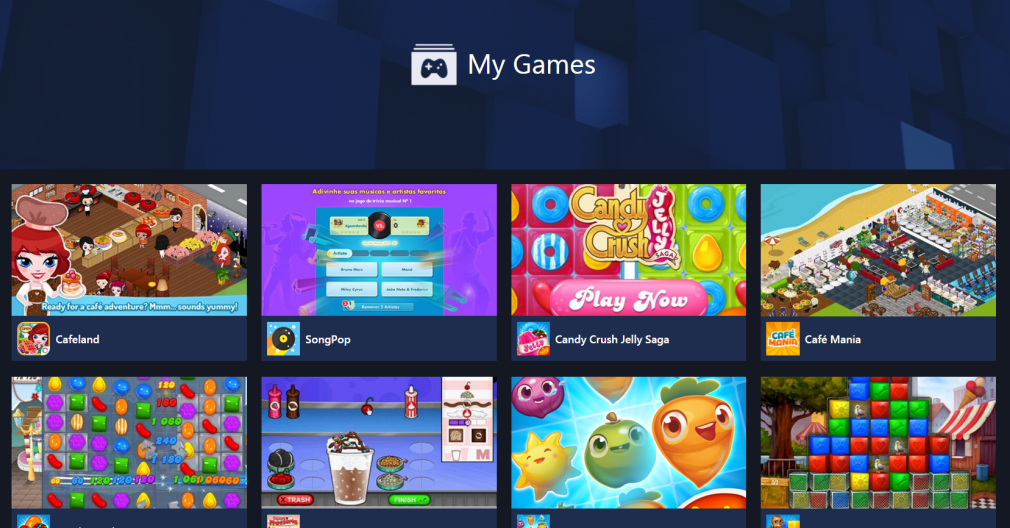
Facebook is building its own Steam-style desktop gaming platform with Unity | TechCrunch
Facebook may try to compete with Steam, or at least win back revenue lost when casual gaming shifted to mobile. Today Facebook formally announced it's
Facebook's Big Move Toward the AfterWeb
Blow up your browser! The Next Big Thing is the AfterWeb. Facebook made a monumental announcement Monday that seemed as though it was designed to...
Social Networking Utopia — Matt
In discussing the network topology of social networks — whether centralized like Facebook or federated like ActivityPub — I think the ult...

Workplace by Facebook opens to sell enterprise social networking to the masses | TechCrunch
After 20 months in a closed beta under the working title Facebook at Work, (as we predicted it would the other week) today Facebook is finally

Note from Mark Zuckerberg
Everything we do at Facebook is focused on our mission to make the world more open and connected.
The Facebook Files
Facebook knows, in acute detail, that its platforms are riddled with flaws but hasn’t fixed them. That’s a key finding of a Journal series that launched this week, based on an array of internal company documents. Read all the stories here.
Shifts in U.S. Social Media Use, 2020–2024: Decline, Fragmentation, and Enduring Polarization
The social media ecosystem appears to be in flux. Twitter’s rebranding to X has come to symbolize a broader reorganization of online publics – political reshuffling, user attrition, and uncertainty over the role of legacy platforms. Simultaneously, the shift from text-based, networked feeds toward algorithmically curated, short-form video has accelerated, with TikTok setting the pace for the wider ecosystem [18, 14, 16]. At the same time, everyday communication increasingly migrates from large, open networks to semi-private spaces such as group chats and messaging apps. Commentators describe a digital public sphere in transition: smaller, more fragmented, less dominated by traditional social networking sites, and rise of more broadcast-oriented forms of media – with some even suggesting that we are seeing the beginning of the end of the social media era.
As Facebook Raised a Privacy Wall, It Carved an Opening for Tech Giants (Published 2018)
Internal documents show that the social network gave Microsoft, Amazon, Spotify and others far greater access to people’s data than it has disclosed.

Bluesky is the one! 10 top tips for joining the growing social media platform — Ned Potter
Bluesky is great, and it’s really starting to build now: in fact in under two months it has doubled to 12.5 million users [edit - since I wrote this 5 weeks ago it’s doubled again, to 24 million!]. It’s especially good for individuals seeking to rebuild their professional and personal networks away
