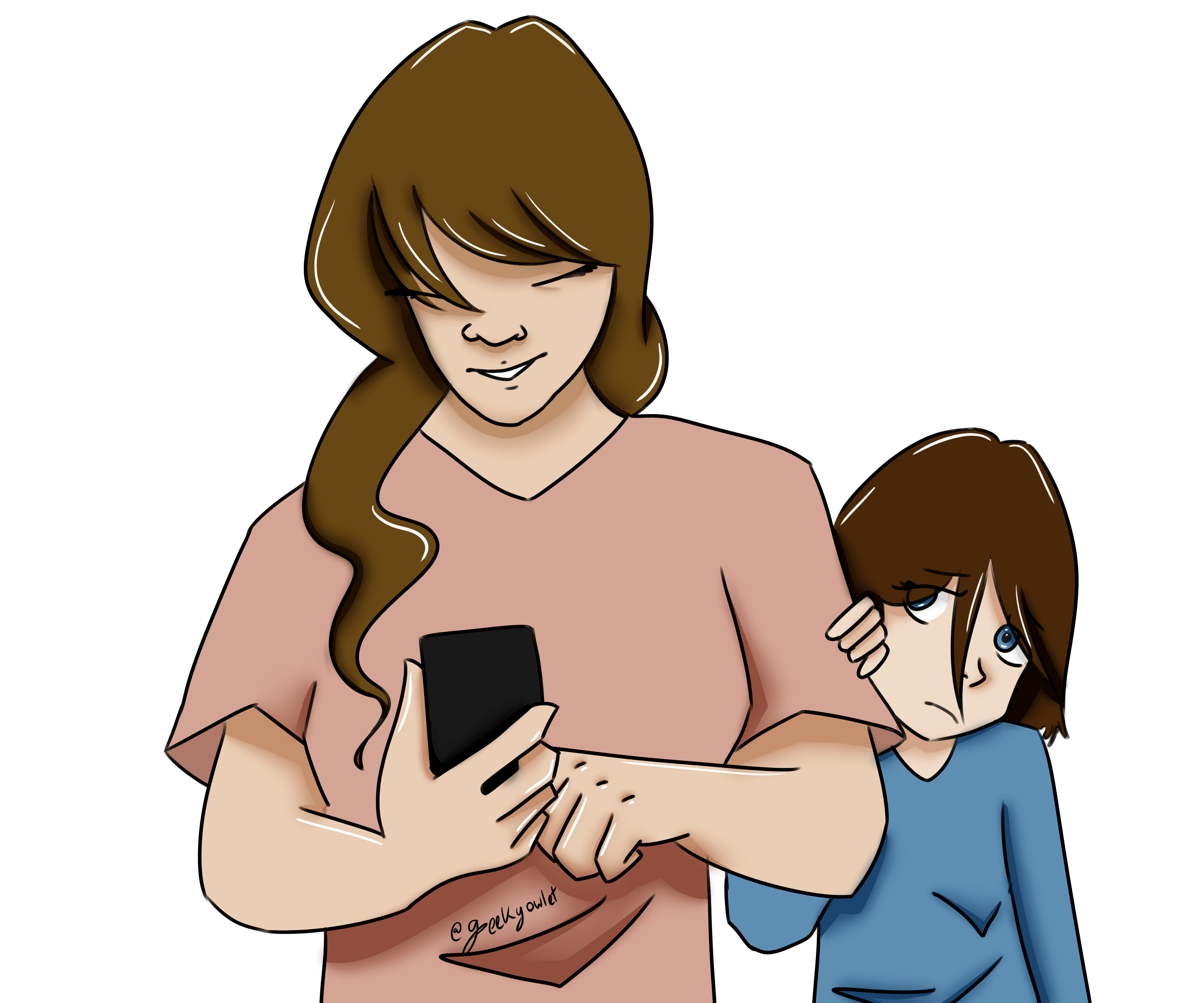
Why parents need to embrace our role as digital mentors: offering kids and teens ongoing support and guidance in how to use the internet appropriately.
No, Smartphones are Not Destroying a Generation
A recent article in the Atlantic claims that smartphones and social media have ruined a generation. That's not the full story.

Are Cell Phones Really Destroying Kids’ Mental Health?
Jonathan Haidt once heralded an “ultrasocial” world. Now he’s one of social media’s most prominent critics.

Growing up in the online world: a national consultation
We are consulting on further measures to prepare children for the future in an age of rapid technological change. This includes potential age restrictions on social media and other services such as gaming sites and AI chatbots, restrictions on addictive design features and risky functionalities, and better support for parents and families.

‘My social life completely plummeted’: gen Z is fighting back against big tech
From apps that block distractions to stripped-down phones, young people are finding ways to unplug from platforms they say profit from their attention

The Kids Are (Mostly) Alright: New Pew Study Deflates The Social Media Panic
A couple weeks back, Jonathan Haidt published another entry in his ongoing campaign to convince the world that social media is inherently ruining kids’ lives. This one was a victory lap title…

Childhood and Education #20: Phones and Screens
We have a respite, so I thought I’d tackle various thoughts on children, phones and screens.
Smartphone Bans, Student Outcomes and Mental Health
How smartphone usage affects well-being and learning among children and adolescents is a concern for schools, parents, and policymakers. Combining detailed admi

HELP PROTECT KIDS ONLINE
Learn how you can navigate the platforms your children and teens are using by downloading our free guide below. You don't need to be parent to keep the kids and teens in your life safe.

Young people's mental health is improving. Tech alarmists take note.
Depression and anxiety are declining, adding yet more complications to the anti-smartphone and anti–social media narratives.

Why Protecting Kids from Social Media May Make Things Worse — Douglas Rushkoff
I’m supposed to give a talk next week about kids and social media and the need for more media literacy education, more regulation of platforms, and more substantive discussion about how to keep our kids from media-induced self-harm. The whole event is well-meaning, but is characterized by a sense of worry and protection. And for some reason, after years of making those sorts of arguments in my articles and documentaries, I have a strong impulse to pivot the other way.
Big Tech tried to get young people addicted. Now we’re fighting back
Two seismic court decisions in the US have intervened where legislators have failed to defend social media users from exploitation, writes campaigner Zamaan Qureshi

Ensuring a safer online experience for U.S. kids and teens
An overview of our approach to age assurance and our commitment to online safety for young users and families.

Your smartphone is making you stupid, antisocial and unhealthy. So why can’t you put it down?
A decade ago, smart devices promised to change the way we think and interact, and they have – but not by making us smarter. Eric Andrew-Gee explores the growing body of scientific evidence that digital distraction is damaging our minds

"It's Great Because It's Ran By Us": Empowering Teen Volunteer Discord Moderators to Design Healthy and Engaging Youth-Led Online Communities
Online communities can offer many benefits for youth including peer learning, cultural expression, and skill development. However, most HCI research on youth-focused online communities has centered communities developed by adults for youth rather than by the youth themselves. In this work, we interviewed 11 teenagers (ages 13-17) who moderate online Discord communities created by youth, for youth. Participants were identified by Discord platform staff as leaders of well-moderated servers through an intensive exam and application-based process. We also interviewed 2 young adults who volunteered as mentors of some of our teen participants. We present our findings about the benefits, motivations, and risks of teen-led online communities, as well as the role of external stakeholders of these youth spaces. We contextualize our work within the broader teen online safety landscape to provide recommendations to better support, encourage, and protect teen moderators and their online communities. This empirical work contributes one of the first studies to date with teen Discord moderators and aims to empower safe youth-led online communities.
No Sense of Place: The Impact of Electronic Media on Social Behavior
Electronic media present us with a collage of experiences from everyplace. We eat dinner at home while watching starving children thousands of miles away reach out to us for food. From our easy chairs, we stare at blindfolded hostages, and coolly

The digital exiles: Why people are abandoning their smartphones - Coda Story
A growing movement of “former screenagers” is calling for a screen-free, surveillance-free life, for a chance to build a future beyond tech capture