Find out how practicing gratitude can improve your health and why it's important to develop this habit.
Gratitude Comes From Noticing Your Life, Not From Thinking About It
Every gratitude exercise I’ve ever done asks you to think about what you have to be grateful for. In other words, you brainstorm reasons you ought to feel grateful, whether or not you do. You’...
Serotonin Helps Your Brain Predict Future Rewards - Neuroscience News
New research reveals that serotonin plays a key role in how the brain predicts future rewards, shedding light on its puzzling activity in response to both pleasure and pain.

Finding joy in the little things really can benefit your wellbeing – a scientist explains
Enjoying a cup of coffee or performing an act of kindness are some examples of the everyday ‘micro-joys’ that can boost your wellbeing.

Mindfulness meditation reduces prosocial reparative behaviors by buffering people against feelings of guilt
A series of studies have uncovered a causal relationship between mindfulness meditation and decreased feelings of guilt. The findings have been published in the Journal of Personality and Social Psychology.

Emotional Memory Cells Driving Empathy Discovered - Neuroscience News
Researchers have uncovered a brain mechanism in the prefrontal cortex that determines how animals respond to others’ emotions based on their own past experiences.

The downside of being happy
Nobody likes to be sad, but it can have a powerful and positive effect.

What Not to Do When You’re Trying to Motivate Your Team
People ultimately choose to be motivated — when to give their best, go the extra mile, and offer radical ideas. The only thing leaders can do is shape the conditions under which others do, or don’t, choose to be motivated. Unfortunately, too few managers understand this, and so there is a gap between managers’ efforts and the results they’re getting. Three of the most offensive forms of “motivating” — drive-by praise, making stuff up, and guilt gratitude — can actually make employees feel less appreciated and erode their trust in a leader. The common shortfall among these approaches is that they all serve the leader giving the praise, not the recipient. If you want to direct your good intentions into more-meaningful expressions of recognition, consider these alternatives: Ask your employee how they accomplished their goal, explain how their efforts are contributing to the broader organization, and acknowledge the challenges they overcame to make such a valuable contribution.

why do we assume progress should feel good?
I can count on one hand the number of times I’ve achieved something and genuinely felt lasting satisfaction.

Learning to be kind to yourself has remarkable benefits | Aeon Essays
Learning to be kind to yourself when you (inevitably) make mistakes could have a remarkable effect on your happiness

How Cultivating Awe Can Save the World — Douglas Rushkoff
The best-kept but scientifically-validated secret for engendering generosity
Body and Brain Benefits From Lasting Intimacy
Think intimacy is about physical touch? Reach into and understand the emotional brain to truly activate what sparks a deep human connection.


How the brain responds to reward is linked to socioeconomic background
The brain’s sensitivity to rewarding experiences — a critical factor in motivation and attention — can be shaped by socioeconomic conditions, according to an MIT study.
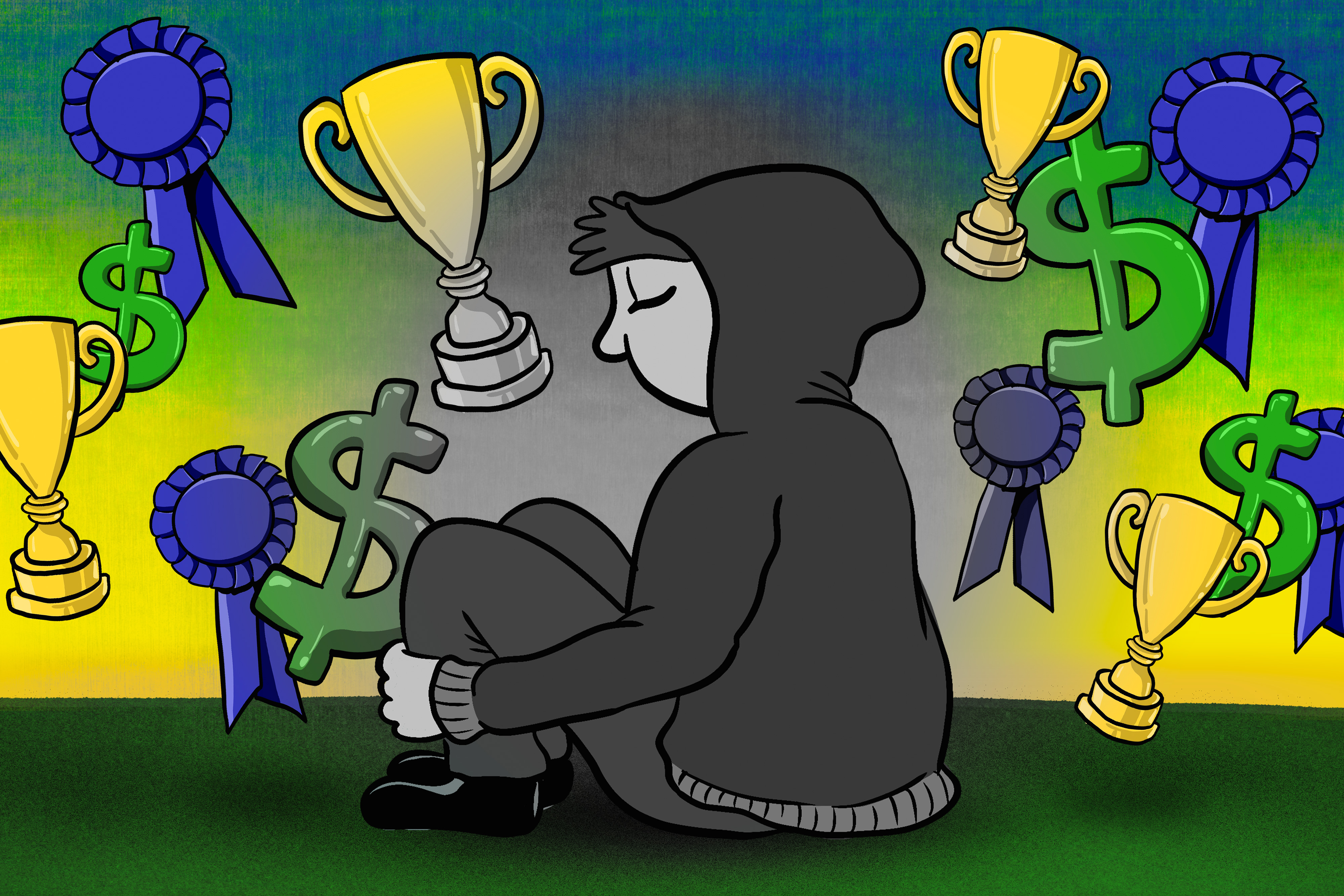
Negative Emotions Are Key to Well-Being
Feeling sad, mad, critical or otherwise awful? Surprise: negative emotions are essential for mental health

Why older people are happier and what we can learn from them | Psyche Ideas
Around the world, happiness tends to peak later in life. It has more to do with balancing priorities than elderly wisdom

Think Twice: How the Gut's "Second Brain" Influences Mood and Well-Being
The emerging and surprising view of how the enteric nervous system in our bellies goes far beyond just processing the food we eat